
Aftermarket Wheels: Fitment, Safety, Performance, and Buying Tips
Aftermarket Wheels: Fitment, Safety, Performance, and Buying Tips
Upgrading your ride often starts at ground level. Nothing alters a vehicle’s stance, curb appeal, and overall road manners faster than a fresh set of custom rims. Whether you want an aggressive track-ready posture, enhanced towing capability for a heavy-duty truck, or a refined aesthetic touch-up for a daily commuter, aftermarket wheels deliver endless possibilities that factory equipment simply cannot offer.
However, choosing the right set of wheels extends far beyond picking an eye-catching spoke design. Navigating the world of custom fitment involves understanding key engineering factors—balancing bolt patterns, wheel offsets, unsprung weight, structural load limits, and tire profiles. Making an informed purchase requires a clear grasp of how structural manufacturing, advanced metallurgy, and exact dimensional metrics interact to impact your vehicle’s safety, longevity, and overall driving dynamics.
1. What Are Aftermarket Wheels?
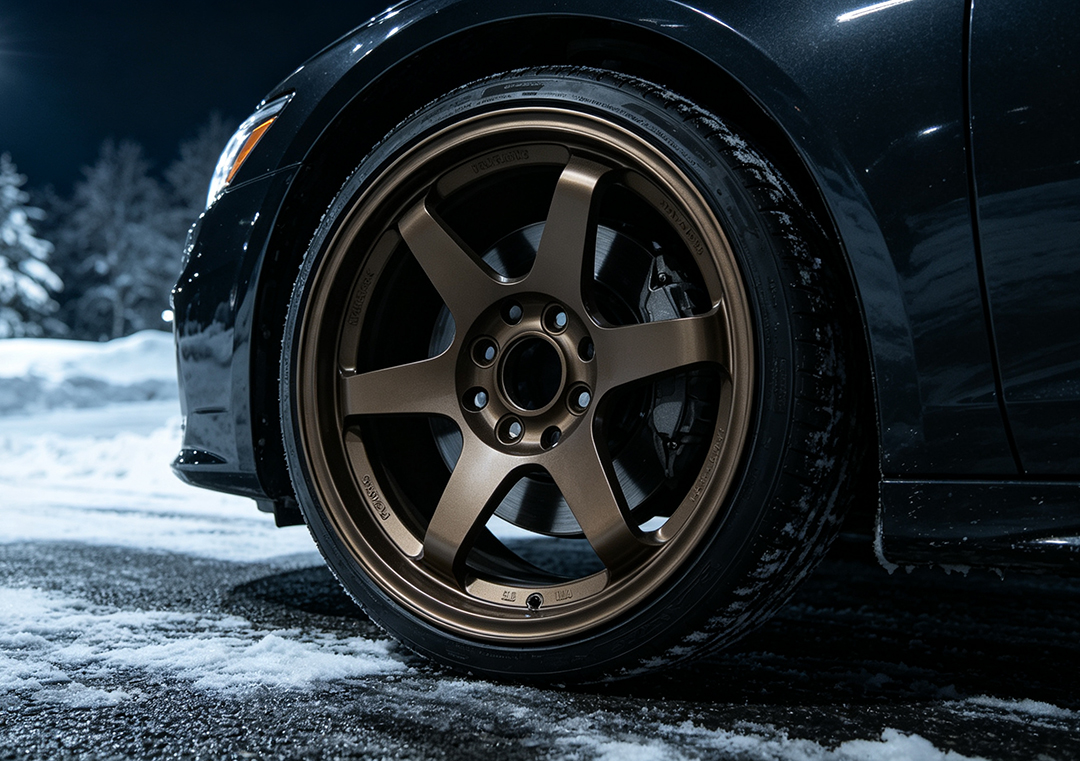
Aftermarket wheels are custom replacement rims engineered and manufactured by independent companies rather than the vehicle’s Original Equipment Manufacturer (OEM). When automakers design factory wheels, they must balance strict production budgets, conservative styling tastes, and generalized driving conditions meant to satisfy millions of average drivers. In contrast, aftermarket wheel manufacturers focus on specialized market demands, giving enthusiasts complete freedom to tailor their vehicle to their exact performance requirements and personal style.
While stock wheels are typically built with higher offset margins and heavier cast metals, the aftermarket ecosystem opens up an impressive variety of custom fitments, material choices, and dynamic rim geometries.
Key Differences Between Aftermarket and OEM Wheels:
-
Unmatched Design Variety: Choose from hundreds of unique spoke layouts, concave face profiles, deep-dish lips, and specialized surface finishes.
-
Flexible Sizing Options: Expand beyond restrictive stock measurements to run wider tire setups, step up in overall diameter, or configure staggered front-to-rear fitments.
-
Enhanced Driving Performance: Upgrade to lightweight alloys that reduce rotational mass, improving throttle response, cornering agility, and braking efficiency.
-
Advanced Construction Techniques: Gain access to high-tech manufacturing processes like flow-forming and precision forging that yield vastly superior strength-to-weight ratios compared to standard OEM cast aluminum.
-
Aggressive Wheel Stance: Fine-tune wheel offsets to push your setup flush with the outer fender arches, completely transforming your vehicle’s posture and road presence.
2. Construction Methods: Cast, Flow-Formed, and Forged
How a wheel is manufactured directly dictates its structural integrity, resistance to impacts, overall weight, and price point. Independent wheel brands utilize three primary manufacturing processes, each serving specific performance targets and driver budgets.
Gravity and Low-Pressure Casting
Casting is the most widespread and cost-effective method used to manufacture aluminum wheels. The process involves heating aluminum alloy until it reaches a liquid state, then pouring or forcing it into a pre-shaped mold.
-
Gravity Casting: Liquid aluminum flows into the mold using only the force of gravity. While this keeps production costs low, the resulting metal structure is relatively porous. To make up for this, manufacturers must use extra material, making gravity cast wheels heavier and thicker overall.
-
Low-Pressure Casting: Molten aluminum is forced into the mold under positive pressure from below. This pressure packs the alloy tightly, minimizing internal air pockets and yielding a stronger, denser grain structure than gravity casting. Most quality daily-driver aftermarket wheels are built using this technique.
Flow-Forming (Rotary Forging)
Flow-forming represents a major technological step up, bridging the gap between cast economy and forged performance. The process starts with a specially engineered low-pressure cast wheel preform. The wheel center is placed on a high-speed spinning mandrel, where hydraulic rollers apply immense heat and pressure along the outer barrel.
-
Grain Realignment: This pressure stretches and compresses the aluminum, aligning its internal grain structure radially—much like the structure of a fully forged wheel.
-
Weight and Strength Benefits: The resulting barrel features significantly higher tensile strength and impact resistance while remaining dramatically thinner. Flow-formed wheels can be up to 15% to 20% lighter than standard cast options, offering an excellent balance of high performance and accessible pricing.
Precision Forged Wheels
Forged wheels stand at the absolute peak of modern wheel engineering, built specifically for supercars, high-horsepower track builds, heavy trucks, and motorsport racing applications.
-
Solid Billet Craftsmanship: Fabrication begins with a solid block (or billet) of aerospace-grade 6061-T6 aluminum. Industrial hydraulic presses subject the billet to thousands of tons of force, compacting the metal into a dense structural blank without any internal voids or air pockets.
-
CNC Machining: Advanced multi-axis CNC machines cut the wheel design out of the dense blank down to exact millimeter tolerances.
-
Maximum Strength & Efficiency: Because the metal is exceptionally dense and uniform, forged wheels require far less material to achieve required load ratings. This allows for ultralight spoke designs, exceptional stiffness under heavy cornering stress, and maximum durability against harsh road impacts.
Detailed Manufacturing Method Comparison
| Spec / Feature | Cast Wheels | Flow-Formed Wheels | Forged Wheels |
|---|---|---|---|
| Manufacturing Process | Liquid alloy poured into a custom mold | Cast center with heat-spun barrel | CNC machined from solid aluminum billet |
| Metal Density & Structure | Standard grain density with minor porosity | High-density barrel grain structure | Ultra-dense, continuous grain structure |
| Overall Wheel Weight | Moderate to Heavy | Lightweight (15-20% lighter than cast) | Ultra-lightweight (Maximum mass reduction) |
| Structural Impact Resistance | Standard factory-level rating | High dynamic rim barrel strength | Maximum shear strength and yield point |
| Ideal Vehicle Application | Daily street driving, show builds | Track days, aggressive street performance | Professional motorsport, trucks, supercars |
| Price Point | Most Accessible | Mid-Tier High-Value Balance | Premium Investment |
3. How Wheel Geometry Affects Performance and Dynamics
Swapping out your wheels involves much more than updating your car’s appearance; it fundamentally alters the physical dynamics between your vehicle, its suspension system, and the road surface. Understanding these mechanical principles helps you make smarter upgrades that enhance your driving experience.
Unsprung Mass and Rotational Inertia
Every component not supported by your vehicle’s suspension springs—such as the wheels, tires, brake calipers, and wheel hubs—is classified as unsprung mass.
Lowering your unsprung mass offers immediate performance advantages. Lighter wheels allow your shocks and springs to react much faster to uneven road surfaces, keeping your tire contact patch planted firmly on the pavement.
Furthermore, wheels are rotating components, meaning they contribute directly to rotational inertia. Dropping just a few pounds of weight off a rotating wheel barrel feels like removing a much larger amount of static weight from inside the cabin. This reduction allows your engine to rev up quicker, decreases overall braking distances, improves fuel economy, and delivers a notably sharper, more responsive steering feel.
Understanding Wheel Offset and Backspacing
Selecting the proper wheel offset is vital for achieving your desired visual stance without causing tire rubbing or mechanical interference with internal suspension components.
-
Wheel Offset (ET): Measured in millimeters, offset is the distance from the wheel’s true geometric centerline to its rear mounting hub surface.
-
Positive Offset (e.g., +45mm): The mounting hub face is positioned toward the front outer face of the wheel. This is typical on modern front-wheel-drive, all-wheel-drive, and contemporary sports cars.
-
Zero Offset (0mm): The mounting hub face aligns perfectly with the center of the wheel barrel.
-
Negative Offset (e.g., -12mm): The mounting face sits deep inside the wheel barrel toward the vehicle side. This pushes the wheel face outward, creating a deep-lip look popular on lifted off-road trucks and widebody builds.
-
-
Backspacing: Measured in inches, backspacing is the distance from the innermost rim lip to the rear mounting hub surface. Checking your backspacing ensures the inner barrel clears control arms, tie rods, strut housings, and inner fender liners.
4. Complete Fitment Breakdown: Checklist Before Buying
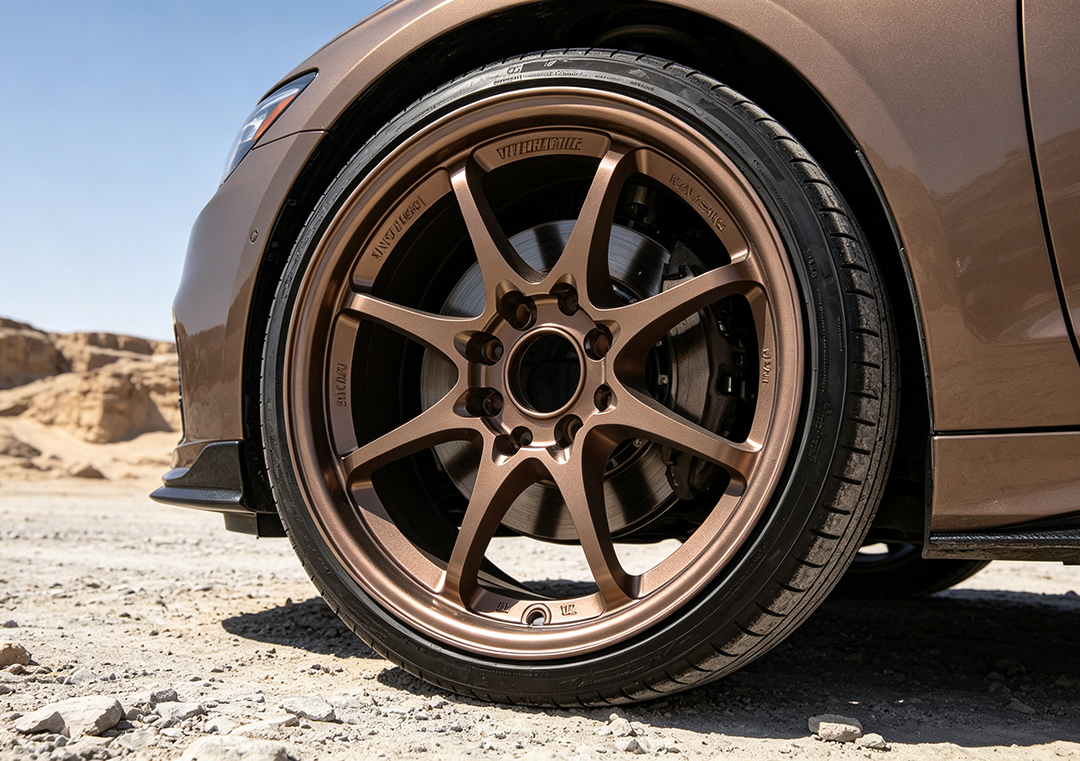
To ensure your new aftermarket wheels bolt up smoothly without annoying steering vibrations, hub binding, or body rubbing, verify these technical specifications before making a purchase:
Key Fitment Verification Specs:
-
Pitch Circle Diameter (PCD / Bolt Pattern): Expressed as the number of lug holes multiplied by the diameter of the imaginary circle they form (such as
5x114.3or6x139.7). The bolt pattern on your new wheels must match your vehicle’s hub layout exactly. -
Center Bore & Hub-Centric Fitment: The center hole on the back of the wheel hub. A true hub-centric wheel matches your vehicle’s center hub snout precisely, ensuring the vehicle’s weight rests evenly on the metal hub rather than on the wheel studs alone. If you buy a wheel with a larger center bore (lug-centric), you must use high-quality hub-centric ring adapters to prevent high-speed steering wheel wobbles.
-
Brake Caliper Clearance (X-Factor): Vehicles equipped with multi-piston sport brakes or big brake kits require wheels designed with sufficient spoke curvature (X-factor) to ensure the inner spokes clear the outer face of the brake calipers.
-
Wheel Load Rating: Every custom wheel carries a specific structural load limit. The combined load ratings of all four wheels must meet or exceed your vehicle’s Gross Axle Weight Rating (GAWR). Electric vehicles (EVs), heavy trucks, and large SUVs require extra-strength wheels built to handle high torque output and heavier curb weights.
5. Safety Standards, Structural Testing, and Warranty Facts
When investing in new wheels, performance and styling should always go hand-in-hand with safety. Quality manufacturers invest heavily in advanced laboratory stress testing to ensure their products hold up against harsh potholes and high-stress driving.
Crucial Global Safety Certifications
Look for these recognized industry standard stamps stamped directly into the structure of the wheel:
-
JWL / VIA (Japan): The Japan Light Alloy Wheel standard (JWL) paired with independent validation by the Vehicle Inspection Association (VIA). This certification requires rigorous testing, including dynamic cornering fatigue tests, dynamic radial fatigue tests, and 13-degree impact resistance drops.
-
SAE J2530 (USA): The Society of Automotive Engineers standard, which regulates structural testing limits for aftermarket wheels used on passenger cars, light trucks, and SUVs.
-
TÜV Rheinland (Germany): Among the strictest automotive testing regimes in the world. TÜV certification covers material chemical testing, strict manufacturing plant quality audits, and extreme structural fatigue assessments.
Will Installing Aftermarket Wheels Void Your Factory Vehicle Warranty?
A common concern among car owners is whether installing custom wheels will void their original factory warranty. In the United States, the simple answer is no.
Under the federal Magnuson-Moss Warranty Act, an automotive manufacturer or dealership cannot automatically deny warranty coverage simply because you installed non-OEM aftermarket parts. To legally deny a warranty claim, the dealership must prove that the custom wheel or its improper fitment directly caused the specific component failure (for example, using an incorrect wheel offset that placed excessive stress on a wheel bearing).
Frequently Asked Questions(FAQ)
1.What are aftermarket wheels?
Aftermarket wheels are custom replacement rims produced by independent manufacturers rather than your vehicle’s original vehicle manufacturer. They provide a much broader range of sizes, bolt patterns, offsets, spoke styles, structural builds, and surface finishes compared to standard factory wheels.
2.How do I check if aftermarket wheels will fit my car?
To guarantee proper fitment, check your vehicle’s bolt pattern (PCD), wheel offset (ET), center bore diameter, rim width, wheel diameter, total load rating, and front brake caliper clearance against the new wheel specs before buying.
3.Are aftermarket wheels safe for street and track use?
Yes, high-quality aftermarket wheels are completely safe as long as they meet or exceed recognized testing standards like JWL, VIA, SAE J2530, or TÜV. Always double-check that the wheels are properly torqued, correctly rated for your vehicle’s weight, and accurately fitted.
4.How do aftermarket wheels affect dynamic vehicle performance?
Opting for lightweight wheels reduces unsprung mass and rotational inertia, which sharpens steering response, improves acceleration feel, and allows your suspension to absorb bumps more effectively. Conversely, installing oversized or heavy wheels can firm up ride quality and slightly increase fuel consumption.
5.What specs should I verify before ordering custom wheels?
Always confirm the bolt pattern, offset metric, center bore dimensions, wheel load capacity, spoke clearance, rim width, and tire compatibility to ensure a smooth installation without rubbing against body panels or suspension components.
Upgrade Your Ride Today
Ready to elevate your vehicle’s stance, shed unwanted unsprung weight, and stand out on the open road? Finding the ideal set of custom rims comes down to balancing high-grade materials, structural engineering, and precise fitment parameters.
Partner with the wheel experts at ATK Wheels to explore an extensive inventory of advanced cast, flow-formed, and precision-forged designs engineered specifically for your vehicle. Reach out to a fitment specialist today to configure your custom wheel setup with absolute confidence!

