
How to Choose the Right Size, Fitment, and Load Rating
How to Choose the Right Size, Fitment, and Load Rating
Upgrading the wheels on your pickup is one of the most impactful modifications you can make. Beyond drastically altering your vehicle’s stance and appearance, a new set of rims directly influences towing capacity, ride quality, fuel economy, and off-road capability.
With thousands of options on the market, finding the ideal set of rims for truck applications requires looking past surface aesthetics. Fitment parameters like bolt patterns, offset, center bore, and load ratings dictate whether a wheel functions safely on your rig or causes costly mechanical issues.
This comprehensive overview walks you through everything you need to know about choosing, fitting, and maintaining the best truck rims for your specific driving needs.
1. Why Upgrading Your Truck Rims Matters
Factory wheels are engineered for mass appeal and budget efficiency. While they handle everyday commuting adequately, stock setups rarely maximize a pickup’s true potential.
Upgrading to aftermarket truck rims provides three key advantages:
-
Enhanced Visual Stance: Aftermarket options offer custom finishes like matte black, bronze, chrome, and dual-tone machined looks that transform a stock truck into a personalized build.
-
Performance Optimization: Lighter aftermarket wheels reduce unsprung weight, improving acceleration, braking response, and fuel efficiency.
-
Functional Capability: Off-road drivers often need wider wheels or negative offsets to fit aggressive all-terrain or mud-terrain tires, while heavy-duty haulers require elevated load capacity.
Whether you drive a light-duty highway cruiser or a heavy-duty workhorse, choosing the right wheels ensures your vehicle performs reliably under heavy loads and rough conditions.
2. Choosing the Right Size Rims for Your Truck
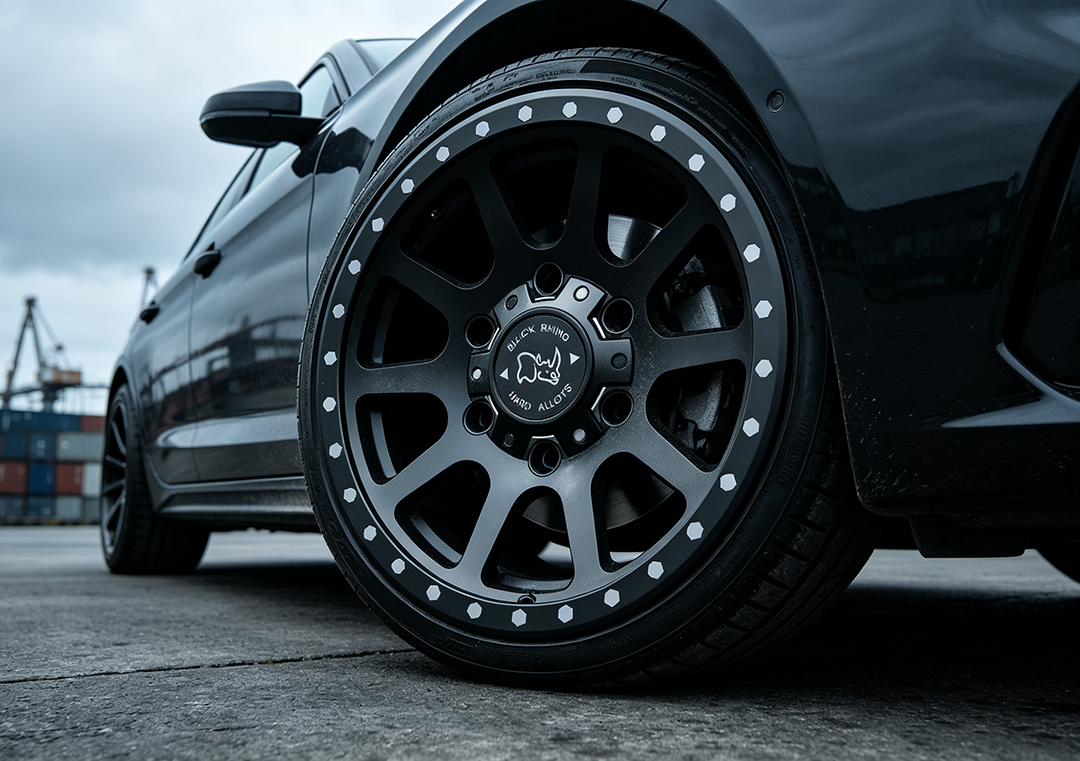
Determining what size rims are best for a truck comes down to how you primary use your vehicle. Larger wheels look commanding on the road, but smaller wheels offer crucial functional benefits for rough terrain.
+-------------------------------------------------------------------------+
|                        RIMS FOR TRUCK SIZE SPECTRUM                     |
+-------------------------------------------------------------------------+
|  17" - 18"               |  20"                      |  22" - 24"+      |
|  Maximum Sidewall        |  Balanced Everyday        |  Street Stance   |
|  Ideal for Off-Roading   |  Towing & Street Style    |  Low-Profile     |
+-------------------------------------------------------------------------+
17-Inch to 18-Inch Rims: The Off-Road & Work Standard
Smaller wheel diameters allow for thicker tire sidewalls. Extra rubber cushion provides greater shock absorption on dirt trails, protects the wheel lip from rock damage, and enables tire “airing down” for improved traction in mud or sand.
-
Best for: Overlanding, off-roading, construction work, and maximum ride comfort.
20-Inch Rims: The Balanced Middle Ground
A 20-inch wheel offers an ideal compromise between aggressive looks and functional performance. It leaves enough room for a substantial tire sidewall while filling out the wheel well nicely on modern full-size trucks.
-
Best for: Daily commuting, highway towing, light trail driving, and modern street aesthetics.
22-Inch to 24-Inch Rims: The Street & Show Stance
Larger diameters reduce tire sidewall height, delivering sharper steering response and an eye-catching street presence. However, the thinner tire cushion results in a stiffer ride over bumps and increased vulnerability to pothole damage.
-
Best for: Highway driving, show trucks, and street performance builds.
3. Fitment Essentials: How to Ensure Rims Fit Your Truck
A common question among owners is: How do I know if rims will fit my truck?
To guarantee proper fitment without rubbing against suspension components, brake calipers, or fender liners, five core specifications must line up perfectly with your vehicle’s hub.
Wheel Diameter and Width
Measured in inches, diameter is the wheel size from lip to lip, while width determines how wide of a tire tread you can safely mount. A standard half-ton pickup usually runs wheel widths ranging from 8.5 to 10 inches.
Bolt Pattern (Pitch Circle Diameter / PCD)
The bolt pattern consists of the number of lug holes and the diameter of the imaginary circle they form. Truck bolt patterns vary significantly by manufacturer and weight class:
-
6×139.7mm (6×5.5″): Common on Chevy Silverado 1500, GMC Sierra 1500, Ford F-150, and Toyota Tacoma/Tundra.
-
5×139.7mm (5×5.5″): Frequently seen on older Ram 1500 setups.
-
8×165.1mm (8×6.5″) / 8x170mm: Found on heavy-duty 2500/3500 rigs from Ford, Chevy, and RAM.
Offset and Backspacing
Offset measures the distance in millimeters from the wheel’s mounting surface to its true centerline.
-
Positive Offset: The mounting face sits toward the front face of the wheel. Keeps wheels tucked inside the fender wells (typical for factory setups).
-
Zero Offset: The mounting face aligns evenly with the wheel centerline.
-
Negative Offset: The mounting face sits toward the back of the wheel. Pushes the wheel outward, creating an aggressive wide stance popular on lifted trucks.
Center Bore
The center hole on the back of the rim must match your truck’s hub. Hub-centric wheels feature an exact center bore fit for seamless load distribution. Lug-centric wheels rely on tapered lug nuts for centering and may require hub-centric rings to eliminate high-speed steering wheel vibrations.
4. Understanding Load Ratings for Truck Rims
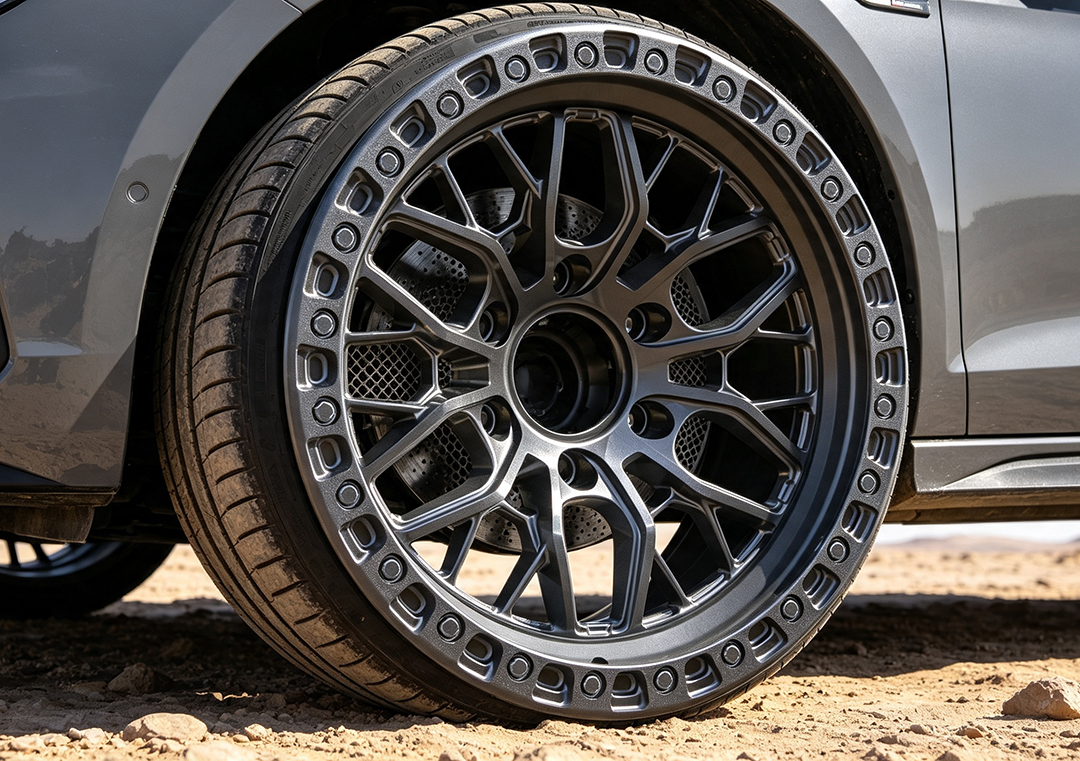
A pickup demands significantly higher structural integrity from its wheels than a standard passenger sedan. Load rating defines the maximum weight a single wheel can safely support.
When evaluating rims for truck builds, ensure the combined load capacity of all four wheels exceeds your vehicle’s Gross Vehicle Weight Rating (GVWR) and accounts for maximum towing payload.
| Vehicle Type | Recommended Load Rating Per Wheel | Primary Focus |
|---|---|---|
| Mid-Size Trucks (Tacoma, Colorado, Ranger) | 2,100 lbs – 2,500 lbs | Light trailing, daily driving |
| Half-Ton Trucks (F-150, Silverado 1500, Ram 1500) | 2,500 lbs – 2,800 lbs | Balanced payload, boat/camper towing |
| Heavy-Duty Trucks (F-250/350, 2500/3500 HD) | 3,200 lbs – 4,500+ lbs | Heavy commercial hauling, gooseneck trailers |
Safety Priority: Never install wheels meant for a light SUV or mid-size pickup on a heavy-duty truck. Overloading a wheel leads to metal fatigue, cracks, and severe high-speed wheel failure.
5. Steel vs. Alloy Rims: Which Material Wins?
Choosing between steel and alloy construction depends on your budget, workload requirements, and driving environment.
   STEEL RIMS                            ALLOY RIMS
+-------------------------------+     +-------------------------------+
| * Heavy-Duty Steel Stamping   |     | * Cast or Forged Aluminum     |
| * Highly Durable & Repairable |     | * Light Weight & Fast Cooling |
| * Resistant to Cracking       |     | * Highly Customizable Styles  |
| * Budget-Friendly Price       |     | * Premium Price Point         |
+-------------------------------+     +-------------------------------+
Steel Rims
Stamped from heavy steel plate, these traditional wheels are virtually indestructible under low-speed stress. If bent on a harsh obstacle, steel can often be hammered back into shape to hold air temporarily. However, they are heavy, accelerate brake wear, and offer limited design variety.
-
Pros: Ultra-durable, highly affordable, easy to repair, excellent for harsh winter salt roads.
-
Cons: Heavy weight decreases fuel efficiency; vulnerable to rust if paint chips; plain appearance.
Alloy Rims
Cast or forged from aluminum alloys, these wheels represent the industry standard for modern trucks. They are noticeably lighter, dissipating heat away from brakes faster while offering endless design variations from sleek beadlocks to deep-dish concaves.
-
Pros: Lightweight, superior styling options, rust-proof aluminum, improved fuel economy and handling.
-
Cons: Higher initial cost; can crack or shatter under extreme impact rather than bending.
6. Popular Styles and Finishes
Personalizing your truck’s look comes down to wheel geometry and surface treatment.
-
Matte Black & Gloss Black: The industry’s top seller for a clean, aggressive “blacked-out” aesthetic. Matches well with almost any paint color.
-
Bronze: Rapidly growing in popularity among off-road and overlanding enthusiasts, providing a rugged, rally-inspired accent.
-
Machined & Chrome: Delivers a classic, bright metallic shine ideal for street trucks, custom builds, and polished tow rigs.
-
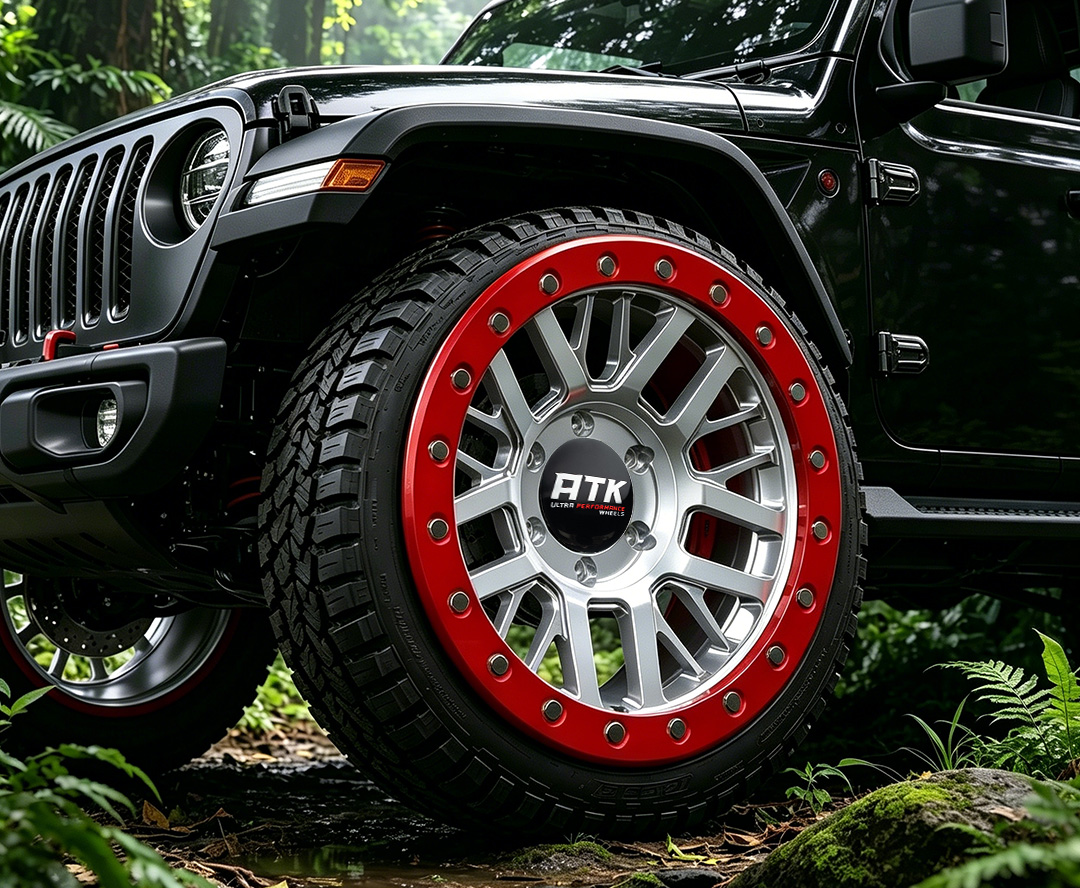
Beadlock & Simulated Beadlock: True beadlocks physically clamp the tire lip to the rim for low-PSI rock crawling (primarily off-road only). Simulated beadlock rims provide the rugged tactical appearance while remaining 100% street-legal.
7. Essential Maintenance for Aftermarket Truck Rims
Protecting your investment against brake dust, road salt, and harsh trail debris requires regular care:
-
Clean with pH-Neutral Cleaners: Avoid acidic cleaners that strip clear coats or stain exposed aluminum.
-
Apply Protective Wax or Ceramic Coating: Applying a high-temp wheel sealant every few months helps shed brake dust and makes washing easier.
-
Torque Lug Nuts Periodically: Always re-torque lug nuts to factory specifications after the first 50–100 miles following installation.
-
Inspect for Damage After Off-Roading: Check inner and outer wheel lips for gouges, bends, or hairline cracks after hitting trails or heavy potholes.
Frequently Asked Questions(FAQ)
1.What size rims are best for a truck?
The best rim size depends on your truck model, tire size, brake clearance, and intended use. Smaller wheels (17–18 inches) allow for taller tire sidewalls ideal for off-roading, while 20-inch wheels offer a balance of towing stability and street style. Always consult your owner manual for recommended baseline dimensions.
2.How do I know if rims will fit my truck?
Check five core parameters: wheel diameter, width, bolt pattern (PCD), offset/backspacing, and center bore. All five dimensions must match your truck’s hub and suspension specs to prevent tire rubbing or clearance issues with brake calipers.
3.What is the correct offset for truck rims?
The correct offset varies based on your suspension setup and desired stance. Factory setups usually feature positive offsets (+12mm to +44mm) to keep tires inside fenders. Lifted trucks or wide off-road tire setups frequently use lower or negative offsets (0mm to -24mm) to push wheels outward and clear inner control arms.
4.What load rating should truck rims have?
Truck rims should feature a load rating that meets or exceeds the vehicle’s axle load requirement. Light-duty trucks typically require 2,100–2,500 lbs per wheel, while heavy-duty 2500/3500 series trucks need wheels rated at 3,200 to 4,500+ lbs each to safely carry heavy payloads and haul trailers.
5.Are alloy or steel rims better for trucks?
Steel rims are cost-effective, heavy, and extremely durable against impacts, making them great for work trucks and severe winter driving. Alloy rims are lighter, improve fuel efficiency and handling performance, and offer far more styling options, making them the preferred choice for daily drivers and custom builds.
Ready to Transform Your Truck’s Stance and Performance?
Choosing the right rims for your truck balances precise fitment mathematics with your personal visual taste. By matching your bolt pattern, confirming load ratings, and picking an offset suited to your suspension, you ensure a smooth, safe ride across every mile.
Looking for high-quality wheels engineered to withstand heavy loads and harsh trail conditions? Explore top-tier options built for performance, durability, and style at ATK Wheels. Upgrade your setup today to unlock your pickup’s full potential on and off the road.

