
Alloy Rims: What They Are, How They Compare, and How to Choose the Right Ones
Alloy Rims: What They Are, How They Compare, and How to Choose the Right Ones
Whether you are pulling up to a weekend meet in Southern California or commuting through a harsh Midwest winter, the wheels beneath your vehicle dictate how your car performs, looks, and handles the road. For decades, standard steel wheels dominated American driveways. Today, alloys rims—commonly referred to as alloy wheels or aluminum rims—have taken over as the preferred choice for daily drivers, sports car purists, and truck enthusiasts alike.
Upgrading or replacing your wheels involves more than picking a style you like. Understanding manufacturing methods, metal compositions, performance gains, and maintenance requirements ensures you select the right setup for your vehicle.
1.Understanding Alloys Rims: Materials and Construction
To evaluate why these wheels are so popular across the United States, it helps to understand what goes into their production.
What Are Alloy Rims Made Of?
An alloy is a blend of two or more metals engineered to deliver superior structural qualities compared to pure elements.
-
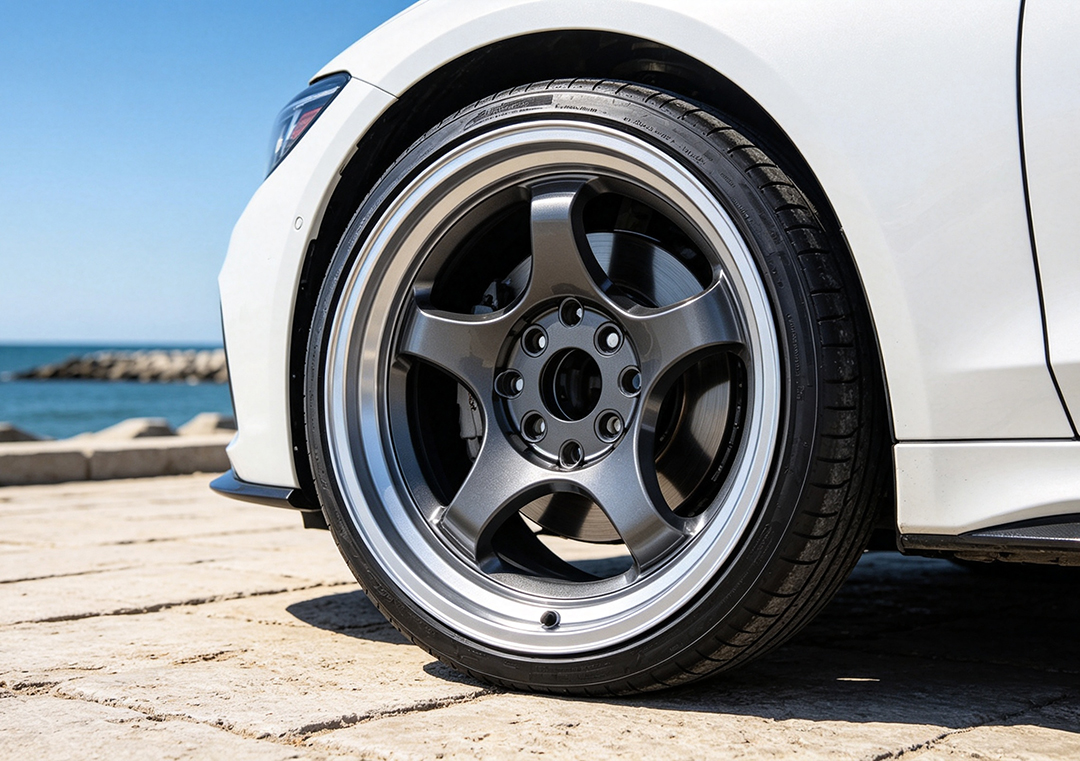
Primary Metals: Alloys rims are made primarily from an alloy of aluminum or magnesium combined with other metals such as nickel, silicon, or copper.
-
Performance Impact: This precise metal mix makes the finished wheel lighter, stronger, and far more aesthetically attractive than traditional steel wheels.
While pure aluminum is too soft to withstand potholes and high cornering loads, combining it with silicon and magnesium creates a robust matrix that maintains structural integrity while keeping weight to a minimum.
[Aluminum Base] + [Silicon / Magnesium / Nickel] = Lightweight, High-Strength Alloy Matrix
2.Alloy Rims vs. Steel Rims: A Direct Comparison
Choosing between alloy wheels and traditional steel rims comes down to your budget, driving conditions, and performance expectations.
| Feature / Metric | Alloys Rims (Aluminum/Magnesium) | Steel Rims (Stamped Carbon Steel) |
|---|---|---|
| Weight | Lightweight (Lowers unsprung mass) | Heavy (Increases unsprung mass) |
| Fuel Efficiency | Superior (Less energy to rotate) | Standard (Higher rotational inertia) |
| Handling & Braking | Crisp, responsive, improved heat dissipation | Heavy steering feel, slower heat dispersal |
| Durability & Flex | Rigid; can crack under extreme impact | Ductile; bends under impact, rarely cracks |
| Corrosion Resistance | High (Does not produce iron rust) | Susceptible to red iron rust if unpainted |
| Aesthetics & Styles | Highly customizable, endless spoke patterns | Basic, utilitarian (often requires hubcaps) |
| Price Point | Moderate to Premium | Budget-Friendly |
What Is the Difference Between Alloy Rims and Steel Rims?
Alloy rims are lighter, provide better handling and fuel efficiency, and offer more stylish designs tailored to modern vehicle aesthetics. Steel rims are heavier and less customizable, but they are cheaper and more resistant to severe impact damage because steel bends under extreme forces rather than cracking.
3.How Alloys Rims Are Manufactured: Cast vs. Forged
Not all alloy wheels are created equal. The manufacturing technique determines the strength, density, and price point of the finished wheel.
Manufacturing Hierarchy:
Cast Alloys (Good Value) ➔ Flow Formed (Balanced Performance) ➔ Forged Alloys (Maximum Strength & Light Weight)
1. Cast Alloy Wheels
Casting involves pouring molten aluminum into a pre-shaped mold.
-
Gravity Casting: Molten metal fills the mold using natural gravity. It is cost-effective but produces lower material density.
-
Low-Pressure Casting: Metal is forced into the mold under pressure, reducing air pockets and creating a stronger structure than gravity casting.
2. Flow-Formed (Hybrid) Alloys
Flow forming starts with a low-pressure cast wheel preform. The barrel is then stretched and compressed over a mandrel using high-pressure rollers. This aligns the aluminum grain structure, giving it strength characteristics close to a forged wheel at a fraction of the cost.
3. Forged Alloy Wheels
Forging takes a solid billet of aerospace-grade aluminum and subjects it to massive hydraulic pressure, compressing the metal grain structure before machining the wheel design via CNC routers.
Are Forged Alloy Rims Better Than Cast Alloy Rims?
Yes, forged rims are significantly stronger, lighter, and more durable because they are shaped under extreme pressure. Cast rims are easier and cheaper to produce, but they are slightly heavier and more brittle under hard impacts.
4.Key Performance Benefits of Alloys Rims
Upgrading your vehicle with quality alloy wheels delivers measurable improvements in driving dynamics.
Lower Unsprung Weight
  └── Less Work for Suspension & Brakes
        ├── Faster Acceleration & Quicker Braking
        └── Smoother Ride Quality & Sharper Steering
-
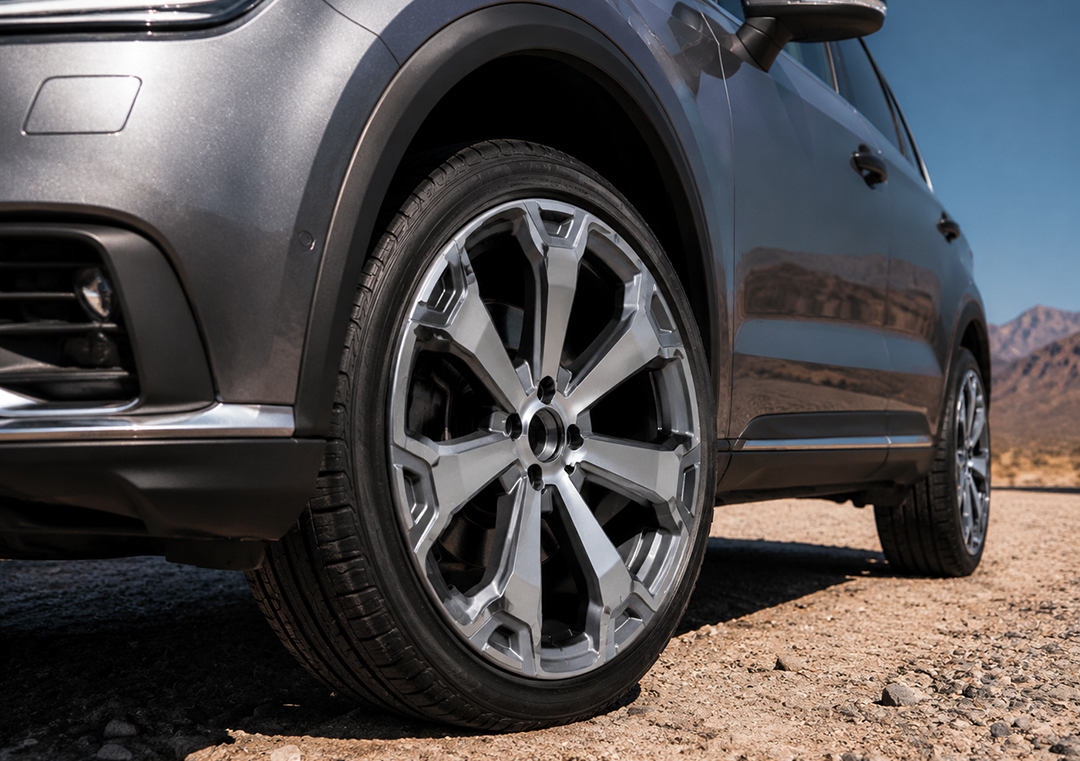
Reduced Unsprung Mass: Unsprung weight refers to parts of the car not supported by the suspension springs (wheels, tires, and brakes). Lighter alloys allow suspension components to react faster to bumps, keeping tires glued to the road surface.
-
Enhanced Heat Dissipation: Aluminum conducts heat far better than steel. The open spoke geometry of alloy wheels dissipates braking heat quickly, reducing brake fade during aggressive driving or steep downhill descents.
-
Improved Fuel Mileage: Decreasing rotational mass means your engine uses less energy to turn the wheels, boosting city and highway miles per gallon (MPG).
-
Steering Responsiveness: The added stiffness of high-quality alloy wheels reduces wheel flex during heavy cornering, giving you precise, feedback-rich steering feel.
5.Maintenance and Repairs: Protecting Your Investment
Keeping your wheels in pristine condition requires minimal effort if you use the right techniques.
Do Alloy Rims Rust?
No, alloy rims do not rust like steel because aluminum does not contain iron. However, they can still corrode or oxidize over time if exposed to moisture, road salt, or harsh chemicals. White, chalky oxidation occurs when salt penetrates microscopic cracks in the clear coat, requiring quick removal to protect the finish.
Winter Salt / Moisture ➔ Penetrates Clear Coat ➔ White Oxidation (Corrosion) ➔ Professional Refinishing Needed
Can Damaged Alloy Rims Be Repaired?
Yes. Minor cosmetic damage (like curb rash and scratches) and slight bends can usually be repaired. Professional wheel restoration shops can weld, straighten, sand, and re-clear coat damaged alloys. However, rims with severe structural cracks or extreme deformation should be replaced for safety.
6.Best Practices for Care and Cleaning
To maintain the finish on your alloy wheels, adopt this straightforward care routine:
-
Use pH-Balanced Cleaners: Avoid acidic wheel cleaners that strip clear coats or stain polished finishes. Choose non-acid, pH-neutral wheel wash formulas.
-
Avoid Hot Braking Cleanups: Never spray cold water or chemicals directly onto hot wheels after driving. Rapid temperature shifts can warp or craze the protective finish.
-
Apply Protective Sealants: Apply a dedicated wheel wax or ceramic coating twice a year. This creates a hydrophobic barrier that prevents brake dust from burning into the surface.
-
Rinse Winter Salt Promptly: If you drive on salted winter roads, wash your wheels weekly to prevent road salt from corroding bare aluminum edges.

Frequently Asked Questions(FAQ)
1.What are alloy rims made of?
Alloy rims are made primarily from an alloy of aluminum or magnesium combined with other metals. This mix makes them lighter, stronger, and more attractive than traditional steel wheels.
2.What is the difference between alloy rims and steel rims?
Alloy rims are lighter, provide better handling and fuel efficiency, and offer more stylish designs. Steel rims are heavier and less customizable, but they are cheaper and more resistant to impact damage.
3.Can damaged alloy rims be repaired?
Yes. Minor cosmetic damage (like curb rash and scratches) and slight bends can usually be repaired. However, rims with severe structural cracks or extreme deformation should be replaced for safety.
4.Do alloy rims rust?
No, alloy rims do not rust like steel because aluminum does not contain iron. However, they can still corrode or oxidize over time if exposed to moisture, road salt, or harsh chemicals.
5.Are forged alloy rims better than cast alloy rims?
Yes, forged rims are significantly stronger, lighter, and more durable because they are shaped under extreme pressure. Cast rims are easier and cheaper to produce, but they are slightly heavier and more brittle under hard impacts.
Upgrade Your Ride Today
Ready to transform your vehicle’s performance and appearance? Explore our curated catalog of precision-engineered alloy wheels designed to fit your specific make and model. Check out our latest designs and find your perfect set at ATK Wheels.

