
Custom Alloy Wheels: Finding the Right Balance of Style, Fitment, and Performance
Custom Alloy Wheels: Finding the Right Balance of Style, Fitment, and Performance
Whether you want to sharpen your vehicle’s cornering dynamics, achieve a bold visual stance, or replace worn factory rims, upgrading to custom alloy wheels is one of the most effective modifications you can make. However, navigating the world of aftermarket fitments, offsets, and manufacturing types can quickly feel overwhelming.
This complete resource walks you through everything you need to know about aftermarket aluminum rims, from precise measurement calculations to long-term care, helping you choose the perfect set for your ride with total confidence.
1.What Are Custom Alloy Wheels?
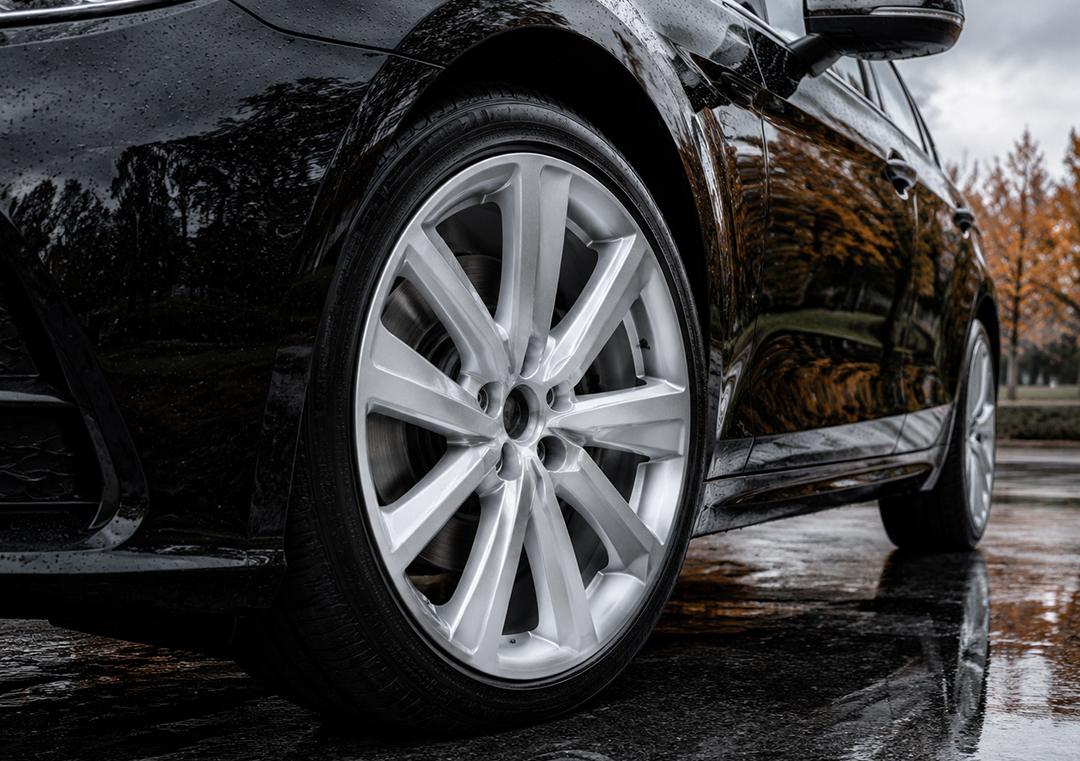
Custom alloy wheels are specialized aftermarket rims engineered from aluminum blended with secondary metals like magnesium or nickel. Unlike standard steel options, these wheels offer an optimal balance of structural strength, reduced weight, and design versatility.
They are engineered in a vast array of diameters, widths, offsets, spoke styles, and surface finishes, allowing drivers to tailor both the physical appearance and performance characteristics of their cars, trucks, or SUVs.
+-----------------------------------------------------------------------+
|                    Key Custom Alloy Wheel Benefits                    |
+---------------------------+-------------------------------------------+
| Feature                   | Advantage                                 |
+---------------------------+-------------------------------------------+
| Lightweight Construction  | Reduces unsprung weight for better output |
| Superior Heat Dissipation | Cools brakes to prevent thermal fade      |
| Design Diversity          | Custom finishes, concave profiles, spokes |
| Precise Fitment Options   | Optimized offset, PCD, and center bore    |
+---------------------------+-------------------------------------------+
2.Why Upgrade to Custom Alloy Wheels?
Upgrading your factory setup delivers measurable improvements in vehicle dynamics, cooling efficiency, and resale appeal.
1. Reduced Unsprung Weight and Rotational Mass
Unsprung weight refers to all components not supported by the vehicle’s suspension system, including the wheels, tires, brake assemblies, and wheel hubs.
-
Enhanced Suspension Responsiveness: Lighter wheels allow shock absorbers and springs to react faster to bumps and uneven road surfaces, keeping your tires firmly planted on the pavement.
-
Sharper Acceleration and Braking: Lower rotational mass requires less energy to spin up or slow down, giving your car a noticeably more agile feel when pressing the throttle or brake pedal.
2. Improved Brake Cooling and Thermal Efficiency
Aluminum alloys conduct heat far better than steel. Additionally, custom wheel designs typically feature open-spoke layouts that maximize airflow around your brake rotors and calipers. This rapid heat dissipation helps prevent brake fade during aggressive driving or mountain descents.
3. Personalized Styling and Stance
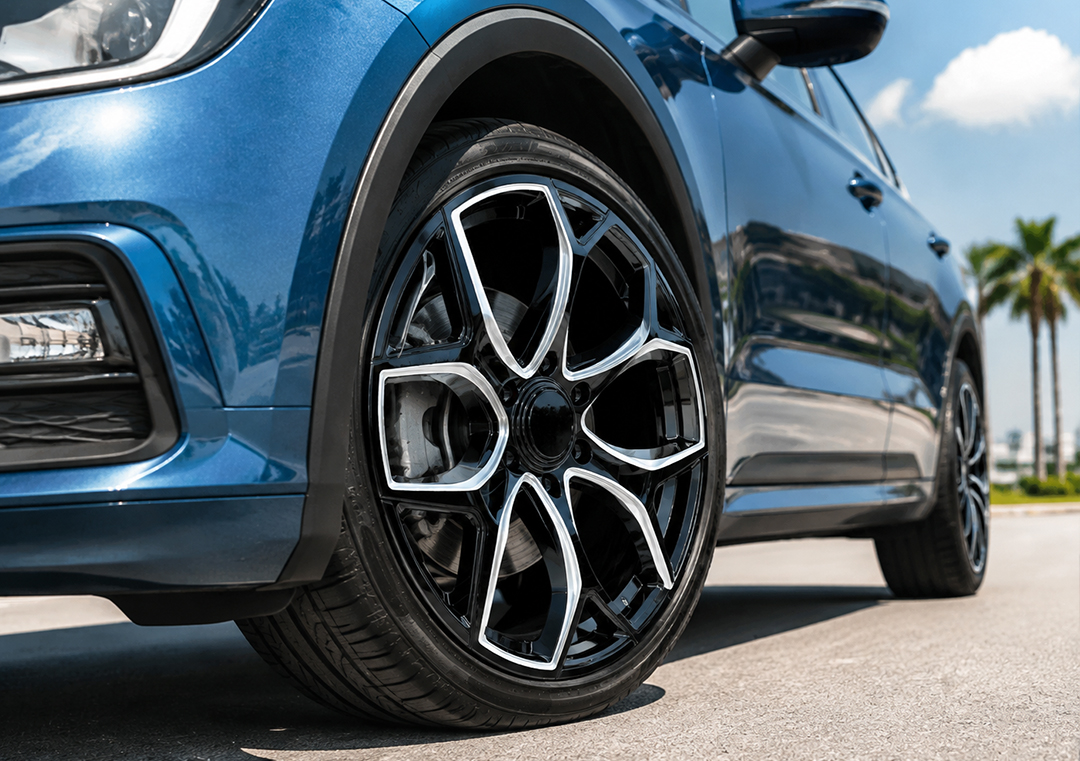
Factory wheels are designed to appeal to the average buyer, which often results in conservative designs and recessed fitments. Custom options allow you to choose precise finishes—such as gloss black, brushed bronze, hyper silver, or machined chrome—and flush alignments that align perfectly with your fenders.
3.Custom Alloy Wheels vs. Steel Wheels: Detailed Comparison
Choosing between aluminum alloy and traditional steel comes down to your specific driving conditions, budget, and performance goals.
| Feature / Metric | Custom Alloy Wheels | Traditional Steel Wheels |
|---|---|---|
| Primary Material | Aluminum alloyed with silicon/magnesium | Stamped heavy-gauge steel |
| Weight | Lightweight to moderate | Heavy |
| Structural Rigidity | High strength-to-weight ratio; resists flex | Prone to bending under severe impact |
| Handling Performance | Excellent responsiveness and turn-in | Basic, sluggish road feel |
| Brake Heat Dissipation | Exceptional airflow and thermal transfer | Poor airflow, traps heat |
| Aesthetic Variety | Endless designs, custom offsets, and finishes | Limited to basic painted faces or plastic covers |
| Corrosion Resistance | Highly resistant (when clear-coated properly) | Susceptible to surface rust if paint chips |
| Average Price | Mid-range to premium investment | Budget-friendly |
4.Manufacturing Methods: Cast vs. Flow-Formed vs. Forged
Not all custom wheels are produced the same way. Understanding manufacturing methods helps you balance strength, weight, and budget.
   [ Cast Alloy ]        -->  Poured liquid metal. Economical & stylish.
   [ Flow-Formed ]       -->  Cast center + pressure-spun barrel. Stronger & lighter.
   [ Forged Aluminum ]   -->  Solid block compressed under thousands of tons. Ultimate strength.
Cast Alloy Wheels
Molten aluminum is poured or vacuum-sucked into a shaped mold. Once cooled, the raw wheel is trimmed and CNC-machined.
-
Pros: Highly affordable, wide variety of intricate designs.
-
Cons: Heavier than other manufacturing styles; requires thicker material to ensure structural integrity.
Flow-Formed Alloys
Flow-forming begins with a specialized low-pressure cast blank. The wheel is then placed on a machine that spins and heats the outer barrel while specialized hydraulic rollers stretch and compress the aluminum.
-
Pros: Increases tensile strength in the barrel similar to a forged wheel, significantly lightens the rim, mid-tier pricing.
-
Cons: Slightly more expensive than standard cast wheels.
Forged Alloy Wheels
Forged wheels are crafted from a solid billet of aerospace-grade 6061-T6 aluminum. Intense heat and thousands of tons of hydraulic pressure compress the metal structure before the design is precision-machined out of the block.
-
Pros: Extreme structural integrity, lightest possible weight, highly customizable, built for racing and heavy load demands.
-
Cons: Premium price point.
5.Critical Fitment Parameters You Must Measure
Installing aftermarket rims without verifying structural fitment can cause tire rubbing, suspension clearance issues, speed error, or safety hazards. Here are the five key measurements you must double-check before purchasing:
                  Wheel Offset (ET) Diagram

              Outer Face          Inner Lip
                   |                  |
                   |    Centerline    |
                   |        |         |
     Zero Offset   |------->|         |  (ET = 0)
     Positive (+)  |--------|-->      |  (ET > 0, Hub moves outward)
     Negative (-)  |----->  |         |  (ET < 0, Hub moves inward)
                            |
                     [Mounting Surface]
1. Bolt Pattern (PCD – Pitch Circle Diameter)
The bolt pattern consists of two numbers: the number of lug holes and the diameter of the invisible circle they form (e.g., 5×112 or 5×120).
-
5 indicates the total count of lug studs.
-
112 or 120 represents the diameter of the bolt circle measured in millimeters.
2. Wheel Offset (ET)
Measured in millimeters, offset is the distance from the wheel’s true hub-mounting surface to its actual centerline:
-
Positive Offset (+ET): The mounting hub sits closer to the front face of the wheel. Common on modern front-wheel-drive and all-wheel-drive vehicles.
-
Zero Offset (ET0): The mounting hub sits flush with the wheel’s geometric centerline.
-
Negative Offset (-ET): The mounting hub sits deep toward the back of the wheel, pushing the outer face outward for a wide stance. Popular on off-road trucks and wide-body sports cars.
3. Center Bore (CB)
The center bore is the machined hole on the back of the wheel that sits directly on the vehicle’s axle hub.
-
Hub-Centric Wheels: The center bore matches your vehicle’s hub exactly, carrying the weight of the car evenly.
-
Lug-Centric Wheels: The center bore is larger than your car’s hub. These require hub-centric rings (polycarbonate or aluminum adapters) to prevent high-speed wheel vibration.
4. Wheel Diameter and Width
Expressed in inches (e.g., 18 x 8.5), the first number represents overall rim diameter across the face, while the second number defines the internal width between the tire bead seating flanges.
5. Load Rating
Every wheel carries a specific maximum load capacity rating stamped on its inner barrel. Always ensure the combined load rating of your four wheels exceeds your vehicle’s Gross Axle Weight Rating (GAWR).
6.How Custom Alloys Impact Vehicle Performance & Speedometer Calibration
Changing your wheel size directly affects your vehicle’s overall rolling radius, which influences steering effort, ride comfort, and instrument accuracy.
Plus-Sizing Strategy
“Plus-sizing” involves fitting a larger diameter wheel paired with a lower-profile tire while maintaining the overall rolling diameter of the original assembly.
  Factory Setup: 17" Wheel + Tall Tire Sidewall   --> Comfortable, absorbs road shock
  Plus-1 Setup:  18" Wheel + Medium Sidewall      --> Balanced comfort & sharper response
  Plus-2 Setup:  19" Wheel + Low Profile Sidewall --> Maximum cornering grip, firmer ride
Speedometer Accuracy
If you alter the overall rolling diameter of your tire and wheel combination by more than 3%, your speedometer and odometer will read incorrectly:
-
Larger Diameter Than Stock: Your speedometer reads slower than your actual speed.
-
Smaller Diameter Than Stock: Your speedometer reads faster than your actual speed.
Use an online tire size calculator or check with fitment experts to ensure your new wheel-and-tire setup stays within the safe 1% to 2% variance window of your original factory geometry.
7.Long-Term Maintenance and Care Procedures
To maintain the finish and structural integrity of your high-end custom wheels, follow a strict cleaning routine and perform routine seasonal inspections.
Cleaning Workflow
-
Cool Down First: Never spray cleaning solutions on hot wheels. Rapid temperature drops can warp rotors or crack clear-coat finishes.
-
Use pH-Neutral Cleaners: Avoid harsh acidic or strong alkaline wheel cleaners. Stick to dedicated pH-balanced wheel shampoos and soft microfiber brushes.
-
Wash Separately: Use a dedicated wash bucket, microfiber mitt, and soft lug-nut brush specifically for wheels to avoid transferring metallic brake dust onto your car’s delicate body paint.
-
Apply Protective Sealants: Apply a synthetic wheel wax, paint sealant, or professional ceramic coating every few months. This creates a hydrophobic barrier that repels harsh brake dust and road grime.
Regular Structural Inspections
-
Inspect for Hairline Cracks: Periodically wipe down the inner barrels and spokes to check for fatigue cracks, especially after hitting potholes or severe road debris.
-
Check Lug Torque: Re-torque your lug nuts or bolts to manufacturer specifications using a calibrated torque wrench after driving 50 to 100 miles on newly mounted wheels.
Frequently Asked Questions (FAQ)
1.What are custom alloy wheels?
Custom alloy wheels are aftermarket vehicle rims crafted from aluminum-based metal alloys. They are available in diverse sizes, structural offsets, spoke patterns, and finishes tailored to specific performance requirements and styling preferences.
2.How do I choose the right custom alloy wheels for my car?
To select the correct fitment, verify your vehicle’s exact bolt pattern (PCD), rim width, overall diameter, offset (ET), center bore diameter, and load rating. Always ensure adequate clearance for your brake calipers and inner suspension struts.
3.Are custom alloy wheels better than steel wheels?
Yes, for most driving conditions. Alloy wheels offer lighter weight, better vehicle agility, enhanced brake cooling, and far greater design variety. However, steel wheels remain a practical, low-cost choice for severe winter conditions or extreme heavy-duty work environments.
4.Can custom alloy wheels improve vehicle performance?
Yes. By reducing unsprung mass and rotational inertia, lightweight alloy wheels improve suspension response, sharpen steering turn-in, shorten braking distances, and offer slightly better acceleration dynamics.
5.How do I maintain custom alloy wheels?
Clean your wheels regularly using cool water, mild soap, and pH-neutral cleaners. Avoid automatic car washes with stiff bristles, wipe away corrosive brake dust promptly, and apply ceramic coatings or sealants to shield the surface finish from environmental damage.
Upgrade Your Ride Today
Ready to elevate your vehicle’s stance, handling response, and visual impact? Finding the perfect set of custom alloy wheels starts with selecting the right fitment specifications for your specific year, make, and model.
Explore our extensive selection of premium cast, flow-formed, and forged wheel lineups at ATK Wheels. Contact our technical fitment specialists today to secure the precise specs, custom offsets, and finishes engineered for your build!

