
Welds Wheels: What You Need to Know About Performance, Fitment and Street Use
Welds Wheels: What You Need to Know About Performance, Fitment and Street Use
When you line up at the staging tree or pull up to a local car meet, few components command immediate respect quite like a set of WELD wheels. Known throughout the automotive enthusiast community for iconic styling and serious drag-strip credibility, WELD Racing and street fitments have set structural standards for decades.
Whether you are aiming to trim unsprung weight to shave tenths off your quarter-mile ET, or you want a aggressive stance on the street, choosing the correct set of wheels involves more than picking a style you like. Understanding forged aluminum construction, offset math, beadlock mechanisms, and highway load ratings determines whether your setup performs cleanly or fails under load.
Below is an in-depth look at everything you need to know about WELD performance wheels, structural safety, maintenance practices, and selecting the optimal setup for your build.
1.The Engineering Behind WELD Wheels: Forged vs. Flow-Formed Construction
To understand why WELD wheels remain a top choice for high-horsepower builds, you have to look at the metallurgic manufacturing process. The strength-to-weight ratio of a wheel determines how well it handles intense rotational torque and sudden impact shock.
+-----------------------------------------------------------------------+
|                       GRAIN STRUCTURE COMPARISON                      |
+-----------------------------------------------------------------------+
|  CAST ALUMINUM               ROTARY-FORMED            FORGED 6061-T6  |
| (Random / Porous)         (Stretched Grain)        (Continuous Grain) |
|   .  :  *  .  :             ~ ~ ~ ~ ~ ~ ~             ================ |
|   :  *  .  :  *             ~ ~ ~ ~ ~ ~ ~             ================ |
|  (Brittle Structure)     (Dense Barrel)           (Maximum Integrity) |
+-----------------------------------------------------------------------+
Forged 6061-T6 Aluminum
The flagship lineup from WELD utilizes 6061-T6 forged aerospace-grade aluminum.
-
The Process: A solid block of aluminum billet is subjected to immense hydraulic pressure. This force reshapes the internal grain structure of the metal, aligning it continuously along the contours of the wheel face and rim barrel.
-
The Result: Elimination of internal micro-porosity, yielding extreme tensile strength. WELD forged wheels tolerate violent high-torque launches at the track while keeping rotational weight to a minimum.
Rotary-Formed (Flow-Formed) Options
Select entry-level street lines utilize rotary-forming technology.
-
The Process: The wheel center is cast, but the outer barrel is spun over a mandrel while high pressure is applied to heat and stretch the aluminum.
-
The Result: The barrel receives grain refinement similar to a forged unit, lowering weight and increasing impact strength compared to standard cast wheels, all at a lower price point.
WELD Wheel Construction Comparison
| Feature / Metric | Forged WELD Lines (e.g., RT-S, Delta) | Rotary-Formed WELD Street Series | Standard Cast Aftermarket Wheels |
|---|---|---|---|
| Primary Material | Forged 6061-T6 Aluminum | Flow-formed Cast Center / Forged Barrel | A356 Cast Aluminum |
| Tensile Strength | Extremely High (60,000+ PSI) | Moderate to High | Standard (30,000–35,000 PSI) |
| Weight | Ultra-lightweight | Moderate | Heavy |
| Primary Application | Drag racing, track, high-HP street setups | Daily performance driving, street builds | Entry-level appearance upgrades |
| DOT Street Approved? | Series dependent (RT-S: Yes / Race: No) | Yes | Typically Yes |
2.Are WELD Wheels Safe for Daily Driving?
A common question among performance enthusiasts revolves around daily street use. The short answer: It depends entirely on the specific product line.
                           WELD WHEEL USAGE SELECTION
                                       |
                   +-------------------+-------------------+
                   |                                       |
          [ STREET / STRIP ]                      [ FULL RACE DRAG ]
          (e.g., RT-S, Ventura)                  (e.g., AlumaStar, Delta-1)
                   |                                       |
         - DOT-Certified                         - NOT DOT-Approved
         - Thicker Barrels & Flanges             - Ultra-Thin Lightweight Barrels
         - Handles Potholes & Side Load          - NO Lateral Side-Load Resistance
                   |                                       |
         [ SAFE FOR DAILY STREET ]               [ TRACK ONLY / NO HIGHWAY ]
Street & Strip Collections (Daily Approved)
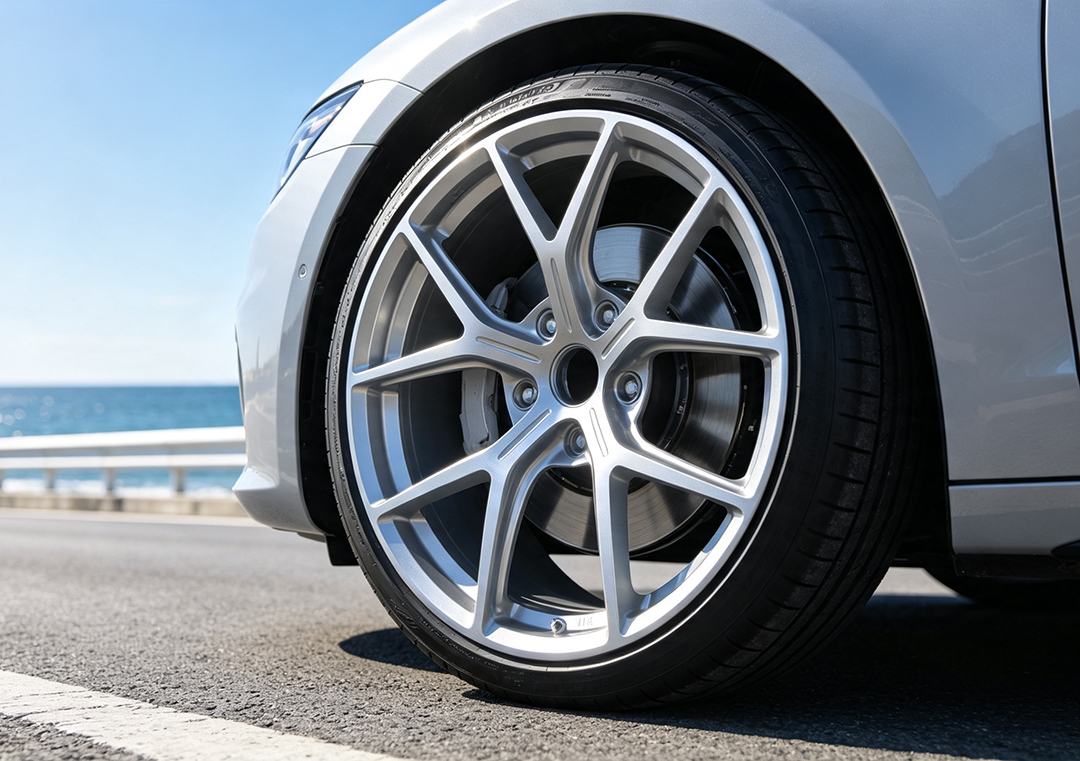
Lines like the RT-S (S71, S76, S77), Ventura, and Laguna are engineered specifically to balance track capability with street durability.
-
DOT Certification: These models are Department of Transportation (DOT) compliant.
-
Structural Integrity: Engineered with thicker rim flanges and spokes capable of absorbing highway bumps, potholes, and lateral cornering stresses.
-
Brake Clearance: Designed with variable clearance options (High, Medium, and Low pad heights) to clear large modern multi-piston aftermarket brake calipers.
Full-Race Drag Wheels (Track Use Only)
Pure racing series, such as the AlumaStar or Delta-1 lines, are designed with a single objective: absolute minimum weight for straight-line acceleration.
-
Zero Lateral Stress Tolerance: Race wheels feature thin aluminum barrels engineered purely for forward inertia. They lack the side-load strength required to make turns at speed or navigate uneven highway pavement.
-
Safety Hazard: Running full drag wheels on the street risks structural failure, rim lip bending, or cracking when hitting minor pavement defects or taking sharp turns.
3.Beadlock vs. Non-Beadlock WELD Wheels
If you are putting down significant horsepower, choosing between a beadlock and a non-beadlock rear setup is a critical decision.
       NON-BEADLOCK WHEEL                        BEADLOCK WHEEL
    +-----------------------+              +-----------------------+
    | Tire Bead             |              | Mechanical Ring       |
    |  (Held by air pressure|              |  (Clamped with bolts) |
    |   & friction only)    |              |                       |
    |      |                |              |     [====]            |
    |      v                |              |      |||              |
    | [Tire Slip Possible]  |              | [ZERO TIRE SLIP]      |
    +-----------------------+              +-----------------------+
Non-Beadlock Setups
-
How It Works: The tire bead rests against the internal lip of the wheel barrel, secured solely by air pressure and friction.
-
Best Use Case: Street driving, standard track days, and vehicles producing lower torque numbers where tire rotational slipping inside the rim is not a concern.
Single or Double Beadlock Setups
-
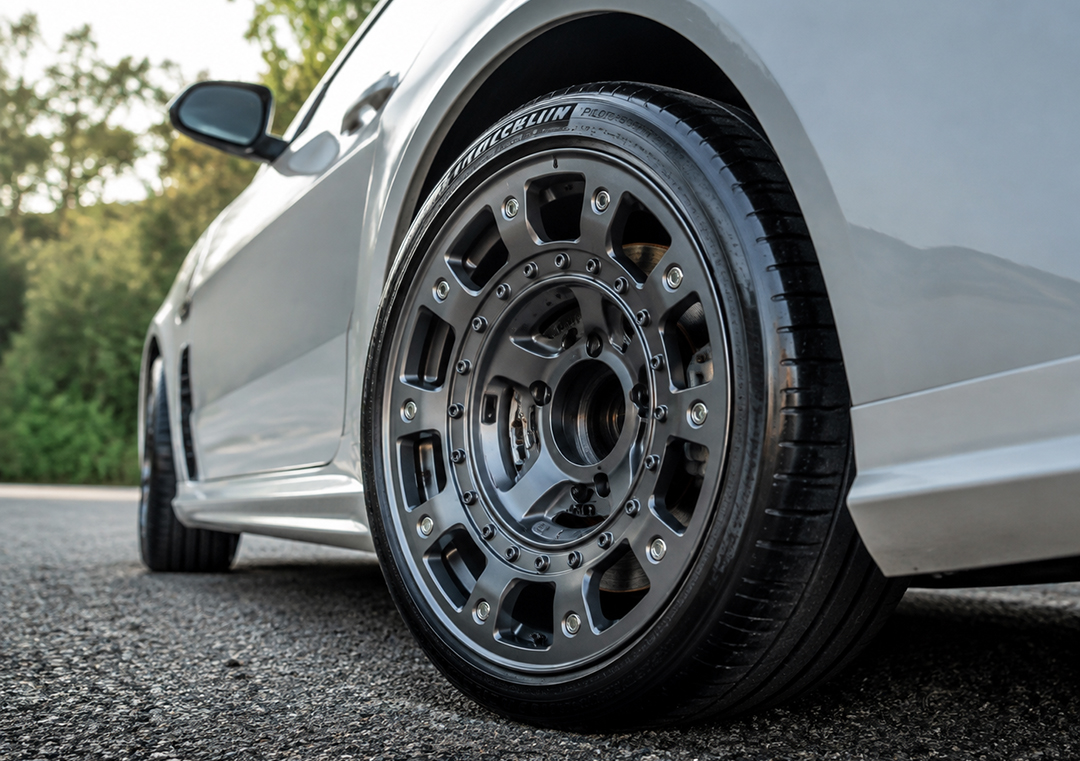
How It Works: A heavy-duty, knurled aluminum outer ring clamps the bead of the tire directly to the outer wheel flange using high-tensile hardware.
-
Why It Matters: When a high-horsepower drag car launches off a transbrake with low tire pressure (e.g., 8–12 PSI), immense torque can cause the wheel rim to spin inside the tire bead. This destroys balance, damages tire beads, and hurts launch times.
-
The Verdict: A beadlock physically locks the tire to the wheel, ensuring 100% of the rotational force transfers directly to the pavement without slippage.
4.Fitment & Mounting Secrets: Backspacing, Offsets, and Hardware
Achieving a clean stance without rubbing control arms or fender liners requires precise measurement. Mounting performance wheels involves specific steps that differ from standard passenger cars.
                     BACKSPACING VS. OFFSET DIAGRAM

                    |<------ Backspacing ------>|
                    |                           |
            +-------+---------------------------+-------+
            |       |           Center          |       |
            |       |           Line            |       |
            |       |             |             |       |
      Outside       |             |   Mounting  |       Inside
       Wheel        |             |     Pad     |        Wheel
       Face         |             |      |      |        Edge
            |       |             |      v      |       |
            +-------+-------------+------+------+-------+
                    |                    |
                    |<----- Offset ----->|
Understanding Backspacing and Offset
-
Backspacing: Measured in inches, this is the distance from the rear mounting pad of the wheel to the inside edge of the outer rim flange. It is the primary metric used in muscle car, drag, and hot rod fitments.
-
Offset: Measured in millimeters, this is the distance from the wheel’s centerline to its mounting face. Positive offset tucks the wheel inward; negative offset pushes it outward toward the fender.
Crucial Mounting Rules
Never Use Factory OEM Lug Nuts
WELD wheels are constructed with specialized lug pockets. Standard tapered factory lug nuts will not seat properly and can crush or crack the lug holes.
-
Mag Style / Shank Lug Nuts: Many traditional WELD drag setups require a shank-style lug nut with an attached washer to reach through the thick center hub section safely.
-
Conical Seats: Specific street lines utilize 60-degree conical seats. Always match the lug nut style specified for your wheel line.
Verify Thread Engagement
Ensure your wheel studs offer sufficient thread engagement (typically equal to the diameter of the stud itself, e.g., 1/2 inch of thread engagement for a 1/2-inch stud).
Hub-Centric vs. Lug-Centric Centering
If the wheel hub bore is larger than your vehicle’s hub snout, always install appropriate hub-centric rings to prevent vibration at higher speeds.
5.Wheel Repair & Maintenance: Can You Weld a Cracked Aluminum Wheel?
With heavy use, road hazards, or aggressive racing, aluminum wheels can occasionally sustain damage. A common question arises: Can you weld a cracked aluminum wheel to repair it?
                     REPAIRABILITY ZONE DIAGRAM
     +---------------------------------------------------------+
     | [ Barrel / Inner Lip ]  -->  SAFE TO TIG WELD (Minor)   |
     +---------------------------------------------------------+
     | [ Spokes / Face ]       -->  UNSAFE - REPLACE IMMEDIATELY|
     +---------------------------------------------------------+
     | [ Lug Hole Area ]       -->  UNSAFE - REPLACE IMMEDIATELY|
     +---------------------------------------------------------+
The answer depends on the location and severity of the damage:
When Welding Is Safe
-
Inner Lip / Barrel Cracks: Small hairline cracks located strictly on the inner barrel or smooth lip of the wheel can often be repaired safely. A qualified technician will grind out the crack, preheat the material, and perform a precision TIG weld (Tungsten Inert Gas) using compatible filler rod (typically 4043 or 5356 aluminum alloy).
When Replacement Is Mandatory
-
Spoke & Center Face Cracks: If a crack occurs on or near the spokes, center face, or bolt hole circle, do not attempt to weld it. These areas support dynamic load stresses. Welding disrupts the heat treatment of forged 6061-T6 aluminum, creating structural weak points that can lead to sudden wheel collapse.
-
Severely Bent Flanges: Excessive lateral distortion stretches the metal grain structure past its yield strength. Heat-softening the wheel to bend it back compromises structural safety.
6.Cleaning & Caring for Finish Options
Maintaining the appearance of your setup requires knowing how to clean the specific aluminum finish properly.
Polished Raw Aluminum
-
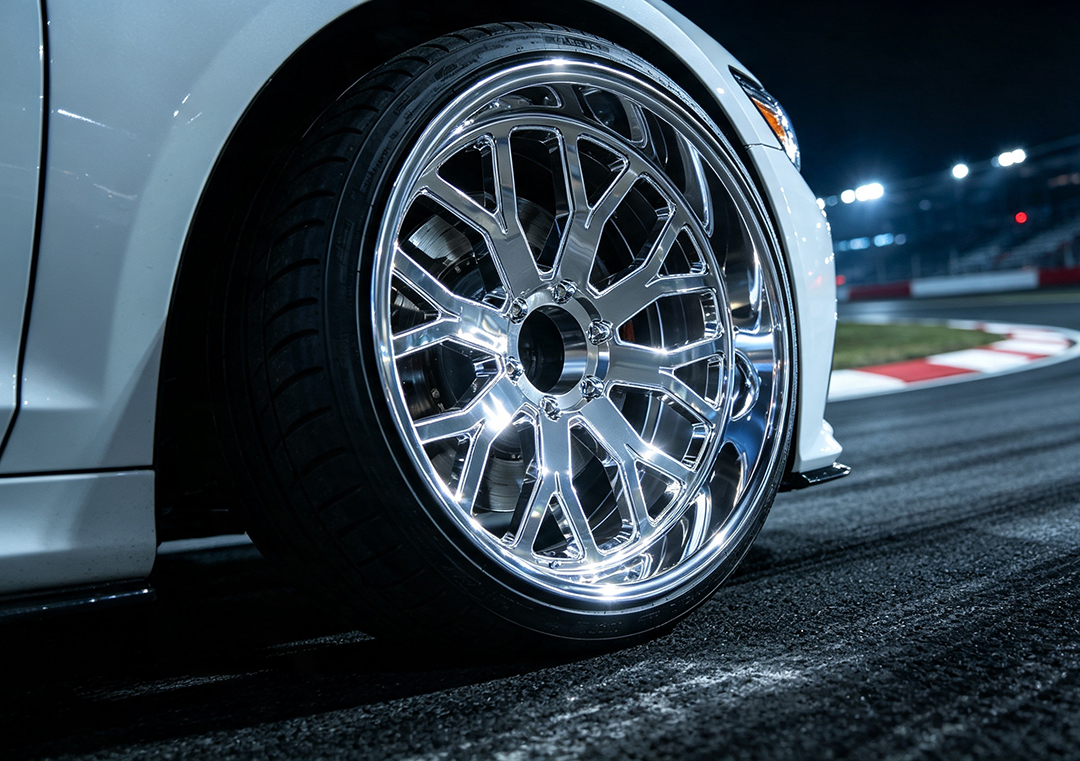
Characteristics: Has no protective clear coat. It offers a mirror finish but oxidizes over time when exposed to air, moisture, and brake dust.
-
Care Instructions: Never use acidic wheel cleaners. Clean exclusively with mild soap and water, then periodically polish using an aluminum metal polish to restore the shine.
Black Anodized or Powder-Coated Finishes
-
Characteristics: Features a protective surface layer that resists corrosion and brake dust etching.
-
Care Instructions: Avoid harsh chemical degreasers or abrasive scrub brushes. Wash with pH-neutral car soap and microfiber towels to prevent fine scratches in the finish.
Frequently Asked Questions(FAQ)
1.Are WELD wheels forged or cast?
WELD wheels are primarily forged from 6061-T6 aluminum, making them exceptionally lightweight and strong enough to withstand high horsepower. While their high-performance race and street lines (such as RT-S) are forged, select entry-level street series utilize rotary-formed (flow-formed) construction.
2.Are WELD wheels safe for daily driving?
Yes, but only specific series. WELD’s Street & Strip collection (e.g., RT-S, Ventura, Laguna) is DOT-certified and engineered for street use. However, their full-race drag wheels are designed strictly for track lightweight performance and lack the lateral strength required for daily road conditions.
3.Can you weld a cracked aluminum wheel?
Yes, but only minor structural damage. Cracks located on the inner lip or barrel can be safely repaired using TIG welding by a professional. However, cracks on the spokes, wheel face, or near the lug holes compromise structural integrity and require immediate wheel replacement.
4.What is the difference between beadlock and non-beadlock WELD wheels?
Beadlock WELD wheels use a mechanical outer ring to physically clamp the tire bead to the wheel, preventing tire slip during high-torque launches at low PSI. Non-beadlock wheels rely solely on air pressure to hold the tire and are designed for standard street and performance driving.
5.Can I use factory lug nuts on WELD wheels?
No. WELD wheels require aftermarket lug nuts designed specifically for their mounting seat—typically shank-style (mag seat) with washer combinations or specific conical seats. Using OEM factory lug nuts can cause improper seating, wheel damage, or looseness while driving.
Final Thoughts: Upgrade Your Build with Confidence
Equipping your vehicle with WELD wheels instantly elevates its performance, structural strength, and street presence. By matching the wheel series to your driving habits—whether cruising on weekends, carving turns, or launching at the drag strip—you ensure optimal handling and safety. Always double-check your backspacing, clearance requirements, and mounting hardware before torquing down your set.
Ready to find the ideal fitment for your vehicle? Check out the full lineup of high-performance drag and street fitments at ATK Wheels to get expert support, verified vehicle applications, and fast shipping on your next upgrade!

