Custom Wheels and Rims: What You Need to Know Before Upgrading
Custom Wheels and Rims: What You Need to Know Before Upgrading
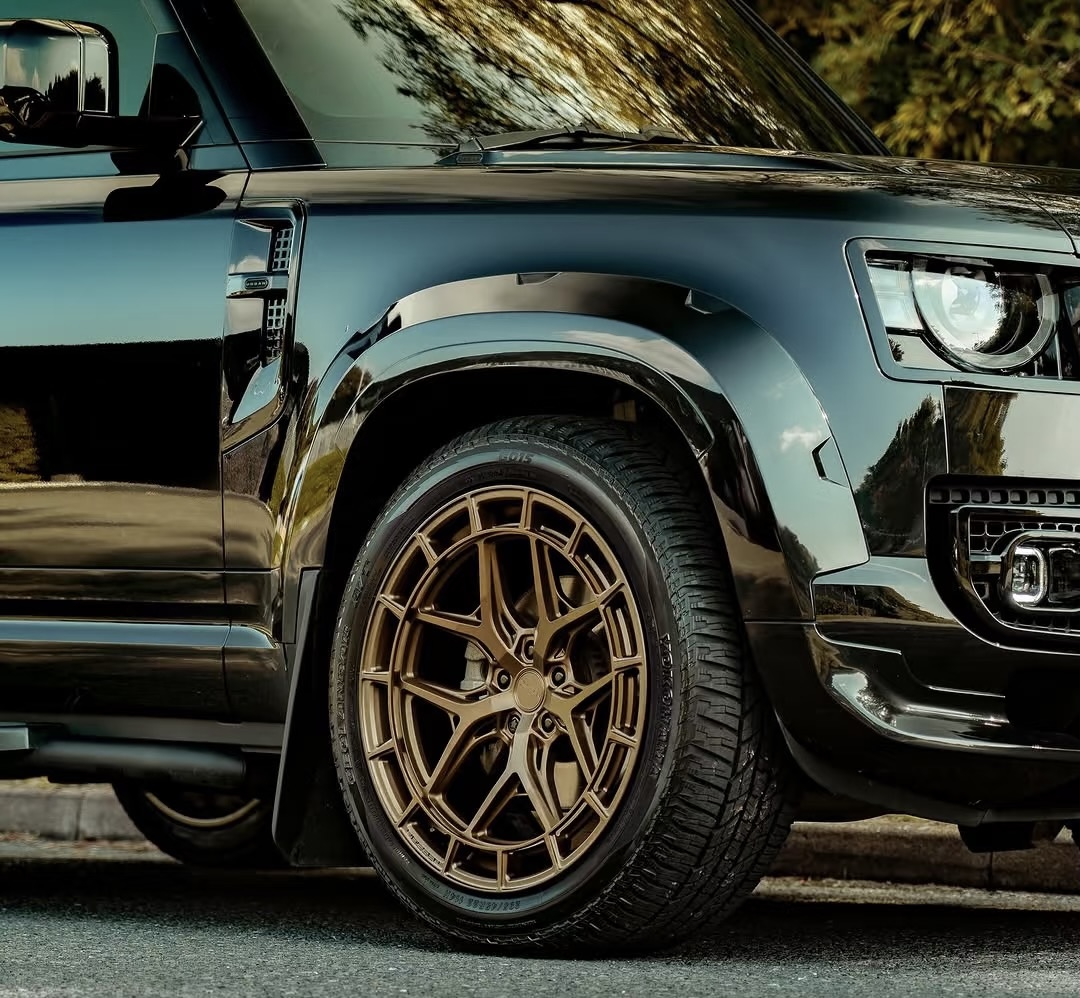
Swapping out factory rollers for aftermarket custom wheels and rims remains the single most effective modification you can make to your ride. Beyond delivering an aggressive stance that turns heads at every intersection, a proper set of custom aluminum wheels redefines how your vehicle accelerates, corners, and stops.
However, diving into the aftermarket wheel space requires more than picking an appealing mesh or multi-spoke design. Choosing the wrong offset, bolt pattern, or manufacturing process can compromise safety, ruin ride quality, or cause costly clearance issues against your brake calipers and fender liners.
Whether you drive a lifted truck, a daily-driven sedan, or a high-horsepower muscle car, this breakdown covers the engineering, fitment metrics, and manufacturing standards needed to select the ideal aftermarket wheels.
1.Defining Custom Wheels and Rims: Understanding the Terminology
Car enthusiasts and casual drivers alike often use the terms wheels and rims interchangeably, but from a technical automotive engineering standpoint, they represent distinct parts of a single assembly.
Custom Wheels vs. Custom Rims: What Is the Difference?
Strictly speaking, the rim is only the outer edge of a wheel that holds the tire in place and forms an airtight seal with the tire bead. The wheel refers to the complete metal unit, which includes the rim barrel, spokes, center bore, and mounting hub. However, in popular car culture and everyday shop talk, both terms are frequently used to describe the entire setup.
+-------------------------------------------------------------+
|                        COMPLETE WHEEL                       |
|                                                             |
|  +-------------------+  +----------------+  +------------+  |
|  |     RIM BARREL    |  |  SPOKES & HUB  |  | CENTER BORE|  |
|  | (Outer Edge Seals |  | (Structural    |  | (Mounts to |  |
|  |    Tire Bead)     |  |  Center Unit)  |  |  Axle Hub) |  |
|  +-------------------+  +----------------+  +------------+  |
+-------------------------------------------------------------+
Understanding this distinction helps when communicating with custom wheel manufacturers or specifying custom offset options for specialized builds.
2.How Custom Wheels Impact Vehicle Performance and Gas Mileage
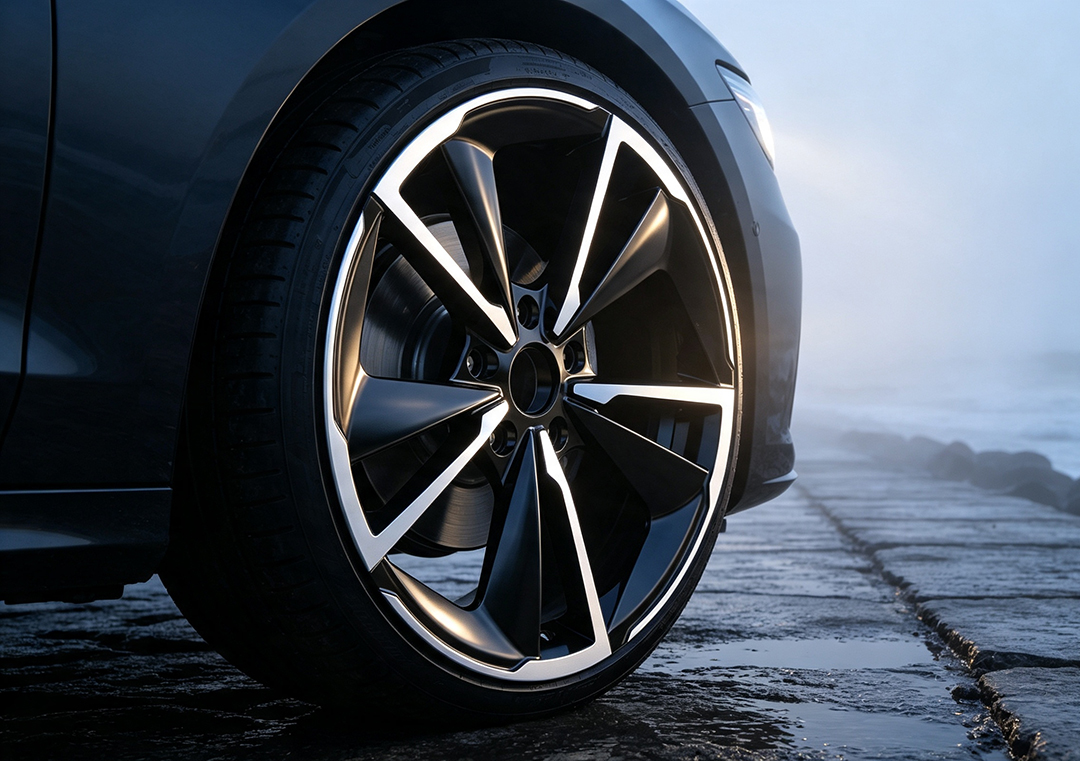
Upgrading to custom wheels and rims goes far deeper than visual appeal. The total weight and dimensional changes of your new setup directly affect drivetrain efficiency, braking response, and fuel economy.
Unsprung Weight and Rotational Mass
Unsprung weight refers to any component not supported by your vehicle’s suspension springs—including tires, brakes, control arms, and wheels.
When you reduce unsprung weight by upgrading to lightweight forged custom rims, you lower the engine effort required to spin the assembly.
-
Sharper Handling: Dampers control wheel motion easily over bumps, keeping tires glued to the pavement.
-
Faster Acceleration: Reduced rotational mass means quick revs and immediate throttle response.
-
Shorter Braking Distances: Less rotational inertia allows brake pads to clamp down and bring the vehicle to a halt rapidly.
Fuel Efficiency Considerations
Does upgrading aftermarket rims lower your miles per gallon? It depends on your selection:
-
Sizing Up (Plus-Sizing): Moving from a factory 17-inch wheel to a heavy 22-inch cast setup increases rolling resistance and rotational inertia, causing your engine to burn more fuel during stop-and-go driving.
-
Lightweight Upgrades: Swapping heavy OEM cast aluminum units for high-grade rotary forged or fully forged options lowers overall weight, preserving or even improving city gas mileage.
3.Wheel Manufacturing Methods: Forged vs. Cast vs. Flow Formed
The construction method determines a wheel’s structural integrity, impact resistance, overall weight, and price tag. Modern aftermarket aluminum wheels generally fall into three manufacturing categories.
+----------------------------------------------------------------------+
|                  MANUFACTURING PROCESS COMPARISON                    |
|                                                                      |
|   CASTING                   FLOW FORMING             FORGING         |
|  +--------------+          +--------------+       +-----------------+|
|  | Molten Metal |          | Cast Preform |       | Solid Aluminum   |
|  | Poured into  |    ==>   | Spun under   |  ==>  | Block Pressed    |
|  | Mold         |          | Heat/Pressure|       | under 10k+ Tons  |
|  +--------------+          +--------------+       +-----------------+|
|    Heavy / Soft              Strong / Light         Ultimate Strength|
+----------------------------------------------------------------------+
1. Cast Aluminum Wheels
Casting involves pouring molten aluminum into a mold. Once cooled, the wheel is trimmed and finished.
-
Gravity Casting: The simplest method, relying on gravity to fill the mold. It results in a denser, heavier wheel.
-
Low-Pressure Casting: Uses pressure to force liquid metal into the mold faster, reducing porosity and producing a stronger unit than gravity casting.
2. Flow Formed / Rotary Forged Wheels
Flow forming begins as a low-pressure cast preform. The outer rim barrel is then spun, heated, and stretched using high-pressure rollers. This process aligns the aluminum grain structure, yielding a thin, exceptionally durable barrel with strength characteristics close to a fully forged wheel at a fraction of the cost.
3. Fully Forged Custom Wheels
Forged wheels begin as a solid billet block of 6061-T6 aerospace-grade aluminum. Subjected to extreme heat and thousands of tons of hydraulic pressure, the metal’s grain structure is crushed into a dense, continuous line pattern. Machinery then CNC-mills the final pattern out of the forged block.
Manufacturing Process Comparison
| Feature | Cast Wheels | Flow Formed Wheels | Fully Forged Wheels |
|---|---|---|---|
| Material Density | Moderate / Variable | High (in barrel) | Exceptional throughout |
| Weight Ratio | Heavy | Lightweight | Ultra-Lightweight |
| Impact Resistance | Standard | High | Maximum structural durability |
| Customization Options | Limited to mold designs | Standard size options | Fully custom offsets, widths, finishes |
| Price Point | Budget-Friendly | Mid-Range Value | Premium Investment |
For enthusiast setups that demand zero structural compromise under high load, engineered solutions like those from ATK Wheels deliver precise fitments built around high-strength material profiles.
4.5 Fitment Specifications Every Owner Must Measure
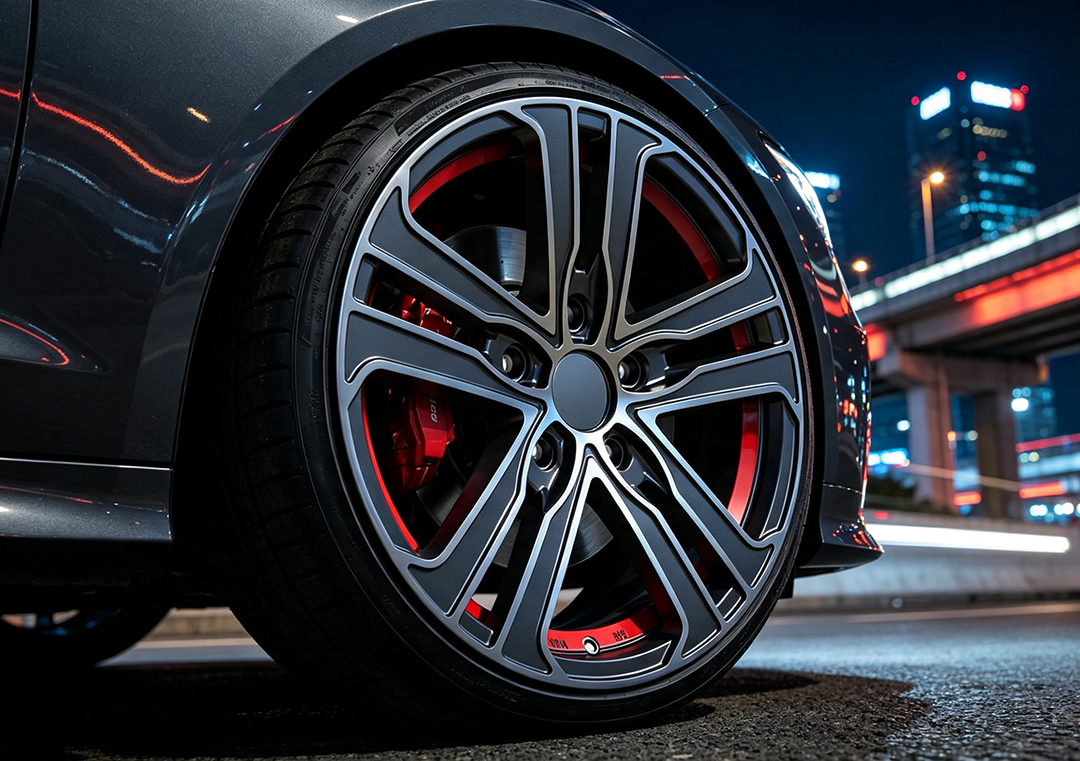
Avoiding fitment issues like fender rubbing, strut contact, or vibration requires matching five essential structural specs with your vehicle’s factory setup.
       [ WHEEL CROSS-SECTION FITMENT DIAGRAM ]

                 Outer Lip Edge
                    |
  +-----------------|-----------------+
  |                 v                 |  <-- Rim Diameter
  |          +-------------+          |
  |          |  Wheel Hub  |          |
  |  +-------+---  [+]  ---+-------+  |
  |  |           |     |           |  |
  +--|-----------|-----|-----------|--+
     |           |<--->|           |
     |          Center Bore        |
     |                             |
     |<-------- Backspacing ------>|
     |                             |
     |<------ Width ------>|
1. Bolt Pattern (Pitch Circle Diameter / PCD)
The bolt pattern consists of the bolt count and the diameter of the imaginary circle they form. For example, a 5×114.3 pattern means 5 lug holes arranged on a 114.3mm circle. Always match your hub pattern exactly unless using engineered hub-centric adapters.
2. Wheel Diameter and Width
Expressed in inches (e.g., 19×9.5), diameter spans the face, while width measures the distance between the inside of the front and rear rim lips. Width dictates the tire section size you can run safely without excessive stretching or bulging.
3. Offset (ET)
Offset is the distance in millimeters from the wheel’s true centerline to its mounting pad surface:
-
Positive Offset (+ET): The mounting pad sits closer to the front face, pulling the wheel inward toward the suspension (common on modern FWD and AWD cars).
-
Negative Offset (-ET): The mounting pad sits deep toward the back, pushing the wheel outward past the fenders (popular on lifted trucks and aggressive widebody stances).
-
Zero Offset (ET0): The mounting pad aligns directly with the wheel’s centerline.
4. Backspacing
Measured in inches from the backside of the mounting flange to the inner rim edge, backspacing determines how much room remains for internal components. Crucial for lifted trucks and classic muscle builds, proper backspacing prevents contact with control arms and tie rods.
5. Center Bore and Hub-Centric Rings
The center bore is the machined hole behind the wheel hub center that sits over your vehicle’s axle ledge.
-
Hub-Centric Wheels: The center bore matches your vehicle’s hub diameter exactly, centering the wheel perfectly on the axle to eliminate high-speed vibrations.
-
Lug-Centric Wheels: The center bore is larger to fit multiple vehicle applications, relying on tapered lug nuts for alignment. Using hub-centric rings is recommended to fill the gap and prevent highway-speed wheel wobble.
5.Style, Finishes, and Care: Preserving Modern Custom Rims
The finish you choose sets the visual tone of your build while requiring specific maintenance routines to prevent corrosion and damage from road salt, brake dust, and debris.
Popular Finishes
-
Gloss Black & Satin Powder-Coating: Durable against environmental elements, offering a sleek, stealthy look that cleans easily.
-
Machined Face: Combines painted inner pockets with a precision CNC-cut metal surface sealed under a clear coat for high visual contrast.
-
Brushed Aluminum: Features hand-brushed grain textures coated in tinted clear lacquers for a refined, modern metal aesthetic.
-
PVD & Black Chrome: Physical Vapor Deposition (PVD) delivers the shine of traditional chrome without the flaking, weight, or environmental hazards associated with old-school electroplating.
Maintenance Tips for Custom Aftermarket Wheels
-
Never Wash Hot: Always let your brakes and wheels cool before spraying water to avoid warping rotors or thermal-shocking hot clear coats.
-
Use pH-Neutral Cleaners: Skip harsh acid-based wheel cleaners that eat away at clear-coat seals and anodized lug nuts. Stick to mild auto soaps and dedicate microfiber brushes to removing baked-on brake dust.
-
Apply a Ceramic Coating: Coating custom wheels with a high-heat hydrophobic ceramic layer seals micro-pores, allowing brake dust to wash away using simple pressure washing.
Frequently Asked Questions(FAQ)
Q1: What is the difference between custom wheels and custom rims?
Strictly speaking, the rim is only the outer edge of a wheel that holds the tire in place. The wheel refers to the entire metal unit, including the rim, spokes, and center hub. However, in popular car culture, both terms are often used interchangeably.
Q2: Will custom wheels and rims affect vehicle performance and gas mileage?
Yes. Upgrading to lighter forged custom wheels reduces unsprung weight, which improves acceleration, handling, and fuel efficiency. Conversely, oversized or heavier custom rims increase rolling resistance and weight, which can lower your gas mileage and cause a stiffer ride.
Q3: How do I know if custom wheels will fit my vehicle correctly?
To ensure a proper fit, you must match five key specs with your vehicle’s factory parameters: bolt pattern (PCD), wheel size (diameter and width), offset (ET), backspacing, and center bore size.
Q4: Are forged custom wheels better than cast custom wheels?
Yes, forged wheels are superior in strength and weight reduction because they are crafted from a solid block of aluminum under extreme pressure. Cast wheels are made by pouring molten metal into molds, making them heavier and less durable, but much more budget-friendly.
Q5: Will installing aftermarket custom wheels void my manufacturer warranty?
No. Under laws like the Magnuson-Moss Warranty Act (in the US), installing aftermarket custom wheels does not automatically void your vehicle’s overall warranty. The dealership must explicitly prove that the custom wheel directly caused a specific component failure to deny a warranty claim.
Upgrade Your Stance with Precision Fitment
Finding the ideal balance of aggressive design, reduced unsprung weight, and tailored fitment transforms your vehicle’s look and drive. Whether you are building an off-road overland setup, upgrading your daily driver, or setting up a track vehicle, investing in quality construction pays off over every mile.
Explore engineered fitments, custom finishes, and durable aftermarket designs built for performance over at ATK Wheels to find the precise set tailored to your machine.