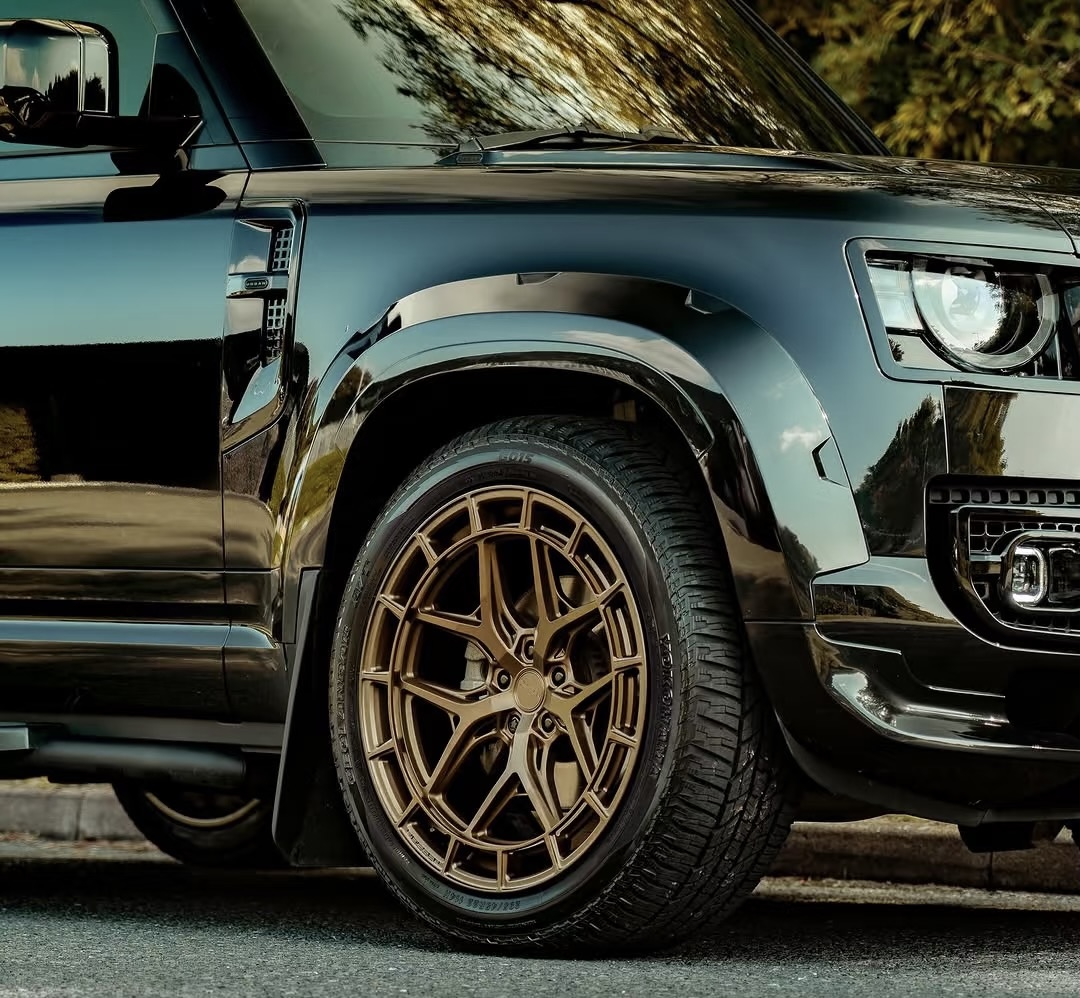
Luxury Rims: Premium Style Meets Engineering
Luxury Rims: Premium Style Meets Engineering
Upgrading your vehicle with a set of high-end wheels is one of the most transformative modifications you can make. Beyond mere aesthetics, luxury rims define your vehicle’s stance, optimize handling dynamics, and reflect a personal standard of automotive excellence. Whether you drive a European sport sedan, a high-performance supercar, or an executive luxury SUV, selecting the right custom wheels requires a balance of precise fitment engineering, advanced metallurgy, and sophisticated styling.
1.What Defines True Luxury Rims?
Standard factory wheels are designed for broad mass appeal, cost-efficiency, and basic structural utility. In contrast, premium aftermarket wheels are engineered for enthusiasts who demand uncompromised structural integrity, reduced weight, and tailored fitments.
Materials and Structural Integrity
Standard wheels on baseline vehicles are typically cast aluminum. Cast wheels are made by pouring molten aluminum into a mold. While cost-effective, cast aluminum contains microscopic porosity and requires extra material thickness to achieve adequate strength, resulting in heavy, rigid wheels.
Premium custom wheels utilize high-grade 6061-T6 aerospace aluminum alloys. These alloys are subjected to extreme pressure during manufacturing, creating an intensely dense grain structure free of internal voids. This metallurgical superiority enables wheel engineers to sculpt intricate spoke designs that maintain maximum structural rigidity while significantly reducing overall mass.
Custom Finishes and Craftsmanship
The finishing process separates mass-market offerings from elite custom wheels:
-
Multi-stage Powder Coating: Provides extreme weather resistance and durable color depth.
-
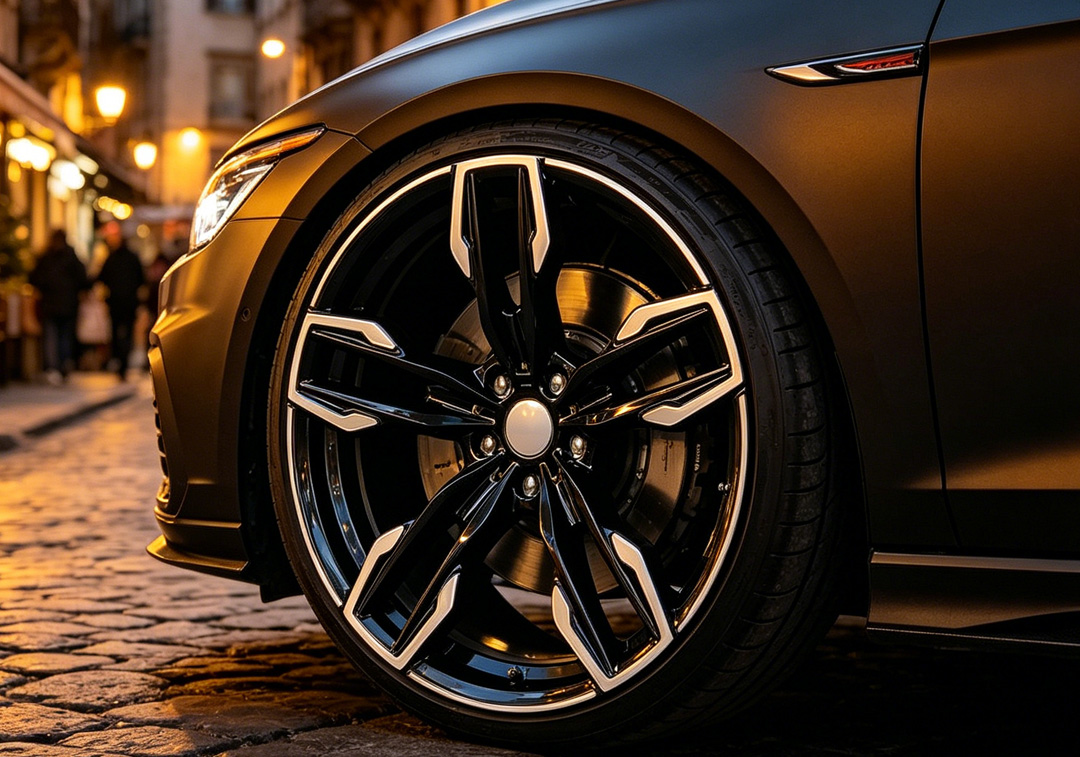
Hand-Brushed and Polished Surfaces: Features artisan detail where human craftsmanship highlights the natural luster of raw aluminum.
-
Dual-Tone and Anodized Accents: Delivers bespoke aesthetic combinations designed to complement specific vehicle paint codes and carbon fiber trim package packages.
2.Luxury Rims vs. Standard Alloy Wheels
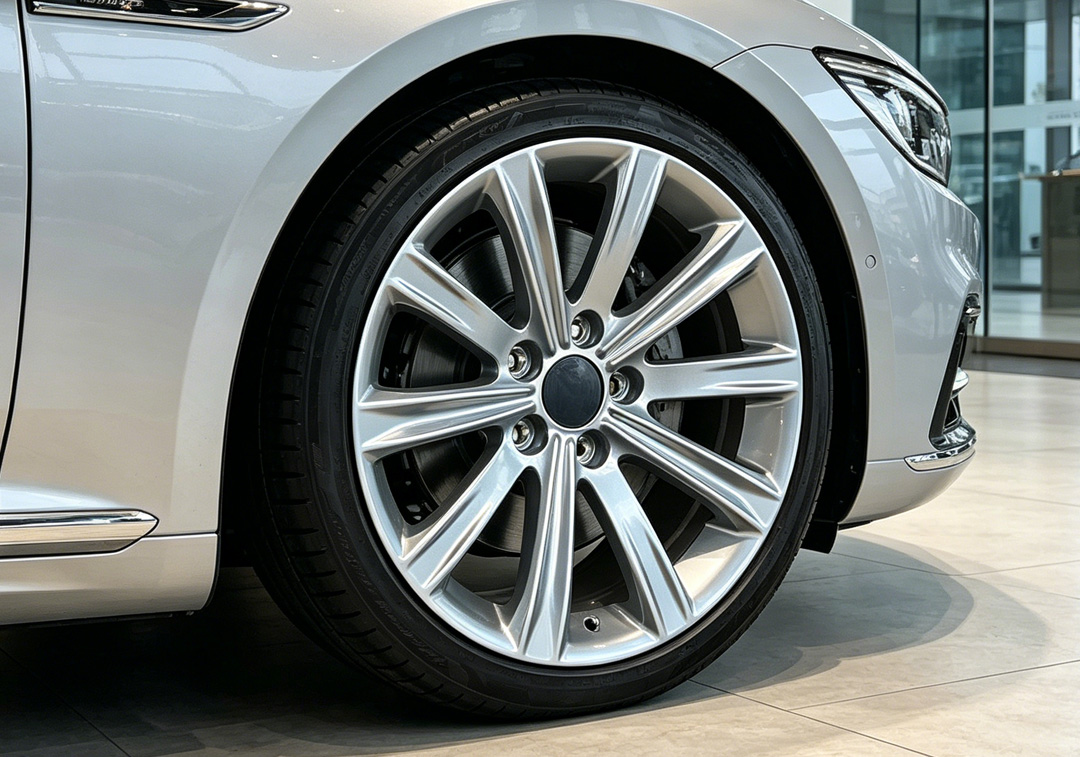
Understanding the exact physical and performance distinctions between standard cast wheels and premium forged rims ensures you make an informed investment.
| Feature / Attribute | Standard Alloy Wheels | Premium Luxury Rims |
| Manufacturing Process | Gravity or Low-Pressure Casting | Monoblock Forged or Flow-Formed |
| Primary Material | Standard Automotive Aluminum Alloy | Aerospace 6061-T6 Forged Aluminum |
| Weight Characteristics | Heavy; High Unsprung Mass | Lightweight; Reduced Rotational Mass |
| Structural Strength | Moderate; Prone to Cracking under Heavy Impact | Superior Tensile Strength; Flex-Resistant |
| Fitment Accuracy | Generic Mass-Market Offsets | Vehicle-Specific Custom Offset & Bolt Patterns |
| Finish Options | Basic Silver/Black Paint & Clear Coat | Custom Brushed, Polished, Powder-Coated & Bespoke Colors |
3.Advanced Manufacturing Methods Explained
When selecting custom forged wheels, the manufacturing process directly influences structural strength, performance capabilities, and structural durability.
Monoblock Forged Process
Monoblock (1-piece) forged wheels are carved from a single solid block of 6061-T6 aluminum using advanced CNC machinery.
-
Key Advantages: Exceptional structural strength, ultra-lightweight architecture, and uniform structural density.
-
Best Suited For: Track-oriented sports cars and high-performance sedans requiring maximum stiffness and minimal weight.
Multi-Piece Forged Architecture (2-Piece and 3-Piece)
Multi-piece wheels assemble separate components—such as the inner barrel, outer lip, and central face—using ultra-high-strength titanium hardware.
-
Key Advantages: Endless customization options, including deep-lip profiles, variable widths, and modular repairability if a lip suffers curb damage.
-
Best Suited For: Stance builds, widebody exotic cars, and luxury SUVs seeking dramatic concavity and ultra-wide profiles.
Flow-Formed Technology
Flow-forming blends casting with high-pressure rolling technology. The central wheel face is cast, and the inner barrel is spun under heat and pressure to stretch the aluminum.
-
Key Advantages: Stronger and lighter than conventional cast wheels at an accessible price point.
-
Best Suited For: Daily-driven luxury sedans and crossover utility vehicles seeking a performance upgrade without full forged pricing.
4.How Upgrading Your Wheels Transforms Driving Dynamics
Replacing heavy factory wheels with lightweight forged alternatives delivers tangible mechanical performance benefits across every driving metric.
+-----------------------------------------------------------------+
|                       REDUCED UNSPRUNG MASS                     |
+-----------------------------------------------------------------+
                                 |
        +------------------------+------------------------+
        |                                                 |
        v                                                 v
+-------------------------------+               +-------------------------------+
|    FASTER ACCELERATION &      |               |     IMPROVED SUSPENSION       |
|    BRAKING RESPONSIVENESS     |               |    TRACKING & RIDE QUALITY   |
+-------------------------------+               +-------------------------------+
Unsprung Mass Reduction
Unsprung mass refers to the components of a vehicle not supported by the suspension system, including the wheels, tires, brake assemblies, and wheel bearings.
Reducing unsprung weight allows suspension components to react faster to road imperfections. The tires maintain consistent contact with the pavement over bumps, resulting in sharper turn-in response, reduced body roll in aggressive corners, and improved overall stability.
Rotational Inertia and Energy Efficiency
Because wheels rotate, every pound saved on a wheel yields an operational dynamic benefit far greater than saving a static pound inside the cabin. Lower rotational inertia means your engine uses less energy to spin the wheels forward, while your braking system requires less force to bring the vehicle to a complete halt.
5.Master Fitment: Finding the Perfect Setup
Achieving a clean stance without rubbing suspension components or fender liners requires precise technical measurements. High-end vehicle manufacturers design generous wheel wells, but installing custom luxury rims demands strict attention to four core technical dimensions.
       [ WHEEL CROSS-SECTION FITMENT DIAGRAM ]

                 Outer Fender Line
                        |
                        v
               +-----------------+   <-- Rim Width
               |   Wheel Face    |
               |   |             |
               |   |  Offset     |
               |   |<------->|   |
               |   |  (ET)   |   |
               +---|---------|---+
                   |         |
                   |         +---> Mounting Hub Surface
                   v
              Centerline
Bolt Pattern (PCD)
The Pitch Circle Diameter (PCD) measures the number of lug holes and the diameter of the imaginary circle they form (e.g., 5×112 for Audi/Mercedes-Benz, 5×120 for BMW, 5×130 for Porsche). Matching the exact PCD ensures safe torque distribution across all studs.
Wheel Offset (ET)
Wheel offset is the distance from the wheel’s true mechanical centerline to its hub-mounting surface, measured in millimeters:
-
Positive Offset: The mounting surface sits closer to the outer wheel face, pulling the wheel inward toward the suspension.
-
Negative Offset: The mounting surface sits closer to the back edge of the wheel, pushing the outer lip outward toward the fender edge.
Center Bore & Hub-Centric Engineering
Universal wheels use generic center bore diameters paired with plastic hub rings, which can lead to high-speed vibrations. Premium forged wheels are custom-milled to be hub-centric, matching your specific vehicle’s hub lip diameter precisely to guarantee vibration-free high-speed travel.
Brake Caliper Clearance
Modern high-performance vehicles feature large multi-piston Brembo or carbon-ceramic brake packages. Custom wheels require optimized spoke profiles and barrel contours to accommodate large calipers without requiring unsightly wheel spacers.
6.Essential Maintenance for Custom Finished Wheels
Preserving the factory finish of bespoke wheels requires dedicated detailing practices tailored to delicate metal treatments.
Washing Protocol
-
Use pH-Neutral Wheel Cleaners: Avoid acidic or high-alkaline degreasers that strip protective clear coats or discolor anodized titanium hardware.
-
Dedicated Microfiber Tools: Clean spoke faces and inner barrels using soft plush microfiber mitts and non-abrasive wheel brushes.
-
Cool Touch Application: Always allow your brakes and wheels to cool down completely before spraying water or cleaning solutions to avoid thermal shock and water-spot etching.
Protective Coatings
Applying a high-temp ceramic coating directly to your wheels creates a hydrophobic chemical barrier. Ceramic coatings prevent harsh metallic brake dust from burning into clear coats and make routine wash cycles fast and simple.
Frequently Asked Questions(FAQ)
1.What is the primary difference between luxury rims and standard alloy wheels?
Luxury rims are manufactured using high-grade forged or flow-formed 6061-T6 aluminum, yielding superior structural strength, lower unsprung weight, and custom finishes. Standard alloy wheels are generally low-pressure cast, heavier, and mass-produced in standardized off-the-shelf fitments.
2.What are the best manufacturing methods for custom rims?
Monoblock forged and multi-piece forged (2-piece and 3-piece) processes represent top automotive industry standards. Forging compresses solid aluminum alloy under high mechanical pressure, producing lightweight rims with maximum structural tensile strength and design flexibility.
3.Do larger custom rims affect vehicle performance and ride quality?
Yes. Installing lightweight custom rims reduces overall unsprung mass, improving acceleration response, cornering control, and braking distance. However, pairing larger diameter wheels with ultra-low-profile tires reduces tire sidewall cushion, resulting in a slightly firmer ride over uneven pavement.
4.How do I ensure custom rims fit my specific vehicle properly?
You must verify four critical technical specifications: Bolt Pattern (PCD), Wheel Offset (ET), Center Bore diameter, and brake caliper clearance. Top aftermarket wheel brands provide custom hub-centric vehicle-specific fitment measurements to eliminate high-speed wheel vibration and fender contact.
5.How should custom-finished luxury rims be cleaned and maintained?
Clean custom wheels using pH-neutral automotive soaps, soft microfiber towels, and dedicated soft wheel brushes to protect clear powder coats, brushed aluminum, or hand-polished finishes. Avoid drive-through automatic car washes and harsh acid-based chemicals.
Transform Your Vehicle Today
Your vehicle deserves a setup that matches its engineering sophistication. Custom-engineered luxury rims optimize handling response, elevate visual stance, and express personal style on every turn.
Ready to upgrade your vehicle’s fitment? Explore high-performance forged collections, review bespoke finish options, and consult with wheel fitment specialists at ATK Wheels to engineer your custom wheel setup today.