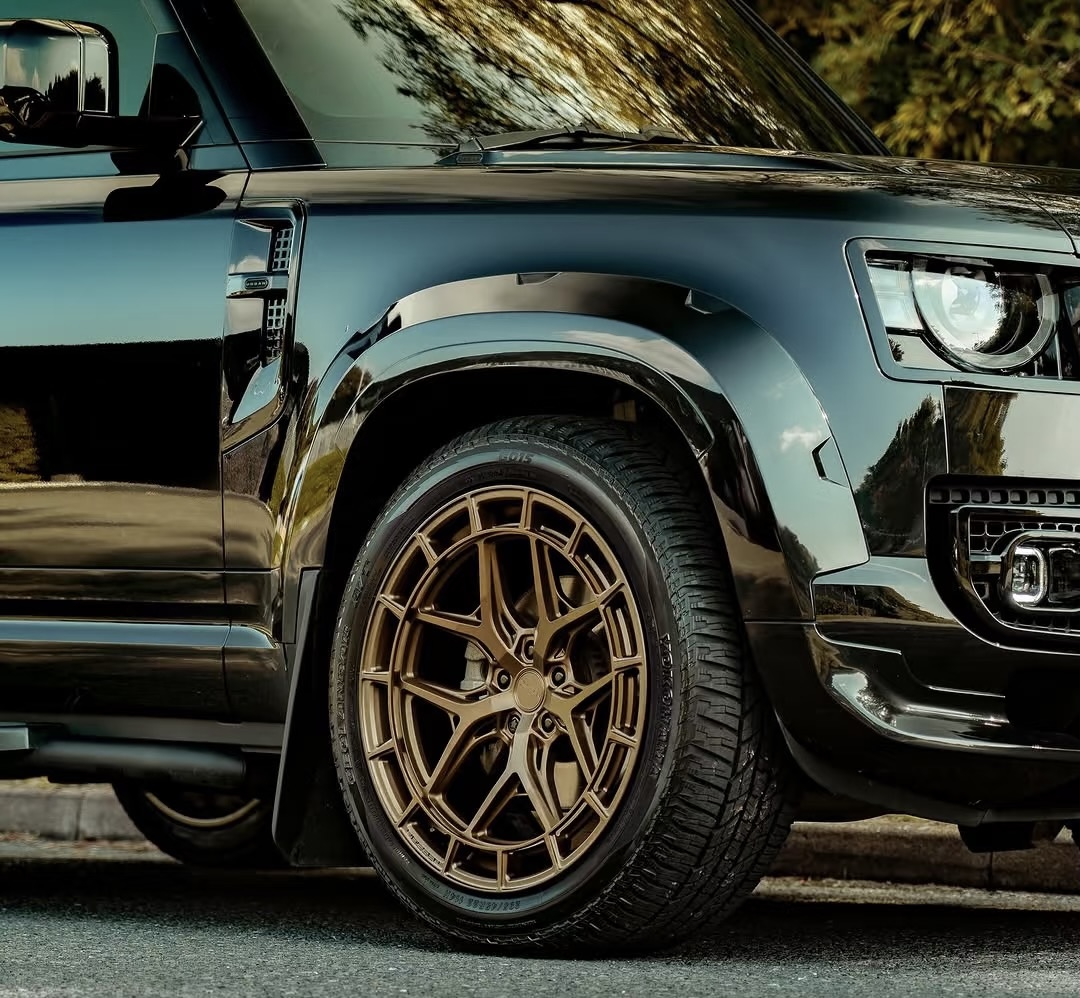
Wheel Reem Explained: Everything You Need to Know About Wheel Rims
Wheel Reem Explained: Everything You Need to Know About Wheel Rims
When shopping for custom aftermarket upgrades, replacing a damaged suspension component, or troubleshooting an annoying high-speed steering wheel vibration, you will inevitably run into confusing automotive terms like wheel reem, rim, hub, and wheel. Online search queries frequently misspell this critical component as wheel reem, wheel rim, or simply rims, but understanding what these metallic structures actually do—and how they differ structurally—can save you thousands of dollars in costly mistakes and keep your vehicle safe on public highways and rugged off-road trails.
This comprehensive publication breaks down structural engineering definitions, compares material durability across steel, cast aluminum, and forged wheels, explains complex fitment dimensions in detail, and offers expert-level insights on choosing the ideal set for your car, truck, or SUV.
1. What Is a Wheel Reem? Definitions and Core Anatomy
To clear up common market confusion, a wheel reem (commonly spelled wheel rim) refers to the outer circular border of a complete wheel assembly where the pneumatic tire is seated and supported. While everyday drivers and custom car builders often use the terms “rim” and “wheel” interchangeably in casual conversation, professional automotive engineers draw a distinct line between these components.
Wheel vs. Rim: The Key Structural Differences
-
The Wheel: The complete metallic structure mounting directly to your vehicle’s hub assembly. It includes the center hub, lug holes, spokes or face pattern, and the outer barrel working together as a single load-bearing unit.
-
The Wheel Rim: The outer perimeter of the wheel that holds the rubber tire in place, maintaining an airtight seal along the bead under high centrifugal forces and cornering loads.
-
The Wheel Reem Search Term: “Reem” is a frequent phonetic misspelling of “rim.” Whether you search for custom wheel reems online or look up heavy-duty steel rims at a local auto shop, you are examining the critical outer structure supporting your entire tire system.
Key Components of a Rim Structural Assembly
-
Outboard & Inboard Flanges: The raised outer edges that keep the tire from slipping off laterally during aggressive cornering or sudden emergency maneuvers.
-
Bead Seats: The precision-machined flat surface areas where the rubber tire bead edges press tightly against the metal to retain tire air pressure without leakage.
-
Well / Barrel: The deep inner drop-center section between the flanges that allows the stiff tire bead to drop into place easily during professional tire mounting and dismounting procedures.
-
Center Bore: The exact machined hole in the absolute middle of the wheel that fits snugly over the vehicle’s axle hub to center the wheel perfectly.
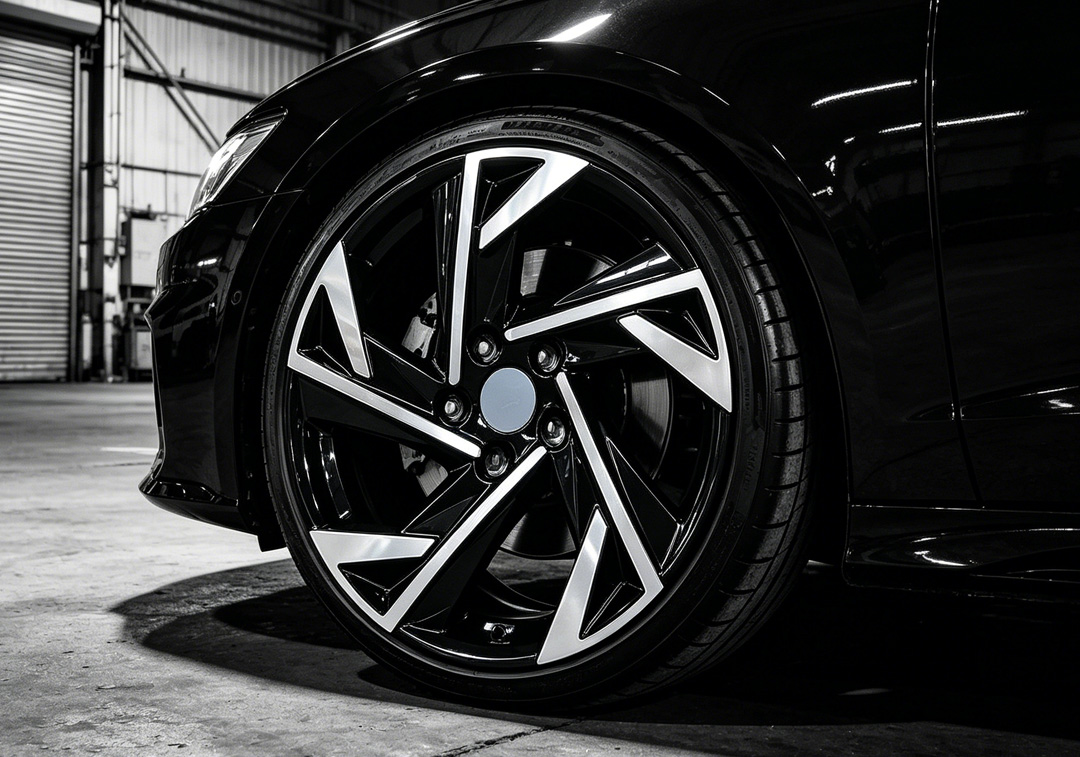
2. Steel vs. Alloy vs. Forged Rims: Which Material Wins?
Choosing the proper construction material for your driving style directly impacts fuel economy, acceleration response, braking distance, unsprung weight, and overall long-term structural durability.
Steel Wheel Rims
Steel rims are stamped from heavy-duty iron-carbon alloys and securely welded together into an industrial-strength structure.
-
Pros: Highly budget-friendly, exceptional resistance to impact cracking, and easy to hammer back into shape if damaged after hitting a deep pothole on a poorly maintained road.
-
Cons: Very heavy (adding significant unsprung weight), limited aesthetic styling options, and highly prone to rust and corrosion if the exterior paint or powder coating chips off.
-
Best For: Harsh winter driving conditions, utility vans, off-road steelies, commercial work trucks, and low-budget vehicle repairs.
Cast Aluminum Alloy Rims
Alloy rims are created by pouring molten aluminum mixed with specialized elements like silicon and nickel into precise casting molds.
-
Pros: Lightweight construction, superior thermal heat dissipation (which cools your braking system during heavy downhill driving), improved fuel efficiency, and a vast range of custom aesthetic designs.
-
Cons: More expensive than standard steel; can crack, fracture, or shatter under extreme high-speed impacts rather than merely bending.
-
Best For: Daily commuters, performance street vehicles, and drivers seeking modern aesthetic appeal and sharper handling response.
Forged Aluminum Rims
Forged units are crafted by compressing a solid block of aerospace-grade aluminum under extreme hydraulic pressure before precision CNC machining the final face.
-
Pros: Ultimate strength-to-weight ratio, extreme impact resistance, and ultra-lightweight construction designed specifically for track racing and high-performance applications.
-
Cons: Premium price point; significantly higher manufacturing cost compared to standard cast alternatives.
-
Best For: High-performance sports cars, heavy-duty towing rigs, and high-end automotive enthusiasts who demand uncompromising quality.
Wheel Rim Material Comparison Matrix
| Feature / Property | Steel Rims | Cast Alloy Rims | Forged Alloy Rims |
|---|---|---|---|
| Average Cost | Low ($50 – $120) | Medium ($120 – $400) | High ($500 – $1,500+) |
| Weight | Heavy | Moderate / Light | Extremely Lightweight |
| Durability / Impact | Bends easily, rarely cracks | Moderate strength, can crack | Structural strength, high resistance |
| Rust / Corrosion | Prone to rust if unpainted | Corrosion resistant | Exceptional corrosion resistance |
| Aesthetic Variety | Basic / Industrial | High (Hundreds of styles) | Premium custom finishes |
| Brake Heat Dissipation | Poor | Good | Excellent |
3. How to Choose the Exact Wheel Rim Size for Your Vehicle
Installing the incorrect wheel reem size damages suspension components, causes severe tire rubbing against inner wheel wells, throws off your speedometer calibration, and critically compromises road safety. Check these five mandatory fitment specifications before making a purchase.
1. Bolt Pattern (PCD – Pitch Circle Diameter)
The bolt pattern consists of two distinct numbers: the total number of lug holes and the diameter of the imaginary circle formed by the center of those holes (e.g., 5×114.3 or 5×4.5). You cannot mount a 5×120 wheel onto a 5×114.3 vehicle hub without specialized hub conversion adapters.
2. Rim Diameter
Measured in inches directly across the face of the wheel rim from bead seat to bead seat (e.g., 16″, 18″, 20″). Always match this exact dimension to the middle number on your tire size sidewall code (e.g., a tire reading 225/45R18 requires an 18-inch rim diameter).
3. Rim Width
The horizontal distance between the inner and outer bead seating flanges. A width reading labeled as “8J” indicates an 8-inch wide rim contour designed to support specific tire section widths safely.
4. Wheel Offset (ET)
Measured in millimeters, offset is the precise distance from the wheel’s true mounting centerline to the inner face of the mounting pad.
-
Positive Offset: The mounting pad faces outward toward the street side (common on modern front-wheel-drive passenger cars).
-
Zero Offset: The mounting pad aligns directly with the exact vertical center of the rim barrel.
-
Negative Offset: The mounting pad sits deep inside toward the brake rotor, pushing the rim outward for an aggressive wide stance (common on lifted 4×4 trucks and custom off-road rigs).
5. Center Bore Size
The central machined hole on the back of the wheel rim must sit flush and concentric against your car’s axle hub snout. If purchasing aftermarket rims with a larger center bore, you must install precision hub-centric rings to eliminate high-speed steering vibrations.
Advanced Engineering Considerations for Custom Fitments
When upgrading your vehicle’s factory setup with aftermarket components, understanding the interplay between wheel width, offset, and suspension geometry becomes critical. Incorrectly calculated offsets can lead to inner strut rub, fender scrubbing under heavy cornering loads, or premature wheel bearing wear due to altered scrub radius.
Furthermore, switching from heavy OEM steelies to lightweight flow-formed or forged alloy alternatives dramatically reduces unsprung rotational mass. Unsprung weight refers to components not supported by the vehicle’s suspension springs, including the tires, brakes, and wheel rims themselves. Decreasing unsprung weight allows your shock absorbers and coil springs to react much faster to road imperfections, resulting in significantly enhanced ride compliance, sharper steering feedback, and improved overall tire contact patch stability during high-speed cornering.
The role of center bores is equally vital. Many enthusiasts overlook the center bore diameter when purchasing aftermarket wheels. Factory hubs are manufactured with precise tolerances to center the wheel weight directly on the axle snout. If an aftermarket wheel has a larger center bore designed to accommodate multiple vehicle makes, the entire weight of the vehicle rests entirely on the wheel studs rather than the hub. This misalignment can induce harmonic vibrations at highway speeds. Installing durable aluminum or polycarbonate hub-centric rings bridges this gap perfectly, ensuring that the wheel sits dead-center on the hub assembly and eliminating unwanted steering wheel shudder.
4. Maintenance, Repair, and Safe Replacement Intervals
Proper care keeps your custom finishes shining while maintaining structural safety on the highway.
Simple Maintenance Protocol
-
Clean Regularly: Avoid harsh acid-based wheel cleaners that strip protective powder coatings, clear coats, or anodized finishes. Use mild pH-balanced soap and soft microfiber towels.
-
Inspect Flanges: Periodically check the inner rim barrel for hidden bends or fractures caused by striking deep potholes, construction debris, or railroad crossings.
-
Torque Lug Nuts Properly: Always use a calibrated torque wrench to tighten lug nuts to factory manufacturer specifications in a strict star pattern. Over-tightening can warp the wheel mounting flange and cause brake rotor pulsation.
When Should You Replace a Wheel Rim?
Replace your wheel reem immediately if you notice:
-
Visible Structural Cracks: Especially near the spoke attachment bases or inner bead seat area. Welding damaged cast rims compromises structural integrity and is strongly discouraged for highway driving.
-
Severe Bends: If a metal bend breaks the inner tire air seal or causes persistent vibrations that wheel balancing machines cannot solve.
-
Heavy Corrosion: Deep pitting along the bead seat area that causes ongoing tire pressure leaks despite new tire installations.

Frequently Asked Questions(FAQ)
1. What is a wheel rim?
A wheel rim is the outer circular edge of a metallic wheel assembly that physically holds, supports, and seals the rubber tire. It creates an airtight closure around the tire bead, allowing the tire to maintain correct inflation pressure and transfer power smoothly to the road surface.
2. What is the difference between a wheel and a rim?
A rim is simply a sub-component of a full wheel. The wheel includes the center hub, spokes, lug nut seats, and the rim itself as a single integrated structure. While people often use “rim” colloquially to describe the entire unit, the rim specifically refers to the outer circumferential barrel holding the tire.
3. How do I choose the right wheel rim size?
To select the correct rim size, check five main factory specifications: overall diameter, rim width, bolt pattern (PCD), offset (ET), and center bore diameter. You can find these dimensions stamped inside your factory wheel spokes, printed on the driver-side door jamb sticker, or listed in your vehicle manual.
4. Are alloy wheel rims better than steel rims?
Alloy wheel rims outperform steel variants in weight reduction, acceleration response, braking heat dissipation, fuel economy, and visual appearance. However, steel rims remain superior for low-budget replacements, severe off-road driving, and harsh winter salt conditions due to their high impact flexibility and affordable replacement costs.
5. How often should wheel rims be replaced?
Wheel rims do not have a set expiration date based on mileage. You should replace them whenever structural damage occurs—such as deep metal cracks, severe rim edge bends, radial runout distortion, or heavy bead corrosion that causes air leakage. Regular visual inspections during tire rotations ensure early detection of hidden fatigue.
Upgrade Your Ride Today
Whether you are looking to replace a damaged stock wheel reem or upgrade your vehicle with a lightweight set of custom alloy rims, finding the perfect match comes down to precise fitment engineering and superior manufacturing quality.
Looking for high-performance cast and forged wheels built for rugged durability, precise fitment, and head-turning style? Explore the premium collections at ATK Wheels to find the ideal match for your truck, SUV, or performance sedan today!