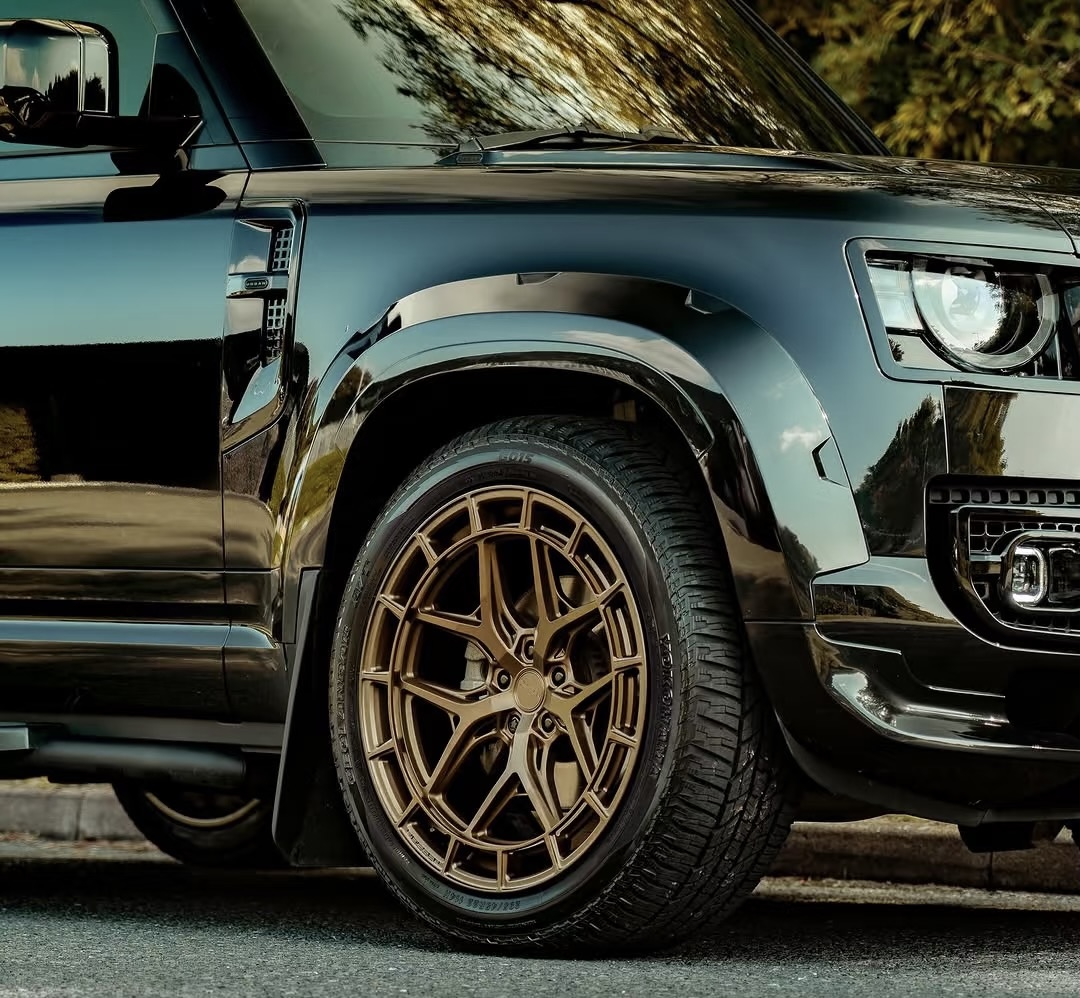
Aluminum Wheels: Everything You Need to Know About Performance, Durability, and Style
Aluminum Wheels: Everything You Need to Know About Performance, Durability, and Style
Whether you are upgrading your daily driver, optimizing a heavy-duty truck for fuel savings, or selecting high-performance components for track day, the wheels under your chassis play a pivotal role. Among all aftermarket and OEM wheel options on the market, aluminum wheels remain the industry standard for modern automotive engineering.
Known for striking a balance between strength, lightweight performance, and visual appeal, aluminum wheels (frequently referred to as aluminum alloy wheels) have almost entirely replaced traditional stamped steel options on modern passenger cars and light trucks.
1.Quick Summary: Key Takeaways
-
Weight Reduction: Aluminum wheels significantly reduce unsprung weight, improving acceleration, braking efficiency, and fuel economy.
-
Manufacturing Spectrum: Available in cast, flow-formed, and forged varieties to suit budgets ranging from standard commuting to high-stress track environments.
-
Heat Dissipation: Superior thermal conductivity draws heat away from brake components, reducing brake fade and extending pad life.
-
Long Lifespan: Resistant to rust and atmospheric corrosion, an engineered set of aluminum wheels routinely lasts 10 to 20 years with basic maintenance.
2.What Are Aluminum Wheels Made Of?
Understanding what goes into your wheels helps clarify why they perform the way they do. Pure aluminum is lightweight, but in its unalloyed state, it is too soft to handle the dynamic loads, impacts, and cornering forces experienced by a vehicle.
To create a road-ready wheel, manufacturers blend pure aluminum with precise quantities of secondary metals to form an aluminum alloy.
Typical Aluminum Wheel Alloy Composition:
├── Aluminum (~90–92%): Base lightweight metal
├── Silicon (~7–11%): Enhances fluidity during casting & wear resistance
├── Magnesium (~0.3–0.6%): Increases tensile strength & work hardening
├── Iron & Copper (Traces): Adds structural hardness and durability
└── Titanium/Strontium (Traces): Refines microscopic grain structure
The exact alloy blend varies depending on the manufacturing process. For instance, A356.2 aluminum (containing silicon and magnesium) is the standard for high-strength cast wheels, while 6061-T6 aluminum—a structural aerospace-grade alloy—is the gold standard for forged wheel construction.
3.How Aluminum Wheels Are Manufactured
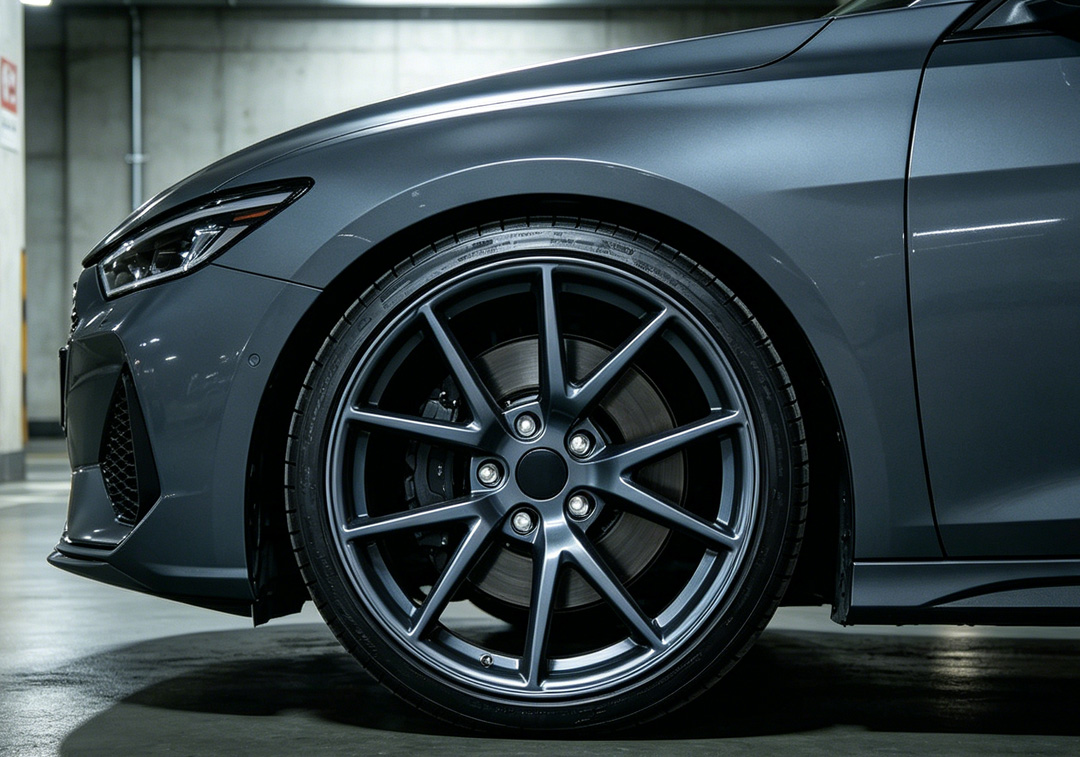
Not all aluminum wheels are created equal. The mechanical properties, density, impact resistance, and price tag of a wheel depend heavily on how the metal is shaped.
1. Cast Aluminum Wheels
Casting is the most common and cost-effective method for producing aluminum wheels. Liquid aluminum alloy is poured or forced under low pressure into a mold shaped like the final wheel design. Once cooled, the rough wheel is CNC-machined and finished.
-
Gravity Casting: Molten metal fills the mold using only gravity. It is economical but yields a slightly porous internal structure.
-
Low-Pressure Casting: Molten metal is pushed upward into the mold under air pressure. This compresses the alloy, reducing porosity and producing a stronger wheel than gravity casting.
2. Flow-Formed Wheels (Rotary Forged)
Flow forming begins with a specialized low-pressure cast preform. The rim barrel is then placed over a steel mandrel while high-pressure rollers stretch and compress the aluminum along the radial edge. This process aligns the alloy’s grain structure similarly to forging, yielding a lighter and stronger barrel at a mid-tier price point.
3. Forged Aluminum Wheels
Forging represents the pinnacle of wheel manufacturing. A solid billet of 6061-T6 aluminum is subjected to extreme heat and millions of pounds of hydraulic pressure. This intense force crushes air pockets and aligns the metal’s crystalline grain structure tightly along the contour of the wheel. The result is an exceptionally dense, ultra-lightweight wheel capable of withstanding extreme track stress and heavy impacts.
4.Aluminum Wheels vs. Steel Wheels
When evaluating wheel upgrades, drivers often compare aluminum alloy against traditional stamped steel wheels. While steel wheels remain popular for budget winter setups and commercial fleet vehicles due to low manufacturing costs, aluminum wheels outmatch steel across virtually every performance metric.
| Feature / Metric | Cast Aluminum Wheels | Forged Aluminum Wheels | Stamped Steel Wheels |
|---|---|---|---|
| Average Weight | Moderate (18–25 lbs) | Ultra-Light (14–19 lbs) | Heavy (25–35+ lbs) |
| Structural Strength | High | Maximum / Industrial | High (Bends under impact) |
| Unsprung Mass | Low | Lowest | High |
| Rust & Corrosion | High resistance | Maximum resistance | Prone to surface rust |
| Heat Dissipation | Excellent | Superior | Poor |
| Design Variety | Unlimited styling | Custom CNC options | Basic / Covers required |
| Relative Cost | Economy to Mid-Range | Premium / High-End | Low / Budget |
5.Key Advantages of Aluminum Wheels
Upgrading to aluminum wheels delivers distinct practical and mechanical improvements across daily commuting, commercial hauling, and spirit driving alike.
                  ┌── Unsprung Mass Reduction ──► Better Suspension Response
                  │
BENEFITS OF       ├── Thermal Conductivity    ──► Reduced Brake Fade
ALUMINUM WHEELS  ─┼── Rotational Inertia      ──► Quicker Acceleration & Stop
                  │
                  └── Alloy Flexibility       ──► Intricate Styling Options
1. Reduction of Unsprung and Rotational Mass
Vehicle mass is divided into two categories: sprung mass (everything supported by the suspension, like the frame and body) and unsprung mass (components directly connected to the road, including wheels, tires, and brake assemblies).
Because aluminum wheels weigh substantially less than steel equivalents, they lower overall unsprung mass. Lower unsprung mass allows your vehicle’s shocks and springs to react faster to bumps, potholes, and uneven surfaces, keeping your tires planted firmly on the asphalt for superior traction and ride comfort.
Furthermore, lower wheel weight translates directly to reduced rotational inertia. A lighter wheel requires less kinetic energy from the engine to start spinning and less energy from the braking system to stop.
2. Improved Fuel Efficiency and EV Range
Decreasing rotational inertia means the powertrain works less to propel the vehicle forward. For internal combustion engine (ICE) vehicles, this reduction translates to measurable miles-per-gallon (MPG) improvements in stop-and-go city traffic.
For electric vehicles (EVs), where rotational mass drastically affects energy consumption, lightweight aero-designed aluminum wheels directly extend battery range per charge.
3. Superior Thermal Conductivity and Brake Cooling
Brakes stop a vehicle by converting kinetic energy into thermal energy. Under heavy braking—such as mountain descents or rapid highway stops—excessive heat build-up causes brake fade, a condition where brake pads lose stopping power due to thermal overload.
Aluminum boasts a thermal conductivity rate nearly three times higher than steel. Aluminum wheels act as giant heat sinks, pulling thermal energy away from brake calipers and rotors and dissipating it into the passing air.
4. Advanced Styling and Customization
Steel wheels are formed by stamping sheet metal, limiting design options to basic circular hole patterns. Because aluminum can be cast into intricate molds or custom-milled on multi-axis CNC machines, aluminum wheels offer endless aesthetic styles:
-
Mesh and multi-spoke layouts
-
Deep-dish concave profiles
-
Split-spoke designs
-
Custom finishes including matte black, diamond-cut brushed face, bronze, and chrome
6.How Long Do Aluminum Wheels Last?
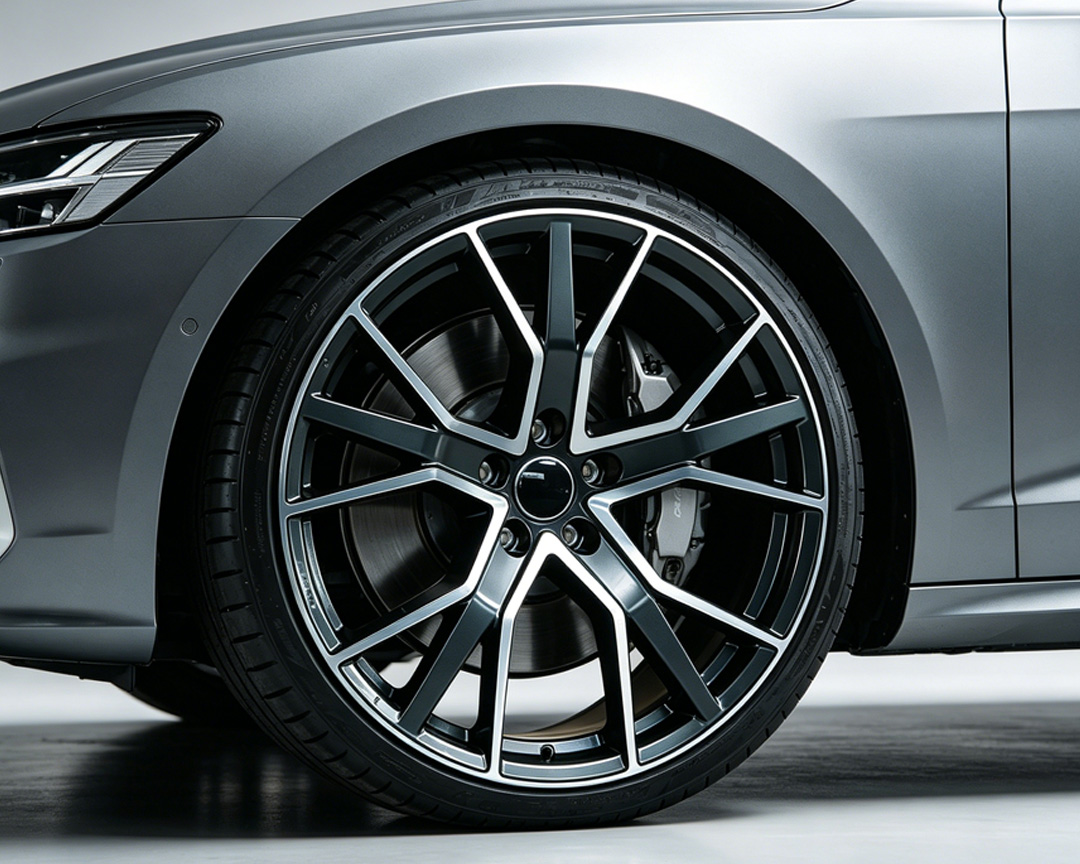
Under normal operating conditions, a quality set of aluminum wheels will last 10 to 20 years or more—often outlasting the vehicle itself. Because aluminum forms a natural oxide layer when exposed to air, it does not rust structurally the way unprotected steel degrades into iron oxide.
However, environmental factors and maintenance habits dictate actual longevity:
-
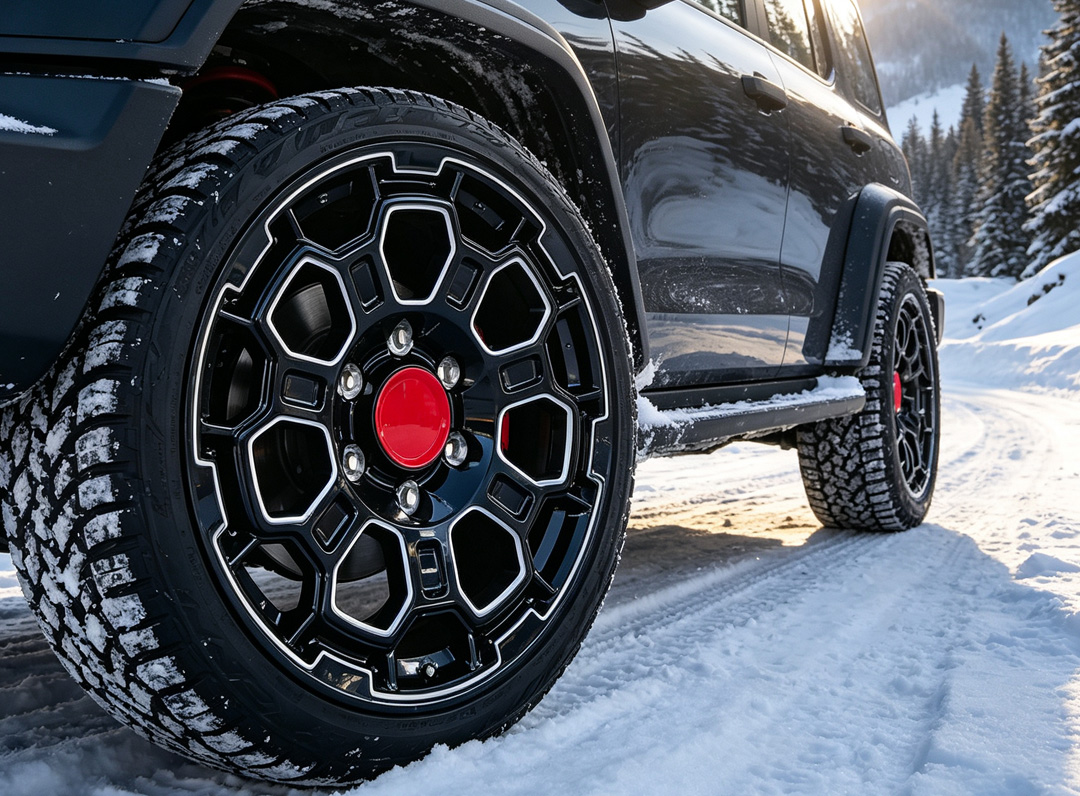
Winter Road Salt: Magnesium and aluminum react with sodium chloride and calcium chloride used on icy winter roads. If left unwashed, road salts cause clear-coat pitting and cosmetic surface corrosion.
-
Curb Impact & Potholes: While aluminum handles dynamic stress well, hard lateral impacts against curbs or deep potholes can bend or crack cast alloy structures.
-
Brake Dust Accumulation: Hot metallic dust generated by brake pads can bake into the clear-coat finish if allowed to sit for extended periods, causing dulling and discoloration.
7.Proper Cleaning and Maintenance for Aluminum Wheels
Preserving both the structural integrity and high-end finish of your aluminum wheels requires consistent care. Follow these best practices to maximize your investment:
Daily Care Checklist
-
Use pH-Neutral Cleaners: Avoid acid-based or overly alkaline wheel cleaners. Strong acids strip clear coats and dull polished aluminum surfaces. Choose non-acidic, pH-balanced formulas designed specifically for alloy finishes.
-
Clean When Cool: Never spray cold water or cleaning chemicals onto wheels immediately after driving. Rapid thermal shock can warp hot brake rotors and ruin fresh wheel finishes.
-
Soft Microfiber Brushes: Use soft-brilliant wheel brushes or microfiber wash mitts to remove loose road grime. Avoid abrasive scouring pads or steel wool, which create micro-scratches on polished or painted surfaces.
-
Apply Protective Sealants: Apply a dedicated ceramic coating or synthetic wheel wax every 3 to 6 months. This creates a hydrophobic barrier that repels brake dust, grease, and road salt, making routine washes significantly easier.
8.Can Damaged Aluminum Wheels Be Repaired?
Whether an aluminum wheel can be safely salvaged depends on the specific nature and location of the damage. Professional wheel repair technicians use specialized diagnostic tools to determine structural integrity before attempting work.
DIAGNOSING ALUMINUM WHEEL DAMAGE
│
├── Cosmetic Scratches / Curb Rash ──► SAFE TO REPAIR (Sanding & Refinishing)
│
├── Minor Radial Bends (Inner Lip) ──► SAFE TO REPAIR (Controlled Heat Straightening)
│
├── Face Cracks or Spoke Cracks    ──► UNSAFE (Immediate Replacement Required)
│
└── Severe Structural Deformity    ──► UNSAFE (Exceeds Alloy Yield Strength)
1. Cosmetic Damage (Curb Rash and Scratches)
-
Status: Fully Repairable.
-
Process: Surface scratches, gouges, or peeling clear coats can be sanded down, filled, repainted, and re-clear-coated. This process restores original visual appearance without altering the wheel’s internal load-bearing capacity.
2. Minor Bends
-
Status: Conditionally Repairable.
-
Process: If a pothole causes a slight bend along the inside barrel lip (without cracking), professional shops can warm the affected area and use hydraulic presses to restore true roundness (radial runout).
3. Structural Cracks and Spoke Failure
-
Status: Replacement Required.
-
Process: Cracks located on the structural spokes, wheel face, or near the lug holes compromise structural safety. Welding these critical areas alters the local metallurgical temper, creating weak stress-concentration points prone to catastrophic failure under highway loads. Damaged wheels in these regions must be replaced.
9.Key Considerations When Selecting Aluminum Wheels
When purchasing aftermarket aluminum wheels for your vehicle, ensuring exact mechanical fitment is essential. Never purchase wheels based solely on aesthetic appeal or diameter.
WHEEL FITMENT CRITERIA
├── Bolt Pattern (PCD): e.g., 5x114.3mm
├── Wheel Offset (ET): Distance from mounting hub to centerline
├── Center Bore: Hub-centric match (e.g., 73.1mm)
└── Load Rating: Maximum weight capacity per wheel
1. Bolt Pattern (Pitch Circle Diameter – PCD)
The bolt pattern specifies the number of lug studs and the diameter of the imaginary circle they form. For example, a 5×114.3 pattern means 5 lug nuts arranged on a 114.3mm diameter circle. The bolt pattern on the wheel must match your vehicle’s wheel hub precisely.
2. Wheel Offset and Backspacing
Offset (measured in millimeters as “ET”) dictates how far inside or outside the wheel sits relative to the fender line:
-
Positive Offset: The mounting face sits toward the front outer face of the wheel (common on modern front-wheel-drive cars and crossovers).
-
Zero Offset: The mounting face aligns perfectly with the center line of the wheel.
-
Negative Offset: The mounting face sits toward the back of the wheel, pushing the rim outward for a wider stance (common on lifted trucks and off-road vehicles).
Incorrect offset leads to tire rubbing against inner suspension struts or outer fender wells.
3. Center Bore and Hub-Centric Design
The center bore is the machined opening on the back of the wheel that slides onto the vehicle’s axle hub.
-
Hub-Centric Wheels: The center bore matches your vehicle’s hub diameter exactly. The vehicle’s weight rests directly on the axle hub, ensuring vibration-free rolling.
-
Lug-Centric Wheels: The center bore is larger than the hub, relying solely on the tapered lug nuts to center the wheel. When installing lug-centric aftermarket setups, always use hub-centric rings to prevent high-speed steering wheel vibrations.
4. Load Rating
Every aluminum wheel features a stamped load rating on its inner barrel (e.g., 1,500 lbs or 2,200 lbs per wheel). The combined load rating of all four wheels must comfortably exceed your vehicle’s total Gross Vehicle Weight Rating (GVWR), especially when outfitting heavy-duty pickup trucks, towing rigs, or fully loaded commercial vans.
Frequently Asked Questions(FAQ)
1.What are aluminum wheels made of?
Aluminum wheels are manufactured primarily from aluminum alloyed with controlled amounts of silicon, magnesium, and trace elements like iron or titanium. This combination provides higher structural rigidity, impact strength, and weight reduction compared to unalloyed metals or heavy traditional steel.
2.Are aluminum wheels better than steel wheels?
For most passenger cars, sports cars, and modern trucks, yes. Aluminum wheels are lighter, provide better handling, increase fuel economy, reduce brake fade through faster heat dissipation, and offer far more styling variety. Steel wheels remain practical mainly for extreme budget applications, heavy winter conditions, or severe off-road environments where visual appearance is secondary to low replacement cost.
3.What are the main advantages of aluminum wheels?
The primary benefits of aluminum wheels include reduced unsprung weight, improved steering response, enhanced acceleration and braking efficiency, superior brake cooling, corrosion resistance, and an extensive range of aesthetic designs and surface finishes.
4.How long do aluminum wheels last?
With basic cleaning and periodic maintenance, aluminum wheels routinely last between 10 and 20 years. Their operational lifespan depends on your driving habits, exposure to harsh road salts, road surface quality, and how quickly minor cosmetic damage or brake dust accumulation is addressed.
5.Can aluminum wheels be repaired if damaged?
Yes, minor issues like curb rash, superficial scratches, and small inner-lip bends can usually be repaired by professional wheel restoration facilities. However, if an aluminum wheel exhibits structural cracks across spokes, face fractures, or severe warping, it must be replaced to ensure safe vehicle operation.
Upgrade Your Ride with High-Performance Aluminum Wheels
Upgrading your vehicle’s wheels is one of the most effective modifications you can make. By reducing unsprung weight, improving brake cooling, and elevating curb appeal, a quality set of aluminum wheels transforms both performance and appearance.
Whether you need lightweight flow-formed wheels for track efficiency, heavy-duty alloy wheels for truck hauling, or custom-milled cast options for everyday driving, choosing the correct size, offset, and load rating ensures a flawless setup.
Ready to find the ideal match for your vehicle? Explore our extensive inventory of premium aluminum wheels at ATK Wheels today to discover engineered fitments designed for maximum performance, durability, and style.