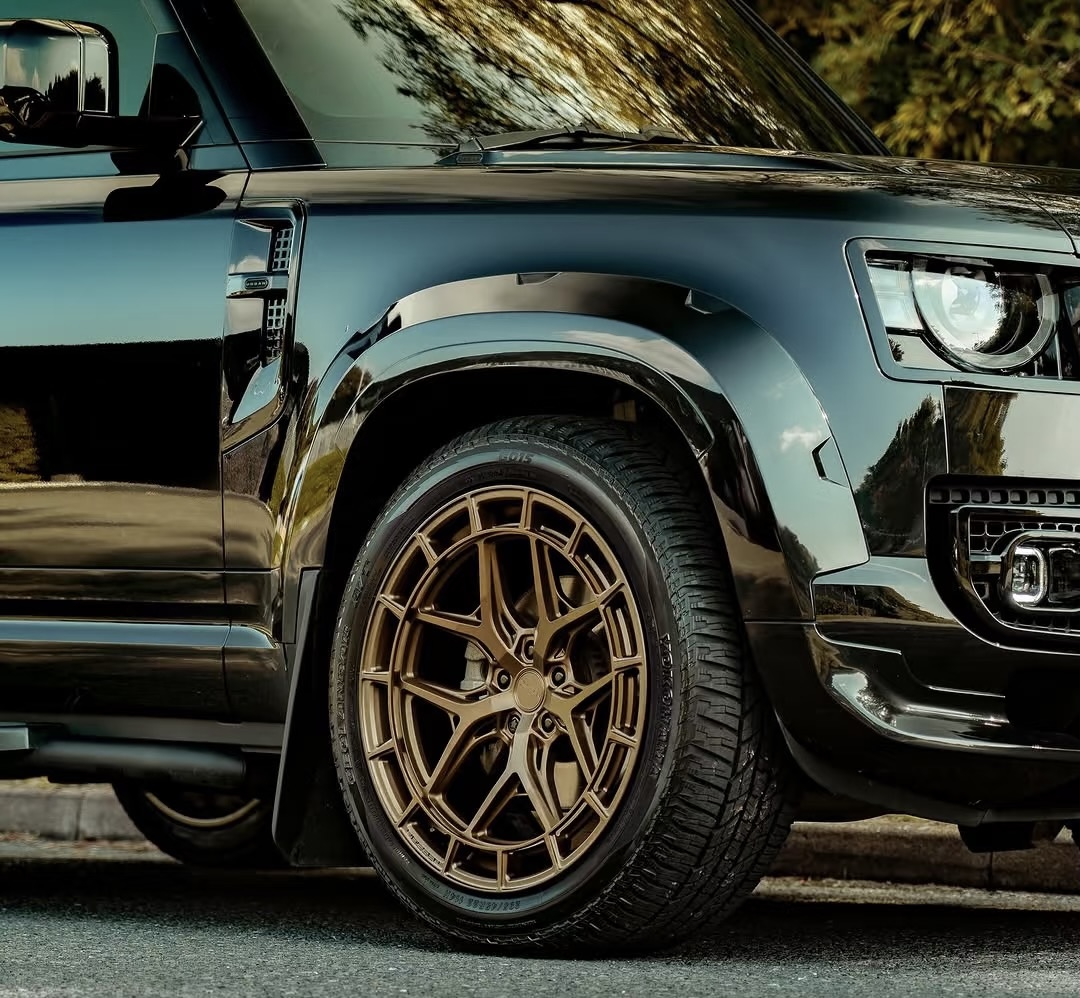
Wheels and Alloys: Everything You Need to Know Before Choosing Alloy Wheels
Wheels and Alloys: Everything You Need to Know Before Choosing Alloy Wheels
Upgrading your vehicle often starts at ground level: the point where your rubber meets the road. When evaluating aftermarket options or original equipment manufacturer (OEM) replacements, understanding the fundamental differences in wheels and alloys is essential for optimizing handling, ride comfort, fuel efficiency, and overall aesthetics.
Whether you drive a daily commuter around town, tow heavy loads, or track a performance vehicle, choosing between traditional steel setups and modern light-alloy alternatives impacts your driving experience every mile. This detailed article breaks down core metallurgical differences, fitment parameters, manufacturing processes, and long-term care routines to help you make an informed decision.
1.Understanding Wheels and Alloys: What Is the Difference?
To make the right choice for your car, truck, or SUV, you must first understand what sets standard factory wheels apart from high-performance light alloys.
+-------------------------------------------------------------------+
|                        DEFINITION AT A GLANCE                     |
|                                                                   |
| Alloy Wheels: Engineered metallic rims constructed from a blend   |
| of aluminum or magnesium with trace metals, offering superior     |
| strength-to-weight ratios and enhanced heat dissipation.          |
+-------------------------------------------------------------------+
Traditional Steel Wheels
Standard wheels—often called steelies—are stamped from carbon steel and welded together. They are heavy, rigid, and simple to manufacture. While highly durable under extreme impacts, their high mass increases unsprung weight, which negatively affects acceleration, suspension response, and braking distance.
Light-Alloy Wheels
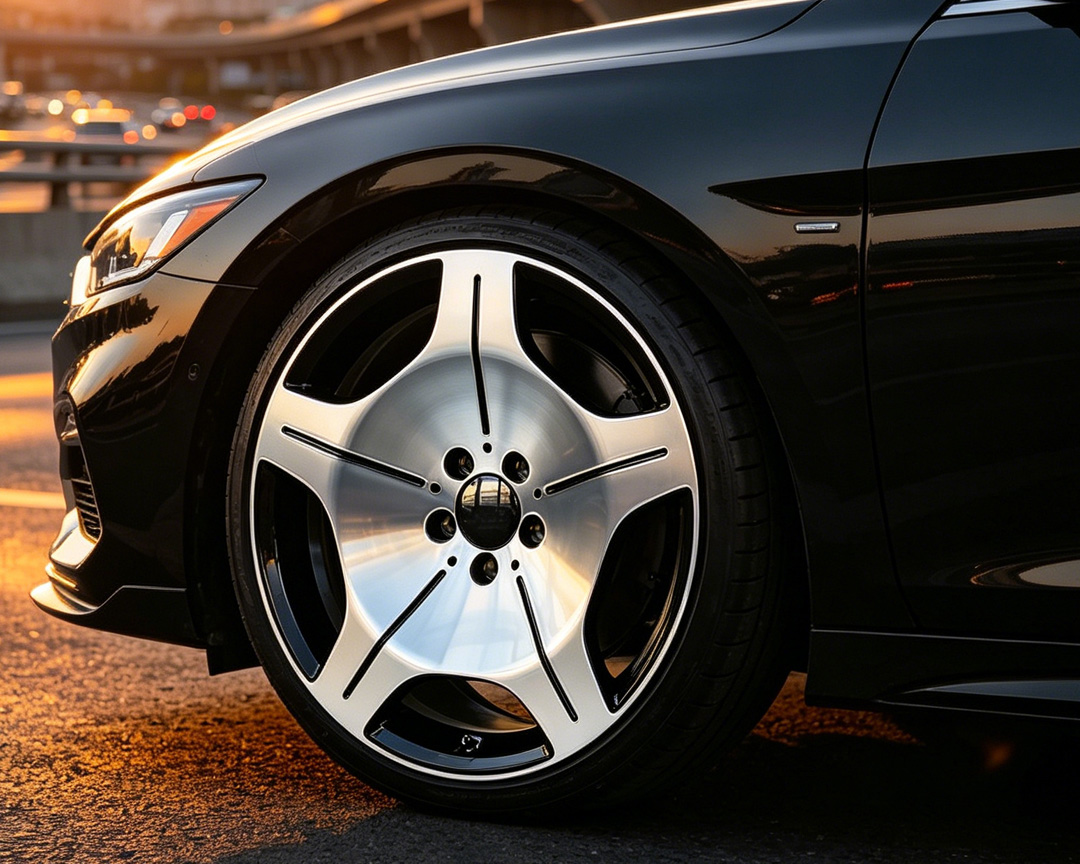
When drivers talk about wheels and alloys, they are referring to rims forged or cast from aluminum or magnesium combined with other metals like silicon or copper. Aluminum alloy rims deliver a lighter structure without sacrificing structural integrity, providing substantial advantages in vehicle dynamics and thermal management.
2.Detailed Comparison: Steel vs. Alloy Rims
Selecting the right set requires balancing performance requirements against real-world driving conditions, climate exposure, and your budget.
| Performance Metric | Standard Steel Rims | Aluminum Alloy Rims |
|---|---|---|
| Material Composition | Stamped Carbon Steel | Aluminum / Magnesium Blend |
| Average Weight | Heavy (25–35+ lbs) | Lightweight (15–22 lbs) |
| Unsprung Mass | High (slower suspension response) | Low (sharper handling & agility) |
| Fuel Economy | Baseline | Enhanced (reduced rotational mass) |
| Impact Response | Bends under stress; rarely cracks | Resists flexing; may crack under extreme force |
| Heat Dissipation | Poor | Superior (extends brake pad & rotor life) |
| Winter Durability | High resistance to road salt | Requires clear-coat protection from salt |
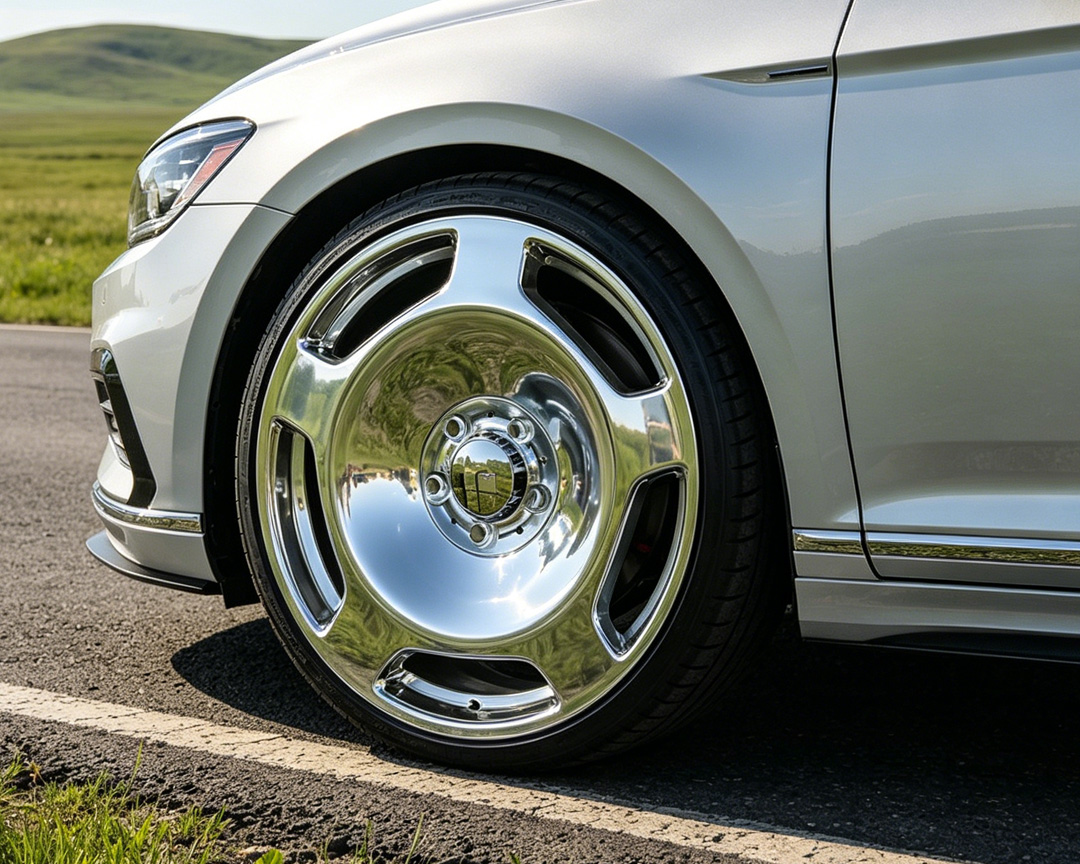
| Design Variety | Limited (usually requires hubcaps) | Wide range of spokes, finishes, and offsets |
| Upfront Cost | Budget-Friendly | Mid to High Investment |
3.How Unsprung Weight Shapes Vehicle Dynamics
One of the main reasons car enthusiasts and daily drivers upgrade to light-alloy setups is the reduction of unsprung weight—the collective mass of components not supported by the vehicle suspension springs (including hubs, tires, brake assemblies, and rims).
[ Vehicle Body / Chassis ] -> Sprung Mass
         |
    [ Springs ]
         |
[ Wheels, Alloys & Tires ] -> Unsprung Mass (Lower is better!)
1. Sharper Acceleration and Braking
Reducing rotational mass allows the engine to spin the wheels up to speed with less force. Likewise, lower inertia lets your brake calipers slow the vehicle more efficiently, shortening stopping distances during abrupt maneuvers.
2. Enhanced Suspension Tracking
When a heavy steel rim strikes a bump, its momentum pushes hard against the strut, taking longer to settle. A lighter structure settles quickly, keeping the tire contact patch firmly planted on the road for consistent grip.
3. Reduced Thermal Stress on Brakes
Aluminum conducts heat far better than steel. The open-spoke styling common in cast and forged options draws cool air directly over the rotors and calipers, reducing brake fade during mountain descents or spirited track driving.
4.Key Manufacturing Techniques: Cast vs. Flow-Formed vs. Forged
Not all light metal rims are made the same way. The manufacturing process dictates structural density, weight, and price point.
     CAST ALLOYS          FLOW-FORMED           FORGED ALLOYS
(Budget / OEM Style) -> (Balanced / Strong) -> (Ultra-Light / Track)
Gravity and Low-Pressure Casting
Molten aluminum is poured or gently pressed into a mold.
-
Pros: Cost-effective, allows intricate visual styling.
-
Cons: Higher porosity, slightly heavier than advanced alternatives.
Flow-Forming (Rotary Forging)
A low-pressure cast wheel blank is mounted on a mandrel and spun while high-pressure rollers stretch and compress the outer rim barrel.
-
Pros: Increases tensile strength, closely matching forged durability at a fraction of the cost.
-
Cons: Sells at a slight price premium over basic cast rims.
Precision Forging
A solid billet of aerospace-grade aluminum is subjected to extreme pressure and heat, crushing grain boundaries together before CNC machining carves out the final spoke pattern.
-
Pros: Maximum structural density, ultimate weight reduction, extreme resistance to fatigue.
-
Cons: Premium price point.
5.Critical Fitment Parameters: Ensuring Proper Vehicle Compatibility
Purchasing aftermarket rims requires precise measurements. Installing incorrect dimensions can cause frame rub, severe tire wear, or interference with brake components.
       [ Center Bore ]
             OO
       ( PCD / Bolts )
    <--- Wheel Width --->
  Offset (ET): Position relative to centerline
1. Pitch Circle Diameter (PCD)
PCD measures the number of lug holes and the diameter of the invisible circle they form (for example, 5×114.3 or 5×120). The bolt pattern on the rim must match your wheel hub assembly exactly.
2. Offset (ET) and Backspacing
Offset determines how far the mounting face sits relative to the rim’s geometric centerline:
-
Positive Offset: Pushes the mounting face toward the front outer face (common on front-wheel-drive vehicles).
-
Negative Offset: Pulls the mounting face inward toward the suspension, forcing the stance outward (popular on lifted trucks and off-road builds).
-
Zero Offset: The mounting hub sits perfectly centered in the rim barrel.
3. Center Bore and Hub-Centric Rings
The center bore is the machined opening on the back of the rim that sits flush over the vehicle hub snout. If an aftermarket option features a wider universal center bore, use hub-centric rings to prevent vibration at highway speeds.
4. Overall Diameter, Width, and Load Ratings
Always check that the rim load rating matches or exceeds your gross axle weight rating (GAWR), particularly on working trucks, commercial vans, and heavy EVs.
6.Seasonal Driving and Longevity Strategy
Determining which setups suit your environment depends heavily on local weather and road conditions.
+-------------------------------------------------------------------+
|                     SEASONAL ROAD SURVIVAL TIPS                   |
|                                                                   |
| Summer & Dry Roads: Run light aluminum options for peak cornering,|
| efficiency, and crisp steering feel.                              |
|                                                                   |
| Heavy Winter & De-Icers: Swap to steel sets or dedicated clear-   |
| coated winter setups to protect finishes from corrosion.           |
+-------------------------------------------------------------------+
Navigating Severe Winter Conditions
In regions that rely on liquid magnesium chloride or rock salt for winter road safety, bare polished aluminum can oxidize quickly if the protective clear coat is chipped. Many vehicle owners run standard steel rims paired with studded winter tires during cold months, preserving their premium custom finishes for spring and summer.
Potholes and Structural Integrity
If you regularly encounter unpaved terrain or severe winter potholes, keep in mind that steel deforms gradually (and can often be straightened with specialized equipment). Cast aluminum resists bending, but a severe impact can crack the rim, requiring specialized TIG welding or complete replacement.

7.Step-by-Step Maintenance Routine to Prevent Corrosion
To keep your custom setup looking brand new and guard against pitting from metallic brake dust, establish a consistent cleaning schedule.
Step 1: Allow the Assembly to Cool
Never spray cold water or cleaning chemicals directly onto hot rims immediately after driving. Rapid thermal changes can warp brake rotors and cause clear-coat spotting.
Step 2: Use pH-Neutral Wheel Cleaners
Avoid harsh acid-based wheel cleaners or household degreasers that can strip protective top coats or corrode raw center caps. Opt for dedicated, pH-balanced formulas that target embedded iron particles without damaging the finish.
Step 3: Agitate with Soft Microfiber and Wool Brushes
Use dedicated soft-bristle brushes to reach into barrel depths and around lug nuts. Avoid coarse sponges or steel wool pads that create microscopic surface scratches.
Step 4: Apply Dedicated Sealant or Ceramic Coating
Every three to six months, apply a specialized synthetic sealant or high-temp ceramic coating. This protective layer repels corrosive iron particles, road tar, and winter salt, making routine washes quick and effortless.
Comprehensive Frequently Asked Questions (FAQ)
1.What is the primary difference between standard wheels and alloys?
The main difference lies in material composition and performance. Standard wheels are typically constructed from stamped steel, making them heavy, basic, and inexpensive. Light-alloy options blend aluminum or magnesium with secondary metals. This creates a lighter structure that dissipates brake heat effectively, lowers rotational mass, and enhances vehicle handling dynamics.
2.Are alloy wheels better than steel wheels for daily driving?
Yes, for most commuting scenarios. The reduced mass lowers unsprung weight, improving fuel economy, acceleration response, and ride quality over road bumps. However, steel rims remain an economical choice for harsh winter climates or heavy off-road use due to their ability to absorb severe impacts without cracking.
3.How do I know if a specific set of alloy wheels will fit my car?
Verify four vital specs against your owner’s manual or vehicle manufacturer data:
-
Bolt Pattern (PCD): The number of lug holes and circle diameter.
-
Offset (ET): The positioning of the mounting face relative to the centerline.
-
Center Bore Size: The opening that centers the hub assembly accurately.
-
Rim Width & Diameter: Clearances for internal suspension struts and brake calipers.
4.Do alloy wheels crack or bend easily compared to steel wheels?
Aluminum alloys flex far less under heavy cornering loads than steel, giving you sharper handling. However, because cast structures are stiff, an extreme impact with a deep pothole is more likely to crack an alloy rim, whereas steel typically bends. Bent steel rims can often be hammered flat, while a cracked alloy requires specialized repair or replacement.
5.How should I clean and maintain alloy wheels to prevent corrosion?
Clean your rims using dedicated pH-neutral wash formulas and soft microfiber tools once the braking components have cooled completely. Avoid acid-based chemical treatments. Apply a durable synthetic sealant or wheel wax every few months to shield polished or painted surfaces from road salt, grime, and brake dust buildup.
Final Recommendation: Selecting Your Ideal Setup
Upgrading your vehicle with the right combination of wheels and alloys balances daily efficiency, handling precision, and visual style. If performance, handling agility, fuel economy, and custom aesthetic choices top your priority list, an engineered set of cast, flow-formed, or forged aluminum rims is the ultimate upgrade.
To discover precision-engineered options built to handle demanding road conditions, explore the premium product lines available at ATK Wheels. Their deep collection of strong, lightweight custom setups delivers exceptional safety standards, fitments, and finishes tailored to elevate your vehicle’s stance and dynamic capabilities.