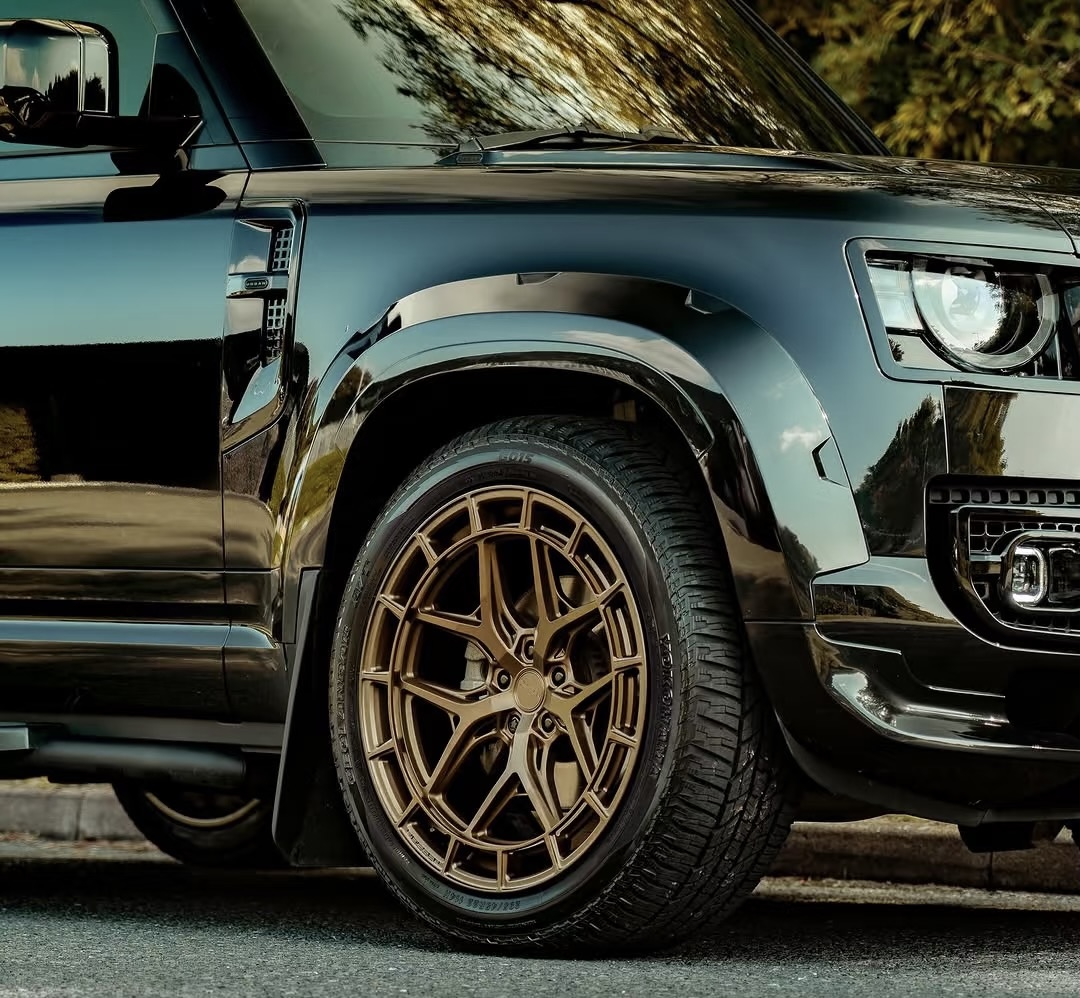
Chrome Rims: Benefits, Types, Maintenance Tips, and Buying Considerations for Car Owners
Chrome Rims: Benefits, Types, Maintenance Tips, and Buying Considerations for Car Owners
Few automotive upgrades command attention quite like a set of brilliant chrome rims. Whether you are restoring a classic muscle car, customizing a modern truck, or simply trying to give your daily sedan an undeniable street presence, chrome delivers a deep, mirror-like finish that painted or brushed aluminum wheels simply cannot replicate.
However, choosing the right set of wheels involves more than just picking a design that looks sharp in a showroom. Today’s market offers different manufacturing technologies, varying maintenance demands, and unique climate challenges.
In this comprehensive resource, we break down everything you need to know about chrome wheels—including how traditional chrome compares to modern PVD technology, winter care strategies, repair options, and how to select the perfect fitment for your vehicle.
1. The Enduring Appeal of Chrome Rims
For decades, chrome has been the gold standard of premium wheel aesthetics. But what actually gives these wheels their iconic reflectivity, and why do car enthusiasts continue to choose them over alternative finishes?
+-----------------------------------------------------------------------+
|                         THE CHROMIUM ADVANTAGE                         |
|                                                                       |
|   [ Mirror Reflection ]    [ Timeless Styling ]    [ Hardened Layer ] |
|   Provides unmatched       Enhances trucks, SUVs,  Protects against   |
|   depth and luster.        and performance cars.   minor surface wear.|
+-----------------------------------------------------------------------+
What Makes Chrome Finish Unique?
Unlike standard liquid paint or clear-coated alloy wheels, electroplated chrome creates a true metal-on-metal outer coating. Light bounces off a genuine chromium surface with remarkable clarity, producing a crisp reflection that turns heads in broad daylight and under streetlamps alike.
Style Versatility
Chrome is remarkably versatile. It highlights the aggressive contours of heavy-duty truck wheels, compliments the classic lines of vintage hot rods, and adds a touch of elegance to luxury crossovers.
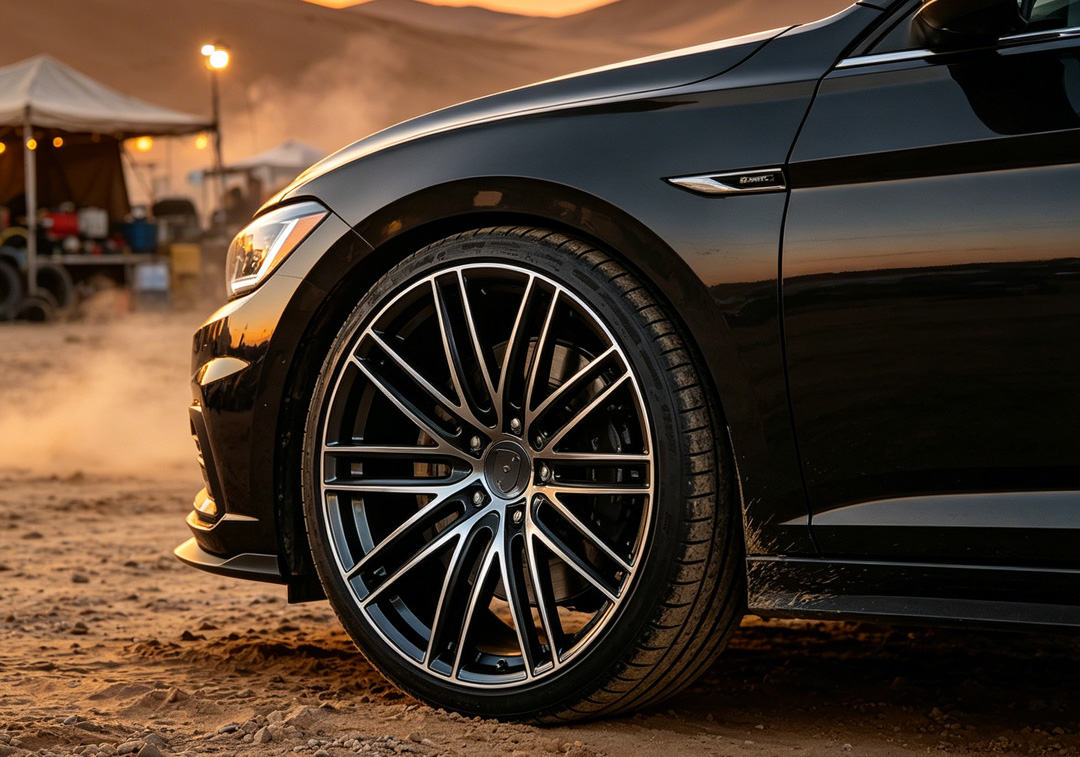
2. Traditional Chrome vs. PVD Chrome Rims: What Is the Difference?
When shopping for aftermarket wheels at modern retailers like ATK Wheels, you will likely encounter two primary manufacturing methods: Traditional Electroplated Chrome and PVD (Physical Vapor Deposition) Chrome.
Understanding the structural and chemical differences between these options is vital for selecting the best product for your driving habits and local environment.
                  ┌─────────────────────────────────────────┐
                  │          CHROME WHEEL CHOICES           │
                  └────────────────────┬────────────────────┘
                                       │
            ┌──────────────────────────┴──────────────────────────┐
            ▼                                                     ▼
┌───────────────────────┐                             ┌───────────────────────┐
│ Traditional Chrome    │                             │ PVD Chrome Coating    │
├───────────────────────┤                             ├───────────────────────┤
│ • Triple-plate immersion│                           │ • Vacuum deposition   │
│ • Deep, liquid shine  │                             │ • Powdercoat base     │
│ • Adds unsprung weight│                             │ • 100% Eco-friendly   │
│ • Susceptible to salt │                             │ • Winter durable      │
└───────────────────────┘                             └───────────────────────┘
Traditional Electroplated Chrome
Traditional chrome plating is an electro-chemical immersion process. The aluminum wheel core is submerged in specialized baths to receive successive layers of copper, nickel, and chromium:
-
Copper layer: Seals the base alloy and provides a smooth foundation.
-
Nickel layer: Provides corrosion resistance and structural luster.
-
Chromium layer: Adds the ultra-hard, tarnish-resistant outer brilliance.
This multi-layer approach results in an astonishingly deep finish, but it also adds measurable weight and requires cautious maintenance in harsh climates.
PVD (Physical Vapor Deposition) Chrome
PVD chrome represents the modern evolution of metallic wheel finishes. The process combines a durable powder-coat primer with a microscopic vaporized layer of metal applied inside a specialized vacuum chamber, topped off with a protective clear coat.
-
Weight savings: PVD applies a much thinner metallic layer, saving 2 to 3 pounds per wheel compared to electroplating.
-
Environmental impact: PVD eliminates the toxic sludge byproduct associated with heavy-metal electroplating tanks.
-
Weather endurance: Because the metal layer is encased beneath a high-grade clear coat, salt and moisture cannot easily breach the surface.
Direct Comparison Table
| Feature / Property | Traditional Electroplated Chrome | PVD Chrome Finish |
|---|---|---|
| Visual Depth | Deepest possible liquid-mirror shine | Bright, highly reflective shine (95% match) |
| Weight Impact | Adds 2–3 lbs per wheel | Near-zero added weight |
| Winter Resistance | Moderate to Poor (susceptible to salt) | Excellent (sealed under clear coat) |
| Environmental Footprint | Higher (heavy chemical electroplating) | Low (eco-friendly vacuum process) |
| Maintenance Need | High (frequent polishing required) | Moderate (wash like standard clear coat) |
| Pitting Risk | Higher if seal is compromised | Very low |
3. Performance Impact: Weight, Handling, and Efficiency
A common concern among drivers upgrading their wheel setup is whether metallic plating affects vehicle performance.
Key Takeaway: Unsprung weight refers to the mass of the vehicle components not supported by the suspension system—including wheels, tires, and brake assemblies. Reducing unsprung mass improves suspension responsiveness and ride comfort.
       SUSPENSION SPRINGS
               │
      [ Unsprung Weight ] ──► Wheels, Tires, Brakes
               │
    Slightly heavier wheels require more energy to accelerate,
    steer, and cushion over road bumps.
Unsprung Mass Considerations
Traditional electroplating adds approximately 2 to 3 pounds of copper, nickel, and chromium to each wheel rim. While an extra 8 to 12 pounds across all four corners is virtually imperceptible during normal suburban commuting, drivers sensitive to sports-car dynamics may notice minor differences:
-
Acceleration & Braking: Lighter wheels reduce rotational inertia, allowing slightly quicker throttle response.
-
Fuel Economy: Lower unsprung weight slightly improves city mileage due to reduced energy required to rotate the assembly.
-
Suspension Dynamics: Heavier wheels push harder against shock absorbers over harsh potholes.
If preserving exact factory performance specs while enjoying a brilliant mirror look is your top priority, PVD wheels offer the ideal compromise by providing chrome visuals at standard alloy weights.
4. Winter Driving Reality: Can Chrome Survive Snow and Salt?
Winter brings de-icing chemicals, road salt, freezing rain, and slush—all of which pose significant challenges to automotive finishes.
                    WINTER ROAD SALT ATTACK

  [ Road Salt / Brine ] ──► [ Finds Micro-Scratches ]
                                   │
                                   ▼
    [ Corrosion Under Plating ] ◄──┘
            │
            ▼
   [ Flaking & Flange Air Leaks ]
How Road Salt Causes Corrosion
Chemical de-icers like sodium chloride and calcium chloride are highly corrosive. When salt-laden slush remains on traditional electroplated surfaces, it eventually penetrates microscopic stone chips or scratch lines. Once salt reaches the underlying nickel or copper layers:
-
Oxidation begins: The base metals begin to oxidize hidden beneath the surface.
-
Plating lifts: Expanding rust forces the thin chromium shell outward.
-
Pitting and peeling: The outer metal flakes away, leaving exposed, dark pits.
How to Protect Wheels in Cold Seasons
If you live in northern states with heavy winter road treatment programs, consider these steps:
-
Seasonal Swapping: Swap your high-end electroplated chrome wheels for dedicated winter wheels fitted with snow tires between November and April.
-
PVD Advantage: Choose PVD finishes, which resist winter road chemicals much better than traditional electroplating.
-
Sealant Application: Apply a hydrophobic, high-temp rim sealant before the first snow to create a protective barrier against road grime.
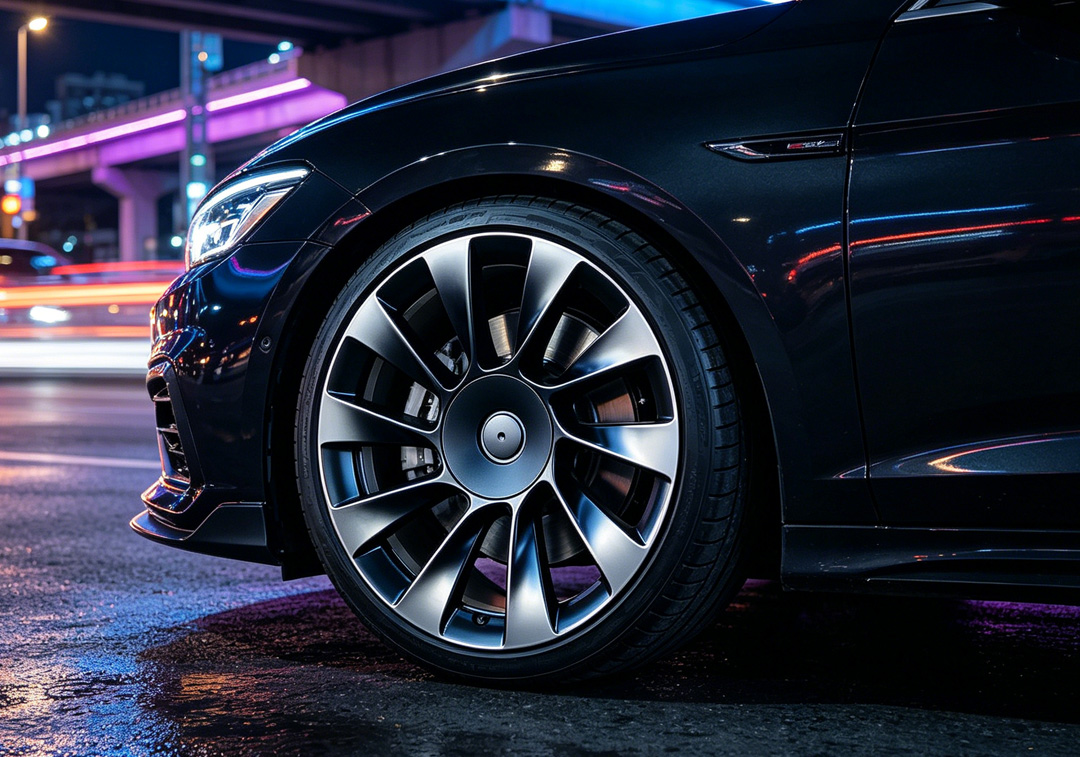
5. Cleaning and Maintenance: Keeping That Mirror Shine
Maintaining a bright shine does not require hours of heavy labor, but it does require using the correct tools and chemicals. Improper cleaning techniques cause far more harm than standard everyday driving.
+-------------------------------------------------------------------+
|                     SAFE WHEEL WASHING STEPS                      |
|                                                                   |
|  1. Cool Off      2. Soft Rinse     3. pH-Neutral   4. Dry & Wax  |
|  Let brakes       Flush grit with   Clean with soft Clean with    |
|  cool down.       low pressure.     microfiber.     microfiber.   |
+-------------------------------------------------------------------+
Recommended Cleaning Products
-
pH-Neutral Soap: Mild automotive shampoos designed for clear coats or delicate metals.
-
Microfiber Wash Mitts: Soft fabrics that trap dirt away from the metallic finish.
-
Synthetic Microfiber Drying Towels: Essential for preventing stubborn hard-water spots.
-
Dedicated Metallic Polish: Formulated specifically for real chromium layers (use only on non-PVD surfaces).
What You Should Avoid
-
Acidic Cleaners: Harsh wheel acid strips away outer clear coatings and damages nickel bases.
-
Steel Wool & Wire Brushes: Abrasive pads micro-scratch bright surfaces, ruining light reflection permanently.
-
Automatic Car Wash Wheel Brushes: Stiff mechanical brushes transfer abrasive grit from previous vehicles straight onto your rims.
DO NOT USE:
  [X] Acidic Cleaners   [X] Steel Wool / Scouring Pads   [X] Hot Brake Wash
6. How to Identify, Prevent, and Fix Peeling Chrome
When moisture and contaminants breach a wheel finish, blistering and peeling can occur. Addressing these issues early prevents costly replacement needs later.
      STAGES OF CHROME DETERIORATION

  Stage 1: Micro-Scratches & Brake Dust Buildup
                      │
                      ▼
  Stage 2: Pitting & Surface Oxidation Spots
                      │
                      ▼
  Stage 3: Blistering & Peeling Along Bead Flange
                      │
                      ▼
  Stage 4: Slow Tire Pressure Leaks (Tire Seal Failure)
Why Do Rims Peel?
Peeling typically starts along the inner lip or bead flange—where tires mount onto the aluminum wheel core. Mounting irons, curb contact, or road debris can scratch through the protective layers, letting moisture enter between the metal plating and the alloy foundation.
Can Peeling Chrome Be Repaired?
The repair method depends heavily on where the damage is located:
-
Surface Peeling (Face of Rim): Spot fixes rarely hold up well over time. Complete refinishing requires stripping the old metallic layers in a specialized chemical strip tank, smoothing the base aluminum, and performing a fresh electroplating or PVD process.
-
Bead Area Corrosion (Air Leak Issues): If corrosion occurs along the hidden inner bead flange, a technician can break down the tire, wire-wheel away loose material, apply an industrial bead sealer, and remount the tire to restore an airtight fit.
7. Choosing the Right Fitment and Style at ATK Wheels
Selecting new rims involves matching both your aesthetic goals and your vehicle’s physical specs. Installing incorrectly sized wheels can lead to tire rubbing, inaccurate speedometer readings, or suspension wear.
              KEY FITMENT DIMENSIONS TO CHECK

           ┌───────────────────────────────────┐
           │        1. Bolt Pattern (PCD)       │
           │        2. Wheel Offset (ET)       │
           │        3. Center Bore (CB)        │
           │        4. Diameter & Width        │
           └───────────────────────────────────┘
Essential Sizing Parameters
-
Bolt Pattern (Pitch Circle Diameter): The number of lug holes and the diameter of the imaginary circle they form (e.g., 5×114.3 or 6×139.7).
-
Offset (ET): The distance from the wheel mounting surface to its true centerline. Positive offset tucks the wheel inward; negative offset pushes the wheel outward for a wider stance.
-
Center Bore: The size of the center hole that fits onto your hub. Hub-centric designs minimize vibrations at highway speeds.
Popular Aesthetic Options
-
Deep Lip Designs: Classic styling for rear-wheel-drive sedans, muscle cars, and lifted trucks.
-
Concave Profiles: Modern styling where spokes angle inward toward the hub, perfect for luxury sport sedans.
-
Multi-Spoke Truck Wheels: Heavy-duty designs engineered to handle high load ratings and rugged terrains.
Explore the extensive wheel lineup at ATK Wheels to browse verified fitments, custom offsets, and eye-catching designs tailored specifically for your vehicle model.
Frequently Asked Questions(FAQ)
1.What is the difference between traditional chrome and PVD chrome rims?
Traditional chrome relies on electroplating multiple metal layers (copper, nickel, and chromium) for a deep, mirror-like shine. PVD (Physical Vapor Deposition) chrome uses a powder-coat and vacuum deposition process, making it lighter, more eco-friendly, and significantly more resistant to road salt and winter corrosion.
2.Are chrome rims good for winter driving?
Traditional electroplated options are vulnerable to winter conditions because road salt and de-icing chemicals penetrate micro-scratches, causing pitting, rust, and flaking over time. If you drive in harsh freezing climates, choose PVD options or apply a dedicated protective sealant regularly.
3.How do you clean chrome rims without damaging them?
Wash wheels using mild, pH-neutral soap, warm water, and a soft microfiber mitt. Avoid acidic wheel cleaners, steel wool, or abrasive brushes, as they scratch the outer layer. Dry immediately with a clean towel to prevent hard-water spots, and apply a specialized sealant for corrosion protection.
4.Why do chrome rims peel, and can they be fixed?
Plating peels when moisture, road salt, or brake dust penetrates the surface, causing oxidation between the metal layers and the base aluminum wheel. Minor flaking on the face requires stripping and refinishing by a professional shop; severe structural damage or bead-area air leaks may require rim replacement.
5.Do chrome rims add extra weight to a vehicle?
Yes. Electroplated finishes add roughly 2 to 3 pounds per wheel due to the multiple metal layers applied during the plating bath process. While this added mass is negligible for daily commuting, PVD options eliminate this extra weight for drivers focused on preserving optimal fuel efficiency and sporty handling.
Upgrade Your Ride Today
Ready to give your vehicle the striking appearance it deserves? Whether you prefer traditional, deep-finish options or modern, winter-ready PVD designs, choosing quality craftsmanship is key to long-lasting satisfaction.
Visit ATK Wheels today to explore a premium collection of stunning wheels, double-check vehicle fitment, and discover the perfect style upgrade for your car, truck, or SUV!