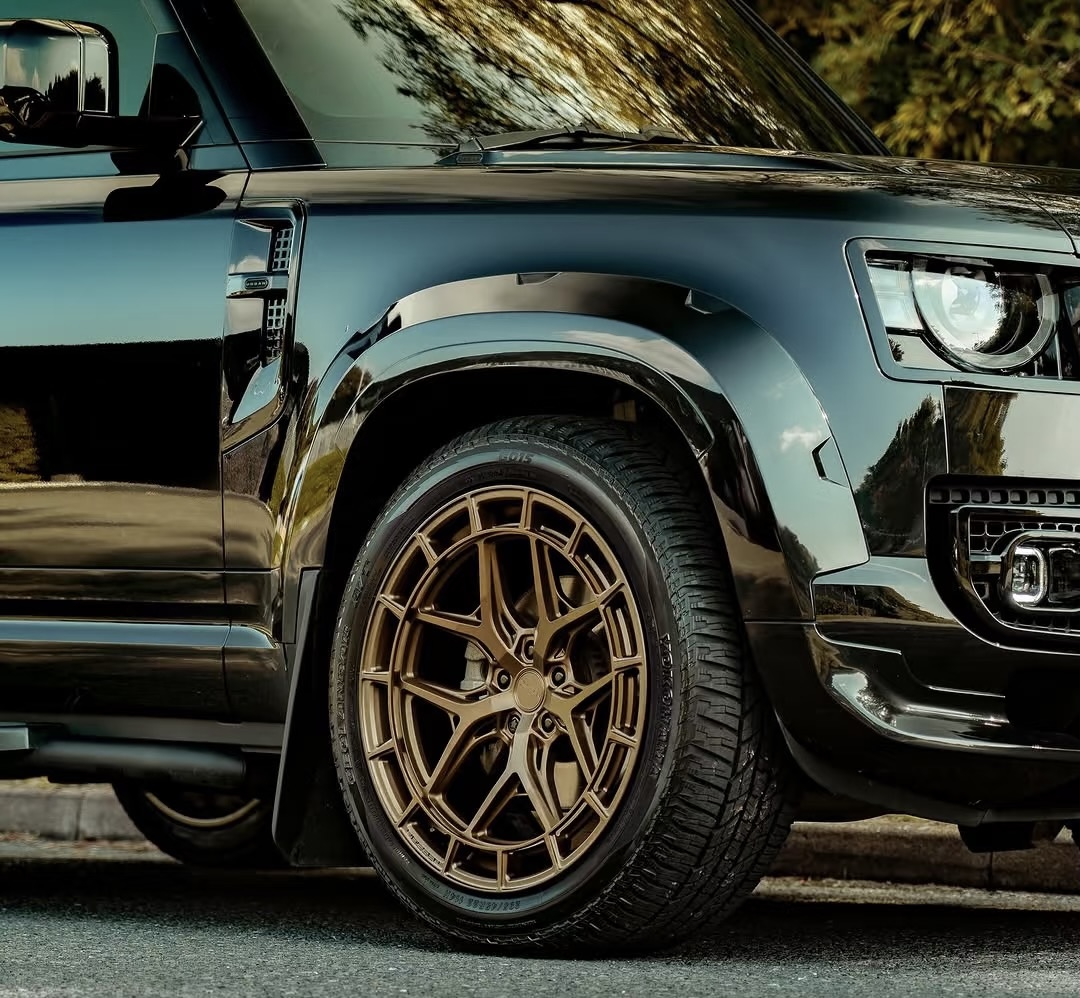
What Is Wheel Offset? A Complete Explanation for Choosing the Right Wheels
What Is Wheel Offset? A Complete Explanation for Choosing the Right Wheels
When you decide to upgrade your vehicle’s wheels, choosing a stunning style or the right diameter is only half the job. The most critical technical specification—the one that determines whether your new setup rolls smoothly or destroys your fenders—is wheel offset.
Whether you are looking for a sleek, flush fitment on a street car or an aggressive, wide stance on an off-road truck, understanding wheel offset is essential. Installing wheels with the wrong offset can result in severe tire rubbing, damaged suspension components, and compromised driving dynamics.
This complete overview breaks down everything you need to know about wheel offset, how to measure it, how it differs from backspacing, and how to select the safest specs for your vehicle.
1.What Is Wheel Offset and Why Does It Matter?
Wheel offset is the distance, measured in millimeters (mm), from the wheel’s true centerline to its hub mounting surface (the flat area on the back of the wheel that sits flush against the brake rotor or drum).
  [Inner Lip / Suspension Side]
                 |
                 |<--- Backspacing --->|
                 |                     |
  ===============|=====================|===============  <-- True Centerline
                 |        |            |
                 |        |<--Offset-->|
                 |        |            |
  [Wheel Barrel] |     [Hub Mounting   | [Outer Face / Street Side]
                 |       Surface]      |
Why Wheel Offset Is Critical for Your Vehicle
Offset dictates exactly how your wheel sits within the wheel well relative to the body lines and suspension of your car or truck. Paying close attention to wheel offset ensures:
-
Proper Component Clearance: Prevents the inner wheel barrel or tire sidewall from making contact with control arms, struts, tie rods, or brake calipers.
-
Fender Protection: Stops the outer edge of the tire from slicing into the fender lip during severe suspension compression or tight turns.
-
Optimal Handling & Geometry: Keeps your factory scrub radius, steering feedback, and track width within engineer-approved tolerances.
-
Component Longevity: Avoids placing abnormal leverage on your wheel bearings, hub assemblies, and steering linkages.
2.Positive, Negative, and Zero Wheel Offset Explained
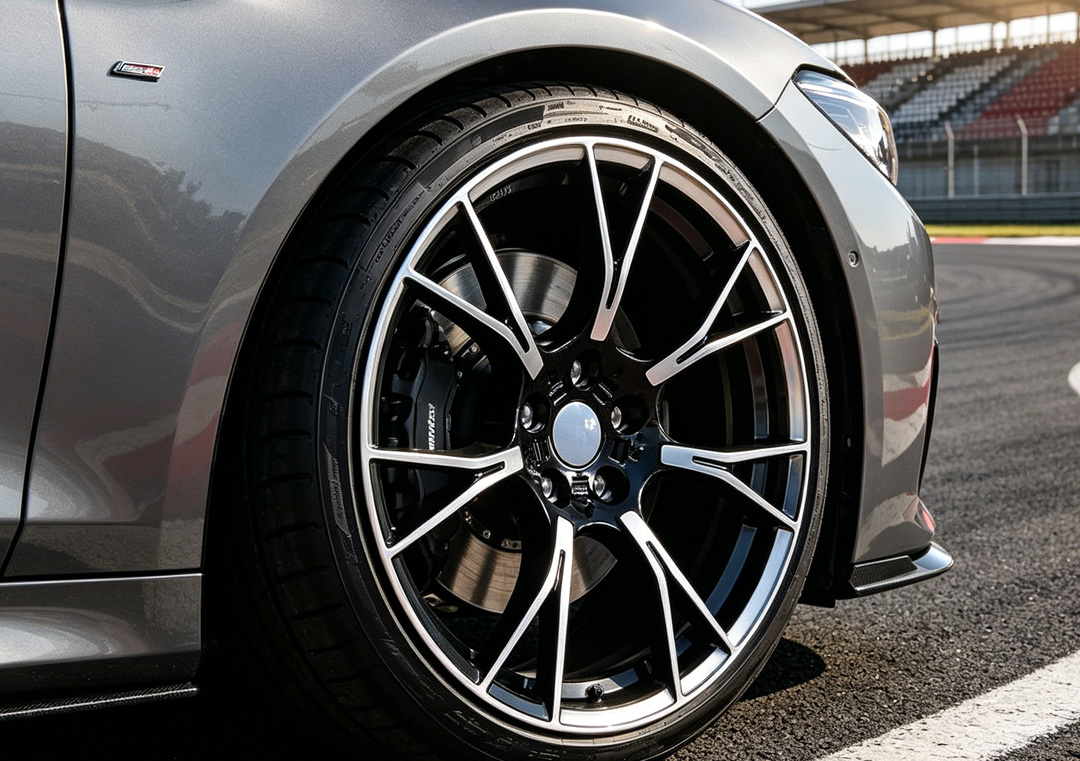
Wheel offset is always categorized into three distinct types: Positive, Zero, and Negative. Understanding these three categories makes finding your ideal fitment significantly easier.
       ZERO OFFSET                 POSITIVE OFFSET                NEGATIVE OFFSET
  (Hub at Centerline)          (Hub Towards Front Face)       (Hub Towards Inner Back)

   Outer         Inner          Outer         Inner          Outer         Inner
   Face          Edge           Face          Edge           Face          Edge
   +---------------+            +---------------+            +---------------+
   |   |       |   |            |   |   |   |   |            |   |   |   |   |
   |   |  Hub  |   |            |   |Hub|   |   |            |   |   |   |   |
   |   |===|===|   |            |   |===|   |   |            |   |   |===|   |
   |   |   |   |   |            |   |   |   |   |            |   |   |   |   |
   +---------------+            +---------------+            +---------------+
           ^                            ^                            ^
      Centerline                   Centerline                   Centerline
1. Positive Wheel Offset (+Offset)
A positive offset means the mounting hub surface is positioned toward the front (street side) of the wheel.
-
Visual Effect: The wheel face is pushed outward, pulling the entire wheel assembly further inward toward the frame and suspension components.
-
Common Applications: Most modern front-wheel-drive (FWD), all-wheel-drive (AWD), and late-model rear-wheel-drive (RWD) sedans, crossovers, and stock sports cars come from the factory with positive offset wheels (typically ranging from +30mm to +50mm).
2. Zero Wheel Offset (0mm)
A zero offset means the mounting surface aligns perfectly with the geometric centerline of the wheel width.
-
Visual Effect: The wheel splits its width evenly—half extends toward the suspension, and half extends outward toward the fender edge.
-
Common Applications: Popular on classic muscle cars, older light trucks, and select aftermarket setups balancing dish depth with inner clearance.
3. Negative Wheel Offset (-Offset)
A negative offset means the mounting surface is recessed toward the back (inner edge) of the wheel, closer to the suspension.
-
Visual Effect: The mounting face is pushed back, forcing the rest of the wheel out past the fender for a wide stance and a deep-dish appearance.
-
Common Applications: Widely used on lifted trucks, off-road vehicles requiring clearance for wide mud-terrain tires, and dedicated drift cars equipped with widebody kits.
3.Wheel Offset vs. Backspacing: What Is the Difference?
While both terms describe how a wheel fits into your wheel well, wheel offset and backspacing measure fitment from two completely different reference points.
+-------------------------------------------------------------------+
|                     Total Wheel Width (e.g., 9")                  |
| <---------------------------------------------------------------> |
|                                                                   |
| [Back Lip] <-------------- Backspacing -------------> [Hub Face]  |
|                                                         |         |
|                         [Centerline]                    |         |
|                              | <------ Offset --------> |         |
+-------------------------------------------------------------------+
Key Differences at a Glance
-
Offset measures the distance from the centerline to the mounting hub in millimeters. Offset can be positive, zero, or negative.
-
Backspacing measures the total distance from the innermost lip of the wheel directly to the mounting surface in inches. Backspacing is always a positive number.
Offset vs. Backspacing Quick Comparison
| Feature | Wheel Offset | Backspacing |
|---|---|---|
| Measurement Unit | Millimeters (mm) | Inches (in) |
| Reference Point | True Centerline of the Wheel | Innermost Rear Rim Edge |
| Value Scale | Positive (+), Zero (0), or Negative (-) | Always Positive |
| Primary Industry Use | European, Asian, & Modern US Cars | Off-Road, Classic Trucks, & Muscle Cars |
| Main Advantage | Precision tuning relative to wheel center | Quick calculation of inner suspension clearance |
4.How Wheel Offset Affects Handling, Fitment, and Suspension
Altering your factory offset does more than change how your vehicle looks in a parking lot—it fundamentally changes your vehicle’s driving behavior and mechanical durability.
                     FACTORY SETUP vs. EXTREME NEGATIVE OFFSET

     Factory Alignment                           Poked / Wide Stance
    +-----------------+                         +-----------------+
    |                 |                         |                 |
    |  +-----------+  |                         |  +-----------+  |
    |  | Frame/Hub |  |                         |  | Frame/Hub |  |
    |  +-----+-----+  |                         |  +-----+-----+  |
    |        |        |                         |        |========|=======> Leverage
    |     [Wheel]     |                         |             [Wheel]       Arm
    +-----------------+                         +-----------------+
  Ideal Load Distribution                     Increased Stress on Bearings
1. Scrub Radius Alterations
Your suspension design depends on a specific scrub radius—the distance between where the steering axis intersects the ground and the center of the tire’s contact patch. Moving the wheel outward (more negative offset) increases the scrub radius. This often leads to:
-
Heavier, more sluggish steering feel at low speeds.
-
Increased “tramlining” (where the car tracks violently along road ruts and grooves).
-
Torque steer in powerful front-wheel-drive platforms.
2. Accelerated Bearing and Suspension Wear
When you push a wheel further outward away from the hub using heavy negative offset or aggressive wheel adapters, you create a longer lever arm. This leverage places exponential strain on wheel bearings, ball joints, control arm bushings, and power steering components, shortening their service life.
3. Clearance and Rubbing Issues
-
Too Much Positive Offset: The wheel moves inward. The tire sidewall or inner rim lip may rub against strut bodies, coil springs, or sway bar links.
-
Too Much Negative Offset: The wheel pokes outward. The outer tread block or sidewall will likely contact the outer fender arch, bumper tabs, or fender liners during turns or bump compressions.
5.How to Choose the Right Wheel Offset for Your Vehicle
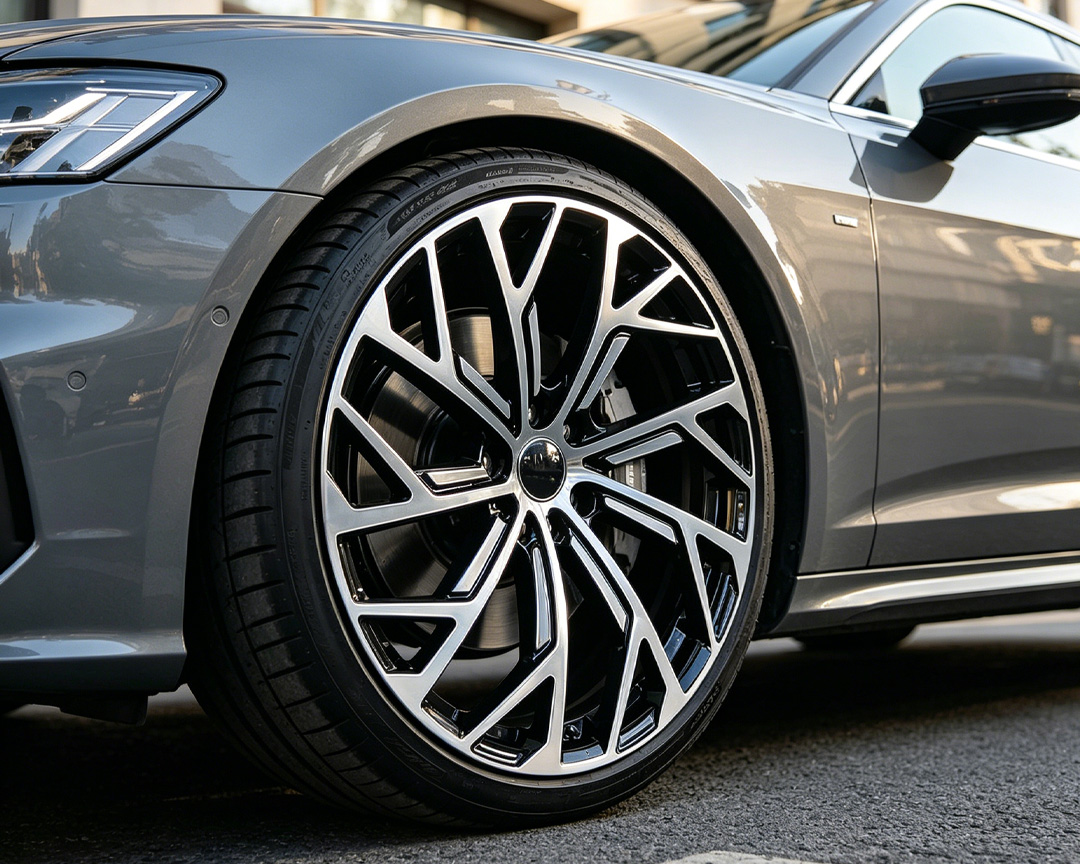
Finding the correct offset balance depends on your vehicle’s factory specifications and your specific fitment goals.
Safe Variance Rule of Thumb
As a baseline standard across the automotive aftermarket, it is generally recommended to keep your new wheel offset within 5mm to 15mm of your factory OEM offset specifications, assuming wheel width remains relatively close to stock.
Step-by-Step Offset Selection Process
-
Locate Factory Specs: Check your owner’s manual, driver-side door jamb sticker, or stamped markings on the back of your factory wheels (e.g.,
18x8J ET45—where ET stands for Einpresstiefe, the German term for offset, meaning +45mm). -
Account for Wheel Width Changes: If you increase overall wheel width (e.g., moving from an 8-inch wide wheel to a 9.5-inch wide wheel), the added width splits evenly between the inside and outside edges. You will need to calculate offset adjustments accordingly to avoid hitting inner struts or outer fenders.
-
Determine Your Style Objective:
-
OEM / Flush Fitment: Stay within +5mm to +10mm of stock offset to fill out the wheel wells cleanly without modifying bodywork.
-
Aggressive / Stanced Look: Shift toward lower positive or negative offsets. Be prepared for potential modifications like fender rolling, trimming plastic liners, or adding performance camber plates.
-
Frequently Asked Questions(FAQ)
1. What is wheel offset and why is it important?
Wheel offset is the distance (in millimeters) from the wheel’s mounting hub surface to its true centerline. It is critical because it dictates how the wheel sits inside the wheel well. Incorrect offset can cause tires to rub against suspension components or bodywork, alter steering geometry, and accelerate suspension wear.
2. What is the difference between positive, negative, and zero wheel offset?
-
Positive Offset: The mounting surface is closer to the front/outside face of the wheel, tucking the wheel inward toward the suspension (common on modern cars).
-
Negative Offset: The mounting surface is closer to the back/inner edge, pushing the wheel outward for a wide stance or “deep dish” look (common on lifted trucks).
-
Zero Offset: The mounting surface is exactly aligned with the wheel’s centerline.
3. How does wheel offset affect vehicle handling and fitment?
Offset directly controls clearance and suspension geometry. Too high (positive) an offset can cause inner clearance issues with brakes or shocks. Too low (negative) an offset increases scrub radius and stress on wheel bearings, which leads to heavier steering, potential fender rubbing, and impaired handling.
4. What is the difference between wheel offset and backspacing?
Both measure wheel fitment, but from different reference points:
-
Offset is measured in millimeters relative to the wheel’s centerline (can be positive, negative, or zero).
-
Backspacing is measured in inches from the wheel’s mounting surface to its innermost rear edge.
5. Can I change my wheel offset, and how much offset is safe?
Yes, but stay within 5mm to 15mm of your vehicle’s factory OEM specs to avoid fitment or handling issues. Minor variance is usually safe, but extreme offset changes often require suspension upgrades, fender rolling, or specific spacers to prevent rubbing.
Elevate Your Ride with Precision Fitment
Getting your wheel fitment right transforms both the performance and profile of your vehicle. Whether you are aiming for daily-driven comfort or an eye-catching custom setup, choosing the correct wheel offset ensures your investment delivers optimal handling, long component lifespan, and a perfect stance.
Ready to find the ideal match for your vehicle? Explore engineered wheel options at ATK Wheels to find premium designs with precise offset specifications tailored to your ride.