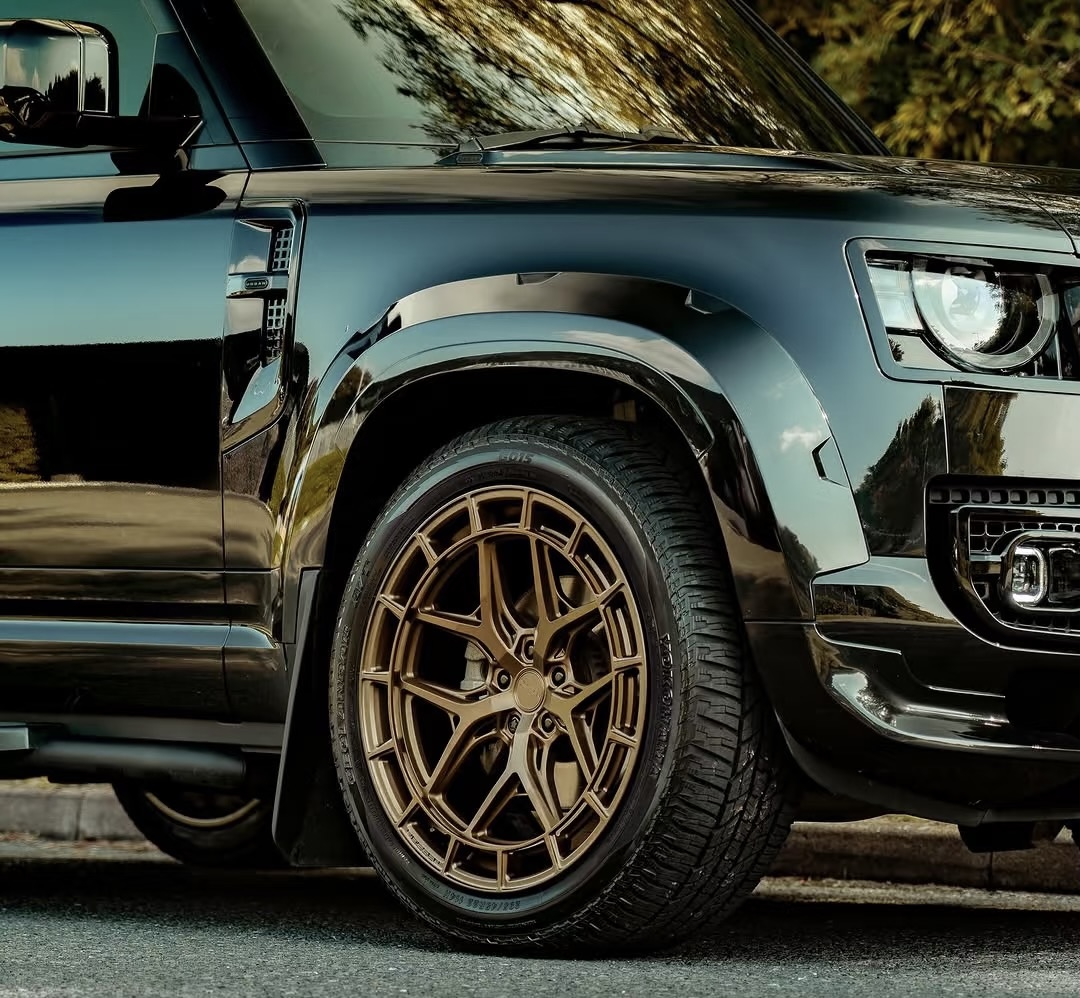
Aftermarket Wheels Rims: What to Know Before Upgrading
Aftermarket Wheels Rims: What to Know Before Upgrading
Upgrading the stance, weight, and visual appeal of your car, truck, or SUV almost always starts with one high-impact modification: swapping out factory equipment for aftermarket wheels and rims.
While modern factory cars come equipped with reliable components, original equipment manufacturer (OEM) options are built to satisfy generic budgets and broad consumer tastes. Choosing custom aftermarket wheels and rims unlocks a world of tailored aesthetics, sharper steering response, reduced unsprung mass, and optimized brake clearance.
Navigating bolt patterns, offset specs, forged versus cast construction, and hub-centric rings can quickly get overwhelming. In this resource, we break down every dimension of selecting, sizing, and installing aftermarket wheels and rims so you can build your dream setup with absolute confidence.
1.What Are Aftermarket Wheels and Rims?
Aftermarket wheels and rims are replacement or upgraded wheel assemblies manufactured by independent companies rather than the original auto maker. While the terms “wheel” and “rim” are often used interchangeably in everyday conversation, they technically refer to different parts of the same unit:
-
The Rim: The outer circular edge of the wheel that holds the tire bead in place.
-
The Wheel: The entire metal assembly, including the rim, barrel, spokes, and center hub.
Unlike mass-produced factory wheels engineered to meet basic standard specs, aftermarket options offer endless choices in design, sizing, metallic alloys, finishes, and offset measurements.
Why Drivers Choose Aftermarket Over OEM
Why do drivers replace perfectly functional original equipment? The motivations generally fall into three main categories:
-
Aesthetic Customization: Custom finishes like gloss black, brushed bronze, gunmetal, or chrome radically alter a vehicle’s personality.
-
Performance Enhancements: Lighter aluminum alloys decrease rotational inertia, improving acceleration, stopping distance, and suspension response.
-
Sizing Flexibility: Enthusiasts can widen their wheel footprint to fit larger, high-grip tires or increase wheel diameter for a flush, aggressive fitment.

2.Cast vs. Flow-Formed vs. Forged Wheels: Understanding Construction Methods
Not all aftermarket rims are created equal. The manufacturing technique directly dictates structural strength, overall weight, impact resistance, and final cost.
       [ Cast Wheels ]              [ Flow-Formed ]               [ Forged Wheels ]
  -------------------------    -------------------------    -------------------------
   Molten alloy poured into     Cast blank spun/stretched    Solid aluminum billet
   a mold. Entry-level cost.    under pressure. Lighter.     compressed under heat.
                                                             Ultimate strength.
1. Cast Aluminum Wheels
Casting involves pouring molten aluminum alloy into a predefined mold. Once cooled, the raw wheel is machined and finished.
-
Gravity Casting: The simplest method, relying on standard gravity to fill the mold. It is cost-effective but requires thicker walls to ensure strength, making the wheel heavier.
-
Low-Pressure Casting: Liquid metal is pushed into the mold under light pressure. This creates a denser molecular structure with fewer air pockets than gravity casting.
2. Flow-Formed / Rotary Forged Wheels
Flow forming begins as a low-pressure cast wheel. The inner barrel is then heated and spun over a mandrel while specialized hydraulic rollers stretch and compress the aluminum. This process aligns the grain structure of the metal similarly to a fully forged wheel, yielding a significantly lighter and stronger inner rim barrel at a mid-tier price point.
3. Forged Aluminum Wheels
Forged wheels represent the pinnacle of strength and weight reduction. A solid block of aerospace-grade T6-6061 aluminum billet is subjected to immense heat and pressure (often exceeding 10,000 tons) to forge the material shape before CNC machinery carves out the spoke design.
-
Maximum Structural Integrity: Highly resistant to cracking or bending under severe track use or deep potholes.
-
Ultra-Lightweight: Allows for thinner spokes and rims without compromising load ratings.
Wheel Manufacturing Method Comparison
| Feature / Property | Cast Wheels | Flow-Formed Wheels | Forged Wheels |
|---|---|---|---|
| Manufacturing Process | Molten metal poured into mold | Cast blank spun & stretched | Solid aluminum block pressurized |
| Weight | Heavy to Moderate | Light | Extremely Lightweight |
| Structural Strength | Standard / Moderate | High | Maximum |
| Impact Resistance | Moderate (Prone to cracking under hard hits) | High | Exceptional (Bends before cracking) |
| Price Point | Budget-Friendly ($100 - $300/wheel) | Mid-Range ($300 - $600/wheel) | Premium ($800 - $2,000+/wheel) |
| Ideal Application | Daily driving, winter setups, basic style | Street performance, spirit driving, light track | Racing, luxury sport, heavy towing |
3.Decoding Fitment Specifications: How to Ensure Perfect Clearance
Ordering aftermarket wheels and rims without verifying fitment specs can lead to rubbing against brake calipers, fender interference, severe vibration, or suspension damage.
              OUTSIDE OF VEHICLE                     INSIDE / SUSPENSION
             ____________________                   ____________________
            |                    |                 |                    |
            |                    |  Wheel Center   |                    |
            |                    |      Line       |                    |
            |                    |       |         |                    |
            |     Positive       |       | Negative|                    |
            |      Offset        |       | Offset  |                    |
            |      (+ET)         |       |  (-ET)  |                    |
            |                    |<----->|<------->|                    |
            |____________________|_______|_________|____________________|
Key Measurement Checklist
-
Wheel Diameter & Width: Measured in inches (e.g., 18×8.5). Diameter measures the wheel face from top to bottom; width measures the distance across the inner tire beads.
-
Bolt Pattern (PCD – Pitch Circle Diameter): Expressed as the number of lug holes multiplied by the diameter of the imaginary circle they form (e.g., 5×114.3 or 5×120).
-
Wheel Offset (ET): Measured in millimeters, offset is the distance from the wheel’s true mounting hub surface to its geometric centerline.
-
Positive Offset (+ET): Mounting hub sits closer to the front face (common in modern front-wheel and all-wheel-drive cars).
-
Zero Offset (ET0): Mounting hub sits flush with the wheel’s centerline.
-
Negative Offset (-ET): Mounting hub sits deeper inside toward the back rim, pushing the wheel outward away from the car body (popular on lifted trucks and aggressive widebody builds).
-
-
Center Bore (CB): The center hole on the back of the wheel that slips over the vehicle’s axle hub.
-
Brake Caliper Clearance: The space between the backside of the wheel spokes and the outer surface of your brake assembly, crucial if you run upgraded big brake kits (BBKs).
-
Load Rating: The maximum weight a single wheel is rated to support safely.
4.OEM vs. Aftermarket Wheels: Making the Right Choice
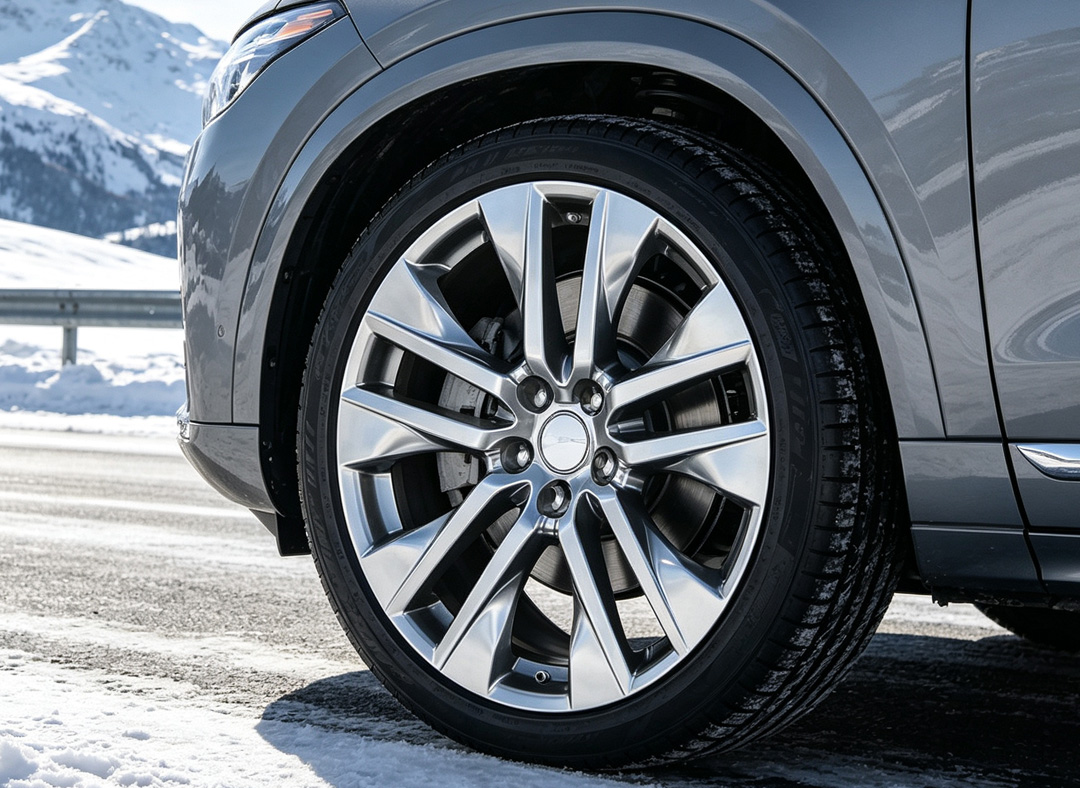
Vehicle owners often ask whether original equipment or aftermarket designs offer better value. The answer depends on your priorities: factory restoration versus personal customization.
  ========================================================================
   CRITERIA               OEM WHEELS                  AFTERMARKET RIMS
  ========================================================================
   Design Variety         Limited to Trim Package     Endless Colors & Styles
   Fitment                100% Direct Factory Bolt    Requires Specs Verification
   Weight                 Standard Heavy Alloy        Options for Ultra-Light
   Price Tag              High Dealer Markup          Competitive Range
   Custom Offset          Not Available               Fully Customizable
  ========================================================================
When to Stick with OEM
-
You prefer maintaining a 100% factory-original look for vehicle resale value.
-
You do not want to measure or calculate bolt patterns, offsets, or center bores.
-
You want guaranteed direct-fit replacement without hub rings or custom lug seats.
When to Choose Aftermarket Rims
-
You want to customize your car’s exterior appearance.
-
You need wider wheels to mount wider performance tires for enhanced traction.
-
You want to reduce unsprung weight to optimize handling and acceleration.
-
You need cost-effective wheel replacements without paying inflated dealership prices.
5.Common Installation Pitfalls & How to Avoid Them
Even high-end forged aftermarket wheels will perform poorly if installed incorrectly. Avoid these common errors during mounting and installation:
1. Using Incorrect Lug Nuts / Seat Types
Factory lug nuts usually feature flat or ball seats, whereas most aftermarket wheels require 60-degree conical (tapered) lug seats. Using stock lug nuts on aftermarket wheels creates incorrect contact clamping, which can cause lug studs to shear off under load.
2. Skipping Hub-Centric Rings
Most aftermarket wheels feature a larger center bore so they can fit various car models. If your vehicle’s axle hub is smaller than the wheel’s center bore (a lug-centric setup), you may experience steering wheel vibrations at highway speeds. Installing precise hub-centric rings fills that clearance gap, centering the wheel perfectly on the hub.
3. Ignoring Proper Torque Specifications
Never use an uncalibrated pneumatic impact wrench to tighten custom wheels. Always use a calibrated torque wrench and tighten the lug nuts in a star pattern to the exact foot-pounds (ft-lbs) specified in your vehicle owner’s manual.
FAQ: Frequently Asked Questions
1. What are aftermarket wheels and rims?
Aftermarket wheels and rims are replacement or upgraded wheels built by specialty manufacturers rather than the original car manufacturer. They provide vehicle owners with broader choices in spoke design, custom colors, wider fitment dimensions, lighter weights, and enhanced performance characteristics.
2. How do I know if aftermarket wheels will fit my vehicle?
To ensure proper fitment, verify seven core specifications against your vehicle’s factory standards: diameter, rim width, bolt pattern (PCD), offset (ET), center bore, brake caliper clearance, and maximum load capacity. Using accurate vehicle fitment lookup tools or consulting fitment specialists ensures a flush setup without wheel-well rubbing.
3. Are aftermarket wheels better than OEM wheels?
Not inherently, as quality varies across brands. High-grade flow-formed and forged aftermarket options are lighter, stronger, and more customizable than heavy cast factory wheels. However, cheap low-quality replica wheels can compromise durability compared to strictly tested OEM equipment.
4. Do bigger aftermarket rims improve vehicle performance?
Increasing rim size alters handling dynamics. Larger diameter wheels paired with low-profile tire sidewalls improve steering response, turn-in sharpness, and cornering stability. However, excessively large rims add rotational weight, lower ride comfort over rough roads, and expose the wheel rim to curb damage.
5. Can aftermarket wheels affect my vehicle’s safety?
Yes. Installing wheels with incorrect offset, insufficient load ratings, or improper lug hardware can result in tire clearance rubbing, wheel-bearing stress, hub vibrations, or catastrophic hardware failure. Always match load specs, use proper torque patterns, and fit hub-centric rings when necessary.
Elevate Your Ride with Premium Aftermarket Wheels Today
Ready to transform your vehicle’s stance, performance, and style? Choosing the right set of aftermarket wheels and rims is the ultimate upgrade for any auto enthusiast. Whether you want sleek rotary-forged street wheels or rugged off-road rims, matching the right fitment specs delivers an unbeatable driving experience.
Explore Our Complete Collection of Custom Wheels & Rims at ATK Wheels to find precision-engineered fitments tailored to your exact make and model!