
OE Wheels: Everything You Need to Know About Factory Original Equipment Wheels
OE Wheels: Everything You Need to Know About Factory Original Equipment Wheels
When it comes to maintaining, upgrading, or restoring your vehicle, few components impact both performance and appearance as significantly as your wheels. Whether you hit a nasty pothole on the highway, want to restore a classic ride to its showroom glory, or simply need a second set of rims for winter tires, you’ll inevitably run into the term OE wheels.
However, navigating the wheel industry can feel overwhelming. What exactly does OE mean? Are OE style wheels as reliable as original factory parts? How do they stack up against custom aftermarket options?
In this complete handbook, we’ll break down everything you need to know about OE wheels—covering quality standards, fitment nuances, cost savings, and actionable tips to ensure you make the smartest investment for your vehicle.
1.What Are OE Wheels?
OE wheels (short for Original Equipment wheels) are rims built to mirror the exact engineering specifications, dimensions, load ratings, and design of the wheels that originally came on your vehicle from the factory.
+-------------------------------------------------------------------+
|                        KEY DEFINITION                             |
| OE Wheels = Factory-spec wheels engineered to match your car's   |
| exact bolt pattern, center bore, offset, load rating, and finish. |
+-------------------------------------------------------------------+
When a car manufacturer designs a vehicle, they collaborate with specialized wheel foundries to create rims tailored specifically to that model’s weight distribution, braking clearance, and suspension geometry. Rims labeled as OE or OE-style replicate these exact characteristics so you get a seamless, plug-and-play fit without needing custom hub rings, spacers, or modified lug nuts.
The Key Differences: OEM vs. OE Style vs. Aftermarket
To make an informed purchase, it helps to clear up common industry jargon. While these terms are often thrown around interchangeably, key differences affect price and availability:
-
OEM Wheels (Original Equipment Manufacturer): These are genuine wheels made directly for the car brand (e.g., Ford, Chevrolet, Toyota) and sold through dealership parts counters. They usually feature the car manufacturer’s stamped logo on the back and carry steep dealership price tags.
-
OE Style / Replica Wheels: These rims are produced by third-party manufacturers following the exact factory dimensions, load capacities, and styling of original OEM wheels. They offer the identical look and performance of factory rims at a fraction of the dealer cost.
-
Custom Aftermarket Wheels: Designed with unique, non-factory styling, aggressive offsets, and custom fitments. While popular for car shows and track builds, they often require extra hardware to install safely on daily drivers.
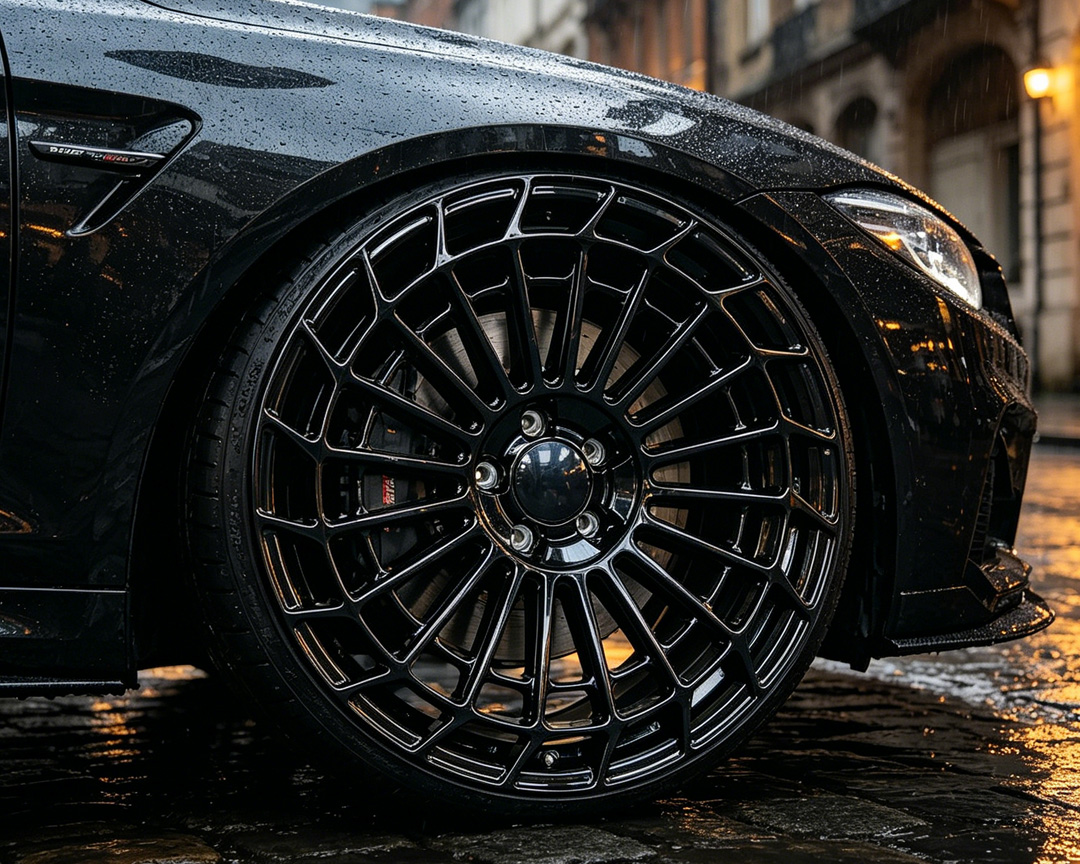
2.Why Choose OE Wheels? The Top Benefits for Daily Drivers
Choosing the right wheel setup comes down to balancing safety, aesthetics, and overall value. For the vast majority of vehicle owners, OE wheels hit the absolute sweet spot.
       [ SAFETY & FITMENT ] -------------> Guaranteed Factory Clearance
               |
               v
       [ OE WHEELS VALUE ] -------------> Seamless OEM Aesthetic
               |
               v
       [ COST EFFICIENCY ] -------------> Up to 50-70% Less Than Dealer OEM
1. Guaranteed Fitment Without the Guesswork
Installing generic aftermarket wheels often involves deciphering complex calculations for offset, backspacing, center bore sizing, and bolt patterns. If your math is slightly off, you risk tire rubbing, uneven tread wear, or suspension clearance issues. OE wheels eliminate this stress entirely—they are engineered to bolt directly onto your stock hubs using factory torque specs.
2. Factory-Style Aesthetics
Many drivers love the original clean, aggressive, or luxury look designed by their vehicle’s brand studio. Whether you drive a truck, a luxury sedan, or a muscle car, OE replica wheels preserve that signature factory appearance without making your ride look overly modified or out of place.
3. Substantial Cost Savings
Buying genuine OEM wheels through a franchised dealership can easily set you back $600 to $1,200 per wheel. High-quality OE replica wheels deliver the exact same visual design and structural performance for a fraction of that price—frequently saving vehicle owners anywhere from 50% to 70% overall.
4. Stress-Free Maintenance and Replacement
If you damage a custom aftermarket wheel three years after buying the set, matching it can be a nightmare because aftermarket designs are frequently discontinued. Conversely, OE wheel designs remain widely available for decades, making single-wheel replacements easy and affordable.
3.OE Wheels vs. Custom Aftermarket Wheels: A Side-by-Side Comparison
To help you decide which path fits your specific driving needs, here is a detailed comparison comparing factory-spec OE wheels against custom aftermarket options:
| Feature / Metric | OE / OE Style Wheels | Custom Aftermarket Wheels |
|---|---|---|
| Fitment Accuracy | Direct fit (Hub-centric, factory bolt pattern) | Variable (May require hub rings, spacers, or new bolts) |
| Installation Ease | Plug-and-play with standard tools | May require suspension modifications or fender rolling |
| Styling | Clean, timeless factory-inspired look | Wide range of wild, aggressive, or custom designs |
| Resale Value Impact | Retains broad appeal for resale or trade-ins | Niche appeal; can sometimes lower trade-in value |
| Pricing | Highly cost-effective | Varies wildly (from cheap budget rims to expensive forged sets) |
| Replacement Ease | Very high; long-term availability | Moderate to low; designs discontinue quickly |
4.How to Verify Quality and Safety in OE Wheels
Not all wheels floating around the market are built to the same quality standard. Wheels are critical safety components—a structural failure at highway speeds can cause severe accidents. When shopping for OE wheels, ensure the manufacturer adheres to strict industry standards.
Crucial Testing Standards to Look For:
-
SAE J2530 Certification: The Society of Automotive Engineers standard that tests wheels for dynamic cornering fatigue, radial fatigue, and impact resistance.
-
VIA / JWL Standards: Japanese industrial testing benchmarks widely recognized globally for cast aluminum alloy wheel structural integrity.
-
ISO 9001 Quality Management: Ensures the foundry maintains consistent manufacturing controls across every batch produced.
+------------------------------------------------------------------+
|                     QUALITY CHECKLIST                            |
|  [✓] Verified Load Rating (Matches Gross Axle Weight Rating)     |
|  [✓] Structural Certification Marks (JWL, VIA, or SAE)           |
|  [✓] Hub-Centric Design (Matches exact center bore in mm)        |
|  [✓] Durable Protective Finish (Clear coat, powder coat, chrome)  |
+------------------------------------------------------------------+
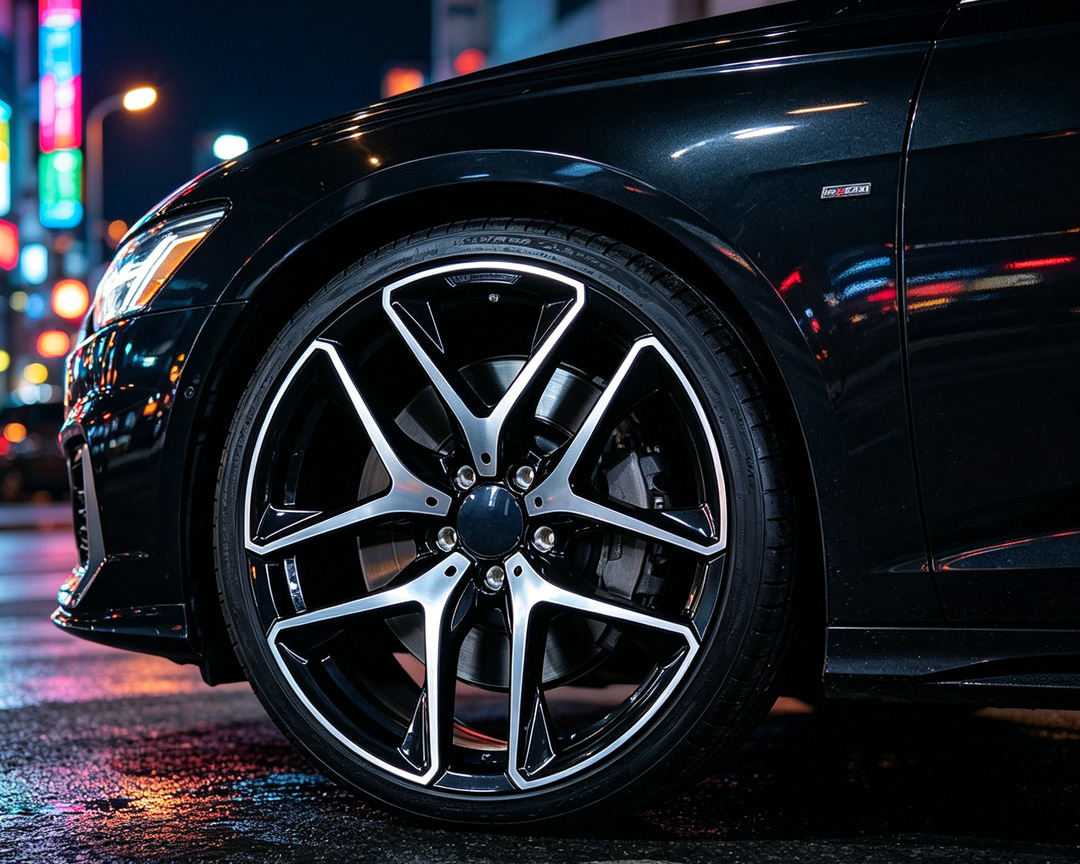
5.Step-by-Step: How to Find the Exact OE Wheel Fitment for Your Vehicle
Before hitting the checkout button, taking five minutes to check your vehicle’s specs will save you time, shipping fees, and installation headaches.
Step 1: Confirm Your Bolt Pattern (PCD)
The Pitch Circle Diameter (PCD) measures the number of lug holes and the diameter of the circle they form (e.g., 5x114.3, 6x139.7, 5x120). Always double-check your vehicle’s specific bolt pattern year-by-year, as manufacturers occasionally change specs between generations.
Step 2: Check the Wheel Offset and Backspacing
Offset (measured in millimeters, designated as ET) determines how far inward or outward the wheel sits inside the wheel well:
-
Positive Offset: The mounting surface is toward the front face of the wheel (common on modern front-wheel and all-wheel-drive vehicles).
-
Zero/Negative Offset: The mounting surface sits closer to the back, pushing the wheel outward for a wider stance (common on trucks and classic rear-wheel-drive vehicles).
Matching your vehicle’s factory offset range prevents the inner rim from rubbing against brake calipers or strut towers.
Step 3: Match the Center Bore
Your vehicle’s hub has a raised center ring. A hub-centric OE wheel features a center bore opening that precisely matches this ring down to the millimeter. Hub-centric designs distribute the vehicle weight directly onto the axle hub rather than placing sheer stress on the lug studs alone, eliminating high-speed steering wheel vibrations.
Step 4: Verify the Load Rating
For truck, SUV, and towing applications, ensure the load rating cast into the back of the wheel comfortably exceeds half of your vehicle’s highest Gross Axle Weight Rating (GAWR).
6.How to Spot Authentic Features on OE Wheels
Whether you’re shopping online or inspecting a set in person, here are practical ways to identify genuine features and quality casting:
Pro-Tip: Turn the wheel over and inspect the back of the spokes. Quality OE wheels feature clean, legible stampings showing offset (ET), bolt pattern dimensions, wheel width/diameter, and structural safety marks (such as JWL or VIA). Avoid wheels with unreadable, smeared, or missing technical stampings.
-
Finish Uniformity: Check for smooth paint transitions, clear coat depth, and lack of orange peel texture inside lug pockets and around spoke edges.
-
Weight Consistency: High-grade aluminum alloys yield consistent weight across all four wheels in a set. Large weight variances signal inconsistent casting density.
-
True Radial Balance: Quality wheels spin true straight out of the box, requiring minimal wheel weights during tire mounting and balancing.
7.Top Maintenance Practices to Keep OE Wheels Looking New
Once you’ve installed a fresh set of OE wheels, simple care habits will protect their finish against road salt, brake dust, and environmental oxidation.
-
Avoid Harsh Acid-Based Cleaners: Acidic cleaners degrade the clear coat over time, leading to premature peeling or finish oxidation. Stick to pH-neutral wheel cleansers and soft microfiber brushes.
-
Clean Brake Dust Frequently: Brake dust contains microscopic metallic particles that bake into the wheel’s clear coat under thermal heat. Washing your rims every two weeks prevents permanent pitting.
-
Apply a Protective Wax or Ceramic Coating: Applying a coat of ceramic sealant or synthetic rim wax creates a slick barrier, allowing grime and dust to wash off effortlessly.
-
Torque Lug Nuts to Factory Spec: Always use a calibrated torque wrench when mounting wheels. Over-tightening with an impact gun can warp the wheel mounting pad or brake rotors, while under-tightening creates serious driving hazards.
Frequently Asked Questions (FAQ)
1.What are OE wheels?
OE (Original Equipment) wheels are factory-spec wheels designed to match a vehicle’s original size, fitment, load rating, and performance requirements. They provide an exact fit without needing custom hub rings, modified offsets, or body work.
2.Are OE wheels better than aftermarket wheels?
OE wheels offer guaranteed fitment, factory quality, and a timeless original look, while aftermarket wheels provide more options for custom style, extreme sizes, and specialized performance upgrades. For daily driving and straightforward reliability, OE wheels are generally the more convenient choice.
3.Can I replace aftermarket wheels with OE wheels?
Yes. As long as the OE wheels match your vehicle’s specific bolt pattern, center bore, offset clearance, and load capacity, they can be installed safely to return your car to factory-spec handling and ride comfort.
4.How can I identify genuine OE wheels?
Genuine OE wheels and high-grade OE replicas typically feature the manufacturer’s part numbers, dimensions, structural certification marks (such as JWL, VIA, or SAE), and load ratings cast directly into the backside of the wheel spokes.
5.Are OE wheels worth buying?
Yes. OE wheels are an excellent investment for drivers who value original appearance, predictable vehicle handling, durable factory finishes, hassle-free installation, and exceptional value compared to high dealer markups.
Find the Perfect Set of OE Wheels for Your Vehicle Today
Upgrading or replacing your wheels doesn’t have to mean overpaying at a car dealership or taking chances on unpredictable custom fitments. By choosing high-quality OE wheels engineered to factory standards, you enjoy the ideal combination of safety, performance, and refined style—all while keeping your budget intact.
Ready to restore your ride with a set of precision-engineered wheels? Check out our extensive collection of factory-style replacements and upgrades at ATK Wheels. Explore exact-fit options designed for your vehicle’s make and model, backed by industry-leading quality testing and fast, reliable shipping!

Keep up the amazing work! Can’t wait to see what you have in store for us next.
Thank you for your recognition. We will continue to update. If you want to purchase car wheels, you can contact us. We have a very professional customer service team to provide you with professional services