The Complete Handbook to Aftermarket Car Wheels: Upgrade Your Ride’s Style and Performance
The Complete Handbook to Aftermarket Car Wheels: Upgrade Your Ride’s Style and Performance
Upgrading your vehicle is a journey of personal expression and mechanical improvement. For many car enthusiasts and daily drivers across the United States, replacing stock factory rims is the single most impactful modification you can make. The right set of wheels completely changes a vehicle’s stance, sharpens steering response, and turns heads on every corner.
However, navigating the world of custom wheels can feel overwhelming. With thousands of styles, multiple manufacturing processes, and precise technical measurements to consider, choosing the perfect setup requires a clear understanding of both aesthetics and engineering.
In this deep dive, we will explore everything you need to know about aftermarket car wheels—from how they are manufactured to exact fitment specifications, performance benefits, and long-term maintenance.
1.What Are Aftermarket Car Wheels?
Aftermarket car wheels are wheels produced by independent third-party manufacturers rather than the original equipment manufacturer (OEM) that built your vehicle. While OEM wheels are designed to appeal to a broad audience and keep production costs predictable, aftermarket options offer custom styling, optimized weight, and specialized engineering for distinct driving needs.
+-----------------------------------------------------------------------+
|                       KEY DEFINITION BOX                              |
|                                                                       |
|  Aftermarket Car Wheels: Custom wheels made by specialized            |
|  manufacturers to replace factory (OEM) wheels, designed to improve   |
|  vehicle appearance, handling, fuel efficiency, and customization.    |
+-----------------------------------------------------------------------+
When automobile makers design stock wheels, they balance cost, mass production simplicity, and general comfort. In contrast, aftermarket brands focus on performance optimization, weight reduction, and custom fitment choices that cater directly to enthusiast demands.
2.Why Upgrade to Aftermarket Rims? Key Benefits Explained
Switching from standard factory rims to custom aftermarket solutions provides immediate visual and mechanical upgrades. Here is why drivers choose to make the swap:
1. Unmatched Visual Customization
Factory wheels often look modest or standardized. Aftermarket options unlock a massive library of finishes, spoke designs, concavity levels, and lip depths:
-
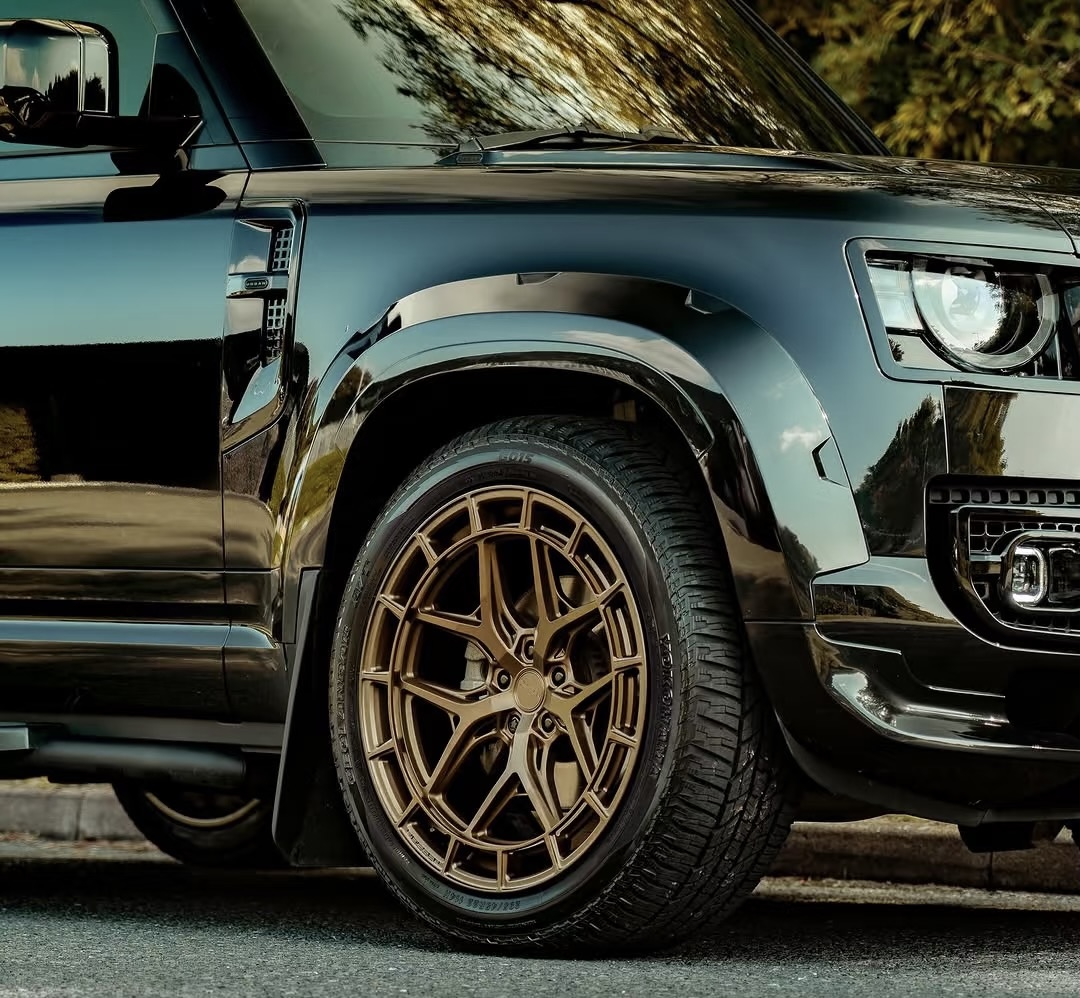
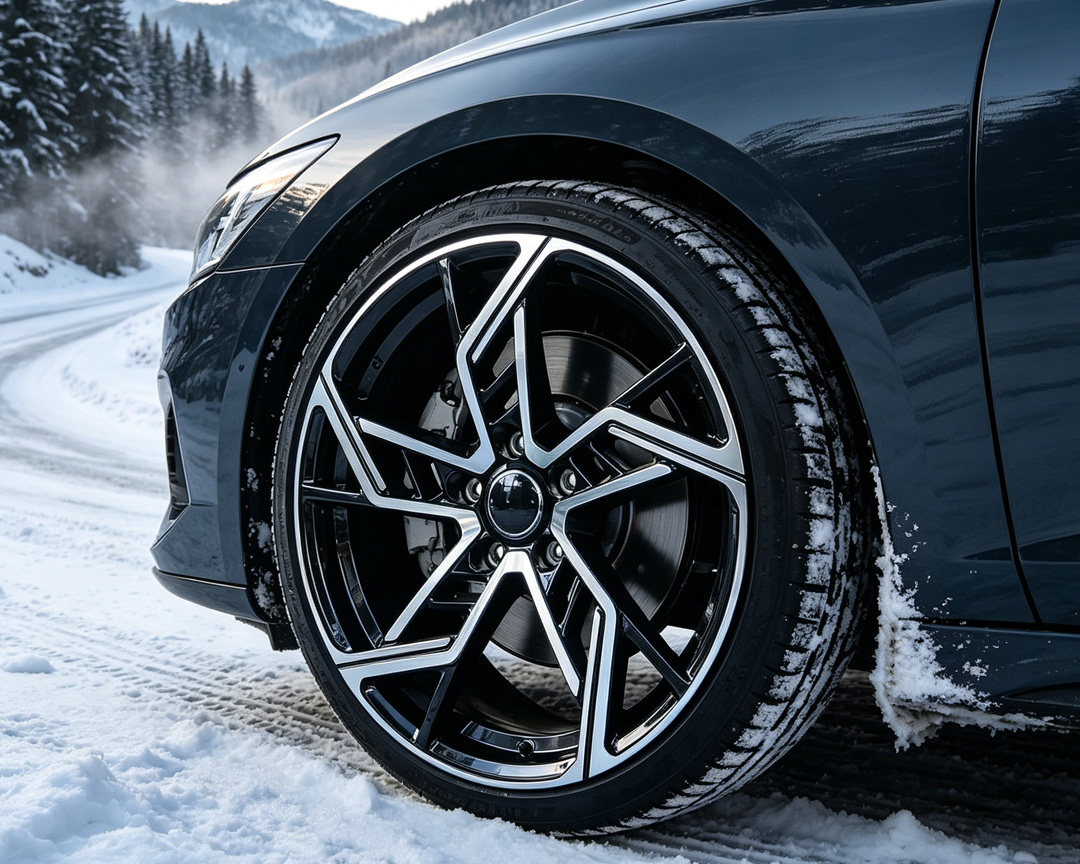
Finishes: Matte black, hyper silver, deep bronze, polished chrome, dual-tone machine facing, and custom color coats.
-
Designs: Mesh patterns, classic five-spoke setups, directional vanes, and aggressive multi-spoke layouts.
2. Enhanced Vehicle Performance and Handling
Upgrading to high-grade lightweight wheels directly targets unsprung weight—the total mass of vehicle components not supported by the suspension system (including wheels, tires, and brakes).
Reducing unsprung mass offers distinct performance perks:
-
Faster Acceleration: Less rotational mass allows the engine to spin the wheels up to speed quicker.
-
Sharper Braking Response: Reduced kinetic energy means brake rotors stop the wheels with less exertion.
-
Improved Suspension Geometry: Lighter rims allow shocks and springs to react faster to bumps, keeping tires glued to the road surface.
3. Tailored Fitment and Stance
Factory wheels usually sit tucked inside the wheel well. Aftermarket setups allow you to choose custom offsets and widths to achieve a flush stance or aggressive wide-body profile without compromising safety when properly calculated.
3.Understanding Manufacturing Methods: Cast, Flow-Formed, and Forged
Not all custom wheels are built the same way. The manufacturing process directly impacts a wheel’s strength, structural integrity, total weight, and overall price point.
+-----------------------------------------------------------------------+
|                     MANUFACTURING PROCESSES                           |
|                                                                       |
|   [ Gravity Cast ]  -->  [ Flow-Formed ]  -->  [ Fully Forged ]       |
|    Entry Level            Mid-Tier                Top Tier            |
|    Heavier Weight         Rotary Stretched        Maximum Strength    |
|    Budget Friendly        Strong & Light          Ultra Lightweight   |
+-----------------------------------------------------------------------+
Gravity and Low-Pressure Cast Wheels
Casting involves pouring molten aluminum alloy into a pre-shaped mold.
-
Gravity Casting: Molten metal fills the mold under its own weight. It is cost-effective but produces a denser, heavier wheel structure.
-
Low-Pressure Casting: Liquid aluminum is pressurized into the mold from below, reducing structural porosity and creating a stronger finish than gravity casting.
Flow-Formed (Rotary Forged) Wheels
Flow-forming blends casting with high-pressure rolling. The wheel center is cast under low pressure, then mounted to a specialized machine that spins and stretches the wheel barrel using hydraulic rollers under high heat. This continuous grain structure drastically increases strength while reducing barrel thickness and total weight.
Fully Forged Aluminum Wheels
Forged wheels represent the pinnacle of wheel engineering. A solid billet of aerospace-grade 6061-T6 aluminum is subjected to extreme heat and intense hydraulic pressure (thousands of tons). This process compresses the aluminum’s grain structure into a ultra-dense matrix. CNC machines then carve out intricate spoke designs.
Comparison Table: Wheel Manufacturing Technologies
| Feature / Property | Cast Wheels | Flow-Formed Wheels | Forged Wheels |
|---|---|---|---|
| Manufacturing Method | Molten metal poured into molds | Cast center stretched under heat & pressure | Solid aluminum block compressed under immense force |
| Structural Grain Structure | Porous / Non-directional | Stretched / Aligned along barrel | Continuous / Ultra-dense linear grain |
| Relative Weight | Heavy to Moderate | Lightweight | Ultra-Lightweight |
| Impact Resistance | Moderate (may crack under severe shock) | High structural resilience | Maximum toughness (bends before cracking) |
| Price Point | Budget-Friendly ($100–$250/wheel) | Mid-Range ($250–$500/wheel) | Premium ($600–$2,000+/wheel) |
| Best Used For | Daily commuting, winter tire sets | Track days, spirited street driving, tuners | High-performance sports cars, luxury builds, racing |
4.Technical Fitment 101: Key Measurements You Must Know
Installing new rims requires precise measurement verification to ensure smooth clearance around brake calipers, suspension struts, and fender liners. Below are the six essential metrics every vehicle owner must double-check before buying.
                      WHEEL FITMENT METRICS

              +------------------------------------+
              |          Wheel Diameter            |
              |       (e.g., 18", 19", 20")        |
              +------------------------------------+
                                |
              +------------------------------------+
              |            Wheel Width             |
              |         (e.g., 8.5", 9.5")         |
              +------------------------------------+
                                |
              +------------------------------------+
              |            Bolt Pattern            |
              |         (e.g., 5x114.3mm)          |
              +------------------------------------+
                                |
              +------------------------------------+
              |               Offset               |
              |      (Positive, Zero, Negative)    |
              +------------------------------------+
                                |
              +------------------------------------+
              |            Center Bore             |
              |          (e.g., 73.1mm)            |
              +------------------------------------+
                                |
              +------------------------------------+
              |            Load Rating             |
              |       (Weight capacity/wheel)      |
              +------------------------------------+
1. Bolt Pattern (PCD – Pitch Circle Diameter)
The bolt pattern indicates the number of lug holes and the diameter of the invisible circle they form.
-
Format:
5x114.3means 5 lug holes arranged in a 114.3mm circle. -
Note: You must match your vehicle’s factory bolt pattern precisely unless you use hub-centric conversion adapters.
2. Wheel Diameter and Width
Expressed in inches (e.g., 18x8.5 J), where 18 is the rim diameter and 8.5 is the width from inside bead flange to inside bead flange. Increasing wheel diameter while maintaining tire outer diameter is known as “plus-sizing.”
3. Wheel Offset (ET)
Measured in millimeters, offset is the distance from the wheel’s mounting surface to its true centerline.
-
Positive Offset (+ET): Hub surface faces toward the outside front of the rim (common on modern front-wheel and all-wheel-drive vehicles).
-
Zero Offset (ET0): Hub surface aligns directly with the wheel’s center line.
-
Negative Offset (-ET): Hub surface sits deep inside toward the rear of the wheel, pushing the wheel outward for a deep-dish look (common on off-road trucks and classic muscle cars).
4. Center Bore and Hub-Centric Rings
The center bore is the machined opening on the back of the wheel that sits on your hub’s lip.
-
Hub-Centric: The wheel bore matches the car’s hub size exactly, carrying the vehicle’s weight safely.
-
Lug-Centric: The center bore is larger than the hub; lug nuts center the wheel. If installing lug-centric aftermarket wheels, always use aluminum or composite hub-centric rings to prevent vibration at highway speeds.
5. Load Rating
Every custom wheel possesses a rated weight capacity. Ensure the combined rating of four wheels exceeds your vehicle’s total Gross Axle Weight Rating (GAWR), especially for heavy electric vehicles (EVs), SUVs, and hauling trucks.
5.Step-by-Step Selection Workflow: How to Choose Your Setup
Follow this simple checklist to select the perfect aftermarket setup without headache or fitment issues:
[ Step 1: Identify Drive Goal ]
  ├── Daily commuting? ──> Cast / Flow-Formed
  └── Track performance / Luxury stance? ──> Forged

[ Step 2: Extract OEM Factory Specs ]
  ├── Check door placard or manual for PCD, Offset, and Bore.

[ Step 3: Select Desired Wheel Stance ]
  ├── OEM Flush: Keep offset close to stock (+/- 5mm).
  └── Aggressive Stance: Lower offset, wider rim (may require fender rolling).

[ Step 4: Verify Brake Caliper Clearance ]
  └── Ensure spoke design accommodates performance multi-piston calipers.

[ Step 5: Choose Quality Tires & Accessories ]
  └── Pair with proper lug nuts, TPMS sensors, and hub rings.
6.Essential Accessories and Hardware Upgrades
Installing custom wheels requires more than just swapping rims. Ensure you have these necessary components on hand during installation:
-
TPMS Sensors (Tire Pressure Monitoring System): Original factory TPMS sensors often corrode or do not fit aftermarket valve stem holes. Installing fresh OEM-compatible TPMS sensors prevents dashboard error lights.
-
Aftermarket Lug Nuts / Bolts: Factory lug nuts frequently feature broad washer bases that will not fit into narrower aftermarket lug wells. Tuner-style spline-drive lug nuts or conical seat lug bolts are standard requirements.
-
Hub-Centric Rings: Eliminates micro-gaps between the vehicle hub spigot and wheel center bore, guaranteeing smooth, vibration-free high-speed cruising.
7.Maintenance and Care for Custom Wheels
Protecting your investment requires proper routine maintenance. Custom finishes can be sensitive to harsh road chemicals and brake dust buildup.
Washing Best Practices
-
Never Wash Hot Wheels: Always allow wheels and brake rotors to cool completely down before applying water or soap. Cold water on hot aluminum causes finish damage or rotor warping.
-
Use pH-Neutral Cleaners: Avoid acidic or heavy alkaline wheel cleaners that strip clear coats or corrode raw polished aluminum surfaces.
-
Dedicated Microfiber Towels: Use separate soft brushes and microfiber towels exclusively reserved for wheels to avoid scratching car body paint with metal dust particles.
Winter Protection
If you drive in regions with snow and road salt, consider storing high-end forged or polished rims during winter months. Road salt rapidly degrades painted clear coats and corrodes aluminum. Swap to dedicated cast winter wheels during freezing conditions.
Frequently Asked Questions(FAQ)
1. What are aftermarket car wheels?
Answer: Aftermarket car wheels are vehicle rims produced by specialized third-party manufacturers rather than the original car manufacturer. They are designed to enhance a vehicle’s visual appeal, reduce unsprung weight, improve overall handling, and provide custom fitment configurations.
2. Are aftermarket wheels safer and better than factory wheels?
Answer: High-quality aftermarket wheels made by reputable brands meet or exceed strict safety standards (such as JWL, VIA, or TÜV certification). Premium flow-formed or forged options are lighter and stronger than cast OEM factory rims. However, extremely cheap, uncertified wheels can suffer structural failure under severe road impacts.
3.Can I install aftermarket wheels without buying new tires?
Answer: Yes, provided the new aftermarket wheels match your factory wheel diameter, rim width, and tire bead dimensions precisely. If you upgrade to larger or wider wheels, you must buy matching tires with correct sidewall ratios to preserve accurate speedometer readings.
4. Do lightweight aftermarket wheels improve vehicle performance?
Answer: Yes. Lightweight wheels lower unsprung mass and rotational inertia. This reduction improves steering responsiveness, sharpens cornering grip, shortens stopping distances, and provides faster acceleration off the line.
5. What is the difference between hub-centric and lug-centric wheels?
Answer: Hub-centric wheels feature a center bore that fits perfectly over the vehicle’s hub spigot, allowing the hub to support the vehicle weight. Lug-centric wheels rely entirely on lug nuts to center the wheel, which can cause steering wheel vibrations if hub-centric adapter rings are not installed.
Upgrade Your Ride Today
Transforming your vehicle’s performance and overall appearance starts with choosing the right set of custom rims. Whether you are searching for ultra-lightweight forged wheels for track days, rugged rims for off-road setups, or stylish flow-formed options for your daily driver, precision fitment and quality engineering are key.
Explore high-performance rim lineups, check exact fitment compatibility, and discover custom designs built to elevate your vehicle’s performance by visiting ATK Wheels. Choose superior strength, lightweight technology, and head-turning styling for your car today!