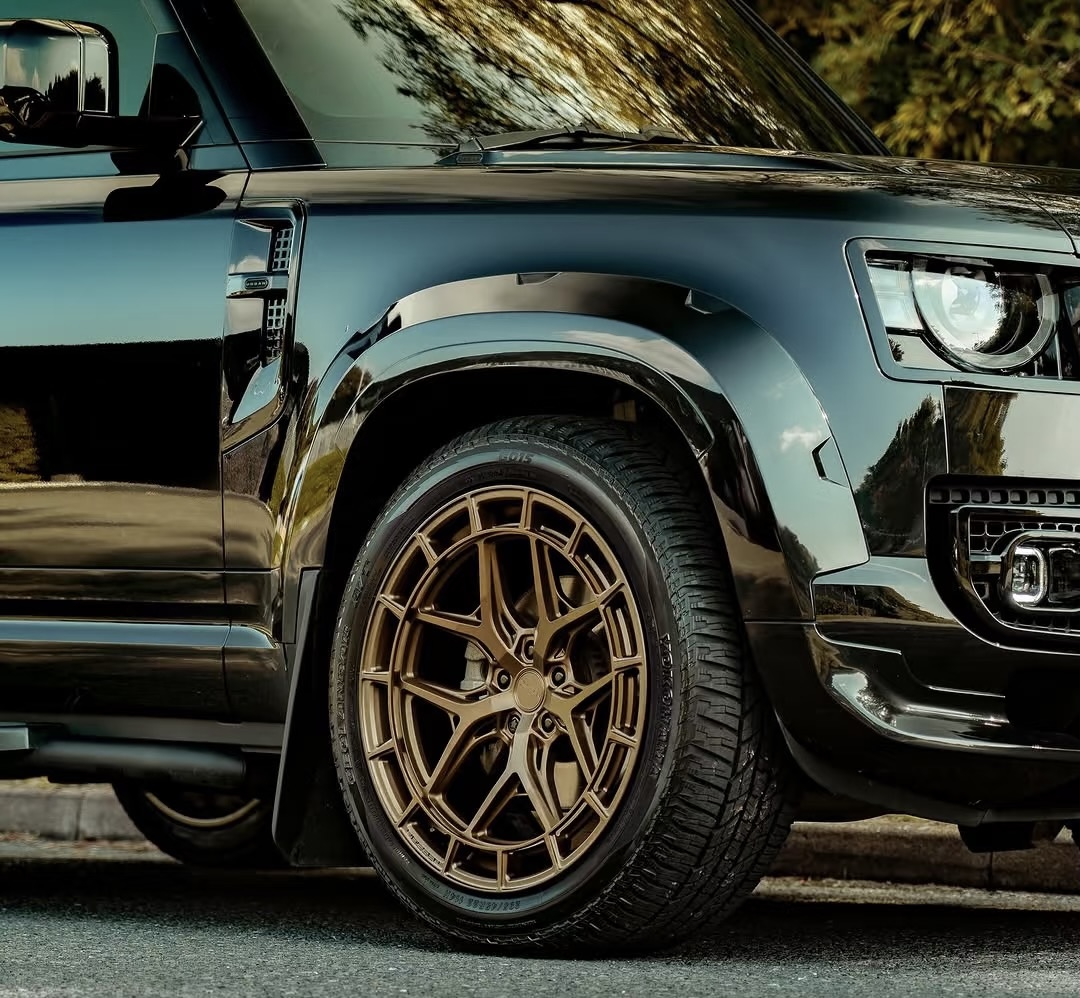
Custom Made Rims: Built for Your Vehicle, Designed Around Your Vision
Custom Made Rims: Built for Your Vehicle, Designed Around Your Vision
When you pull up to a car meet, a red light, or a weekend track event, nothing commands attention faster than a set of high-end custom made rims. Factory wheels—often referred to as Original Equipment Manufacturer (OEM) wheels—are mass-produced compromises designed to satisfy the average driver, fit generic tire sizes, and keep manufacturing costs low. But if you drive a performance car, a lifted truck, or a tailored luxury sedan, “average” simply does not cut it.
Upgrading to tailored wheels is about far more than just surface aesthetics. It is an engineering upgrade that touches on rotational weight, brake clearance, track width, and structural integrity.
Whether you want an aggressive flush stance without tire rubbing or ultra-lightweight forged wheels built to handle severe track abuse, this comprehensive overview breaks down everything you need to know about designing, buying, and running personalized wheels.
1.What Are Custom Made Rims?
Custom made rims are aftermarket wheels engineered and machined to match your vehicle’s exact specifications, suspension setup, and personal design preferences. Unlike off-the-shelf cast wheels that rely on hub rings or multi-fitment bolt patterns, tailored wheels are built from the ground up using precise engineering metrics like bolt pattern (PCD), center bore, custom offset, and caliper clearance.
Why Enthusiasts Skip Mass-Produced Wheels
-
Zero Fitment Compromises: Eliminates the need for wheel spacers, hub-centric rings, or universal bolt patterns.
-
Tailored Aesthetics: You choose the exact spoke geometry, lip depth, concave profile, and surface finish.
-
Optimized Unsprung Mass: Engineered using aerospace-grade aluminum to shed weight while maximizing structural strength.
-
Big Brake Kit (BBK) Compatibility: Designed with specific backspacing to clear large multi-piston calipers effortlessly.
2.The Benefits of Custom Made Rims vs. Factory Rims
Why do serious car owners replace factory alloy wheels with made-to-order setups? It comes down to three main pillars: Personalization, Fitment, and Performance.
1. Superior Personalization and Stance
Factory rims are painted in mass-market shades like silver, gray, or gloss black. Tailored builds let you control every detail:
-
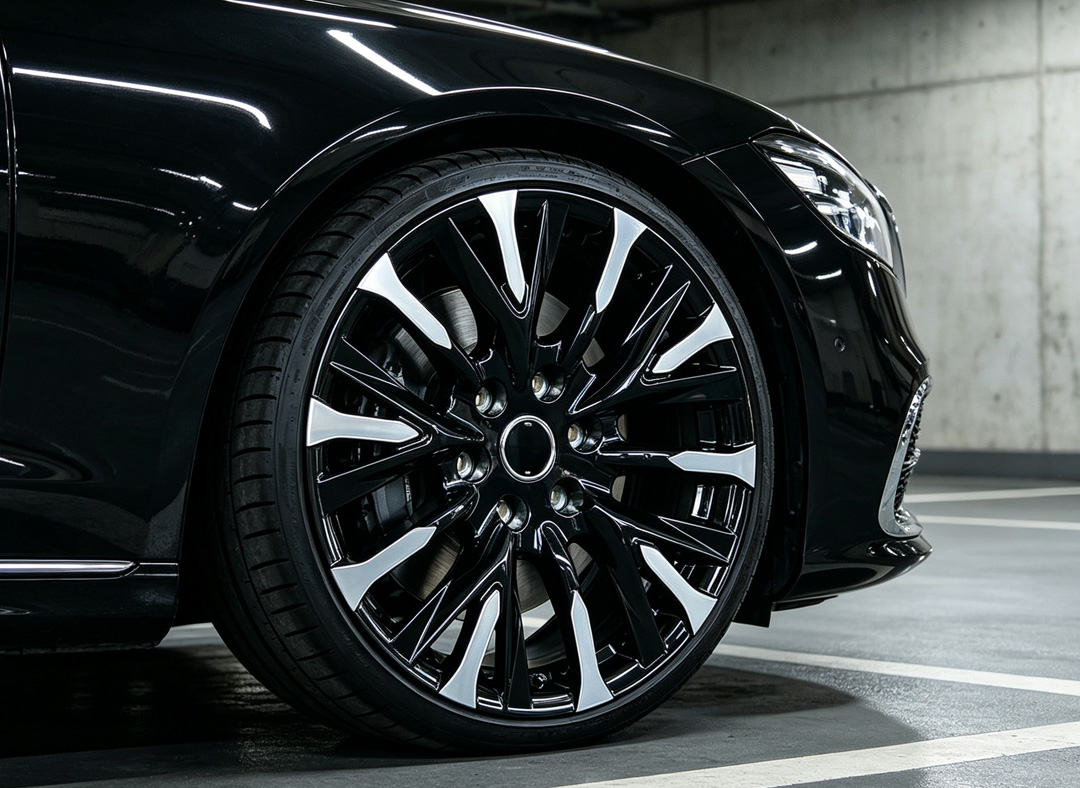
Finishes: Brushed clear, polished bronze, satin black, anodized red, or two-tone chrome accents.
-
Profiles: Extreme deep concave, classic step lip, modern directional spokes, or vintage mesh.
-
Hardware: Exposed titanium assembly bolts, hidden hardware, or custom engraved center caps.
2. Precise Vehicle-Specific Fitment
Off-the-shelf wheels force you into standard offsets, often leaving the wheel tucked deep inside the fender well or poking out too far. Bespoke builds are measured down to the millimeter:
Pro Tip: A custom wheel engineered for your specific suspension setup ensures your tires sit completely flush with your fenders, eliminating sidewall rub against coilover perches or outer fender liners.
3. Reduced Unsprung Weight and Rotational Inertia
Unsprung weight includes everything not supported by your vehicle’s suspension—such as wheels, tires, brake rotors, and hubs. Lowering unsprung mass yields dramatic dynamic advantages:
-
Sharper Steering Response: Less rotational mass allows the suspension to react faster to road imperfections.
-
Quicker Acceleration: The engine expends less energy turning a lighter wheel assembly.
-
Shorter Stopping Distances: Less rotational inertia reduces thermal load on your brake pads and rotors.
3.Wheel Manufacturing Processes Explained
Not all custom wheels are built using the same metallurgical processes. Understanding how raw aluminum becomes a finished wheel helps explain differences in strength, weight, construction, and pricing.
-
Cast Aluminum Rims: Molten aluminum is poured into a mold cavity. While economical, cast aluminum contains microscopic air pockets and internal voids. To compensate, manufacturers must use extra material, making cast wheels heavy and prone to cracking under severe impacts.
-
Flow-Formed Rims: Flow forming begins with a specialized low-pressure cast preform. High-speed hydraulic rollers apply extreme pressure to heat the outer barrel, stretching and compressing the aluminum structure. This aligns the metal grain pattern, significantly improving barrel tensile strength while shedding weight.
-
Fully Custom Forged Rims (6061-T6 Aerospace Grade): Forged wheels represent the pinnacle of modern wheel technology. A solid billet block of 6061-T6 aluminum is subjected to extreme mechanical pressure (up to 10,000 tons). This process eliminates porosity and compresses the molecular structure along continuous grain lines. A 5-axis CNC machine then carves away non-structural aluminum to form intricate, ultra-strong spoke profiles.
| Wheel Category | Construction Type | Structural Grain Density | Weight Profile | Custom Fitment Flexibility | Price Range (Set of 4) | Best Application |
|---|---|---|---|---|---|---|
| Entry Custom | Cast / Flow-Formed | Moderate / Porous | Heavy to Medium | Low (Fixed production run) | $800 – $1,800 | Daily street cars, mild cosmetic upgrades |
| Forged Monoblock | 1-Piece Solid Billet | Ultra-High (Compressed) | Extremely Lightweight | Maximum (Custom CNC machined) | $2,000 – $3,800 | Sports cars, track builds, luxury daily drivers |
| Forged Modular | 2-Piece / 3-Piece Assembly | Ultra-High (Compressed) | Lightweight to Medium | Maximum (Custom lip, width & offsets) | $4,000 – $8,000+ | Widebody builds, show cars, exotic supercars |
4.Monoblock vs. Modular Custom Rims: Which Construction Is Best?
When selecting fully custom forged wheels, you must decide between a 1-piece solid design or a multi-piece modular assembly.
Monoblock Custom Rims (1-Piece)
Monoblock wheels are CNC-machined from a single solid forged aluminum billet block.
-
Pros: Exceptionally light, maximum structural rigidity, minimal maintenance, perfectly balanced.
-
Cons: Lip depth is limited by the initial billet size; entire wheel must be replaced if severely damaged.
-
Best Used For: Modern track cars, high-performance sports cars, high-speed street builds.
Modular Custom Rims (2-Piece and 3-Piece)
Modular wheels are constructed using separate forged components held together by high-tensile hardware. A 2-piece setup features a forged center face welded or bolted to a forged barrel. A 3-piece setup consists of a forged center face, an inner barrel half, and an outer lip half, sealed with silicone sealant.
-
Pros: Allows deep step lips, radical width combinations, multi-color finishes, and easy rim flange repair.
-
Cons: Slightly heavier than monoblock options; requires periodic inspection of assembly hardware and perimeter seals.
-
Best Used For: Widebody builds, show cars, stance setups, classic restomods, custom trucks.
5.Critical Fitment Parameters for Perfect Stance
Ordering bespoke wheels requires absolute precision. A single incorrect measurement can lead to fender contact, suspension rubbing, or interference with your brake calipers.
1. Bolt Pattern (PCD – Pitch Circle Diameter)
Expressed as the number of lug holes multiplied by the diameter of an imaginary circle passing through their centers (e.g., 5×114.3, 5×120, 6×139.7). Tailored wheels are drilled precisely for your vehicle’s factory hub studs.
2. Wheel Diameter and Width
Selected based on tire availability, fender clearance, and intended vehicle use. Width directly dictates tire contact patch area and sidewall stretch profile.
3. Wheel Offset (ET) and Backspacing
Offset is the distance from the wheel’s true centerline to its mounting pad surface, measured in millimeters:
-
Positive Offset (+ET): Hub pad sits closer to the outer wheel face (common on modern front-wheel and all-wheel-drive vehicles).
-
Zero Offset (ET0): Hub pad aligns directly with the wheel’s mechanical centerline.
-
Negative Offset (-ET): Hub pad sits deep toward the inner barrel, pushing the wheel outward to create a deep lip (popular on lifted trucks and classic rear-wheel-drive muscle cars).
4. Hub Bore (Center Bore)
The central opening on the rear of the wheel hub pad. A tailored wheel features a vehicle-specific hub bore that slips onto your axle hub with zero clearance play, eliminating high-speed steering wheel vibrations.
5. Brake Caliper Clearance (X-Factor and Backspacing)
High-performance multi-piston aftermarket calipers extend outward past the hub plane. Custom wheel engineers map out spoke profiles with adequate X-Factor distance to clear these larger brake packages without wheel spacers.
6.Maintenance and Care for Custom Wheels
Investing in bespoke forged wheels requires proper ongoing care to protect raw aluminum, custom anodizing, or high-gloss powder coats.
-
Avoid Acidic Cleaners: Harsh wheel acid solvents strip transparent anodized coatings and cloud hand-polished lip finishes. Use only pH-balanced, surface-safe wheel shampoos.
-
Skip Automated Drive-Through Car Washes: Plastic track guides in automated wash tunnels scratch lip edges and ruin offset outer rims.
-
Apply Ceramic Coating Early: Protect fresh powder coats by applying a high-temp ceramic rim coating. This repels stubborn metallic brake dust and road grime.
-
Torque Lug Nuts Carefully: Always use a hand torque wrench calibrated to factory bolt specifications. Impact wrenches mar custom lug holes and stretch mounting studs.
Frequently Asked Questions(FAQ)
1.What are the benefits of custom made rims over factory rims?
Custom made rims offer superior personalization (unique designs and finishes), exact fitment (tailored to your vehicle’s specific offset and brake clearance), and improved performance. High-end custom rims are typically forged, making them lighter and stronger than cast OEM rims, which enhances acceleration, stopping power, and handling feedback.
2.How much do custom made rims usually cost?
The cost generally ranges from $800 to over $4,000+ per set, depending on size, material, and manufacturing process. Entry-level custom cast or flow-formed wheels are more affordable, while fully custom-engineered 2-piece or 3-piece forged rims occupy the higher price bracket due to premium materials and complex machining.
3.What is the difference between monoblock and modular custom rims?
Monoblock rims are machined from a single block of aluminum, providing maximum structural strength, lighter weight, and zero joint maintenance. Modular rims (2-piece or 3-piece) consist of separate components held together by assembly hardware, offering deep-lip options, multicolor finishes, and easier repairability for individual components.
4.What critical vehicle measurements are needed for custom made rims?
To ensure zero rubbing and a flush stance, key specifications include Bolt Pattern (PCD), Wheel Diameter & Width, Offset (ET), Hub Bore Size, and Brake Clearance. Custom manufacturers design the rim using these exact parameters to match your vehicle’s setup.
5.Are custom forged rims strong enough for daily driving?
Yes. High-quality custom forged rims (often made from 6061-T6 aerospace aluminum) are significantly denser and stronger than standard factory cast wheels. They resist severe road impacts, cracking, and bending from deep potholes much better, making them exceptionally durable for daily road use.
Ready to Transform Your Ride?
Your vehicle deserves a setup engineered to match your driving style, aesthetic preferences, and performance demands. Generic mass-produced options leave performance, durability, and visual stance on the table.
When you are ready to upgrade your vehicle’s stance and dynamic handling performance, explore tailored wheel designs engineered with millimeter precision. Browse our complete line of bespoke monoblock and modular forged options at ATK Wheels and start building your custom forged setup today!