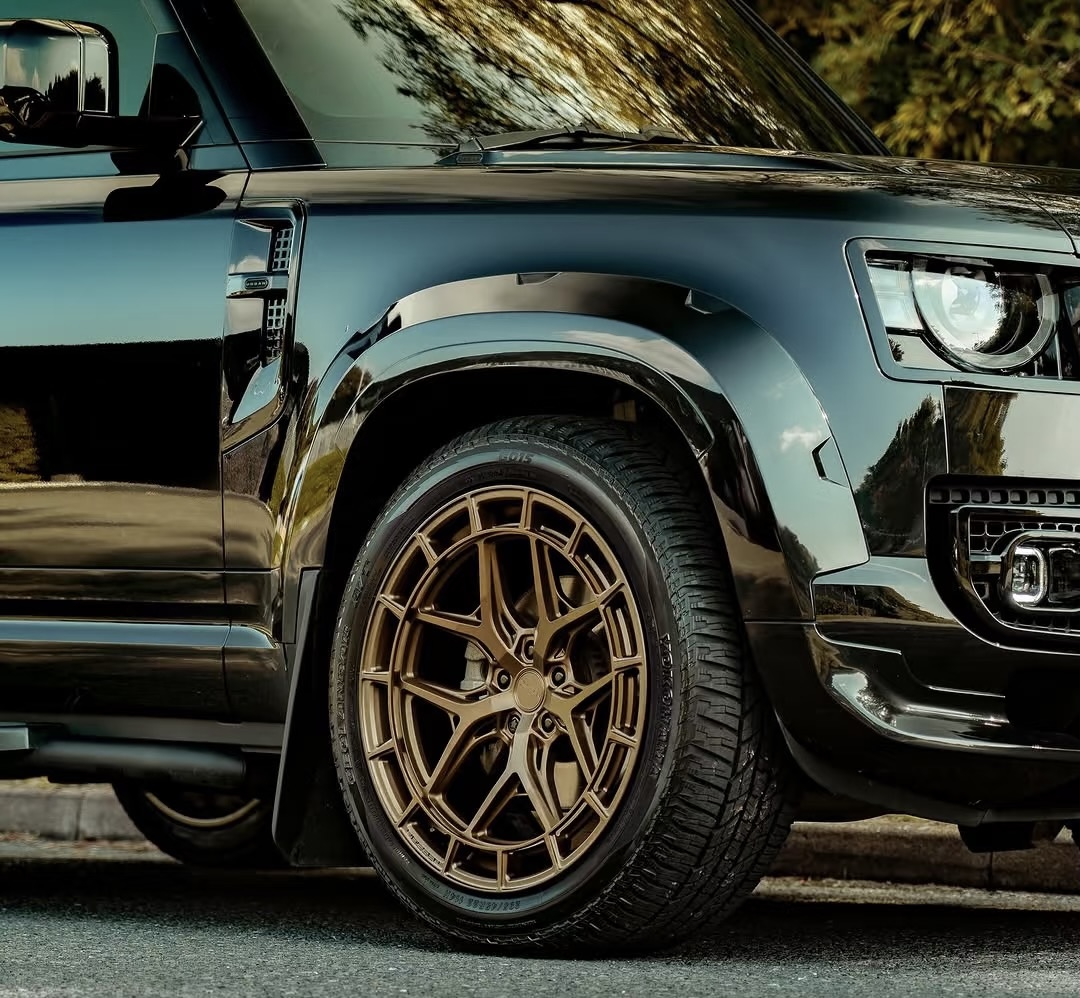
Wheel Manufacturers: Everything You Should Know Before Choosing Your Next Wheels
Wheel Manufacturers: Everything You Should Know Before Choosing Your Next Wheels
Selecting the right wheels for your vehicle—whether you are an individual enthusiast upgrading a personal ride, an automotive business sourcing inventory, or a fleet manager optimizing performance—is a critical decision. Wheels are not just about aesthetics; they are fundamental to vehicle safety, fuel efficiency, handling, and load capacity.
Behind every high-performance setup or reliable daily driver is a network of wheel manufacturers dedicated to engineering, testing, and producing these vital components.
In this comprehensive industry analysis, we will break down exactly what wheel manufacturers do, how they manufacture different types of wheels, and how to select a reliable partner to meet your specific performance and budget requirements.
1. What Do Wheel Manufacturers Do?
At their core, wheel manufacturers do much more than simply pour metal into molds. They are highly specialized engineering hubs that bridge the gap between automotive design, material science, and physics.
A reputable manufacturer oversees the entire lifecycle of a wheel, which typically includes:
-
Research & Development (R&D): Utilizing Computer-Aided Design (CAD) and Finite Element Analysis (FEA) to simulate how a wheel will perform under extreme stress, heavy loads, and high-speed cornering.
-
Precision Engineering: Determining the exact metallurgy, bolt patterns, hub bores, and offsets required for specific vehicle fitments.
-
Production & Manufacturing: Operating heavy machinery, CNC mills, forging presses, and casting lines to physically shape raw aluminum or steel into finished products.
-
Rigorous Testing: Subjecting prototypes to impact tests, radial fatigue tests, and cornering fatigue tests to meet international safety standards (such as JWL, VIA, or SAE).
-
Finishing & Quality Control: Applying powder coats, liquid paints, chrome plating, or clear coats to protect the metal from corrosion while delivering the desired visual finish.
By managing these complex processes, top-tier manufacturers ensure that every wheel rolling off the assembly line can withstand real-world road hazards while delivering a smooth, vibration-free ride.
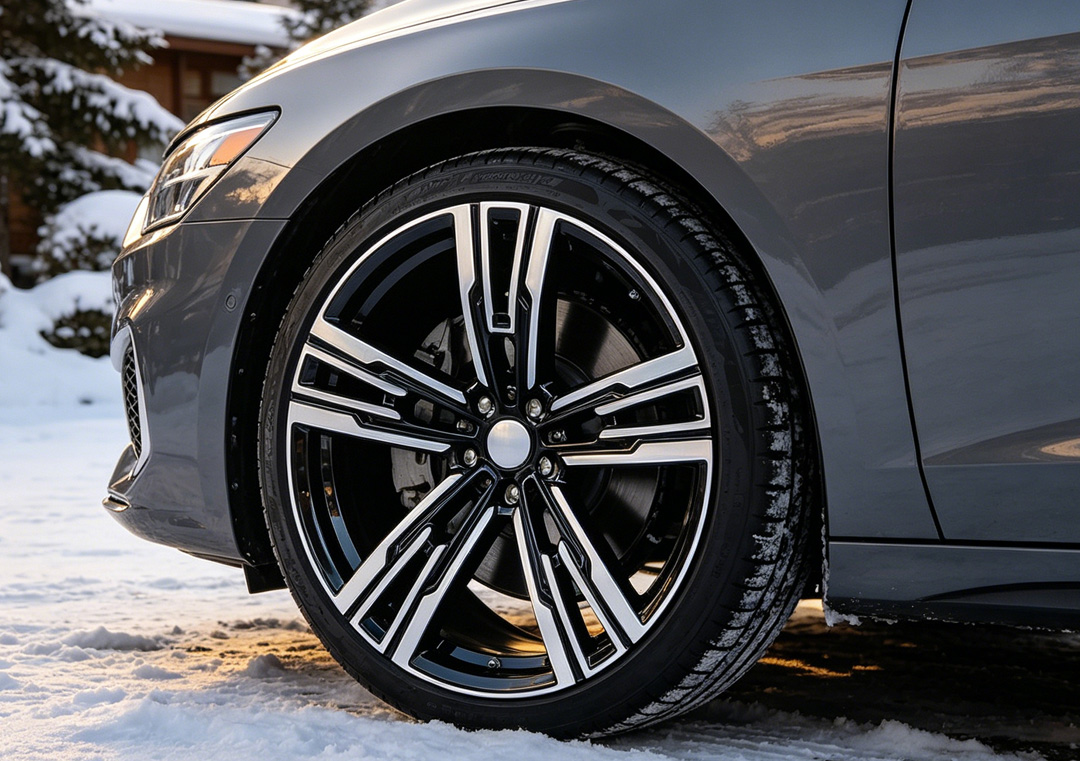
2. Materials and Manufacturing Methods Used by Industry Leaders
The performance, weight, strength, and price of a wheel are directly dictated by the material used and the manufacturing process chosen by the manufacturer. If you are sourcing wheels, understanding these methods is essential to making an informed decision.
Generally, wheel manufacturers rely on three primary materials: aluminum alloy, steel, and carbon fiber (though carbon fiber remains a niche, high-cost luxury option). Among these, aluminum alloy is the industry standard due to its excellent strength-to-weight ratio.
Here is a breakdown of the three main manufacturing techniques used today:
Cast Aluminum Wheels (Gravity & Low-Pressure Casting)
Casting is the most common and cost-effective manufacturing method.
-
How it works: Molten aluminum is poured (gravity casting) or injected under pressure (low-pressure casting) into a pre-made mold. Once the metal cools, it is machined to its final dimensions.
-
Best for: Daily driving, budget-friendly aftermarket upgrades, and standard OEM replacements.
Flow-Formed Wheels (Rotary Forged / Spin-Forged)
Flow-forming is a hybrid process that bridges the gap between casting and forging.
-
How it works: The process begins with a specially cast wheel block. This pre-form is placed on a proprietary mandrel and spun at high speeds while hydraulic rollers apply extreme pressure to stretch and compress the aluminum barrel.
-
Best for: Enthusiasts looking for a lightweight, track-ready wheel without the premium price tag of a fully forged wheel.
Forged Aluminum Wheels
Forging represents the pinnacle of wheel manufacturing technology.
-
How it works: A solid block of aerospace-grade 6061-T6 aluminum billet is subjected to immense heat and extreme pressure (often using presses rated at 10,000 tons or more). This process aligns the grain structure of the metal, making it incredibly dense and strong. The wheel’s final design is then meticulously carved out using high-precision CNC milling machines.
-
Best for: High-performance racing, heavy-duty commercial trucks, off-road applications, and luxury custom builds.
3. Cast vs. Flow-Formed vs. Forged Wheels: A Direct Comparison
To help you visualize which option fits your application, we have compiled a direct comparison of the three primary manufacturing types below.
| Feature | Cast Wheels | Flow-Formed Wheels | Forged Wheels |
|---|---|---|---|
| Manufacturing Process | Molten aluminum poured or injected into a mold. | Cast face with a hydraulically rolled and stretched barrel. | Solid aluminum billet compressed under extreme pressure. |
| Material Density | Low to Moderate (contains micro-porosity). | High (in the barrel); Moderate (in the wheel face). | Extremely High (zero porosity, refined grain structure). |
| Weight | Heaviest | Lightweight (up to 15% lighter than cast). | Ultra-Lightweight (up to 30% lighter than cast). |
| Structural Strength | Standard (good for normal road conditions). | High (improved rim-barrel strength and impact resistance). | Ultimate (highly resistant to cracking, bending, and fatigue). |
| Design Flexibility | High (molds allow for complex shapes). | High (similar aesthetic versatility to cast wheels). | Maximum (custom CNC machined to order). |
| Price Point | Budget-friendly ($) | Mid-range ($$) \vert{} Premium ($$$) | |
| Common Applications | OEM replacement, daily drivers, winter setups. | Track days, sports cars, performance street builds. | Racing, supercar tuning, heavy-duty towing, custom show cars. |
4. How to Choose a Reliable Wheel Manufacturer
With hundreds of brands and factories operating worldwide, distinguishing a top-tier manufacturer from a low-quality competitor can be challenging. Whether you are sourcing direct-from-factory for a commercial project or selecting a brand for your personal vehicle, look for the following pillars of reliability:
1. Industry Certifications and Safety Standards
Safety should always be your number-one priority. A reputable manufacturer will always have their facilities and products certified by independent testing authorities. Look for these key markings:
-
JWL (Japan Light Alloy Wheel): A self-certification standard set by the Japanese Ministry of Land, Infrastructure, Transport, and Tourism.
-
VIA (Vehicle Inspection Association of Japan): An independent body that verifies JWL compliance through rigorous laboratory testing.
-
TÜV (Technischer Überwachungsverein): A highly respected European certification body with incredibly strict manufacturing quality control and fitment standards.
-
SAE (Society of Automotive Engineers): The standard-setting body for automotive testing in North America.
2. Advanced Metallurgy and Engineering Capabilities
A world-class factory uses high-grade raw materials (like primary A356 aluminum for casting or premium 6061-T6 aluminum for forging) rather than recycled, low-grade scrap metal. Additionally, check if they utilize FEA (Finite Element Analysis) software to eliminate weak points in their designs before production begins.
3. OEM or High-Quality Aftermarket Experience
Manufacturers that supply wheels directly to major automotive brands (such as Ford, GM, Toyota, or BMW) are held to exceptionally high quality-assurance standards. Even if you are buying aftermarket wheels, partnering with a manufacturer that has OEM experience guarantees a superior level of manufacturing discipline.
4. Comprehensive Testing Protocols
Do not hesitate to ask a manufacturer for their testing reports. Reliable producers perform destructive and non-destructive testing on every production run, including:
-
X-Ray Inspection: Checking for internal air bubbles and structural voids.
-
Dynamic Radial Fatigue Testing: Simulating continuous driving under heavy loads.
-
Rotary Bending Fatigue Testing: Simulating cornering forces on the wheel face.
-
Impact Testing: Dropping heavy weights on the wheel at 13° and 30° angles to ensure it deforms safely rather than shattering under sudden impacts.

5. Can Wheel Manufacturers Create Custom Designs?
Yes, custom manufacturing is one of the fastest-growing sectors of the custom wheel market. While cast wheels are rarely customized due to the extremely high cost of creating new steel molds, forged wheels are highly adaptable to customization.
Because forged wheels are machined individually from solid aluminum blocks using CNC technology, manufacturers can easily program the machines to produce custom specifications, including:
-
Bespoke Fitments: Custom offsets, bolt patterns (e.g., 5×112, 5×120, 6×139.7), and center bores tailored perfectly to a specific vehicle’s suspension and fenders.
-
Custom Finishes: Options ranging from brushed aluminum, polished chrome, and matte black to multi-tone powder coating and anodized colors.
-
Monoblock vs. Multi-Piece Construction: You can choose between a single solid piece of forged aluminum (Monoblock) or multi-piece configurations (2-piece or 3-piece wheels) where the face and barrel are bolted together with high-tensile hardware.
-
Personalized Branding: Some premium factories allow buyers to engrave custom logos, signatures, or specific branding onto the wheel lip or center cap.
For business owners and fleet operators, partnering with a manufacturer that offers OEM/ODM services allows you to develop proprietary, private-label designs that differentiate your brand in a crowded market.
Frequently Asked Questions (FAQ)
1.What do wheel manufacturers actually do?
Wheel manufacturers handle the entire design, engineering, testing, and physical production of wheels for passenger vehicles, commercial trucks, motorsports, and heavy equipment. They utilize metallurgical science to create durable products that safely support vehicle weight and handle dynamic forces.
2.How do I choose a reliable wheel manufacturer?
Focus on manufacturers that possess international safety certifications (such as JWL, VIA, and TÜV), use high-grade materials, employ advanced engineering tools like Finite Element Analysis (FEA), and offer robust warranties and transparent customer service.
3.What materials do wheel manufacturers use most?
Aluminum alloy is the most common material because it is lightweight, conducts heat well, and allows for beautiful designs. Steel is widely used for heavy-duty commercial applications, spare tires, and winter wheels due to its extreme durability and lower cost.
4.What is the main difference between cast and forged wheels?
Cast wheels are made by pouring molten aluminum into a mold, making them affordable and perfect for daily driving. Forged wheels are crushed from solid aluminum billet under intense heat and pressure, resulting in a much lighter, stronger, and more resilient wheel ideal for high-performance and racing environments.
5.Can I order a completely custom wheel design?
Yes. Many high-end manufacturers offer customized forged wheels. Because these are cut individually on CNC machines, they can build custom wheel faces, offsets, widths, bolt patterns, and unique color finishes to fit your exact build specifications.
Elevate Your Ride with the Right Wheel Partner
Choosing the perfect set of wheels comes down to balancing performance, safety, aesthetics, and budget. Partnering with industry-leading manufacturers ensures that you do not have to compromise on safety or durability to get the style and performance you desire.
If you are looking for premium quality, cutting-edge manufacturing processes, and exceptional engineering expertise, explore the engineered wheel collections at ATK Wheels. From custom fitments to rugged, reliable designs, ATK Wheels delivers the ultimate driving experience for cars, trucks, and SUVs alike.
What is your top priority when choosing a new set of wheels—weight reduction, custom design options, or structural durability? Let us know in the comments below or contact our expert team today to find your perfect fit!