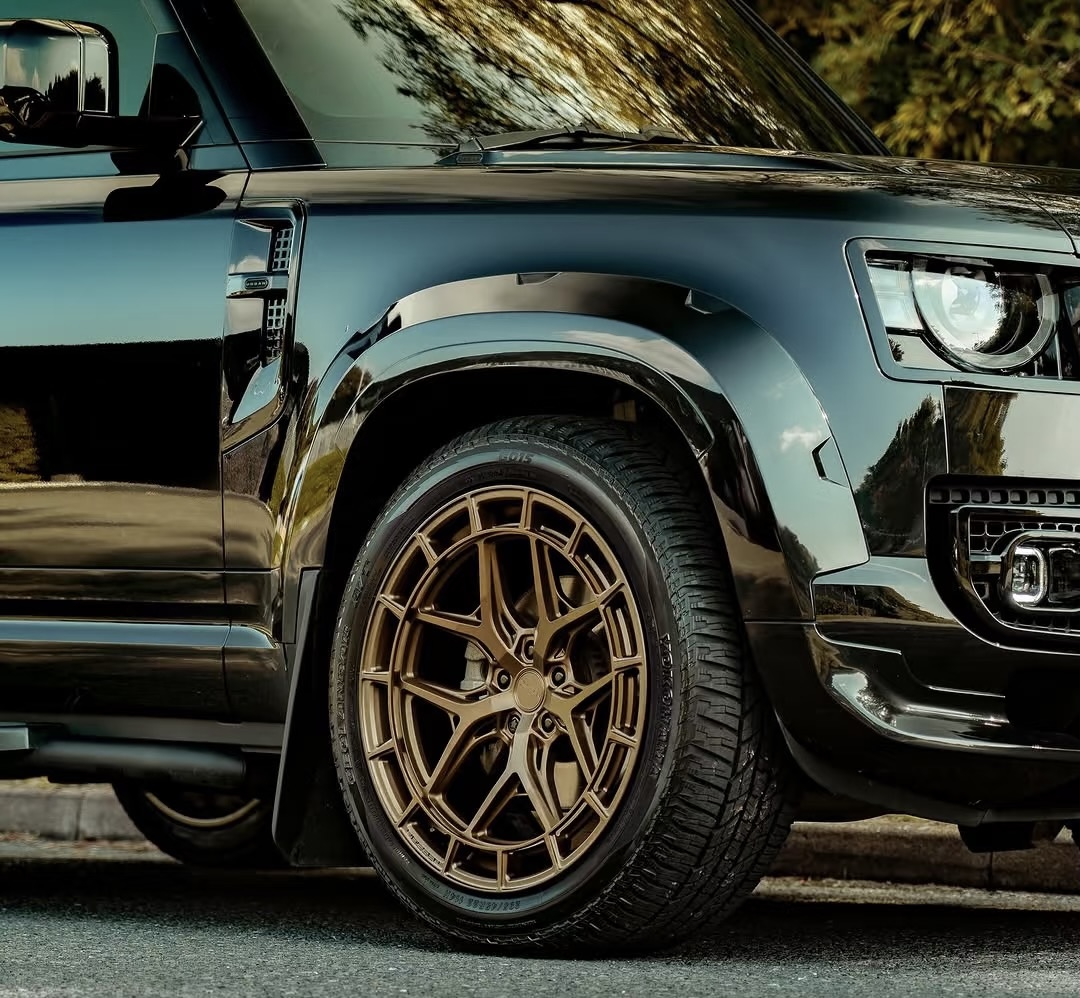
The Science of Speed: Why High Performance Rims Are the Ultimate Vehicle Upgrade
The Science of Speed: Why High Performance Rims Are the Ultimate Vehicle Upgrade
Every car enthusiast knows the thrill of pushing a vehicle to its limits. You press the accelerator, feel the g-force press you into your seat, and lean into a sharp corner. But if you are still running stock, heavy factory wheels, you are leaving massive amounts of performance on the table.
Upgrading to high performance rims is not just about turning heads at a local cars and coffee meetup; it is one of the most mechanically impactful modifications you can make to your vehicle.
By upgrading your wheels, you directly alter your vehicle’s dynamics, reshaping how it accelerates, brakes, and corners. Let’s dive deep into the engineering behind high performance rims, compare the manufacturing technologies available today, and look at how to choose the perfect set for your American muscle, European sports car, or track-ready daily driver.
1.What Are High Performance Rims?
High performance rims are highly engineered wheels designed to optimize a vehicle’s handling, acceleration, braking, and overall driving dynamics. Unlike standard factory wheels—which are mass-produced with a primary focus on cost-cutting and basic durability—performance rims prioritize weight reduction, structural integrity, and heat dissipation.
To appreciate why they matter, we have to look at two critical automotive engineering concepts: unsprung weight and rotational mass.
Understanding Unsprung Weight vs. Sprung Weight
Your car’s components fall into two categories:
-
Sprung Weight: Everything supported by the car’s suspension (the frame, engine, interior, and passengers).
-
Unsprung Weight: Components not supported by the suspension (the brakes, tires, suspension linkages, and the rims themselves).
When you reduce unsprung weight by installing lightweight high performance rims, your suspension does not have to work as hard to keep the tires planted on uneven pavement. This results in vastly improved tire traction, sharper steering response, and a more controlled ride.
The Power of Reducing Rotational Mass
Because rims spin, they also count as rotational mass. It takes significantly more energy to rotate a heavy object than a light one.
The Golden Rule of Wheel Tuning: Reducing one pound of rotational mass is mechanically equivalent to dropping roughly 4 to 6 pounds of static weight from the vehicle’s chassis when accelerating.
By switching to premium performance wheels, your engine encounters less resistance turning the wheels, which unlocks faster throttle response and quicker 0-60 mph times.
2.Do High Performance Rims Make a Car Faster?
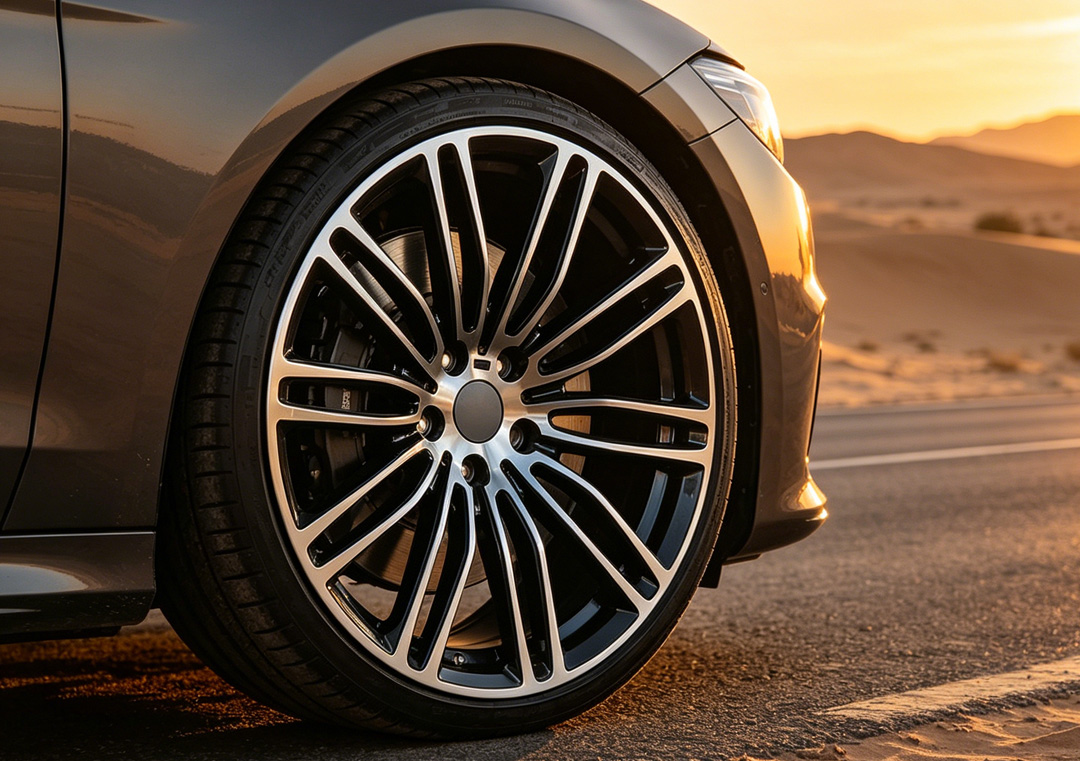
Yes, high performance rims can make a car faster, but it is important to understand how that speed is realized. A wheel upgrade does not add horsepower to your engine, but it acts as a force multiplier for the power your engine already produces.
Here is how high performance wheels directly translate to speed and agility on the road:
-
Snappier Acceleration: With less rotational inertia to overcome, your vehicle moves off the line faster. You will notice a crisper, more immediate response the moment you step on the gas.
-
Shorter Braking Distances: Just as lightweight wheels are easier to get moving, they are also easier to stop. Your brake calipers do not have to fight against massive kinetic energy, resulting in shorter stopping distances and less brake fade during spirited canyon drives or track sessions.
-
Enhanced Cornering and Grip: High performance wheels are designed to minimize flex under heavy cornering loads. When you throw your car into a sharp turn, a rigid performance rim maintains its structural geometry, ensuring the tire’s contact patch stays flat against the asphalt.
3.Manufacturing Methods: Cast vs. Flow Formed vs. Forged Rims
Not all aftermarket wheels are built the same way. The method used to manufacture a wheel dictates its strength, weight, price, and overall performance capabilities. If you are browsing premium lineups, like the collection at ATK Wheels, you will generally encounter three primary manufacturing styles.
1. Cast Rims (Gravity or Low-Pressure Casting)
Casting involves pouring molten aluminum into a wheel-shaped mold. Once cooled, the wheel is trimmed and finished.
-
Pros: Highly affordable; available in countless aesthetic designs.
-
Cons: Cast aluminum is porous at a microscopic level. To make the wheel strong enough to handle road hazards, manufacturers must use more material, making cast wheels heavy and less ideal for high performance setups.
2. Flow Formed Rims (Rotary Forged)
Flow forming bridges the gap between affordable casting and premium forging. The process starts with a specialized low-pressure cast wheel preform. The barrel of this preform is then heated while high-pressure hydraulic rollers spin and stretch the aluminum into its final width and shape.
-
Pros: This hydraulic stretching aligns the molecular grain structure of the aluminum, drastically increasing the barrel’s tensile strength while shedding significant weight.
-
Cons: While the barrel is incredibly strong and light, the face of the wheel still shares properties with a traditional cast wheel.
3. Forged Rims
Forged rims represent the absolute pinnacle of wheel engineering. They are crafted from a solid block of aerospace-grade 6061-T6 aluminum. This solid billet is subjected to millions of pounds of pressure under an industrial forge, compressing the metal into an ultra-dense, defect-free grain structure. The final design is then precision-CNC machined out of this forged blank.
-
Pros: Forged wheels are exceptionally strong, structurally dense, and incredibly lightweight. They handle extreme track abuse, high horsepower loads, and deep potholes without bending or cracking.
-
Cons: The manufacturing process is incredibly labor-intensive and requires massive machinery, making forged rims a high-end investment.
Structural Comparison Table
| Feature | Cast Rims | Flow Formed Rims | Forged Rims |
|---|---|---|---|
| Manufacturing Process | Molten metal poured into mold | Cast face with hydraulically rolled barrel | Solid aluminum billet compressed under high pressure |
| Weight | Heavy | Lightweight | Ultra-lightweight |
| Structural Strength | Low to Moderate | High | Maximum |
| Impact Resistance | Prone to cracking under extreme stress | Good resilience | Maximum bend resistance |
| Price Point | Budget-friendly | Moderate / Best value | Premium investment |
| Best For | Daily commuting & aesthetics | Street performance & occasional track | Racing, tracking, & elite performance |
4.How to Choose the Right High Performance Rims
Selecting the perfect set of performance wheels involves balancing engineering specs with your specific driving goals. To avoid rubbing, clearance issues, or compromised safety, you must keep several key metrics in mind.
Key Technical Specifications to Match
Before purchasing any wheel, ensure these technical metrics precisely align with your vehicle’s factory specifications or intended aftermarket modifications:
-
Bolt Pattern: The layout of the lug nut holes (e.g., 5×114.3 for many Japanese and American cars, or 5×112 for many European vehicles). This must match your car perfectly.
-
Wheel Offset: Measured in millimeters, offset determines how deeply the wheel sits inside the fender well. A positive offset moves the wheel inward toward the suspension, while a negative offset pushes it outward toward the fender. Incorrect offset can cause your rims to rub against your brake calipers or fender liners.
-
Center Bore: The diameter of the circular hole in the middle of the wheel that sits on the car’s hub. Look for hub-centric designs to prevent high-speed wheel vibrations.
-
Load Rating: Ensure the wheels are rated to support the total weight of your vehicle, especially if you drive a heavy electric vehicle (EV) or performance SUV.
Aligning Wheel Selection with Your Driving Goals
Ask yourself where your vehicle spends most of its time. If you primarily use your car as a daily commuter but love occasional weekend canyon drives, a set of high-quality flow formed wheels offers an ideal balance of weight reduction and affordability.
On the other hand, if you regularly attend track days, autocross events, or drive a high-horsepower build, investing in fully forged rims provides the structural safety margin and maximum weight reduction needed to shave seconds off your lap times.

5.Are Larger Rims Always Better for Performance?
A common trend among modern car owners is upgrading to the largest possible wheel diameter that fits inside the wheel well. While massive 20-inch or 21-inch rims look incredibly aggressive and sleek, they do not automatically improve performance. In fact, going too large can hurt your vehicle’s metrics.
The Pros of Larger Rims:
-
Sharper Steering Inputs: A larger rim requires a tire with a shorter, low-profile sidewall. Shorter sidewalls have less lateral flex, giving you crisp, immediate steering response when you turn the wheel.
-
Brake Clearance: High performance brake kits with massive 6-piston calipers and oversized rotors require larger wheel diameters just to clear the hardware.
The Cons of Larger Rims:
-
Increased Weight: Even high performance wheels get heavier as they grow in size. A larger wheel moves the heavy outer barrel further from the center hub, increasing rotational inertia.
-
Harsher Ride Quality: Thin, low-profile tires lose the ability to absorb road vibrations. Driving over expansion joints or rough highway stretches in the US can quickly become uncomfortable.
-
Risk of Wheel Damage: With very little rubber sidewall protecting your wheel from the road, hitting a standard pothole at highway speeds can easily bend or crack an expensive rim.
The ideal performance setup balances wheel diameter with adequate tire sidewall. For many sports cars, dropping down one inch from the maximum available size while running a slightly wider, meatier performance tire delivers the absolute best grip, comfort, and track times.
Frequently Asked Questions (FAQ)
1.What are high performance rims?
High performance rims are lightweight, structurally optimized wheels designed to improve a vehicle’s handling, braking, and acceleration. They are typically constructed using advanced manufacturing techniques like flow forming or forging to minimize unsprung weight and rotational mass.
2.Do high performance rims make a car faster?
Yes. By reducing rotational mass, performance rims allow the engine to spin the wheels with less effort. This results in faster throttle response, quicker acceleration, and shorter braking distances.
3.Are forged rims better than cast rims for performance?
Absolutely. Forged rims are compressed from solid aluminum billets, making them vastly stronger and lighter than cast rims. This allows them to withstand heavy racing loads and impacts while drastically lowering wheel weight.
4.How do I choose the right high performance rims?
You should select rims based on your vehicle’s specific bolt pattern, offset, center bore, and load rating. Additionally, match the rim construction (flow formed or forged) and size to your budget and driving applications.
5.Are larger rims always better for performance?
No. While larger rims allow for wider tires and sharper initial steering response, oversized wheels add weight, decrease ride comfort, and leave the rim vulnerable to pothole damage due to the necessary low-profile tires.
Elevate Your Driving Dynamics
Upgrading your vehicle with high performance rims is one of the few modifications where the aesthetic reward perfectly matches the mechanical benefit. By swapping out heavy factory wheels for light, strong, and expertly engineered alternatives, you instantly unlock the true handling potential of your chassis.
Whether you want to shave fractions of a second off your track times, crisp up your daily commute, or ensure your vehicle can safely handle its horsepower, upgrading your wheels delivers a night-and-day difference behind the wheel. Check out precision-engineered options like those offered by ATK Wheels to find the perfect fitment, strength profile, and style tailored specifically to your vehicle. Your car handles the road with its wheels—make sure they are built to perform.