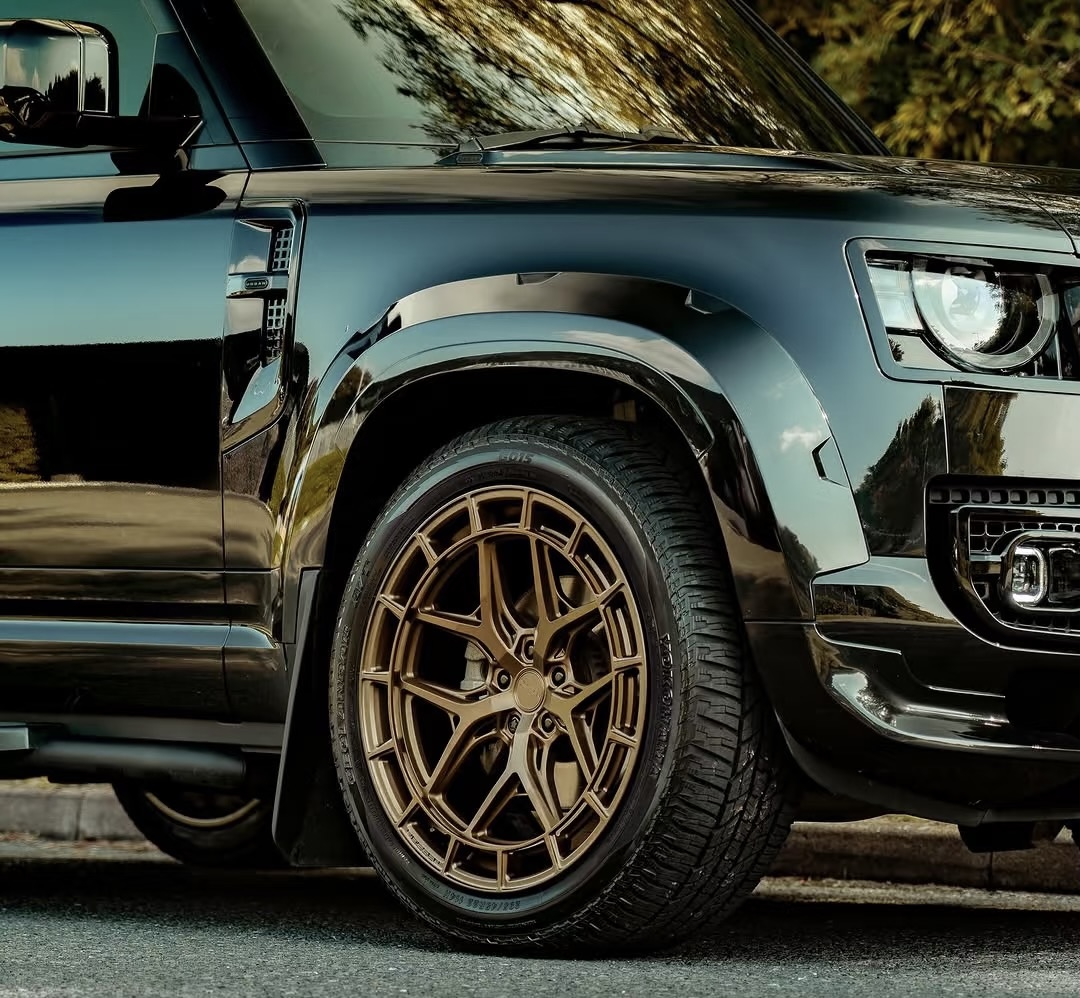
Alloy Forged Wheels: Why They Continue to Set the Standard for Strength and Performance
Alloy Forged Wheels: Why They Continue to Set the Standard for Strength and Performance
Every car enthusiast reaches a crossroads where factory-standard components no longer cut it. You want sharper handling, quicker acceleration, and a stance that commands attention on the road. When it comes to upgrading your vehicle’s performance and aesthetics, nothing makes a more immediate impact than your choice of wheels.
Among the various options available on the market, alloy forged wheels stand out as the gold standard.
But what exactly makes a forged wheel so special? Why do elite motorsport teams, luxury car manufacturers, and performance drivers universally prefer them over traditional cast alternatives? In this comprehensive look into wheel technology, we will break down the science, the performance benefits, and the real-world value of forged alloy wheels to help you make the right choice for your vehicle.
1.What Are Alloy Forged Wheels?
To appreciate the value of an alloy forged wheel, it helps to understand what it actually is. At its core, an alloy forged wheel is a premium automotive wheel created through an intense, high-pressure manufacturing process using a solid piece of metal—typically aerospace-grade aluminum.
Unlike standard wheels that are poured into shape, a forged wheel is literally pressured into existence. This structural transformation results in a component that is exceptionally light, incredibly dense, and remarkably strong. Forged wheels are engineered for drivers who refuse to compromise on safety, speed, and durability.
The Anatomy of 6061-T6 Aluminum
The secret behind the success of premium forged wheels lies in the raw material. The industry standard for high-end manufacturing is 6061-T6 aerospace-grade aluminum alloy.
-
6061 represents the specific alloy blend, which includes aluminum, magnesium, and silicon. This mix delivers excellent structural strength and high corrosion resistance.
-
T6 refers to the tempering process. The material undergoes rigorous solution heat treating and artificial aging to maximize its mechanical strength and hardness.
When this aerospace-grade material is subjected to the forging process, the result is a wheel capable of withstanding extreme track abuse and unpredictable street potholes with ease.
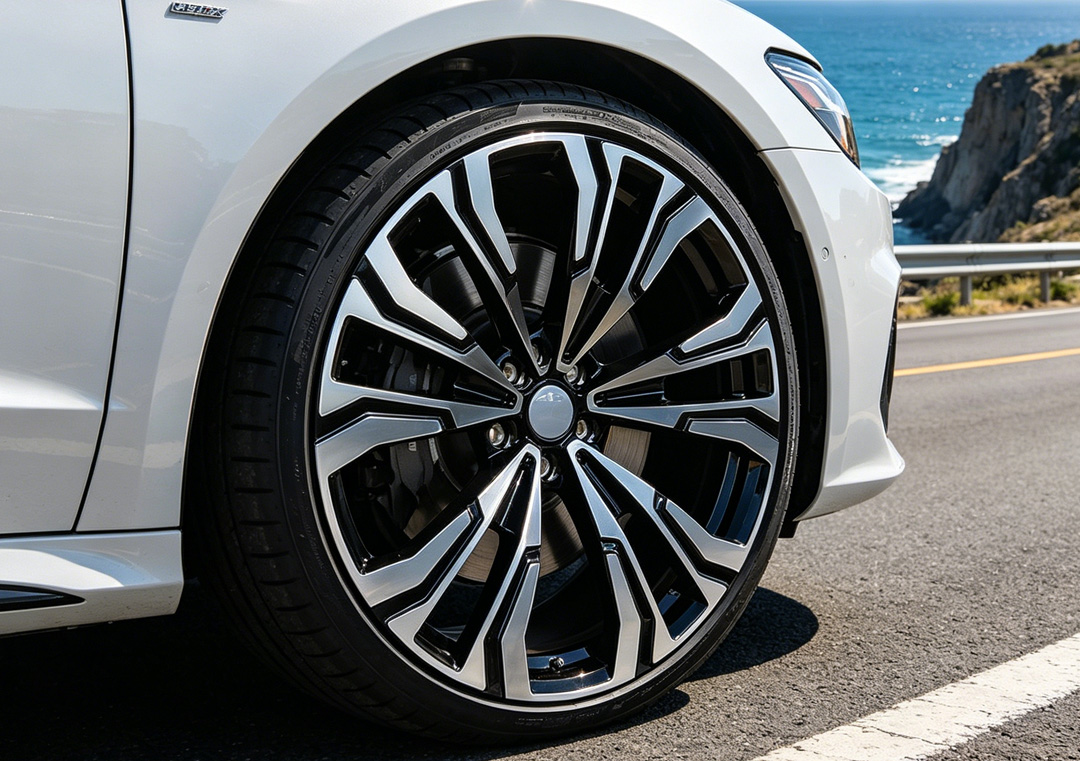
2.How It’s Made: The Forging Process vs. Casting
The fundamental difference between a mediocre wheel and a high-performance masterpiece lies in the manufacturing method. Let’s pull back the curtain on how these wheels are built.
The Casting Process (How Standard Wheels Are Made)
Casting is the most common and cost-effective way to manufacture wheels.
-
Aluminum is heated until it becomes completely liquid (molten).
-
This molten metal is poured into a pre-made mold shaped like a wheel.
-
The metal cools and solidifies, after which it is removed from the mold and trimmed.
While casting is highly efficient for mass production, it introduces a major flaw: porosity. As the liquid metal cools, tiny air bubbles and microscopic voids can form within the structure. This makes the metal inherently more brittle and less uniform. To compensate for this weakness, manufacturers must make cast wheels thicker and heavier to ensure they don’t fail under stress.
The Forging Process (How Forged Wheels Are Made)
The forging process eliminates the structural weaknesses of casting by avoiding the liquid phase entirely.
-
The Solid Billet: The process begins with a solid, cylindrical block of 6061-T6 aluminum, known as a billet.
-
Extreme Pressure: Using massive industrial hydraulic presses (often exerting anywhere from 10,000 to 15,000 tons of force), the solid billet is compressed and forged into a dense, rough wheel blank.
-
Grain Refinement: This immense pressure alters the molecular structure of the aluminum. It crushes any potential air pockets and aligns the metal’s grain flow continuously along the shape of the wheel.
-
Precision CNC Machining: The dense wheel blank is then placed into a high-precision computer-numerical-control (CNC) milling machine. The machine carves out the exact spoke designs, bolt patterns, and cosmetic details with millimeter-level accuracy.
Because the grain structure remains continuous and unbroken, the wheel possesses immense structural integrity. This allows engineers to design incredibly thin, sharp, and aggressive spoke profiles that would be dangerously fragile if made using cast aluminum.
3.Alloy Forged Wheels vs. Cast Wheels: A Direct Comparison
When choosing between these two options, it helps to look at the hard data. The table below highlights the key differences that impact daily driving and track performance.
| Feature | Alloy Forged Wheels | Cast Wheels |
|---|---|---|
| Manufacturing Method | High-pressure mechanical forging + CNC machining | Poured molten metal into a static mold |
| Material Composition | Solid 6061-T6 Aerospace Aluminum | Molten Aluminum Alloys (varying grades) |
| Internal Structure | Dense, continuous, aligned grain structure | Interrupted grain structure with potential porosity |
| Weight | Extremely lightweight (15% to 25% lighter) | Heavy due to thicker material requirements |
| Strength & Durability | Maximum strength, high load rating | Moderate strength, prone to structural fatigue |
| Impact Response | Highly ductile; bends under extreme impact | Brittle; cracks or shatters under extreme impact |
| Design Flexibility | Sharp, thin, ultra-precise custom spoke designs | Thicker, rounder spokes to maintain strength |
| Price Point | Premium investment | Budget-friendly |
4.The Performance Benefits of Upgrading to Forged Wheels
Why do drivers willingly pay a premium for alloy forged wheels? The answer lies in physics. Upgrading to a forged wheel changes how your vehicle interacts with the road surface in several critical areas.
1. Significant Reduction in Unsprung Weight
In automotive engineering, unsprung weight refers to the mass of the vehicle components that are not supported by the suspension system—such as the wheels, tires, brakes, and wheel bearings.
Reducing unsprung weight has a massive compounding effect on vehicle dynamics. Because a forged wheel is roughly 15% to 25% lighter than a cast wheel of identical size, the suspension doesn’t have to work as hard to keep the tire planted on the ground. This leads to:
-
Sharper, more immediate steering response.
-
Enhanced mechanical grip through tight corners.
-
A smoother ride over uneven asphalt, as the dampers can react quicker.
2. Improved Acceleration and Braking (Rotational Inertia)
Wheels are not just dead weight; they are rotating mass. Spinning a heavy object requires more energy than spinning a light object.
By lowering the rotational inertia with lighter forged wheels, your engine encounters less resistance when turning the wheels. You will notice a tangible improvement in throttle response and acceleration times. Conversely, when it’s time to slow down, there is less kinetic energy to counteract, allowing your brakes to bring the vehicle to a halt quicker and with less heat buildup (reducing brake fade).
3. Superior Fuel Efficiency and EV Range
Whether you drive a turbocharged sports car or a high-performance Electric Vehicle (EV), weight matters. Lower rotational mass means the powertrain requires less energy to move the vehicle from a complete stop. For internal combustion engines, this translates to improved miles-per-gallon (MPG). For EVs, reducing wheel weight is one of the most effective ways to preserve or even extend your battery’s driving range without sacrificing style.
4. Unrivaled Structural Safety
Road conditions can be brutal. Hitting a deep pothole at highway speeds can spell disaster for low-quality wheels. Because forged aluminum possesses high ductility (the ability to deform rather than shatter under stress), a forged wheel is much more likely to bend rather than crack during a severe impact. A bent wheel might cause a slow loss of tire pressure, allowing you to pull over safely. A cracked cast wheel, however, can suffer catastrophic failure, leading to an immediate loss of vehicle control.

5.How to Verify if a Wheel is Genuinely Forged
As forged wheels have grown in popularity, the market has seen an influx of replica or mislabeled products. Some brands use misleading terms like “forged style” or “flow-forged” (which is actually a hybrid casting process, not true forging).
To ensure you are getting authentic 100% forged quality, look for these three distinct identifiers:
-
Check the Weight: If a 20-inch wheel feels just as heavy as your factory OEM cast wheel, it’s likely not a true forged unit. True alloy forged wheels surprise you by how light they feel in your hands.
-
Inspect the Back Markings: Flip the wheel over and look at the structural markings on the back of the spokes or the hub area. Genuine forged wheels feature crisp, clean CNC-engraved (indented) specifications because the details are machined out after the wheel is formed. Cast wheels usually feature raised, rounded lettering because the text is built into the liquid mold.
-
Look at the Edge Sharpness: Examine the cuts around the windows and spokes. Forged wheels feature sharp, clean, tightly tolerance edges that can only be achieved via precision mechanical milling. Cast wheels feature slightly radiused, softer edges to allow the metal to release easily from the manufacturing mold.
6.Choosing Your Style: Monoblock vs. Multi-Piece Forged Wheels
If you decide to make the investment, you will generally choose between two core structural configurations:
Monoblock (1-Piece) Forged Wheels
Monoblock wheels are machined from a single, continuous block of forged aluminum.
-
The Pros: They are the absolute lightest and structurally stiffest wheels available. With no hardware or seams, they offer maximum performance and are incredibly easy to clean.
-
The Verdict: Perfect for track-day enthusiasts, sports cars, and drivers focused on pure performance and weight reduction.
Multi-Piece (2-Piece or 3-Piece) Forged Wheels
Multi-piece wheels split the construction into separate components. A 3-piece wheel consists of a forged center face, an inner barrel, and an outer lip, all secured together with high-tensile perimeter bolts.
-
The Pros: They offer unmatched aesthetic customization. You can mix and match finishes (e.g., a brushed center face with a polished chrome lip) and precisely dial in aggressive widths and offsets that aren’t possible with a 1-piece wheel. If you damage a lip, you can replace just that single part rather than buying a whole new wheel.
-
The Verdict: The ultimate choice for show cars, luxury builds, and stance enthusiasts who want a tailored, exotic look.

Frequently Asked Questions(FAQ)
1. What is the primary difference between cast and forged alloy wheels?
The primary difference lies in manufacturing and structure. Cast wheels are made by pouring molten aluminum into a wheel-shaped mold, which can leave microscopic air pockets. Forged wheels are compressed from a solid aluminum billet under immense hydraulic pressure, resulting in a dense grain structure. Consequently, forged alloy wheels are significantly lighter, stronger, and more durable than cast options, though they carry a higher price tag.
2. Are forged alloy wheels worth the money?
Yes, for performance-focused drivers, track enthusiasts, and luxury vehicle owners. Forged alloy wheels reduce unsprung weight, which directly improves vehicle handling, acceleration, braking efficiency, and fuel economy. While everyday commuters driving standard sedans may find cast or flow-formed wheels sufficient for their daily needs, forged wheels are highly worth the investment for sports cars, high-end luxury vehicles, or heavy-duty trucks exposed to high stress.
3. Do forged alloy wheels bend or crack under impact?
They are much more likely to bend rather than crack. Thanks to the dense, continuous grain structure created during the high-pressure forging process, forged alloy wheels possess high ductility. Under severe impacts—such as hitting a deep pothole at high speeds—a forged wheel will typically bend to absorb the energy, whereas a brittle cast wheel is prone to cracking, splitting, or shattering completely.
4. What materials are used to make forged alloy wheels?
The premium industry standard is 6061-T6 aerospace-grade aluminum alloy, which offers an optimal balance of structural strength, lightness, and long-term corrosion resistance. For elite motorsport applications, such as Formula 1 or hypercars, ultra-premium materials like forged magnesium are also used to achieve even greater weight savings, though at a substantially higher cost.
5. Can you repair a damaged forged wheel?
Yes, in many cases. Because forged aluminum is ductile, minor bends along the outer lip or inner barrel can often be professionally straightened by a certified wheel repair specialist without compromising the structural safety of the wheel. However, if a wheel has suffered extreme structural deformation or has been welded improperly by an amateur, it should be replaced to ensure your safety on the road.
Elevate Your Ride With Premium Craftsmanship
Your vehicle deserves components that match its engineering potential. Standard factory wheels get you from point A to point B, but a premium set of alloy forged wheels transforms your entire driving experience. You aren’t just buying a gorgeous set of shoes for your car; you are investing in shorter braking distances, crisper turn-ins, enhanced structural safety, and lasting durability.
If you are ready to unleash your vehicle’s true performance and give it a timeless, high-end aesthetic, it’s time to explore tailored forging options. Take a look at the precision-engineered collections over at ATK Wheels to find the perfect fitment, style, and finish for your build today.