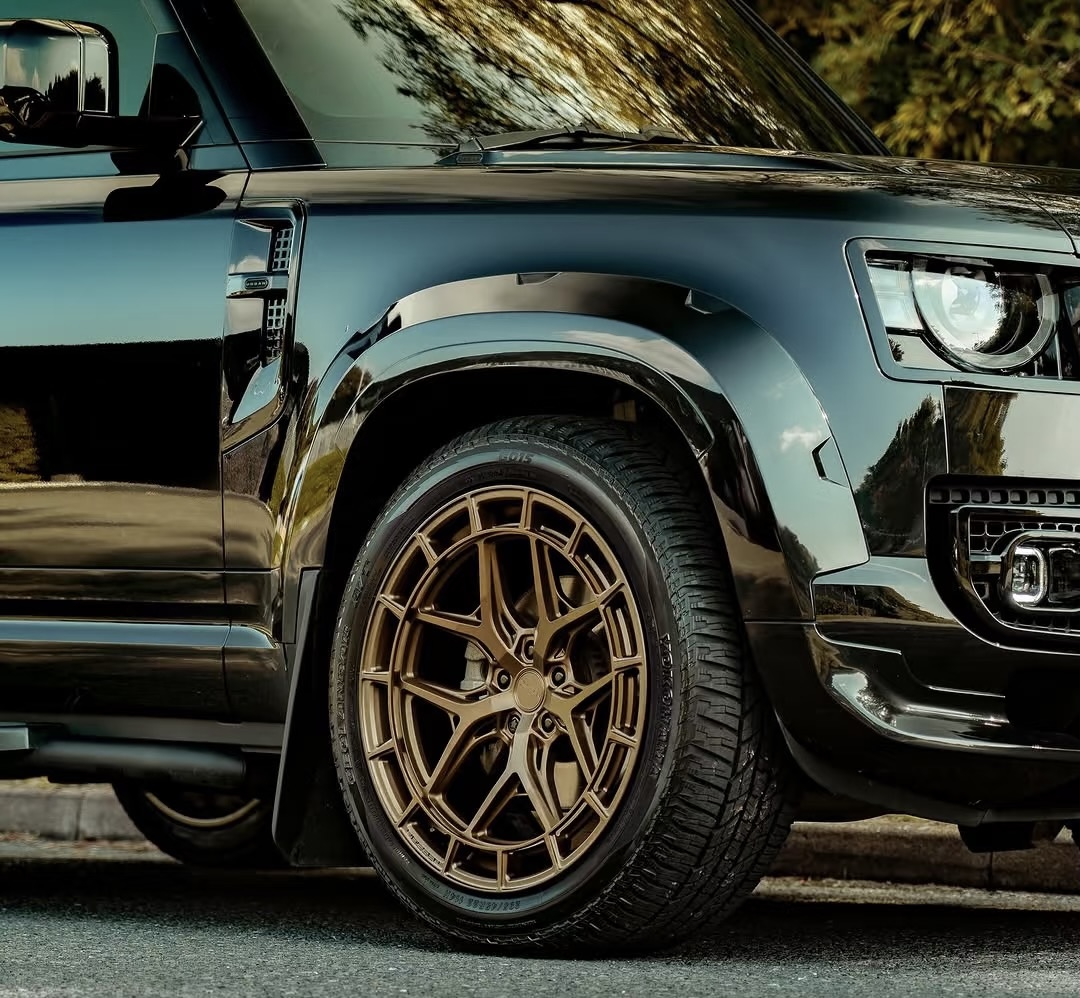
Factory Reproduction Rims: A Smart Alternative to Expensive OEM Wheels
Factory Reproduction Rims: A Smart Alternative to Expensive OEM Wheels
If you’ve ever scraped a curb, suffered through a massive pothole, or simply wanted to upgrade the look of your vehicle without breaking the bank, you’ve likely come across the term factory reproduction rims.
Upgrading or replacing your wheels used to mean choosing between two frustrating extremes: paying an absolute fortune at a local dealership for original equipment manufacturer (OEM) wheels, or opting for flashy, polarizing aftermarket designs that don’t match your car’s original aesthetic.
Enter reproduction wheels. But are they safe? Do they fit exactly like the originals? And how do you separate the premium manufacturers from cheap, dangerous knockoffs?
Let’s dive into the details to help you make an informed decision for your vehicle.
1.What Are Factory Reproduction Rims?
A factory reproduction rim is an aftermarket wheel designed to identically replicate the style, dimensions, bolt pattern, and finish of an OEM wheel.
Essentially, they are built to look exactly like the wheels that rolled off the assembly line on high-end trims, performance models, or classic editions of your vehicle. However, they are manufactured by independent, third-party companies rather than the automaker itself.
Why Do Drivers Opt for Reproduction Wheels?
Most car enthusiasts and daily drivers look into reproduction wheels for three main reasons:
-
Cost Savings: They typically cost a fraction of what a dealership charges for a replacement OEM wheel.
-
Upgrading Trims: You can make a base-model vehicle look like a premium or performance trim (for example, putting Charger Hellcat-style wheels on a standard Charger SXT).
-
Replacing Damaged Wheels: If a single factory wheel is bent or cracked, buying one reproduction wheel is often far cheaper than buying a single OEM replacement.
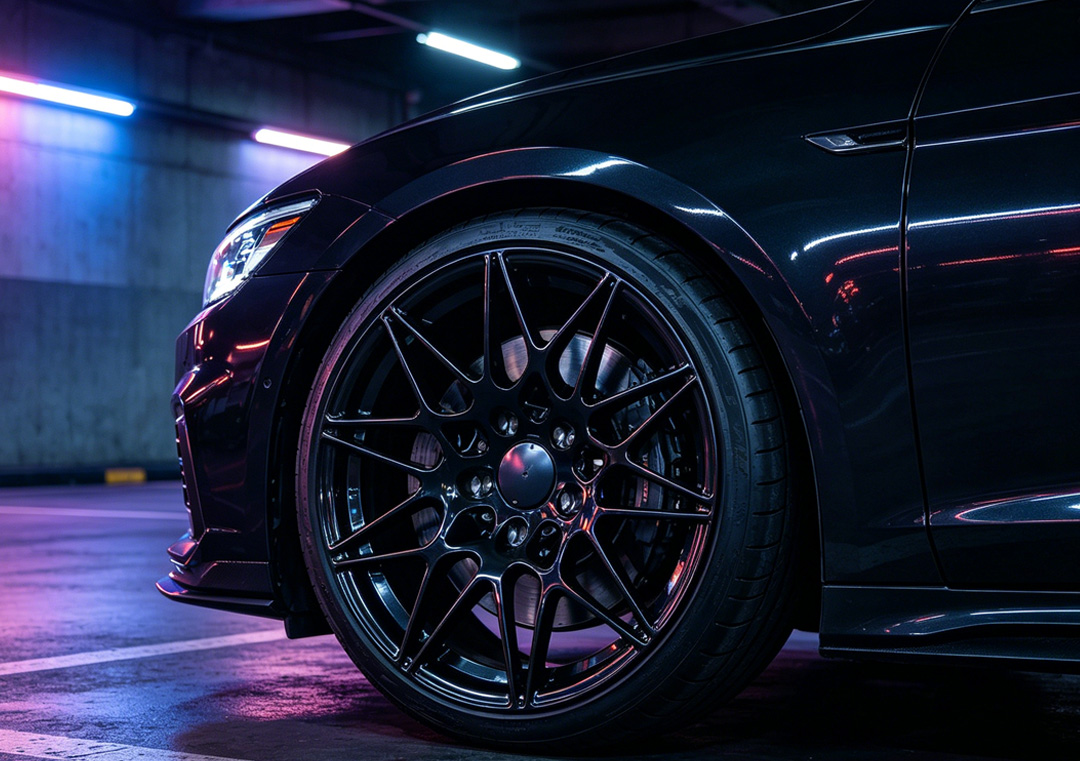
2.OEM vs. Factory Reproduction Rims: What’s the Difference?
To the untrained eye, a high-quality reproduction wheel and an OEM wheel look completely identical when mounted on a vehicle. However, beneath the surface and on the invoice, there are distinct differences you should understand.
1. Manufacturing and Branding
OEM wheels are commissioned directly by automakers (like Ford, GM, BMW, or Tesla) and built by certified Tier-1 suppliers. They feature the vehicle manufacturer’s official logo stamped on the back of the wheel.
Reproduction wheels are reverse-engineered by independent wheel brands. While they match the aesthetic details perfectly, they cannot legally carry the vehicle manufacturer’s trademarked logos or stamps on the structural body of the wheel.
2. Materials and Weight
Are reproduction wheels heavier than OEM wheels? Generally, yes.
Many modern OEM wheels utilize advanced, lightweight low-pressure casting, flow-forming, or even forging technologies to shed weight and improve fuel efficiency. While premium reproduction brands also use low-pressure casting or flow-forming, budget-tier reproductions often rely on standard gravity casting. This requires slightly thicker aluminum to achieve the same structural strength, resulting in a wheel that is often a few pounds heavier than the original.
3. Retail Pricing
The most glaring difference is the price tag. Dealership markups on OEM parts are notoriously high. A single OEM 20-inch wheel can easily run anywhere from $600 to well over $1,200. Conversely, a full set of four high-quality factory reproduction rims often costs the same as—or less than—a single replacement wheel from a dealership parts counter.
3.Side-by-Side Comparison: OEM vs. High-Quality Reproductions
| Feature | OEM (Original Equipment Manufacturer) | High-Quality Factory Reproduction |
|---|---|---|
| Manufacturer | Vehicle Maker / Tier 1 Supplier | Third-Party Manufacturer |
| Visual Appearance | Original Design | Identical Replica |
| Brand Markings | Includes Official Factory Stamps | No Official Auto Brand Stamps |
| Fitment Type | Hub-Centric (Exact Match) | Hub-Centric (Exact Match) |
| Average Cost | High to Very High ($$$$) | Budget-Friendly ($$) |
| Weight | Optimized / Lightweight | Marginally Heavier (usually 5-10%) |
| Warranty Cover | Covered by Vehicle Warranty | Covered by Wheel Manufacturer |
4.Are Factory Reproduction Rims Safe for Daily Driving?
The short answer is yes, provided they are sourced from reputable manufacturers.
A common misconception is that because reproduction wheels cost less, they must be structurally unsafe. In reality, the aftermarket wheel industry is highly regulated. High-quality reproduction rims meet or exceed the exact same rigorous industry safety standards that govern OEM wheels.
When shopping for wheels, look for these specific safety certifications stamped on the wheel or listed in the product specifications:
-
JWL (Japan Light Alloy Wheel): A structural safety standard required by the Japanese government for all passenger car wheels.
-
VIA (Vehicle Inspection Association): An independent third-party laboratory that verifies whether a wheel actually meets JWL standards.
-
SAE (Society of Automotive Engineers): North American standards (specifically SAE J2530) that test wheels for cornering fatigue, radial fatigue, and impact resistance.
If a reproduction wheel carries these certifications, it has undergone rigorous testing for load capacity, structural integrity, and impact resistance, making it entirely safe for highway speeds and daily commuting.

5.Do Factory Reproduction Rims Fit Exactly Like Original Wheels?
Yes. True, high-quality factory reproduction rims are engineered using the exact vehicle blueprints or precise 3D scans of the original parts. This ensures they match the original vehicle specifications perfectly across four critical metrics:
-
Bolt Pattern (PCD): The spacing and number of lug holes match your vehicle perfectly (e.g., 5×114.3, 5×120).
-
Offset and Backspacing: This ensures the wheel sits perfectly inside the fender well, avoiding any rubbing against your brake calipers or suspension components.
-
Center Bore: Reputable reproductions are built to be hub-centric. This means the center hole of the wheel matches the diameter of your car’s wheel hub precisely, distributing the vehicle’s weight safely onto the hub rather than relying solely on the lug nuts.
-
TPMS Compatibility: High-quality reproductions are designed with proper valve stem channels to accommodate your original tire pressure monitoring system (TPMS) sensors seamlessly.
Because of this precise engineering, you will not need Hub-Centric rings, specialized wheel spacers, or extensive modifications to mount them.
6.Key Things to Look for When Buying Reproduction Wheels
To ensure you get the best performance, safety, and longevity out of your purchase, keep these expert tips in mind when browsing:
Choose Hub-Centric Over Lug-Centric
Always verify that the wheels are hub-centric to your specific vehicle make and model. Lug-centric wheels rely on the lug nuts to center the wheel, which frequently causes annoying steering wheel vibrations at highway speeds.
Check the Finish Warranty
While a wheel might look stunning out of the box, winter road salt, brake dust, and UV rays will test the quality of its clear coat. Reputable brands offer at least a 1-year to 3-year warranty on finishes like chrome, satin black, or machined face styles.
Verify Load Ratings
If you are buying reproduction wheels for a heavy SUV, a half-ton truck (like an F-150 or Silverado), or a heavy electric vehicle (like a Tesla Model Y), ensure the wheel’s maximum load rating matches or exceeds your vehicle’s gross axle weight rating (GAWR).
Frequently Asked Questions About Reproduction Rims(FAQ)
1. What are factory reproduction rims?
Factory reproduction rims are aftermarket wheels designed to identically replicate the style, dimensions, and finish of original equipment manufacturer (OEM) wheels, usually at a much lower cost.
2. Are factory reproduction rims as safe as OEM wheels?
Yes, provided they are sourced from reputable manufacturers. High-quality reproduction rims meet or exceed industry safety standards (like JWL, VIA, or SAE) and undergo rigorous testing for load capacity and impact resistance, making them structurally safe for daily driving.
3. What is the difference between OEM and reproduction wheels?
OEM wheels are made by or for the vehicle manufacturer, offering guaranteed fitment but at a premium price. Reproduction wheels are made by third-party manufacturers to mirror OEM designs, offering a cost-effective alternative but without the official vehicle brand stamping.
4. Do factory reproduction rims fit exactly like original wheels?
Yes. True factory reproduction rims are engineered with the exact same bolt pattern, center bore, and offset as the original vehicle specifications, ensuring a direct, hub-centric fit without needing modifications or spacers.
5. Are reproduction wheels heavier than OEM wheels?
Generally, yes. While some high-end reproductions use advanced casting or flow-forming techniques, most budget reproduction wheels use standard gravity or low-pressure casting, which can make them slightly heavier than the original OEM equivalents.
6. Can I use my original center caps and lug nuts?
In most cases, yes. Because top-tier factory reproduction wheels are engineered to mimic the exact structural geometry of the OEM wheels, your original factory center caps and stock lug nuts will fit perfectly. However, always double-check with the retailer before installation.
Upgrade Your Ride Today
If you love the clean, sophisticated look that the vehicle designers intended for your car, but hate the inflated dealership prices, factory reproduction rims are the perfect middle ground. They deliver the exact stance, style, and safety you need while keeping your hard-earned money right where it belongs—in your wallet.
Ready to find the perfect match for your vehicle? Check out a premium selection of hub-centric, safety-certified wheels engineered to give your vehicle that flawless showroom look.
Explore our full collection of durable Factory Wheels & Reproduction Rims today!