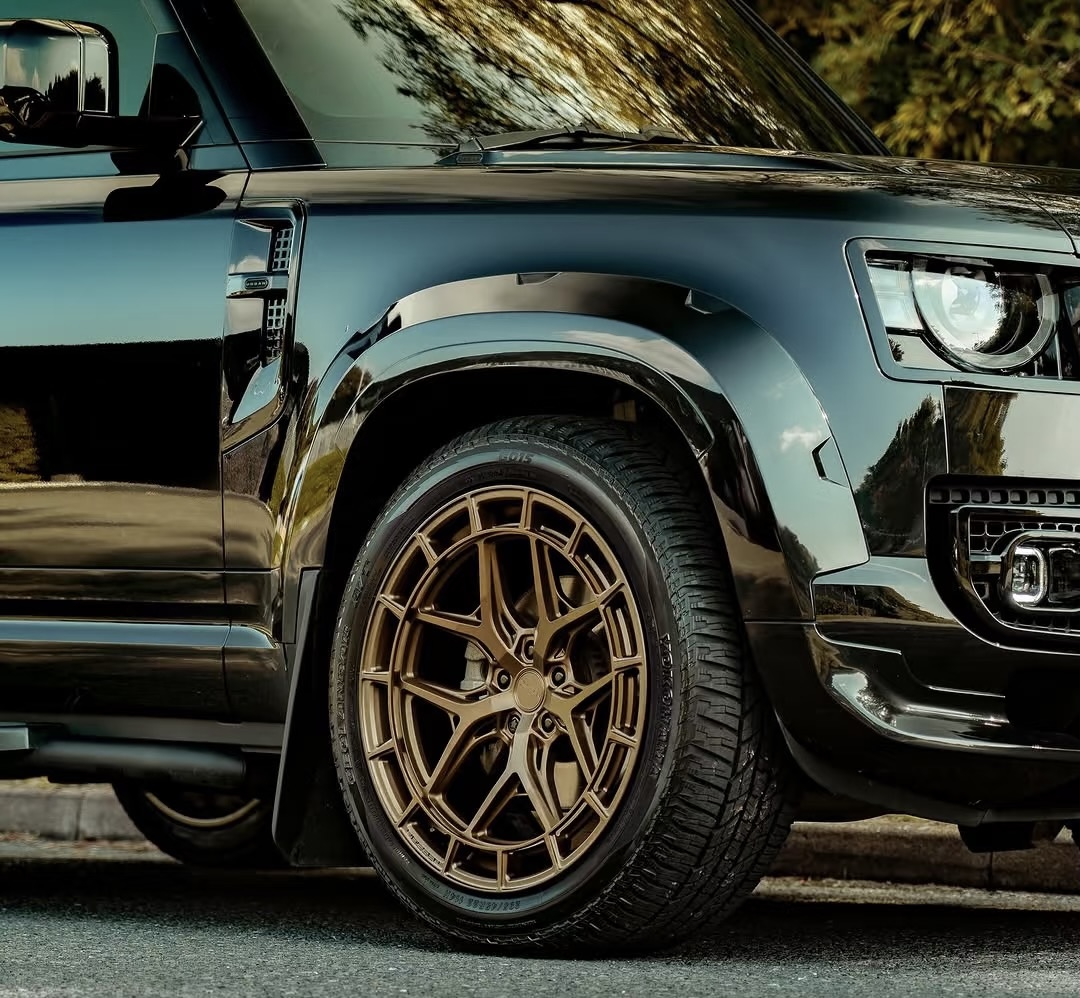
Choosing the Right Automotive Wheel for Performance, Safety, and Style
Choosing the Right Automotive Wheel for Performance, Safety, and Style
When you look at a car, the wheels are often one of the first things that catch your eye. They define a vehicle’s stance, hint at its performance capabilities, and express the driver’s personal style. However, an automotive wheel is far more than a cosmetic upgrade. It is a critical safety and engineering component that directly impacts how your vehicle accelerates, handles, brakes, and rides.
Whether you are a car enthusiast looking to upgrade your ride, a daily commuter needing a replacement, or an off-road adventurer seeking rugged durability, understanding the anatomy and engineering behind your wheels is essential.
This comprehensive resource breaks down everything you need to know about automotive wheels, from raw materials and manufacturing methods to critical fitment specifications and maintenance.
1.What is an Automotive Wheel? A Technical Overview
To the untrained eye, a wheel and a tire are the same thing. In technical terms, however, they are completely distinct components that work in tandem.
Fast Facts: What is an Automotive Wheel? > An automotive wheel is the rigid circular metal component that supports the tire and connects it directly to the vehicle’s suspension hub. It acts as the structural bridge transferring power from the drivetrain to the road surface.
Every automotive wheel must be engineered to withstand immense forces, including the weight of the vehicle, the rotational torque of the engine, the friction of braking, and the lateral stresses of cornering. A well-designed wheel optimizes aerodynamics, facilitates brake cooling, and minimizes unsprung weight to deliver a smoother, safer ride.
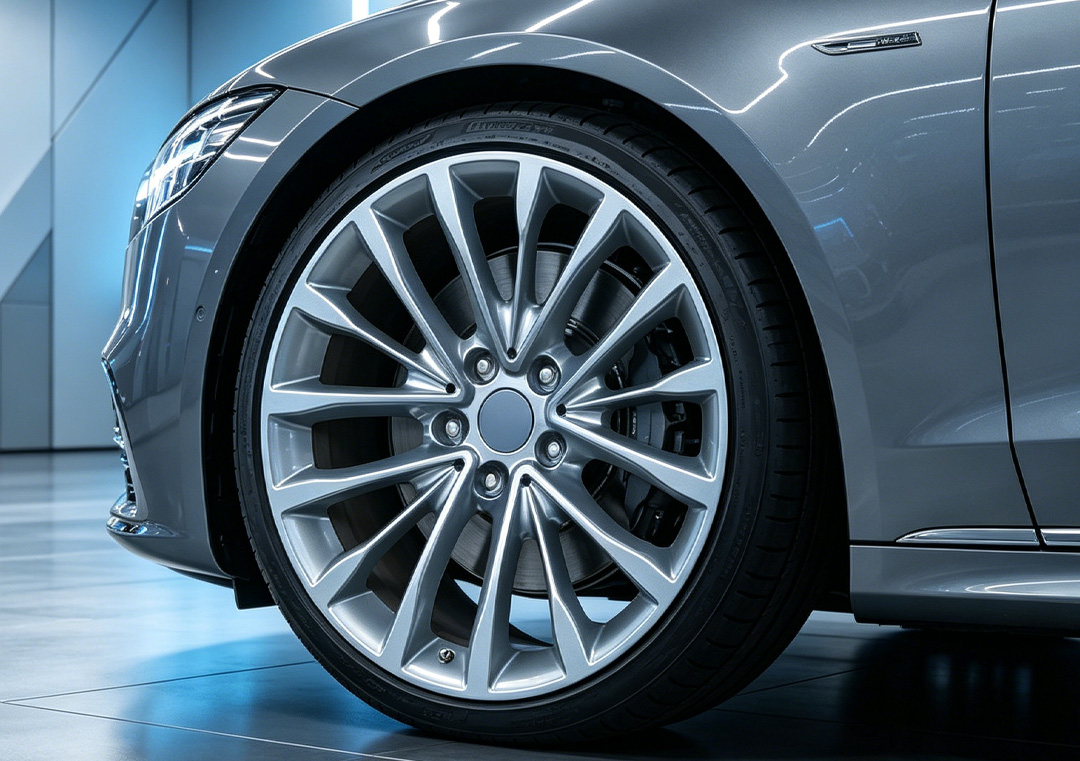
2.Key Materials Used in Modern Automotive Wheels
The material composition of an automotive wheel dictates its strength, weight, durability, and cost. Today, manufacturers primarily utilize four materials to cater to different driving needs and budgets.
1. Steel Wheels
Steel wheels are the traditional workhorses of the automotive industry. Stamped from heavy-duty steel and welded together, these wheels are incredibly robust.
-
Best For: Winter driving, heavy-duty trucks, and budget-conscious replacements.
-
Pros: Highly durable, resistant to cracking, inexpensive, and easy to repair if bent.
-
Cons: Exceptionally heavy, which can reduce fuel efficiency and hinder agile handling; limited design options.
2. Aluminum Alloy Wheels
Aluminum alloy—a blend of aluminum and other metals like nickel or magnesium—is the industry standard for most modern passenger cars, SUVs, and light trucks.
-
Best For: Daily commuting, spirited driving, and aesthetic upgrades.
-
Pros: Lightweight, excellent heat dissipation (which protects brakes), and massive variety in styling.
-
Cons: More prone to cracking under extreme impacts compared to steel; susceptible to curb rash and cosmetic damage.
3. Forged Aluminum Wheels
Forged wheels represent the premium tier of aluminum wheels. Instead of melting the metal, forcing it into a mold, and letting it cool, forging uses intense heat and pressure to crush a solid block of aluminum into shape.
-
Best For: Track racing, high-performance sports cars, and heavy-duty off-roading.
-
Pros: Unmatched strength-to-weight ratio, high structural integrity, and reduced unsprung mass for sharper handling.
-
Cons: Significantly higher price point due to the complex manufacturing process.
4. Carbon Fiber Wheels
The pinnacle of modern wheel technology, carbon fiber wheels are found almost exclusively on hypercars and top-tier racing vehicles.
-
Best For: Ultra-high-performance and track applications.
-
Pros: Exceptionally lightweight (often 40-50% lighter than aluminum), incredible rigidity, and striking visual appeal.
-
Cons: Prohibitively expensive, brittle under sudden sharp impacts, and impossible to repair if structurally compromised.
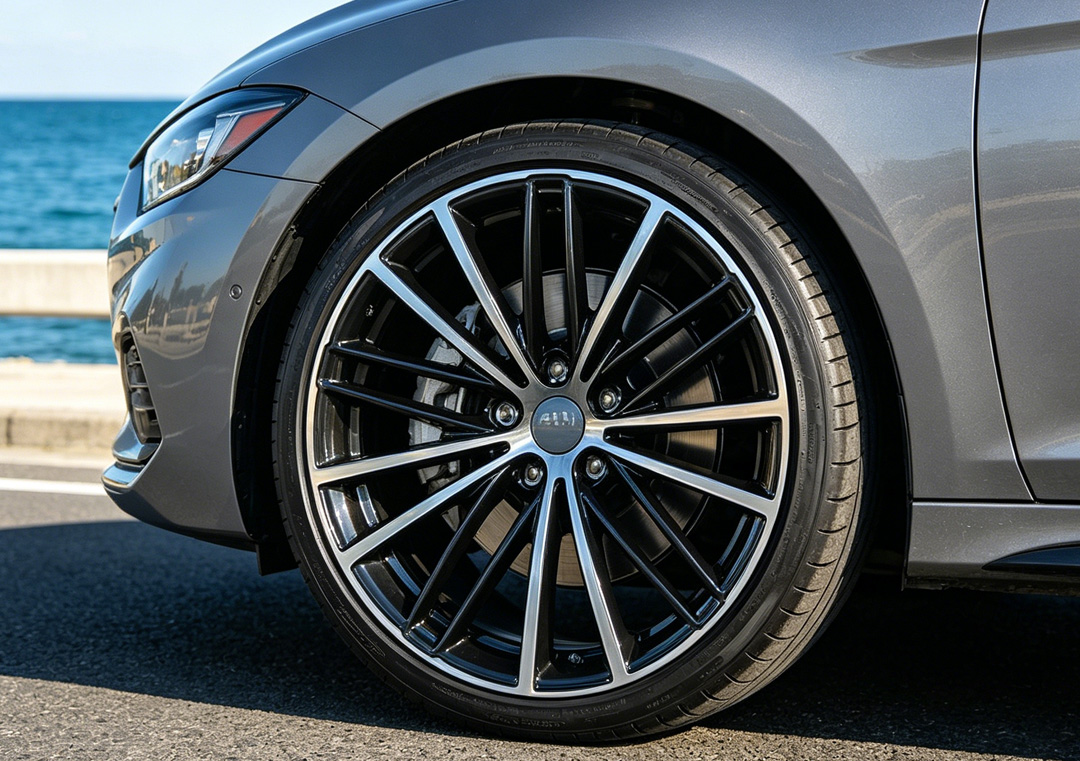
3.Manufacturing Methods: Cast vs. Forged Wheels
How a wheel is made matters just as much as what it is made of. The two most common manufacturing techniques for aftermarket and OEM (Original Equipment Manufacturer) wheels are casting and forging.
Cast Wheels
Casting involves pouring molten aluminum into a pre-shaped mold. There are two primary casting methods:
-
Gravity Casting: The simplest method, where gravity pulls the liquid metal into the mold. It results in a porous structure, meaning more material is required to achieve the necessary strength, making the wheel heavier.
-
Low-Pressure Casting: Molten metal is injected into the mold under pressure. This reduces porosity, resulting in a denser, stronger, and lighter wheel than gravity-cast options.
Forged Wheels
As mentioned, forging alters the grain structure of the metal itself. By aligning the crystalline structure of the aluminum through immense mechanical pressure, the metal becomes incredibly dense and resistant to fatigue. This allows engineers to use less material, creating incredibly thin, lightweight spokes without sacrificing safety or strength.
Here is a quick look at how these two dominant manufacturing types stack up against one another:
| Feature | Cast Automotive Wheels | Forged Automotive Wheels |
|---|---|---|
| Manufacturing Process | Molten metal poured/injected into molds | Solid aluminum billet compressed under high pressure |
| Material Density | Lower (contains micro-porosity) | High (dense, aligned grain structure) |
| Weight | Heavier | Exceptionally Lightweight |
| Structural Strength | Moderate (can crack under extreme impact) | High (bends rather than cracking under stress) |
| Price Point | Budget-friendly to Mid-range | Premium/Expensive |
| Ideal Application | Daily driving, commuter cars, styling upgrades | Track racing, luxury vehicles, heavy off-roading |
4.Critical Fitment Specifications: How to Choose the Right Wheel
Upgrading your automotive wheel is not as simple as picking a style you like and bolting it on. A wheel must precisely match your vehicle’s mechanical specifications to prevent rubbing against the fenders, hitting brake calipers, or compromising stability control systems.
When searching for the perfect aftermarket wheel, keep these five essential metrics in mind:
1. Bolt Pattern (Lug Pattern)
The bolt pattern refers to the number of lug nut holes on the wheel and the diameter of the imaginary circle they form.
-
Example: A pattern labeled 5×114.3 means the wheel has 5 lug holes arranged in a circle with a diameter of 114.3 millimeters. You must match this exactly to your vehicle’s hub.
2. Wheel Diameter and Width
Measured in inches, these dimensions dictate what size tire you can mount. If you step up to a larger diameter (e.g., from 17 inches to 19 inches), you must use a lower-profile tire to maintain the same overall rolling diameter.
3. Wheel Offset
Offset is the distance from the wheel’s mounting surface to its true centerline. It determines whether the wheel sits deep inside the fender or pushes outward toward the street.
-
Positive Offset: The mounting surface is closer to the street side, pushing the wheel inward. (Common on modern front-wheel-drive cars).
-
Negative Offset: The mounting surface is closer to the suspension side, pushing the wheel outward for a deep-dish look. (Common on lifted trucks and classic muscle cars).
-
Zero Offset: The mounting surface is perfectly aligned with the centerline.
4. Center Bore
The center bore is the machined opening on the back of the wheel that sits flush against the vehicle’s hub. Many aftermarket wheels feature a larger center bore to fit multiple vehicles, requiring hub-centric rings to eliminate vibration at highway speeds.
5. Load Rating
Every wheel is rated to carry a specific maximum weight. Trucks, towing vehicles, and heavy electric vehicles (EVs) require wheels with a higher load rating to safely manage the increased structural stress.
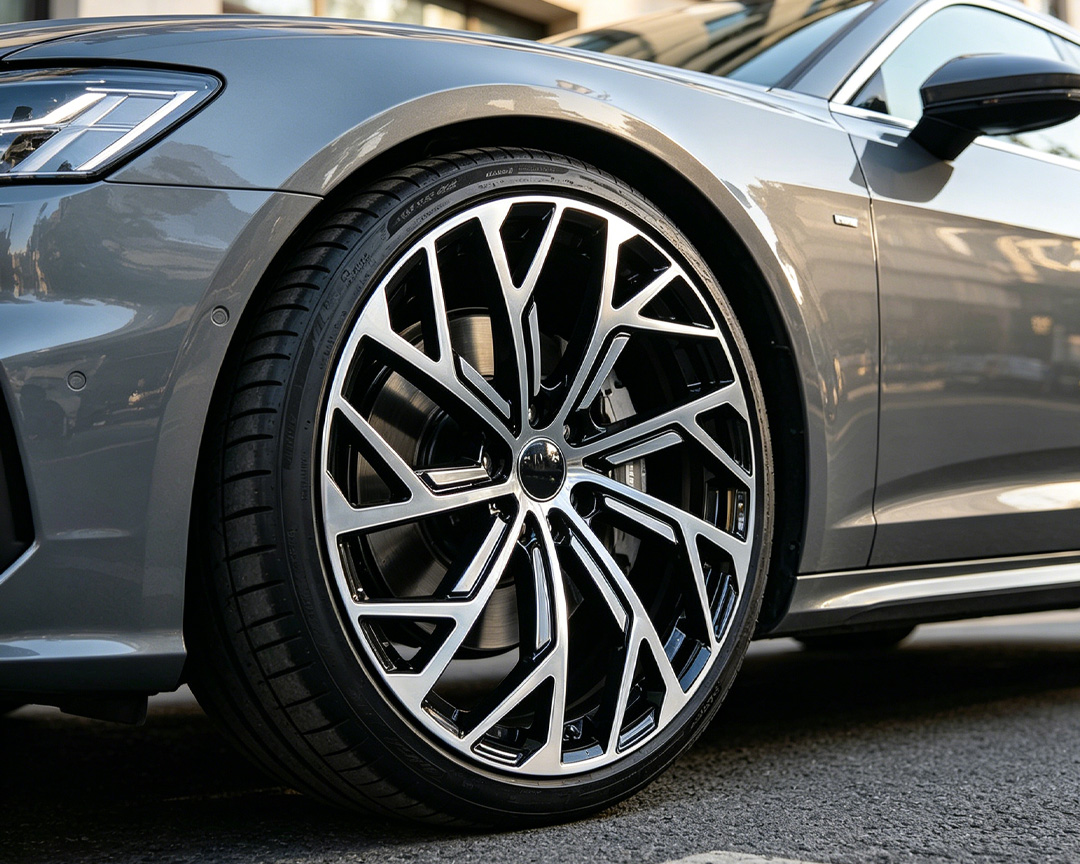
5.How Long Do Automotive Wheels Last? Maintenance and Longevity
Under normal driving conditions, a high-quality automotive wheel can easily last the lifetime of the vehicle. However, real-world road conditions often introduce hazards that can compromise their structural integrity.
Common Threats to Wheel Lifespan
-
Potholes and Curbs: Severe impacts can bend the rim lips of steel wheels or crack aluminum alloy wheels, leading to slow air leaks or catastrophic blowouts.
-
Road Salt and Chemical Deicers: Winter driving conditions expose wheels to highly corrosive chemicals. Without regular cleaning, clear coats can peel, leading to pitting and oxidation on aluminum surfaces.
-
Brake Dust Accumulation: High-performance brake pads emit metallic dust that can burn into the wheel’s finish if left sitting for prolonged periods, permanently ruining the aesthetic.
Best Practices for Wheel Maintenance
To maximize the life and look of your wheels, rinse them frequently to remove road grime and brake dust. Avoid using harsh household detergents or acid-based cleaners, as these can strip away protective clear coats. Additionally, ensure your wheels are regularly balanced and aligned to distribute road vibrations evenly across the suspension.
Frequently Asked Questions(FAQ)
1.What are the main signs that my automotive wheel is damaged?
Common warning signs include a persistent vibration in the steering wheel or seat while driving, uneven tire wear, a tire that constantly loses air pressure, or visible bends, dents, and cracks along the outer or inner rim edge.
2.Can a cracked aluminum alloy wheel be safely repaired?
Minor cosmetic damage or slight bends on the lip of a wheel can often be professionally repaired. However, hairline cracks in the barrel or structural spokes compromise the structural safety of the wheel and should never be welded or repaired. In these scenarios, replacing the wheel entirely is the safest choice.
3.Is it necessary to get an alignment after installing new wheels?
While simply changing wheels does not directly alter your suspension angles, it is highly recommended to get a professional wheel alignment whenever you change wheel sizes or install new tires. This ensures your new setup wears evenly and handles perfectly.
4.How do heavier wheels affect my vehicle’s performance?
Heavier wheels increase your vehicle’s unsprung weight—the mass not supported by the suspension. This requires the engine to work harder to rotate the wheels, which can slightly reduce fuel efficiency, slow down acceleration, and make the suspension feel less responsive over bumps.
Elevate Your Ride with Premium Craftsmanship
Your wheels are the foundation of your driving experience. Selecting the right combination of material, engineering, and style ensures your vehicle performs at its absolute peak while keeping you safe on every journey.
If you are ready to upgrade your vehicle’s performance, durability, and curbside appeal, explore the precision-engineered inventory at ATK Wheels. From rugged off-road strength to sleek street aesthetics, discover the ideal match for your vehicle today.