Wheels Alloy Wheels: Everything You Need to Know Before Buying
Wheels Alloy Wheels: Everything You Need to Know Before Buying
When it comes to upgrading your vehicle or buying a new car, you will constantly hear terms like “rims,” “wheels,” and “alloy wheels” thrown around by dealerships and aftermarket shops. It is easy to get confused by the automotive jargon, but understanding the exact terminology—and the technology behind it—is crucial for making the right investment for your ride.
If you are looking at upgrading your setup, you might be asking: What is the difference between standard wheels and alloy wheels? Are alloy wheels worth the extra cash? How do they impact your daily commute or track performance?
This comprehensive overview will break down everything you need to know about wheels alloy wheels, comparing materials, performance metrics, durability, and aesthetics so you can choose the absolute best option for your vehicle.
1.Defining the Basics: What is the Difference Between Wheels and Alloy Wheels?
To understand the debate, we first need to clear up a common misconception about automotive terminology.
Featured Snippet Definition:
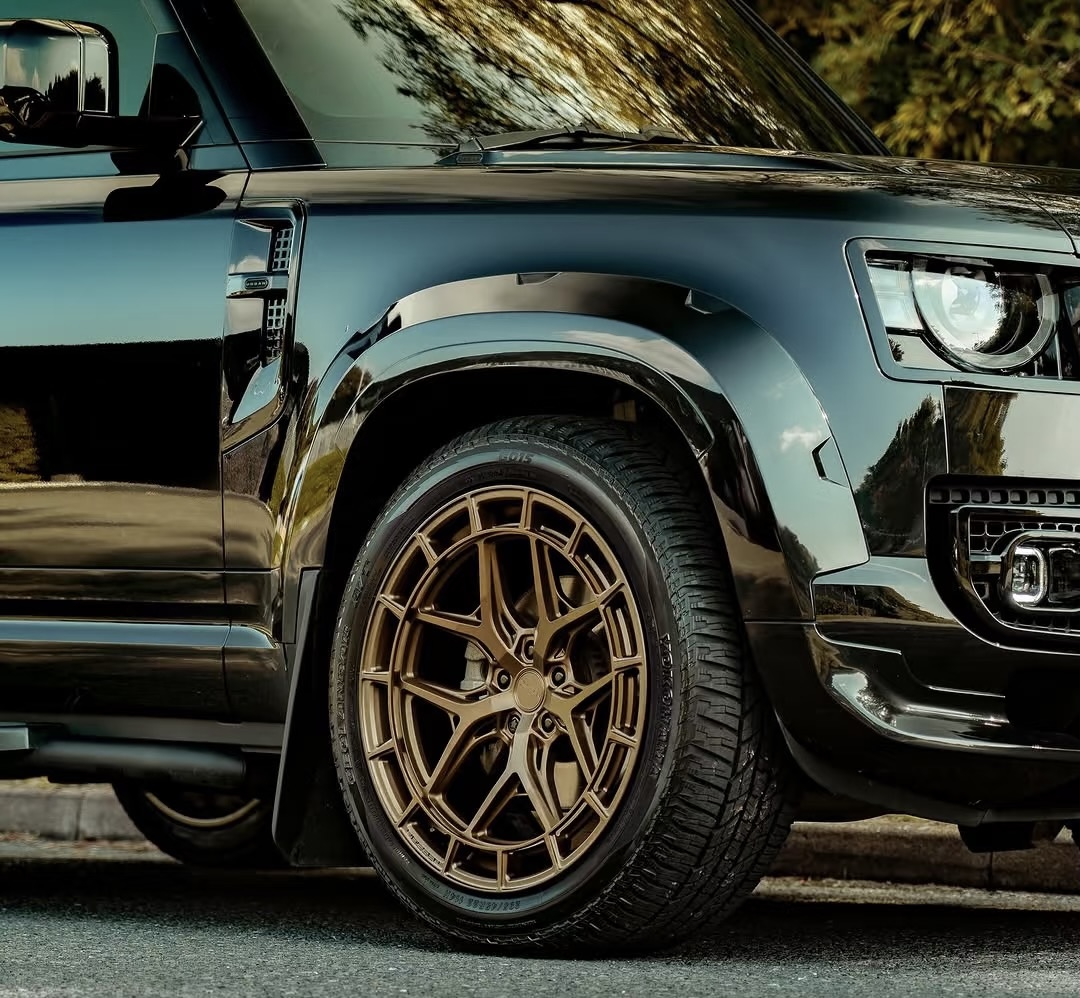
“Wheels” is a generic, umbrella term for the entire circular metal assembly that mounts to a vehicle’s axle and holds the tire, encompassing both steel and alloy variants. “Alloy wheels” specifically refer to wheels manufactured from a blend of aluminum or magnesium combined with other metals, offering lighter weight, superior heat dissipation, and advanced styling compared to standard stamped steel wheels.
In short, every alloy wheel is a wheel, but not every wheel is an alloy wheel.
Historically, most consumer vehicles came standard with steel wheels (often hidden behind plastic hubcaps). Today, alloy wheels have become the industry standard for most modern cars, trucks, and SUVs due to their massive structural and aesthetic advantages.
2.Steel Wheels vs. Alloy Wheels: A Direct Comparison
To truly appreciate why drivers prefer alloy variants, it helps to compare them directly against traditional steel wheels. Steel wheels are made by stamping sheet steel into shape and welding the components together. They are heavy, utilitarian, and built solely for basic functionality.
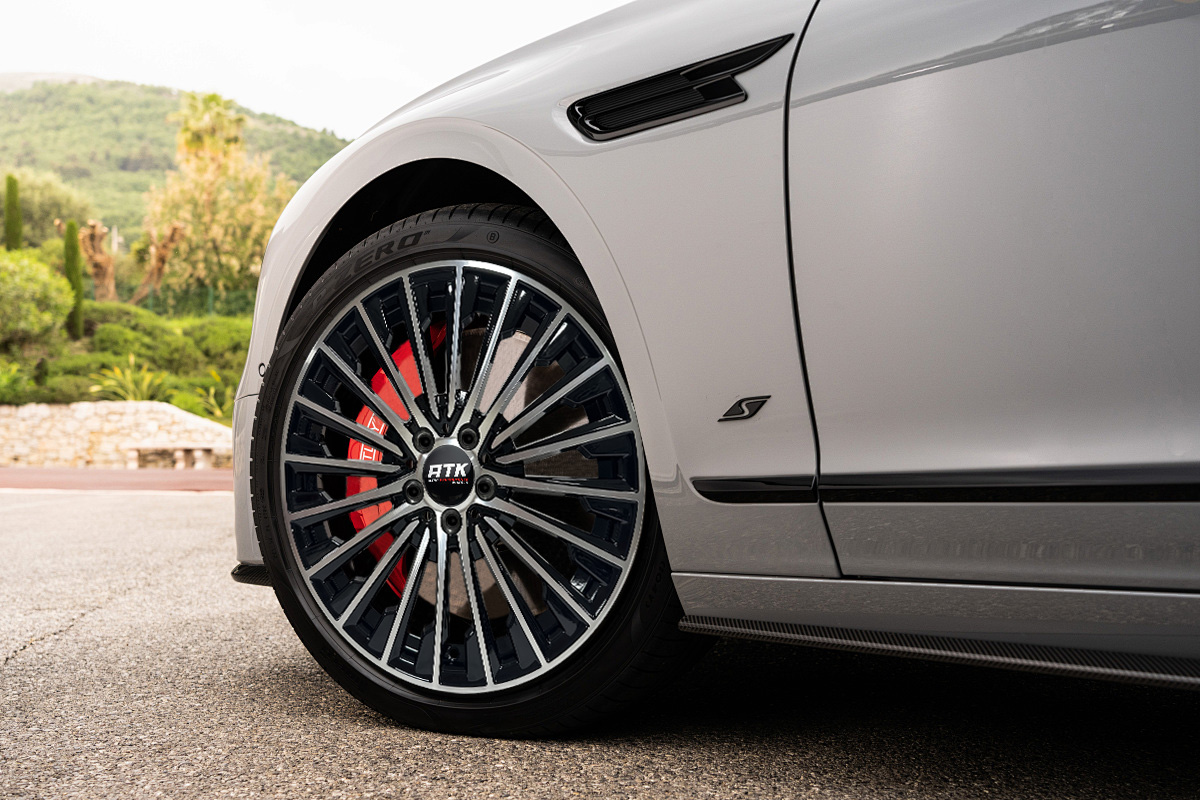
Alloy wheels, on the other hand, are typically cast or forged from liquid aluminum alloys. This process allows engineers to create intricate designs while keeping the weight minimal.
Side-by-Side Comparison Matrix
| Feature | Standard Steel Wheels | Premium Alloy Wheels |
|---|---|---|
| Material Composition | Stamped Iron and Carbon (Steel) | Aluminum/Magnesium Blend with Trace Metals |
| Weight | Heavy (Higher unsprung mass) | Light (Lower unsprung mass) |
| Fuel Efficiency | Lower (Requires more energy to rotate) | Higher (Reduces overall vehicle strain) |
| Handling & Steering | Slower steering response, stiffer ride | Quick steering response, agile cornering |
| Design & Aesthetics | Basic, uniform, requires hubcaps | Highly customizable, sleek, modern finishes |
| Durability against Cracks | Highly resistant; bends rather than cracks | Can crack under extreme, high-speed impacts |
| Cost | Budget-friendly, low replacement cost | Higher initial investment |
3.Why Materials Matter: The Engineering Behind Alloy Wheels
The magic of alloy wheels lies in metallurgy. Pure aluminum is too soft to withstand the brutal forces of potholes, high-speed cornering, and heavy vehicle loads. By mixing aluminum with elements like silicon, magnesium, and copper, manufacturers create a material that is both incredibly strong and remarkably lightweight.
There are two primary manufacturing methods for alloy wheels, each affecting performance and price:
1. Cast Alloy Wheels
The vast majority of OEM and aftermarket alloy wheels are made via casting. This involves pouring molten aluminum into a mold. Once cooled, the wheel is machined and finished. Casting allows for immense design flexibility at a relatively affordable price point.
2. Forged Alloy Wheels
Forged wheels represent the pinnacle of wheel technology. A solid billet of aluminum is subjected to immense pressure and heat, forcing the metal into the shape of a wheel. This process alters the grain structure of the metal, making it significantly denser and stronger than a cast wheel. Because they are stronger, forged wheels can be made even thinner and lighter, making them the top choice for high-performance sports cars and racing applications.
4.Do Alloy Wheels Improve Vehicle Performance?
The short answer is: Yes, absolutely. Upgrading to alloy wheels is one of the most cost-effective ways to instantly boost your vehicle’s driving dynamics. This improvement comes down to a fundamental principle of automotive physics: unsprung weight.
The Impact of Unsprung Weight
Unsprung weight refers to any part of the vehicle that is not supported by the suspension system—this includes your brakes, tires, and wheels. When you reduce the weight of these components, your suspension doesn’t have to work as hard to keep the tires planted on the road.
-
Sharper Acceleration: Lighter wheels require less rotational torque to move. Your engine can spin the wheels faster, leading to a noticeable improvement in 0-60 mph times.
-
Enhanced Steering Response: With less mass resisting your steering inputs, the car feels much more agile, responsive, and nimble around tight corners.
-
Superior Braking Efficiency: Stopping a heavy spinning object takes more force than stopping a light one. Alloy wheels allow your vehicle to come to a halt over shorter distances.
Advanced Heat Dissipation
Every time you press the brake pedal, friction creates massive amounts of heat. If this heat builds up, it can lead to “brake fade,” a dangerous situation where your brakes lose their stopping power. Aluminum alloy is an excellent conductor of heat. Alloy wheels act like giant heat sinks, drawing thermal energy away from the brake rotors and calipers and venting it into the passing air. This keeps your braking system running cooler and performing consistently during aggressive driving or long downhill descents.
5.Aesthetics and Style: Customizing Your Ride
Let’s be honest: while performance is great, many drivers upgrade to alloy wheels purely for the looks. Stamped steel wheels are visually unappealing, which is why they are almost always covered up by cheap plastic hubcaps that can crack or fly off on the highway.
Alloy wheels offer endless design possibilities. Because the metal can be molded or machined into virtually any shape, you can find styles that perfectly complement your vehicle’s personality:
-
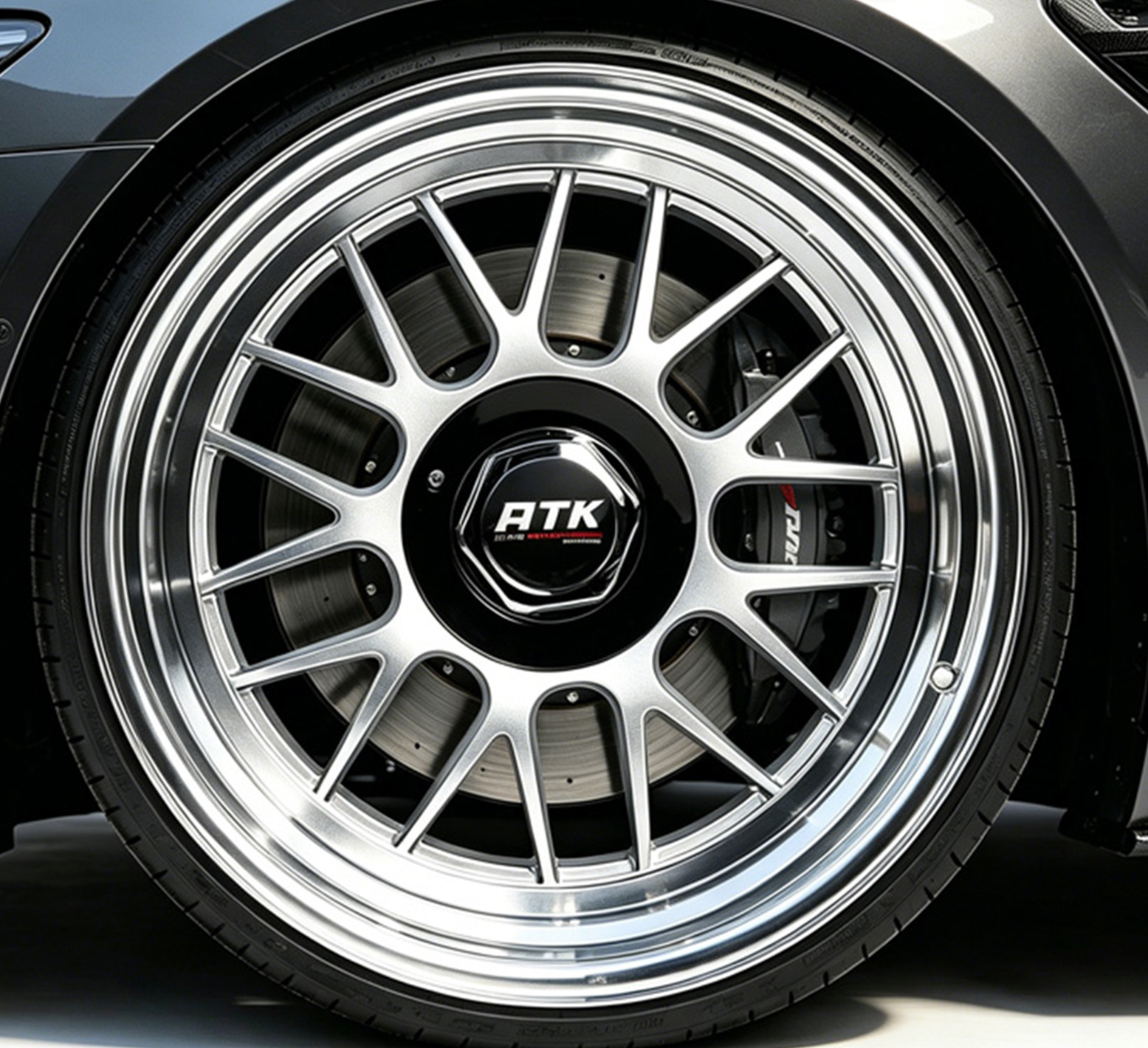
Mesh Designs: Perfect for a classic, European sports car look.
-
Multi-Spoke Layouts: Ideal for modern luxury sedans and premium SUVs.
-
Deep Dish and Concave Profiles: Highly sought after in the aftermarket tuning scene for a aggressive, planted stance.
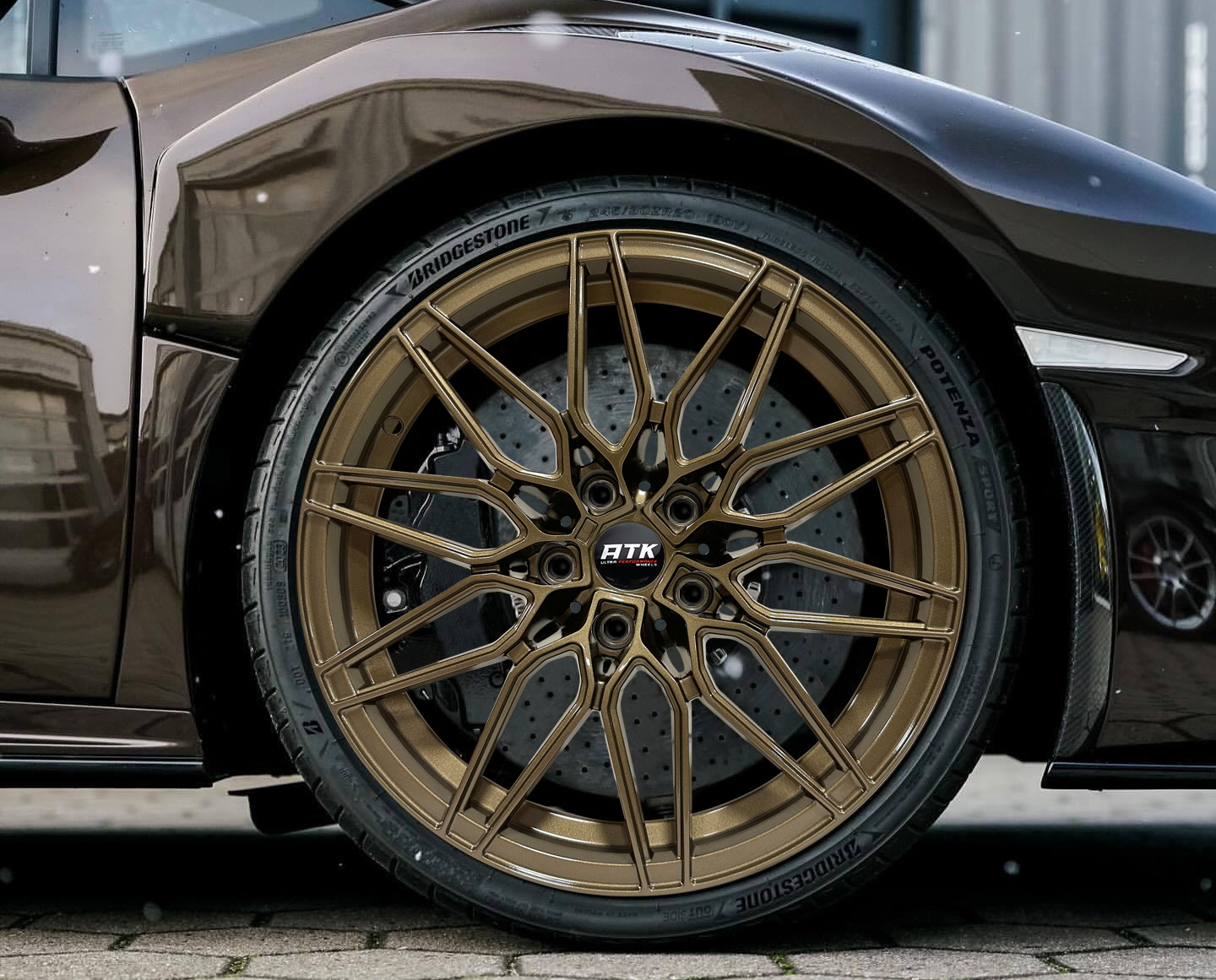
Furthermore, alloy wheels support an array of premium finishes, including glossy black, matte gunmetal, polished chrome, tinted clear coats, and diamond-cut machined faces.
6.Durability, Damage, and Maintenance: What You Need to Know
While alloy wheels excel in performance and style, they do require a bit more mindfulness from the driver compared to rugged steel options.
Do Alloy Wheels Scratch Easily?
Yes, because aluminum alloys are inherently softer than structural carbon steel, they are more susceptible to cosmetic damage. The most common form of damage is curb rash, which happens when a wheel scrapes against a concrete curb during parallel parking. Additionally, flying road debris, rocks, and harsh automatic car wash brushes can scratch the protective clear coat.
Can They Be Repaired?
Fortunately, most minor damages are completely repairable. Mobile wheel repair specialists can sand down scuffs, apply specialized fillers, and repaint the wheel to look brand new. Many high-end wheels feature a CNC-machined face, which can be re-turned on a lathe to erase imperfections.
Important Safety Note: While cosmetic scratches and minor bends can be fixed, structurally cracked alloy wheels should never be welded or repaired for highway use. A cracked wheel compromises the structural integrity of the vehicle and must be replaced immediately.
Preventing Corrosion
While aluminum does not rust in the way iron does, it can undergo oxidation and corrosion. The biggest culprits are brake dust and road salt used during winter months. Brake dust consists of tiny, hot metallic shards that can burn into the wheel’s clear coat if left uncleaned. Regular washing with a pH-neutral wheel cleaner and applying a high-quality ceramic coating or wheel wax will create a barrier that protects your investment for years to come.
Frequently Asked Questions (FAQ)
1.How long do alloy wheels typically last?
Structurally, high-quality alloy wheels are engineered to last the entire lifespan of the vehicle (10–15+ years), provided they aren’t compromised by a severe pothole impact or accident. However, their aesthetic finish—the paint or clear coat—can begin to degrade or corrode within 3–5 years if they are neglected, exposed to heavy road salts, or cleaned with harsh acid-based chemicals.
2.Are alloy wheels suitable for winter driving?
Yes, but they require extra care. Road salt and liquid de-icers can eat through the clear coat of an alloy wheel, leading to pitting and white corrosion spots. Many drivers in cold climates choose to run painted or clear-coated alloy wheels for the winter while avoiding fully polished or chrome finishes, which are highly sensitive to salt damage. Alternatively, some swap to cheap steel wheels for the winter months.
3.How can I tell if my wheels are steel or alloy?
The easiest way is to look at them closely or use a magnet. Magnetism will tell the story instantly: a magnet will stick firmly to a steel wheel, but it will not stick to an aluminum alloy wheel. Additionally, if the wheel has an intricate, open design where you can easily see the brake rotors, it is almost certainly an alloy. If it looks like a solid black metal dish covered by a plastic cover, it is steel.
4.Do alloy wheels affect tire pressure?
Alloy wheels themselves do not cause tire pressure changes, but poor maintenance can. If an alloy wheel experiences severe bead seat corrosion (where the tire rubber meets the metal rim), air can slowly seep out, leading to chronic low tire pressure. Regular cleaning and ensuring your tire technician cleans the bead area during tire swaps will prevent this issue entirely.
Conclusion: Making the Right Choice for Your Vehicle
When deciding between standard wheels and premium alloy wheels, the choice ultimately comes down to your budget, driving habits, and personal style priorities.
If you view your vehicle strictly as an appliance to get from point A to point B with minimal maintenance, or if you frequently drive in brutal construction zones where bending a wheel is a monthly occurrence, standard steel wheels offer a tough, cost-effective solution.
However, if you want to unlock your vehicle’s true potential—improving fuel economy, shortening stopping distances, sharpening cornering, and completely transforming its curb appeal—alloy wheels are worth every single penny. They represent the perfect intersection of modern engineering and automotive art.
Ready to transform the look and performance of your vehicle? Don’t settle for boring, heavy wheels. Explore our extensive collection of premium, precision-engineered alloy wheels designed to fit your exact make and model perfectly.