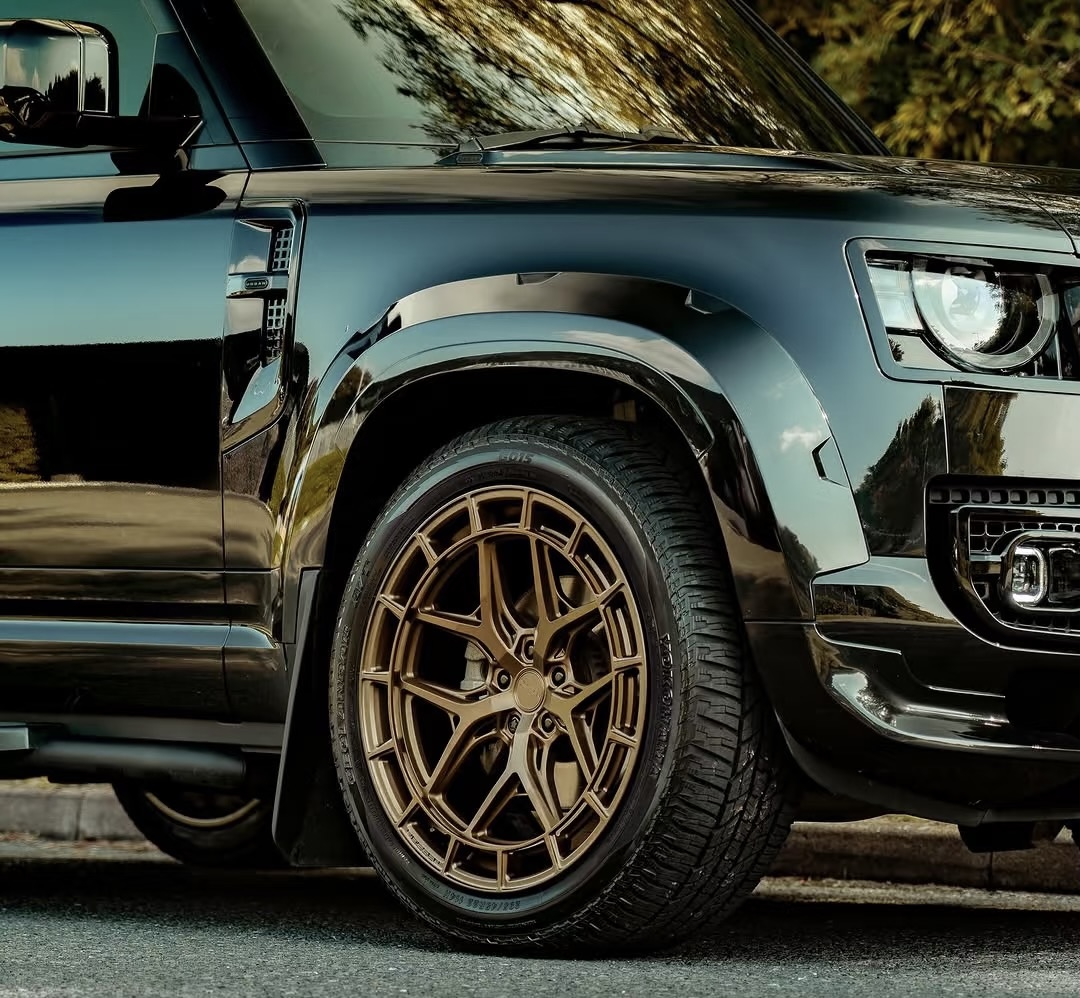
Bronze Wheels: Why They Remain a Top Choice for Style, Performance, and Everyday Driving
Bronze Wheels: Why They Remain a Top Choice for Style, Performance, and Everyday Driving
If you have spent any time scrolling through automotive forums, browsing Instagram builds, or attending local car meets recently, you have likely noticed a major shift in wheel styling. The era of blinding chrome has taken a back seat, and standard gloss black is no longer the default choice for enthusiasts looking to stand out. Instead, one finish has quietly but decisively taken over the aftermarket world: bronze wheels.
Whether it is a rugged overland rig, a sleek Euro sport sedan, or a classic JDM tuner, bronze wheels have become the go-to aesthetic upgrade for drivers who want a premium, sophisticated look without being overly flashy.
But why has this specific finish captured the hearts of car enthusiasts everywhere? Are they a passing trend, or are they here to stay? In this comprehensive deep dive, we will explore everything you need to know about bronze wheels, from color matching and material science to maintenance and performance.
1.Are Bronze Wheels Still in Style?
The short answer is yes. Bronze wheels remain one of the most popular and rapidly growing aftermarket wheel finishes in 2026.
Featured Snippet Answer:
Yes, bronze wheels are absolutely still in style. They have evolved from a niche motorsport look into a timeless, premium aftermarket finish. Offering a perfect middle ground between the subtlety of black and the flashiness of chrome, bronze wheels complement a wide array of vehicle colors and body styles, ensuring their enduring popularity in the automotive community.
The longevity of the bronze wheel trend comes down to its incredible versatility. Unlike bright gold, which can sometimes look ostentatious, or matte black, which can hide the intricate design details of a wheel, bronze strikes a perfect balance. It accentuates the lines, spokes, and concavity of a wheel design while adding warmth and depth to the vehicle’s overall profile.
Furthermore, the term “bronze” is not a monolith. Manufacturers like ATK Wheels offer an impressive spectrum of bronze finishes, each creating a distinct vibe:
-
Matte Bronze: A subtle, non-reflective finish that hides brake dust exceptionally well and gives off an aggressive, track-ready or off-road vibe.
-
Satin Bronze: A sophisticated middle ground with a slight sheen that catches the sunlight, highlighting the wheel’s architectural details.
-
Gloss/Liquid Bronze: A high-shine finish that delivers a luxury, high-end look perfect for modern sport compacts and luxury SUVs.
-
Dark Tinted Bronze: A deep, smoky shade that looks almost black in low light but reveals rich, golden-brown undertones under direct sunlight.
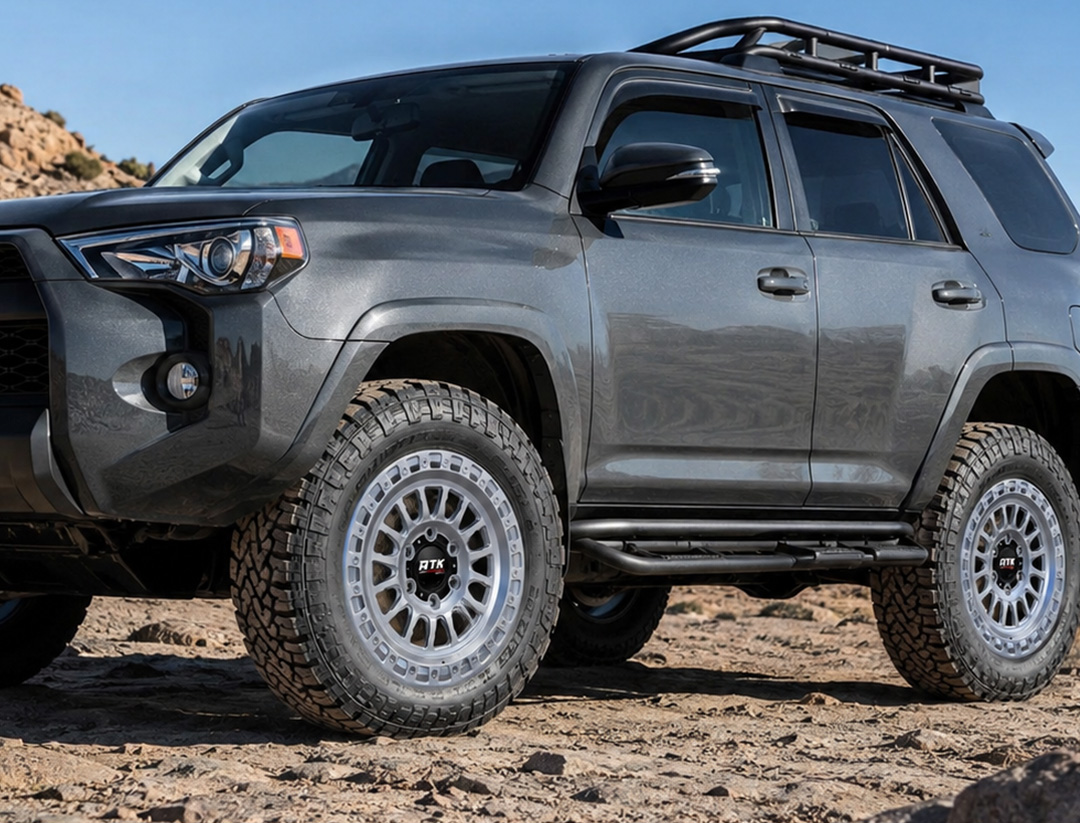
2.What Color Cars Look Best with Bronze Wheels?
One of the biggest advantages of upgrading to bronze aftermarket wheels is how beautifully they complement diverse factory paint colors. While silver and black are neutral, bronze acts as a complementary contrast that elevates the vehicle’s aesthetic.
Here is a breakdown of how bronze wheels interact with the most popular vehicle colors on the road today:
White Vehicles
Pairing bronze wheels with a white car is an absolute classic combination. Whether it is a pearl white luxury sedan or a crisp gloss white hatchback, bronze adds warmth and a high-end, motorsport-inspired contrast. It breaks up the monotony of the white paint without looking overly aggressive.
Black Vehicles
If you want to avoid the murdered-out, all-black look but still want a sinister, aggressive presence, bronze is the answer. On a black car, bronze wheels pop beautifully, drawing immediate attention to the wheel design and stance of the vehicle.
Gray and Charcoal Vehicles
Gray can sometimes look a bit sterile or clinical. Adding a set of satin or matte bronze wheels introduces a warm element to the cool undertones of gray, gunmetal, or silver paint. This combination looks exceptionally sophisticated and premium.
Blue Vehicles
This is perhaps the most iconic pairing in automotive history, heavily rooted in rally racing heritage (think classic Subaru WRX STI models). A deep navy blue or a bright metallic blue paired with gold or bronze wheels creates a striking, high-contrast visual that never fails to turn heads.
Dark Green and Forest Tones
With the massive rise in popularity of Earth-toned vehicles—such as forest green, military green, and khaki—bronze wheels have become the ultimate pairing. This combination gives off a rugged, adventurous, and organic aesthetic that looks perfectly at home on off-road rigs, overland builds, and modern crossovers.
3.Decoding the Tech: Materials, Finishes, and Manufacturing
A common point of confusion for drivers looking to upgrade their vehicles involves what these wheels are actually made of. Let’s clear up some technical details.
Are Bronze Wheels Made from Actual Bronze Metal?
No. Most bronze wheels are aluminum alloy wheels with a bronze-colored painted, powder-coated, or PVD finish rather than being made from actual bronze metal.
Actual bronze is an alloy composed primarily of copper and tin. While beautiful, real bronze is far too heavy, brittle, and prone to rapid oxidation (developing a green patina) to be safely or practically used for automotive wheels. Modern aftermarket wheels utilize high-grade A356 aluminum or forged aluminum configurations for strength and weight savings, applying advanced surface coating technologies to achieve the stunning bronze aesthetic.
How Bronze Finishes Are Applied
The method used to apply the bronze finish directly impacts the wheel’s durability, depth of color, and price point.
-
Liquid Painting: A traditional method where a liquid base coat, bronze color coat, and clear coat are sprayed onto the wheel. This allows for incredibly precise color matching and deep metallic flake effects.
-
Powder Coating: The wheel is electrostatically charged, and a dry bronze powder is applied before being cured under high heat. This creates an incredibly thick, resilient, and chip-resistant barrier that is ideal for daily drivers and off-road vehicles.
-
PVD (Physical Vapor Deposition): A high-tech process done in a vacuum chamber where a thin layer of metal atoms is bonded to the wheel surface, followed by a protective clear coat. This yields a brilliant, chrome-like metallic depth with the durability of a powder coat.
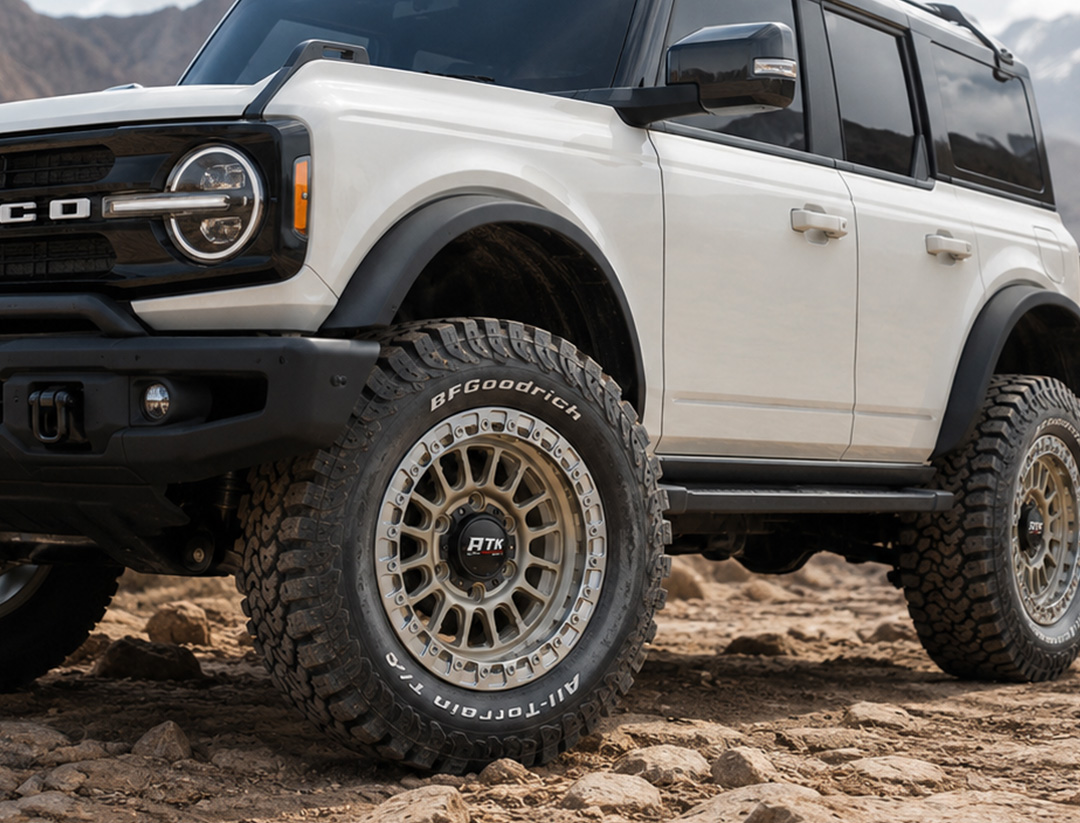
4.Performance vs. Aesthetics: What Actually Matters?
When shopping for new shoes for your vehicle, it is easy to get caught up entirely in the visuals. However, it is vital to remember how your choice impacts how your car drives, handles, and brakes.
Crucial Fact: The bronze finish itself does not affect vehicle performance. Wheel weight, material, construction method, size, and offset are the actual factors that influence handling, acceleration, fuel economy, and driving performance.
To help you choose the right type of wheel structure for your needs, here is how different manufacturing methods stack up against one another:
Wheel Construction Comparison
| Wheel Type | Manufacturing Process | Weight | Strength | Price Point | Best Suited For |
|---|---|---|---|---|---|
| Gravity Cast | Molten aluminum is poured into a mold relying solely on gravity. | Heaviest | Standard / Baseline | Most Affordable | Daily commuting, budget-conscious builds. |
| Flow Formed / Rotary Forged | The wheel cast is spun while hydraulic rollers apply pressure to stretch the barrel. | Lighter | High (Enhanced tensile strength) | Mid-Range | Street performance, track days, spirited driving. |
| Fully Forged | A solid block of aerospace-grade aluminum is pressed under massive pressure and CNC-machined. | Lightest | Extreme / Highest Durability | Premium / High-End | Elite track racing, luxury vehicles, high-horsepower applications. |
If you are looking for an optimal blend of weight reduction, structural integrity, and affordability, flow-formed bronze wheels represent the sweet spot for modern enthusiasts. Reducing unsprung mass at the corners of your car improves throttle response, sharpens steering input, and allows your suspension to react faster to imperfections in the road.
5.How to Maintain and Clean Bronze Wheels
A major selling point for bronze wheels—especially matte and satin variations—is their ability to camouflage light road grime and brake dust better than bright silver or high-gloss black wheels. However, they still require proper upkeep to prevent finish degradation over time.
Do Bronze Wheels Require More Maintenance?
No. Bronze wheels require the same basic care as other painted or powder-coated alloy wheels. The key to longevity is consistency and using the right products.
Step-by-Step Cleaning Best Practices
To ensure your bronze finish stays as vibrant as the day you unboxed them, follow this straightforward maintenance routine:
-
Never Wash Hot Wheels: Always allow your wheels and brakes to cool down completely before spraying them with water or cleaning solutions. Shocking a hot wheel with cold water can warp brake rotors and damage the clear coat.
-
Use pH-Neutral Cleaners: Avoid harsh, acid-based cleaners or heavy degreasers. These can slowly strip away the protective clear coat, leaving your matte bronze looking chalky or blotchy. Stick to a dedicated pH-neutral wheel cleaner or high-quality car wash soap.
-
Dedicate Specific Microfiber Towels: Use soft microfiber wash mitts or wheel brushes with flagged (softened) bristles. Coarse brushes can introduce micro-scratches that dull a gloss or satin finish over time.
-
Apply a Protective Layer: Once clean and dry, apply a high-quality ceramic spray sealant or a dedicated wheel wax. This creates a hydrophobic barrier that repels water, road salt, and corrosive brake dust, making future washes significantly easier.
Frequently Asked Questions (FAQ)
1.What is the difference between gold and bronze wheels?
Gold wheels feature bright, yellow, and highly reflective undertones, often giving off a classic, flashy, or retro motorsport appearance. Bronze wheels are much darker, incorporating brown, copper, and metallic gray undertones. This makes bronze more subtle, modern, and adaptable to a wider variety of car colors.
2.Will brake dust ruin my matte bronze wheels?
Brake dust itself won’t immediately ruin the wheels, and matte bronze is actually excellent at hiding it. However, brake dust contains metallic particles from the brake pads that can bake into the clear coat over time due to heat. Regular cleaning is essential to prevent these particles from pitting the finish permanently.
3.Can I run bronze wheels in winter conditions?
Yes, provided the wheels have a high-quality powder coat or clear coat finish. However, road salt and liquid brine used in winter can be highly corrosive. If you run your bronze wheels during snowy months, make sure to rinse them thoroughly every week to remove salt buildup, or consider applying a professional ceramic coating before winter starts.
4.What tire types look best with bronze finishes?
For trucks and SUVs, aggressive all-terrain or mud-terrain tires with black sidewalls complement matte bronze perfectly. For sports cars and sedans, ultra-high-performance street tires with a clean, low-profile sidewall allow the design and finish of the bronze wheel to take center stage.
Upgrade Your Ride’s Aesthetic with Premium Wheels
Choosing the perfect set of wheels comes down to finding the intersection of pristine style, structural durability, and precise fitment. Bronze wheels have proven they are far more than a passing automotive trend—they are a modern design staple that injects instant personality and premium appeal into any vehicle platform.
If you are ready to transform the look of your vehicle, explore the extensive collection at ATK Wheels. Engineered with cutting-edge manufacturing techniques and finished to pristine standards, our selection offers the perfect fitment to match your unique driving style. Visit ATK Wheels today to find your perfect set and elevate your driving experience.