Wheel Builder: Design Wheels That Fit Your Vehicle and Your Driving Style
Wheel Builder: Design Wheels That Fit Your Vehicle and Your Driving Style
Every car enthusiast knows that the right set of wheels can completely transform a vehicle. It is not just about aesthetics; it is about performance, stance, and making a statement on the road. However, finding the perfect rims used to involve endless hours of scrolling through forums, decoding complex bolt patterns, and praying you did not miscalculate the offset.
Enter the modern wheel builder.
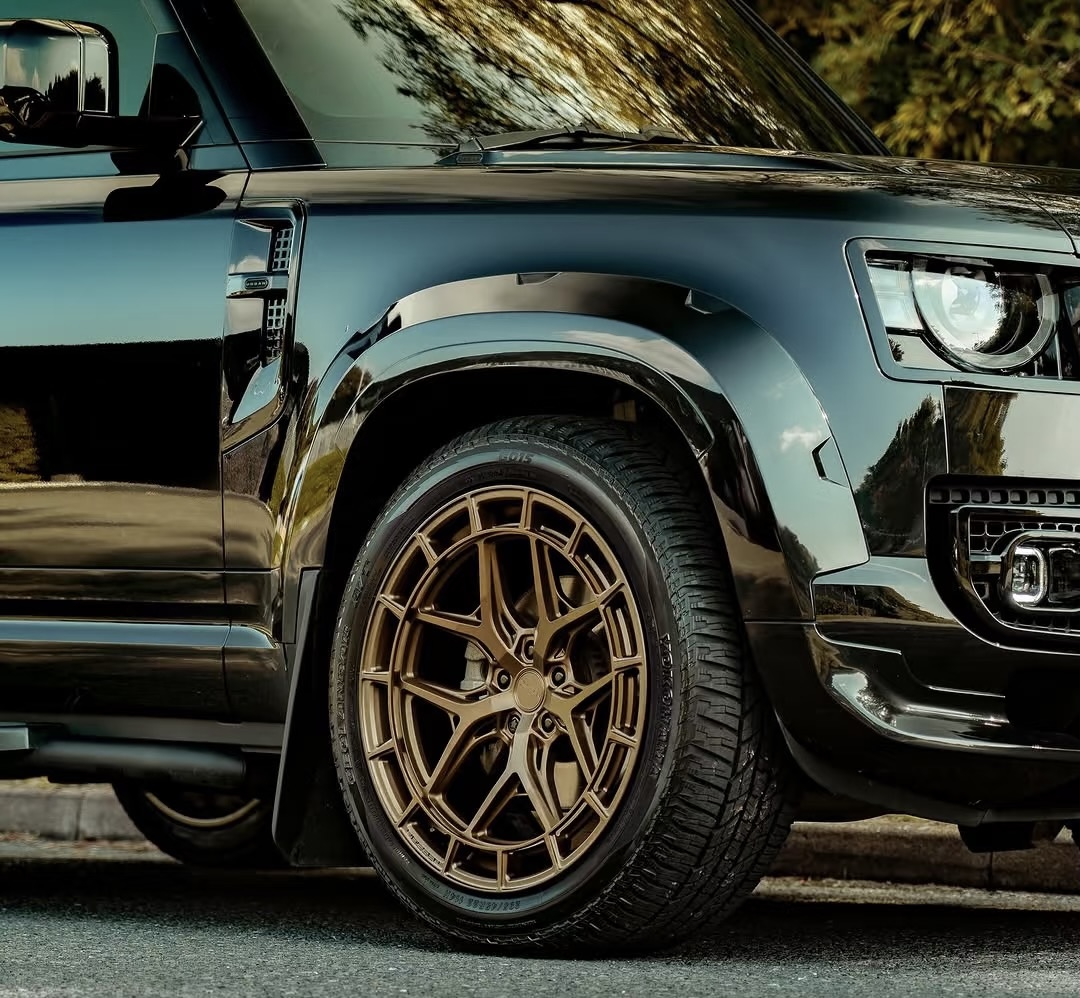
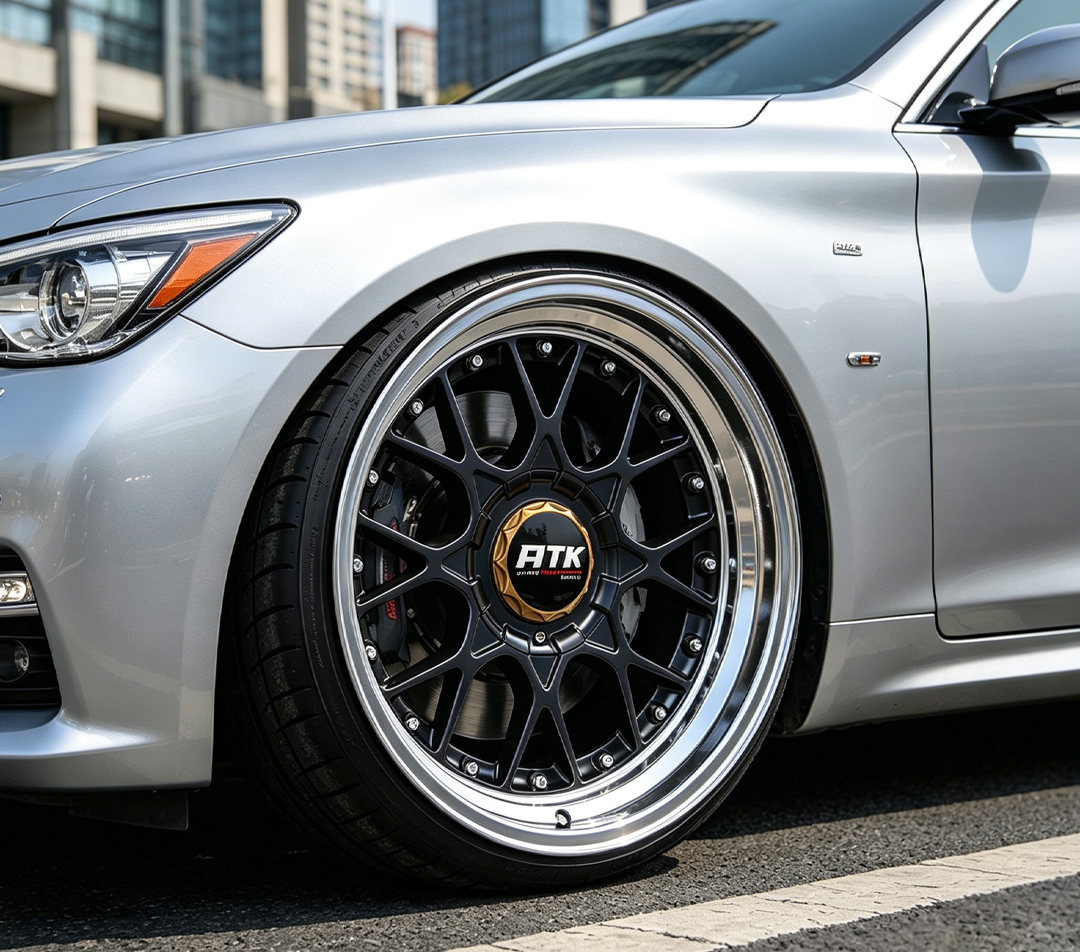
Today, you do not have to guess how a specific set of deep-dish bronze rims will look on your lowered sedan or rugged truck. An interactive, data-driven custom wheel builder allows you to design, spec, and visualize your dream setup before spending a single dime.
Let’s dive into how this technology works, why it is a game-changer for car culture, and how you can use it to get the ultimate fitment.
1.What is a Wheel Builder?
A wheel builder is an advanced digital tool or specialized service that allows users to customize automotive wheels by selecting precise specifications—such as size, finish, offset, and bolt pattern—before making a purchase.
Featured Snippet: Why Use a Wheel Configurator?
A wheel builder eliminates the guesswork from buying aftermarket rims. By utilizing comprehensive vehicle fitment databases, it ensures the wheels you design are 100% compatible with your vehicle’s make, model, and brake clearance, preventing costly ordering mistakes while giving you full creative control over the styling.
Instead of looking at a static image of a standalone rim, an online wheel configurator applies your chosen specs to a visual canvas. This helps you bridge the gap between technical engineering and pure automotive style.
2.How Does a Custom Wheel Builder Work?
The process behind an interactive wheel builder is remarkably user-friendly, blending complex backend fitment data with an intuitive, step-by-step user interface.
Step 1: Vehicle Identification
Before you choose colors or spoke styles, you enter your vehicle’s exact year, make, model, and trim level. This filters out incompatible options immediately.
Step 2: Selecting Diameter and Width
Whether you want to stick with your OEM sizing for a comfortable daily drive or upsize for a more aggressive look, the builder will showcase compatible diameters (e.g., 18″, 19″, 20″) and widths.
Step 3: Determining Bolt Pattern and Offset
The system automatically matches your car’s exact bolt pattern (like $5 \times 114.3$ or $5 \times 120$). It then lets you select the offset to determine how tucked or flushed the wheels will sit against your fenders.
Step 4: Customizing Finishes and Colors
This is where the fun begins. You can toggle between diverse finishes—from classic gloss black and brushed silver to striking bronze or fully custom multi-piece paint jobs.
3.The Core Technical Specs You Can Customize
When using a wheel builder, you are essentially acting as the designer. To get the best results, it helps to understand the core metrics you will be adjusting.
Bolt Pattern (PCD)
The bolt pattern, or Pitch Circle Diameter, is the number of lug hole estimates and the diameter of the imaginary circle they form. If your car requires a $5 \times 112$ pattern, the tool will lock this in so you cannot accidentally order a $5 \times 114.3$ wheel.
Wheel Offset and Backspacing
Offset (measured in millimeters) determines where the mounting surface of the wheel sits relative to the true centerline of the wheel.
-
Positive Offset: Pushes the mounting surface toward the front, pulling the wheel inward (common in modern front-wheel-drive cars).
-
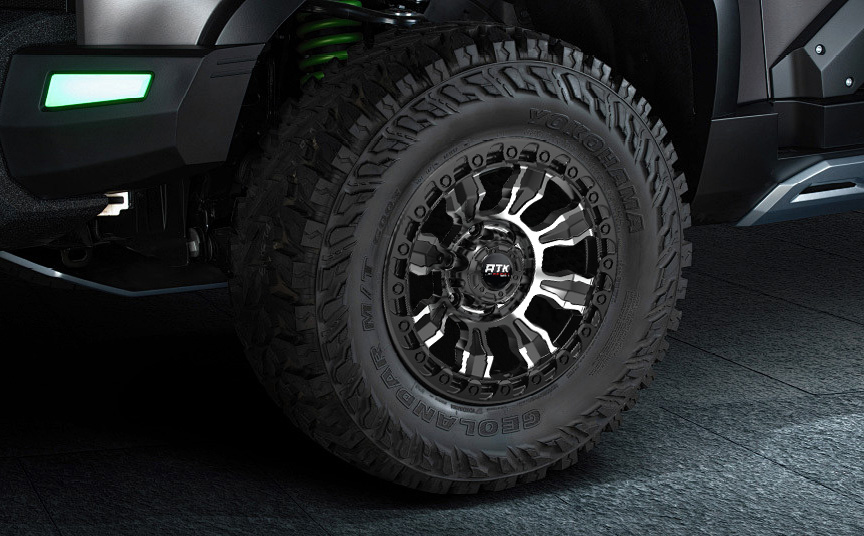
Negative Offset: Pulls the mounting surface toward the back, pushing the wheel outward for a deep-dish, aggressive stance (common in trucks and wide-body sports cars).
Center Bore
The center bore is the machined hole in the middle of the wheel that sits on the hub of the car. A precise match ensures a hub-centric fit, which eliminates steering wheel vibrations at high speeds.
4.Custom Wheels vs. Factory OEM Wheels
Why should you bother utilizing a custom builder when you can just stick with factory rims or basic marketplace options? Let’s break down the differences:
| Feature | Factory OEM Wheels | Custom Built Aftermarket Wheels |
|---|---|---|
| Design Flexibility | Limited to standard dealership options | Virtually infinite color, lip, and spoke variations |
| Weight Optimization | Often heavy, cast aluminum or steel | High-strength, lightweight forged or flow-formed options |
| Fitment Accuracy | Conservative, tucked inside the fenders | Flush, aggressive, or tailored to custom suspension |
| Brake Clearance | Designed for factory calipers only | Can be engineered to clear big brake kits (BBK) |
| Resale & Uniqueness | Common, lower resale value for enthusiasts | Highly sought-after, premium aesthetic appeal |
5.Why You Should Use a Wheel Builder Before Buying
Investing in a premium set of wheels is a significant commitment. Utilizing an online configuration platform offers distinct advantages that protect both your wallet and your vehicle’s performance.
-
Eliminate Costly Fitment Mistakes: Returning a set of custom-mounted wheels because they rub against your suspension struts is an absolute nightmare. A verified data builder stops this before it happens.
-
Perfect Aesthetic Synchronization: Seeing a wheel on a generic whiteboard is completely different from seeing how its spokes interact with the body lines of your specific vehicle.
-
Tailored Performance Metrics: If you track your car, you need lightweight, forged options with maximum brake clearance. If you are building a show car, you might prioritize a massive lip depth. The builder lets you balance these priorities easily.
-
Streamlined Ordering Process: Once you finish your design, the tool generates an exact spec sheet that can be sent directly to production, ensuring zero communication errors between you and the manufacturer.
6.Choosing the Right Finish and Materials
The visual appeal of your custom build relies heavily on the materials and finishes you select during the configuration phase.
Materials: Cast vs. Flow-Formed vs. Forged
-
Cast Wheels: Molten aluminum is poured into a mold. It is budget-friendly but heavier and less durable under extreme stress.
-
Flow-Formed Wheels: The wheel barrel is spun and stretched using hydraulic rollers under high pressure. This increases strength and reduces weight while keeping costs moderate.
-
Forged Wheels: Machined from a solid block of aerospace-grade aluminum. This represents the pinnacle of strength, weight reduction, and customization, though at a premium price point.
Premium Aesthetic Finishes
-
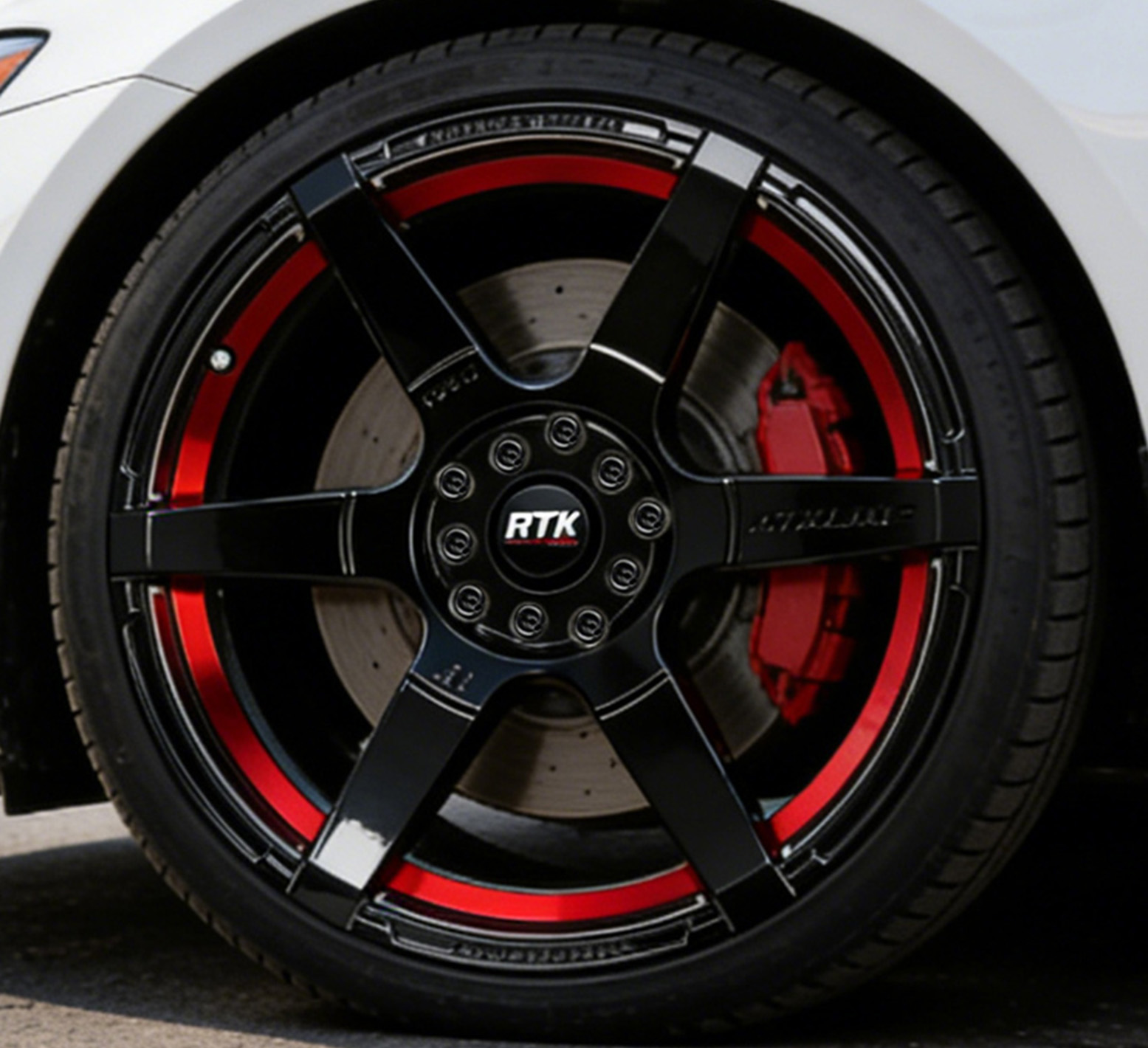
Gloss / Matte Black: Sleek, aggressive, and incredibly popular for modern stealth builds.
-
Bronze & Gold: Provides a stunning contrast, especially on white, black, or dark blue vehicles.
-
Brushed & Polished: Showcases the raw, intricate grain of the metal, offering a high-end luxury appearance.
-
Chrome & Machined Face: Adds high-reflectivity highlights that make multi-spoke patterns pop under sunlight.
Frequently Asked Questions(FAQ)
1.Is a wheel builder accurate for checking wheel fitment?
Yes, professional wheel builders rely on highly accurate, updated vehicle fitment databases. They calculate clearances based on factory track widths and brake setups. However, if your vehicle has aftermarket modifications like coilovers, lowered springs, or upgraded big brake kits, it is always recommended to double-check those unique specs with a specialist before finalizing production.
2.Can I customize wheel color and finish with an online wheel builder?
Absolutely. Most modern builders provide a comprehensive menu of finish options. Depending on the manufacturer, you can customize the center face color, the outer lip finish, the hardware/rivet colors, and even the center cap branding to create a completely unique look.
3.How does wheel offset affect my car’s performance?
Wheel offset dictates how your car handles and how the tires wear. An incorrect offset can cause the tire to rub against the inner fender liner or outer fender lip during sharp turns. It can also alter the scrub radius of your suspension, which impacts steering feedback, stability, and bearing longevity.
4.What is the difference between monoblock and multi-piece custom wheels?
Monoblock wheels are machined or forged from a single piece of metal, offering exceptional structural rigidity and lightweight performance. Multi-piece wheels (2-piece or 3-piece) consist of a separate face, inner barrel, and outer lip bolted together. Multi-piece wheels offer unmatched customization in width, offset, and contrasting finishes.
5.Will aftermarket custom wheels void my vehicle’s warranty?
In the United States, under the Magnuson-Moss Warranty Act, a dealership cannot void your entire vehicle warranty simply because you installed aftermarket wheels. However, if an incorrectly spec’d wheel causes direct damage to a suspension component or wheel bearing, that specific repair will not be covered under your factory warranty.
Design Your Perfect Setup Today
Ready to elevate your vehicle’s stance and performance? Don’t leave your fitment to chance or settle for generic, mass-produced options. Head over to ATK Wheels to explore premium designs, experiment with custom specs, and bring your automotive vision to life with precision engineering. Transform the way your car looks and drives today!