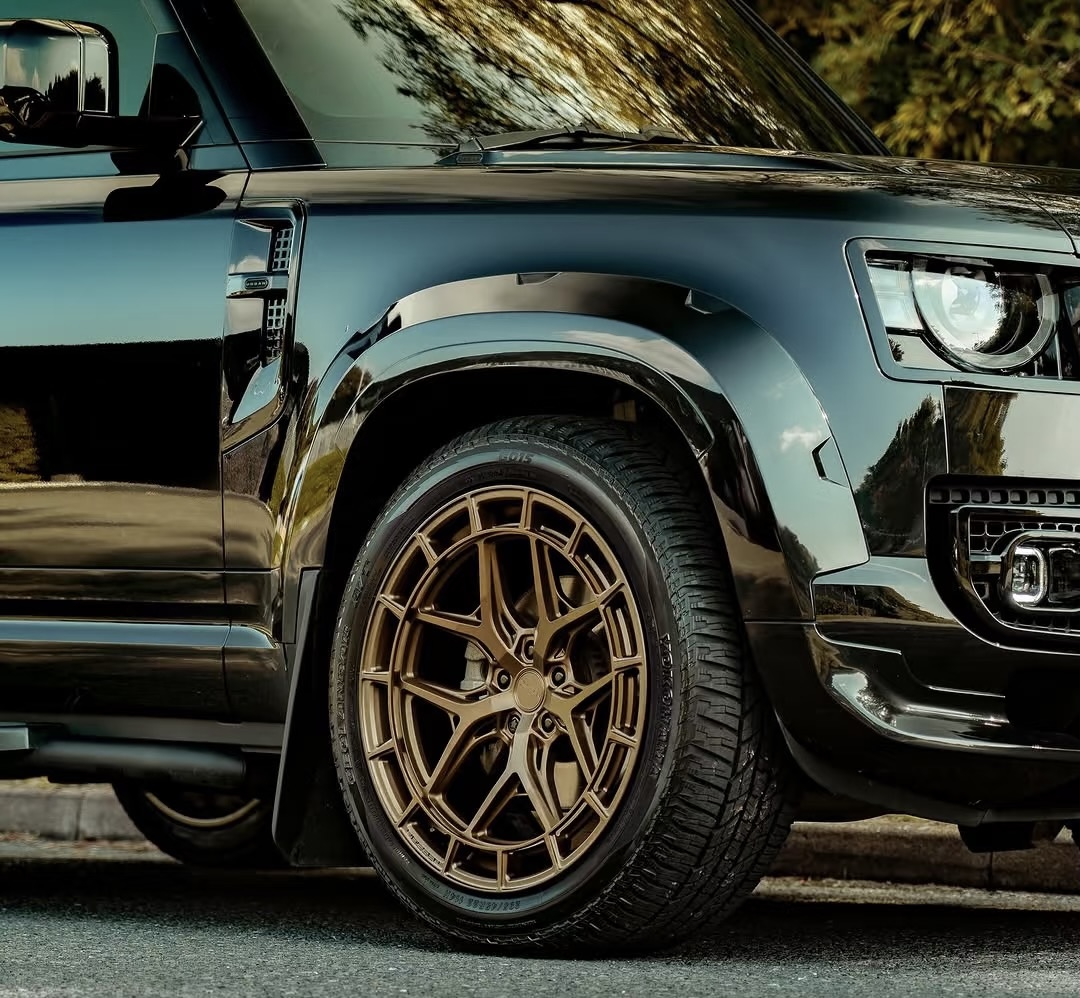
Custom Car Mags: The Perfect Blend of Style, Performance, and Personalization
Custom Car Mags: The Perfect Blend of Style, Performance, and Personalization
For car enthusiasts, a vehicle is far more than a tool to get from point A to point B. It is an extension of personal style, a canvas for self-expression, and a machine built to deliver an exhilarating driving experience. When it comes to making a bold statement on the road while simultaneously enhancing handling, nothing delivers an immediate impact quite like a set of custom car mags.
If you have been searching for ways to elevate your vehicle’s stance, improve its cornering agility, or simply stand out in the local automotive scene, transitioning from boring factory wheels to premium aftermarket options is the logical next step.
In this comprehensive breakdown, we will explore everything you need to know about custom car mags—from understanding manufacturing methods to mastering technical fitment specifications—ensuring you make an informed investment for your vehicle.
1.What Are Custom Car Mags?
To understand why these upgrades are so popular, we must first look at what they actually are.
Definition: Custom car mags are specially designed aftermarket wheels that improve a vehicle’s appearance, fitment, and on-road performance through personalized sizes, styles, structural materials, and custom finishes.
Historically, the term “mag” originated from magnesium alloy wheels, which were heavily used in professional racing during the mid-20th century due to their incredibly lightweight properties. While modern aftermarket wheels are primarily constructed from advanced aluminum alloys rather than magnesium, the slang term “mags” has persisted in automotive culture globally, often used interchangeably with custom wheels or aftermarket rims.
Today’s custom car mags allow drivers to transcend the generic design limitations imposed by major automotive manufacturers. They offer an endless array of design aesthetics, ranging from aggressive deep-dish, multi-piece structures to sleek, concave monoblocks that match the exact personality of your vehicle.
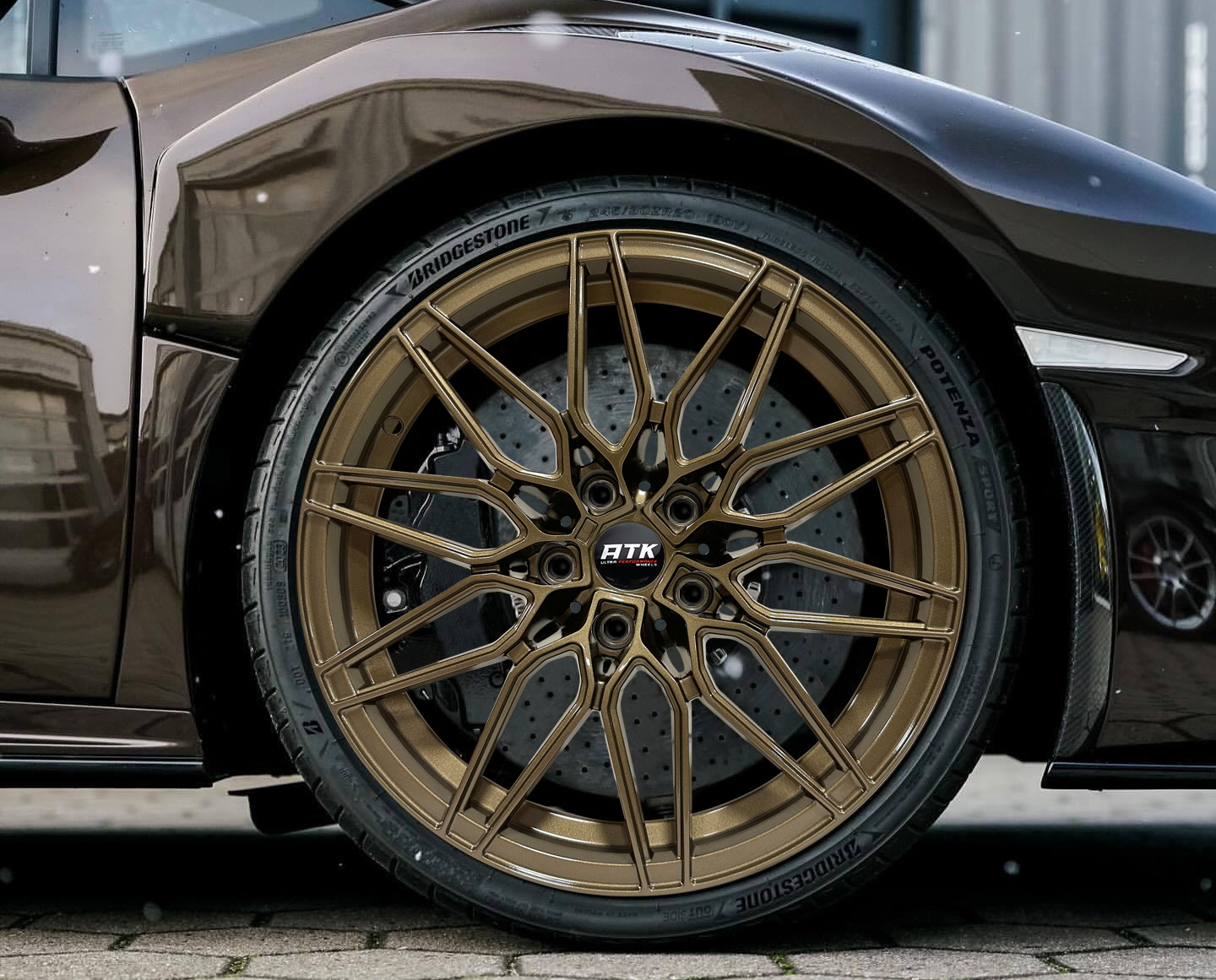
2.Are Custom Car Mags Better Than Factory Wheels?
A common question among vehicle owners is whether custom car mags actually outperform the Original Equipment Manufacturer (OEM) factory wheels that came with the car from the dealership.
The short answer is yes, provided you choose high-quality aftermarket wheels engineered to strict manufacturing standards. While factory wheels are built to be cost-effective, durable compromises that appeal to the mass market, custom car mags are tailored for specific aesthetic goals and performance characteristics.
The Benefits of Upgrading to Aftermarket Wheels
-
Unmatched Visual Customization: OEM wheels are often conservative and plain. Custom options offer various finishes like gloss black, brushed bronze, chrome, and custom powder coating.
-
Massive Weight Reduction: Premium aftermarket options utilize advanced engineering to shed unsprung weight, directly boosting vehicle dynamics.
-
Optimized Vehicle Stance: Custom offsets and wider widths push the wheels flush with the vehicle’s fenders, eliminating the awkward “sunken” look of factory setups.
3.Understanding Manufacturing Methods: Cast vs. Flow Formed vs. Forged
Not all custom car mags are created equal. The structural integrity, weight, price point, and performance of a wheel are entirely dictated by how it is manufactured. If you are browsing premium collections, such as the inventory found at brands like ATK Wheels, you will typically encounter three distinct manufacturing categories.
1. Gravity and Low-Pressure Cast Wheels
Casting is the most traditional and cost-effective method of producing wheels. Molten aluminum is poured or injected into a mold to form the shape of the wheel. While cast wheels are highly budget-friendly and offer fantastic design variety, they are typically heavier and have a lower structural density than advanced manufacturing methods. They are ideal for daily drivers focused primarily on style enhancements.
2. Flow Formed Wheels
Flow forming is a hybrid process where a cast wheel preform is placed on a specialized machine that spins and heats the barrel, applying massive hydraulic rollers to stretch and compress the aluminum alloy. This alters the molecular structure of the metal, dramatically increasing its tensile strength while significantly reducing weight. Flow-formed wheels offer a near-forged level of performance at a fraction of the cost.
3. Fully Forged Wheels
Forged wheels represent the absolute pinnacle of automotive engineering. A solid block of aerospace-grade aluminum is subjected to immense pressure and heat, forcing the metal into the wheel shape before it is precision CNC-machined to its final design. Forged wheels are incredibly dense, exceptionally strong, and remarkably lightweight, making them the preferred choice for high-performance sports cars, track racing, and ultra-premium luxury builds.
Manufacturing Comparison Table
| Feature | Cast Wheels | Flow Formed Wheels | Forged Wheels | |
|---|---|---|---|---|
| Manufacturing Process | Molten aluminum poured into a mold | Cast center with hydraulically rolled barrel | Solid aluminum block forged under high pressure | |
| Weight | Heavy | Moderate to Lightweight | Extremely Lightweight | |
| Structural Strength | Standard | High | Maximum Strength | |
| Price Point | Budget-Friendly | Mid-Range | Premium / Luxury Investment | |
| Best Used For | Daily commuting, cosmetic upgrades | Spirit driving, entry-level track days | Track racing, high-end luxury, supercars |
4.How Do I Choose the Right Size for Custom Car Mags?
Selecting a set of custom car mags involves much more than finding a design that looks beautiful online. To ensure clean installation, zero rubbing against body panels, and total driving safety, you must match five critical technical dimensions to your specific vehicle layout.
1. Wheel Diameter and Width
Diameter refers to the total height of the wheel face (measured in inches), while width refers to the span between the inner and outer tire seating flanges. Moving up in diameter (such as going from a factory 17-inch wheel to a custom 19-inch wheel) is known as plus-sizing, which allows for a lower-profile tire and a sharper handling response.
2. Bolt Pattern (PCD)
The Pitch Circle Diameter (PCD) indicates how many lug nut holes the wheel has and the exact distance between them. For example, a bolt pattern of 5x114.3 means the wheel features 5 lug holes arranged in a circle with a diameter of 114.3 millimeters. The bolt pattern must match your vehicle’s hub perfectly; otherwise, the wheel cannot physical be mounted.
3. Wheel Offset
Offset measures the distance between the wheel’s mounting centerline and the actual hub-mounting surface. It determines whether your wheels sit deeply tucked inside the wheel well or push outward toward the fender line:
-
Positive Offset: The mounting surface is closer to the front face of the wheel (common on modern front-wheel-drive vehicles).
-
Negative Offset: The mounting surface is closer to the back brake side of the wheel, creating a deep-dish look (common on lifted trucks and classic muscle cars).
4. Center Bore
The center bore is the machined circular opening at the very back center of the wheel that slips over the hub of the vehicle. Premium custom wheels are often manufactured with a larger center bore to accommodate multiple vehicle applications, requiring the use of hub-centric rings to eliminate high-speed vibrations.
5. Tire Compatibility
Your chosen wheel width directly dictates what tire sizes can safely stretch or seat over the rim. Incorrect matching can lead to sidewall failure or uneven tread wear.
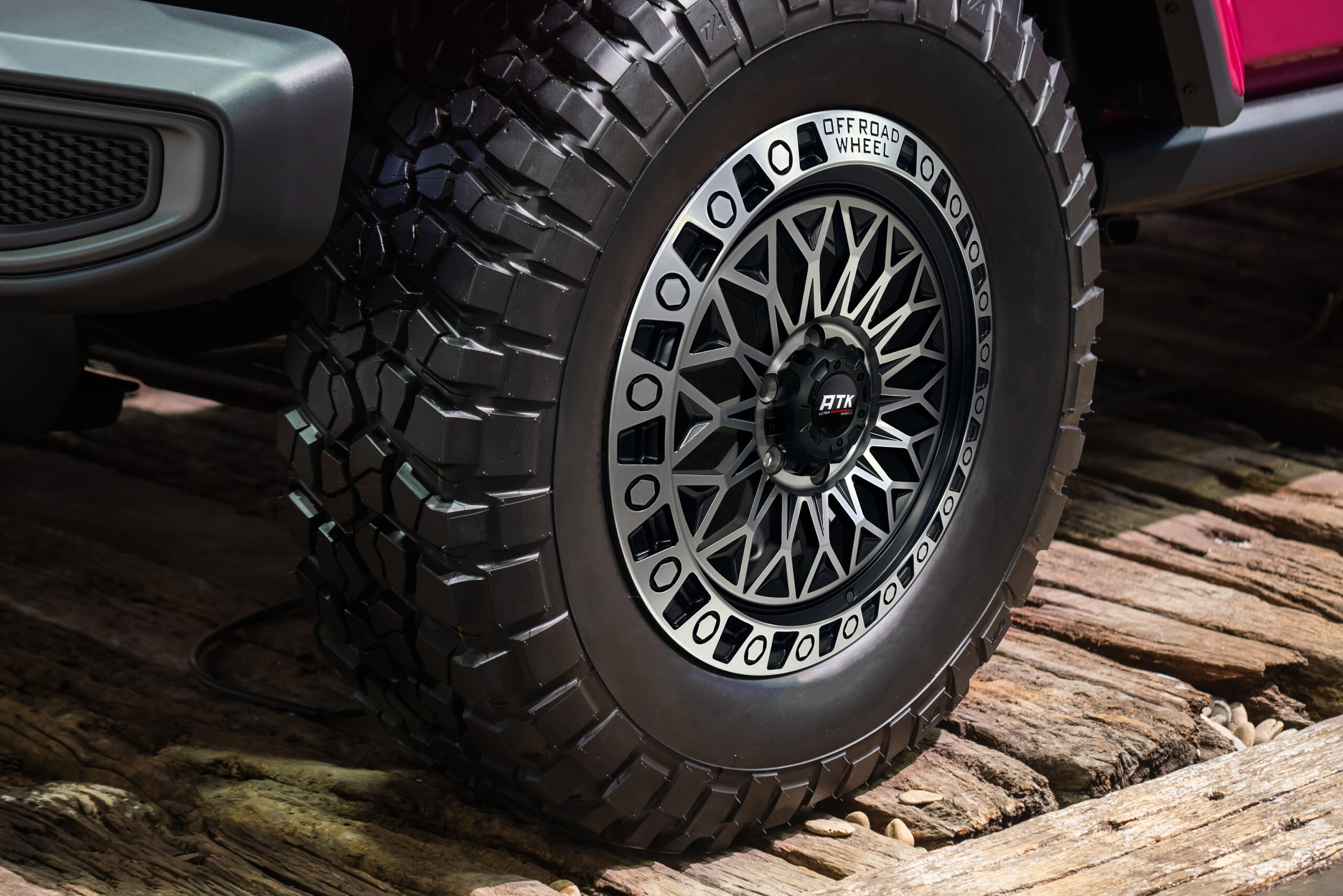
5.Do Custom Car Mags Improve Vehicle Performance?
Beyond the dramatic cosmetic transformation, swapping out your stock wheels for engineered custom car mags can yield tangible improvements in vehicle dynamics.
Reduced Unsprung Mass
In automotive engineering, unsprung mass refers to any weight not supported by the vehicle’s suspension system (such as the brakes, hubs, wheels, and tires). By upgrading to a lighter flow-formed or forged custom wheel, you dramatically lower this unsprung weight.
Reducing rotational mass means the vehicle requires less mechanical energy to spin the wheels, resulting in:
-
Sharper Throttle Response: Faster acceleration from a complete stop.
-
Improved Braking Efficiency: Less kinetic energy to slow down, reducing brake fade.
-
Enhanced Steering Sensitivity: The suspension reacts much quicker to bumps and directional changes, improving cornering grip.
Better Brake Ventilation
Many custom car mags feature open, split-spoke designs engineered specifically to promote cross-ventilation. This increased airflow across the brake calipers and rotors dissipates heat rapidly, maintaining optimal stopping power during spirited driving sessions.
6.Safety and Maintenance for Aftermarket Wheels
Are custom car mags safe for daily driving? Absolutely. High-quality aftermarket wheels are built to withstand rigorous daily driving conditions, provided they carry proper safety certifications (such as JWL, VIA, or TUV standards) and match the structural weight capacity of your vehicle.
To protect your investment and keep your custom wheels looking pristine for years to come, implement these maintenance practices:
-
Avoid Harsh Chemicals: Skip the aggressive, acid-based wheel cleaners found at commercial car washes, as they can strip or cloud custom clear coats and anodized finishes.
-
Stick to Mild Soap and Water: Use a dedicated automotive microfiber wash mitt along with standard car wash soap to gently clean brake dust off the wheel spokes.
-
Apply Ceramic Coating: Adding a high-quality ceramic barrier coating to your wheels before installation helps repel road grime and stubborn metallic brake dust, making future cleaning incredibly simple.
-
Torque to Proper Factory Specs: Always use a calibrated torque wrench when tightening your lug nuts after installation to prevent warping the brake rotors or stretching the wheel studs.
Frequently Asked Questions (FAQ)
1.What are custom car mags?
Custom car mags are specially designed wheels that improve a car’s appearance, fitment, and performance through personalized sizes, styles, and finishes. They allow owners to customize their vehicles beyond basic factory standards.
2.Are custom car mags better than factory wheels?
Custom car mags can offer better styling, lighter weight options, and improved fitment, but quality depends heavily on material choices and manufacturing standards. Opting for reputable brands ensures high performance and structural safety.
3.How do I choose the right size for custom car mags?
Choose your custom setup based on the wheel diameter, width, bolt pattern (PCD), offset, center bore, and tire compatibility to ensure proper installation, clear brake clearance, and driving safety.
4.Do custom car mags improve vehicle performance?
Yes, they can improve handling, acceleration, and braking responsiveness when the correct lightweight design and structural specifications are selected, which effectively lowers the vehicle’s unsprung rotational mass.
5.Are custom car mags safe for daily driving?
Yes, high-quality custom car mags are completely safe for daily use when they meet certified load ratings and match the vehicle’s required mechanical specifications perfectly.
Upgrade Your Build Today
Investing in a premium set of custom car mags is the single most impactful modification you can make to your vehicle. By blending aggressive, eye-catching style with engineered performance and handling benefits, you completely redefine your driving experience.
Ready to transform your vehicle’s look and feel? Explore the cutting-edge designs and precision engineering over at ATK Wheels to find the perfect fitment for your automotive build today!