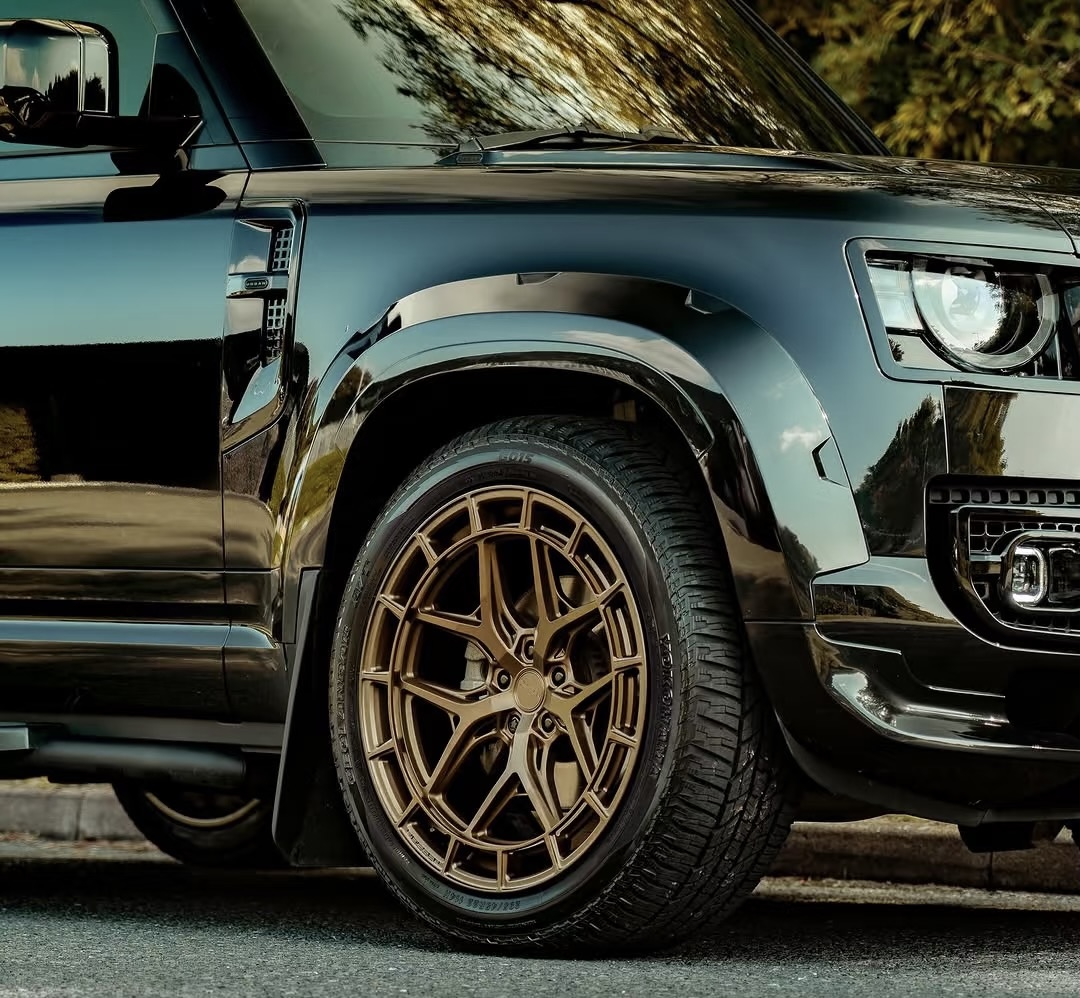
Rines for Cars: The Key to Better Style, Safety, and Driving Performance
Rines for Cars: The Key to Better Style, Safety, and Driving Performance
Every car enthusiast knows that the right set of wheels can completely transform a vehicle. But if you are browsing automotive forums, shopping online, or talking to specialists across different regions, you will frequently encounter the term rines. Whether you spell it “rines,” “rims,” or “wheels,” finding the perfect set requires a balance of engineering knowledge, aesthetic taste, and performance awareness.
Upgrading your vehicle’s setup is one of the most impactful modifications you can make. It alters how your vehicle handles, how efficiently it brakes, and how it commands attention on the road.
This comprehensive guide breaks down everything you need to know about automotive rines, from manufacturing methods to precision fitment.
1.What Are Rines on a Car?
Rines are the circular metallic components that support and hold the tire structure in place. They serve as the critical bridge between your vehicle’s suspension system and the rubber that meets the road. Beyond their structural necessity, they directly dictate a vehicle’s driving dynamics, acceleration capabilities, braking efficiency, and overall visual presence.
In technical terms, while the entire assembly is often referred to as a wheel, the rim specifically references the outer edge that seals the tire. However, in modern automotive culture—especially within bilingual and diverse enthusiast communities across the United States—the term rines is widely used to describe the entire custom metal wheel structure.
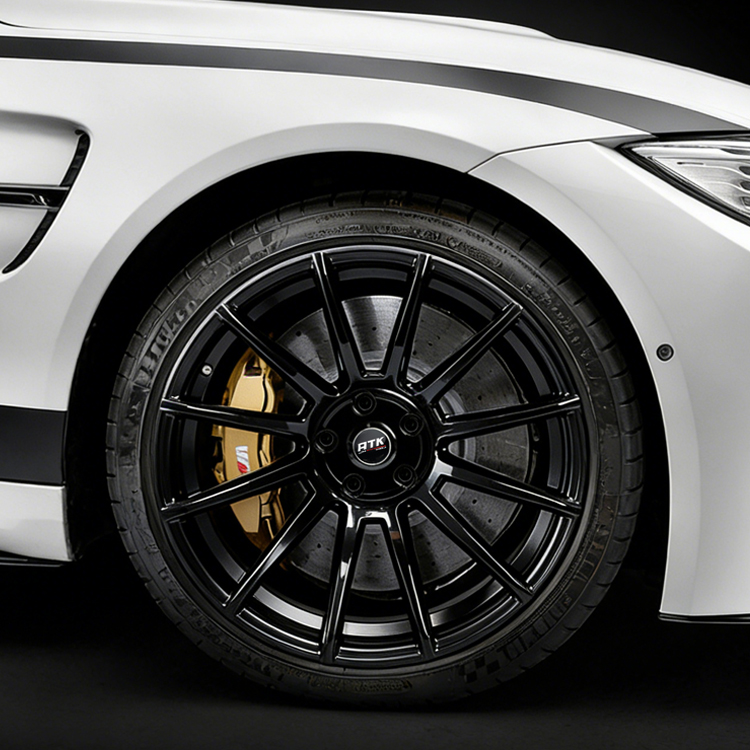
2.Why Upgrading Your Rines Matters: Performance and Style
Many drivers view custom setups purely as a cosmetic upgrade. While a premium finish can drastically elevate a vehicle’s curb appeal, the engineering benefits are arguably even more significant.
1. Unsprung Weight Reduction
Your vehicle’s suspension manages two types of weight: sprung weight (the chassis, engine, and body) and unsprung weight (wheels, tires, and brakes). Reducing unsprung weight is one of the most effective ways to boost performance. Lightweight options allow the suspension to react faster to road imperfections, keeping the tires firmly planted for superior grip.
2. Enhanced Braking and Acceleration
A lighter wheel requires less rotational energy to start moving and less braking force to stop. When you install high-quality aftermarket options, you decrease rotational inertia. This results in crisper throttle response and shorter stopping distances.
3. Better Heat Dissipation
Performance options, particularly open-spoke alloy designs, actively pull air across the braking system. This increased airflow dissipates heat rapidly, preventing brake fade during aggressive driving or mountain descents.
3.Alloy vs. Steel: Choosing the Right Construction Material
The material and manufacturing process of your wheels dictate their strength, weight, and longevity. The two most dominant options on the market are alloy and steel.
Alloy Choices
Alloy options are manufactured by mixing aluminum with other lightweight metals. They are the gold standard for modern passenger vehicles, sports cars, and trucks due to their versatility in design and weight savings. Within the alloy category, you will find three distinct manufacturing tiers:
-
Cast: Molten aluminum is poured into a mold. This is the most common and cost-effective method for everyday driving.
-
Flow-Formed: The wheel center is cast, and then the barrel is spun and stretched under immense pressure. This creates a much stronger, thinner, and lighter barrel.
-
Forged: A solid block of aerospace-grade aluminum is compressed under millions of pounds of pressure. Forged options are incredibly dense, exceptionally strong, and ultra-lightweight, making them ideal for racing and premium luxury builds.
Steel Choices
Steel options are stamped from heavy-duty steel and welded together. They lack design variety but offer unmatched utilitarian toughness. They are highly resistant to cracking, making them excellent choices for winter driving conditions or heavy-duty commercial applications.
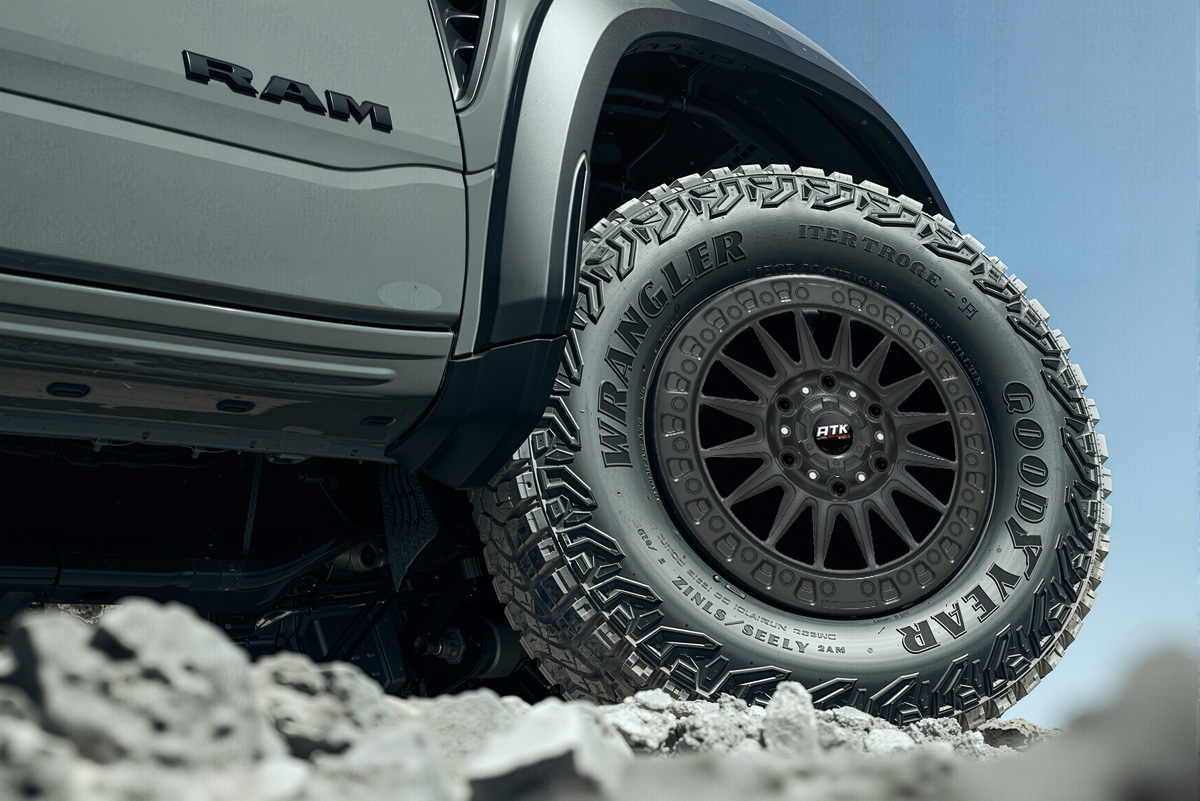
Material Comparison: Alloy vs. Steel
| Feature | Alloy Options | Steel Options |
|---|---|---|
| Primary Material | Aluminum Blend | Stamped Carbon Steel |
| Weight | Lightweight (Improves Handling) | Heavy (Increases Unsprung Mass) |
| Design Variety | High (Concave, Multi-spoke, Mesh) | Low (Basic Industrial Designs) |
| Impact Resistance | Can crack or bend under extreme impact | Bends rather than cracks; easily repaired |
| Cost | Mid to High-End Premium Pricing | Highly Affordable |
| Best Used For | Performance, Aesthetics, Daily Driving | Winter Driving, Off-road, Work Trucks |
4.How to Choose the Right Fitment for Your Vehicle
Selecting new components involves much more than picking a style you like. Proper fitment ensures your vehicle remains safe to drive, prevents rubbing against the fenders or suspension components, and keeps your speedometer accurate.
Before purchasing from a premium catalog like ATK Wheels, ensure you understand these five critical technical specifications.
1. Diameter and Width
Wheel size is measured in inches, expressed as Diameter x Width (e.g., $18 \times 8.5$). Going up in diameter—often called “plus-sizing”—allows you to run lower-profile tires for a sportier look and firmer handling. However, ensure the total rolling diameter remains within 3% of your factory setup to avoid messing up your odometer and transmission shift points.
2. Bolt Pattern (PCD)
The Pitch Circle Diameter (PCD) indicates the number of lug nut holes and the distance between them. For example, a $5 \times 114.3$ pattern means the wheel has 5 lug holes arranged in a circle with a diameter of 114.3 millimeters. This must match your vehicle’s hub perfectly; you cannot force a mismatched bolt pattern onto a vehicle without dangerous adapters.
3. Offset (ET)
Offset determines how deep the wheel sits inside the wheel well or how far it pokes out toward the fender. Measured in millimeters, it is categorized into three types:
-
Positive Offset: The mounting surface is closer to the front face of the wheel. Common on modern front-wheel-drive cars.
-
Zero Offset: The mounting surface is perfectly inline with the centerline of the wheel.
-
Negative Offset: The mounting surface is closer to the back edge of the wheel, pushing the face inward to create a deep lip or a bold concave look. This is common on lifted trucks and aggressive widebody sports cars.
4. Center Bore and Hub-Centric Design
The center bore is the machined circular opening on the back of the wheel that sits flush against the vehicle’s hub. Most factory wheels are hub-centric, meaning the hub carries the weight of the vehicle, not the lug bolts. Many aftermarket setups feature a larger center bore to fit multiple vehicles; these require hub-centric rings to eliminate high-speed vibrations.
5. Load Capacity
Always verify that your chosen set is rated to handle your vehicle’s Gross Vehicle Weight Rating (GVWR). This is especially critical for heavy electric vehicles (EVs), full-size SUVs, and work trucks that carry heavy payloads or tow trailers.
5.Maintenance and Care for Long-Lasting Shine
Investing in a premium setup means you need to protect that investment from road grime, brake dust, and environmental hazards.
-
Clean Regularly: Brake dust contains corrosive metallic particles that can permanently pit and destroy clear coats or polished aluminum. Wash your wheels at least once a week using a dedicated pH-balanced wheel cleaner.
-
Avoid Harsh Chemical Cleaners: Acidic cleaners can stain chrome, ruin anodized finishes, and strip protective clear coats. Stick to gentle automotive soaps or formulas explicitly labeled safe for your specific finish.
-
Use Separate Wash Mitts: Never use the same sponge on your wheels that you use on your car’s paint. Wheels trap abrasive grit that will easily scratch your vehicle’s clear coat if transferred.
-
Apply a Protective Layer: Treat your clean wheels with a high-quality ceramic coating or wheel wax. This barrier prevents brake dust from baking onto the surface, making future cleanings significantly easier.
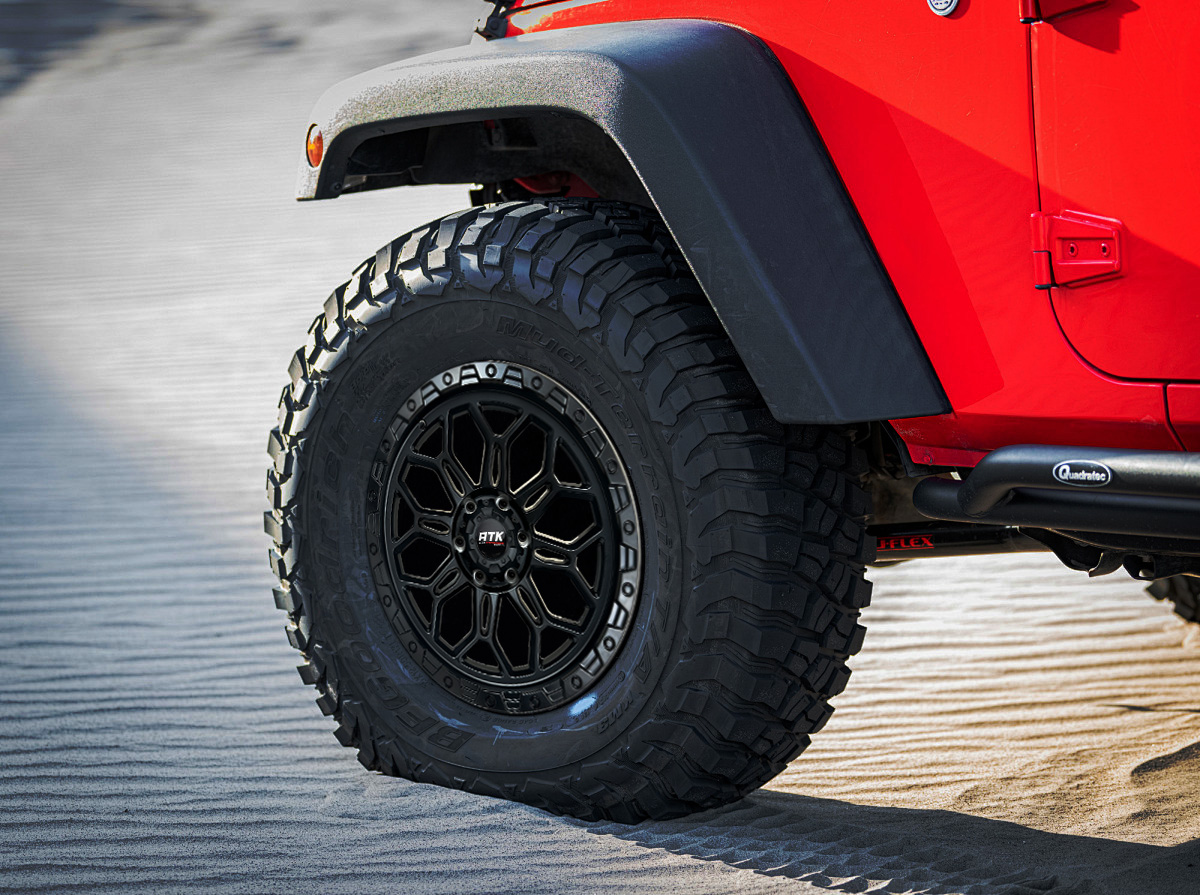
Common Questions About Automotive Rines(FAQ)
1.What are rines on a car?
Rines are the metal structures that hold the tires in place. They provide structural support for the tire, bear the weight of the vehicle, and heavily influence handling, ride comfort, and aesthetic appeal.
How do I choose the right rines for my car?
To select the correct fitment, you must verify the required diameter, width, bolt pattern (PCD), offset (ET), center bore size, and load capacity specified for your exact vehicle year, make, and model.
2.Are alloy rines better than steel rines?
Alloy options are superior for style, weight savings, fuel efficiency, and sharp handling dynamics. Steel options are preferred for budget-conscious builds, harsh winter seasons, or heavy-duty utility applications where aesthetic variety is not required.
3.How often should I replace my car rines?
You should replace them immediately if they exhibit structural damage such as cracks, severe bends, deep corrosion, or any distortion that prevents a tire from holding air or balancing correctly. Structural integrity should never be compromised.
4.Can changing rines improve car performance?
Yes. Upgrading to lighter, well-engineered options reduces unsprung weight. This directly improves acceleration, sharpens steering response, enhances braking efficiency, and provides greater overall driving stability.
Upgrade Your Ride with Premium Wheels
Finding the ultimate balance between performance engineering and show-stopping design does not have to be complicated. Whether you are building a track-ready sports car, an aggressive street cruiser, or a rugged off-road machine, your choice of wheels defines your driving experience.
Explore the precision-engineered collection at ATK Wheels to find the perfect fitment, style, and construction for your vehicle today.