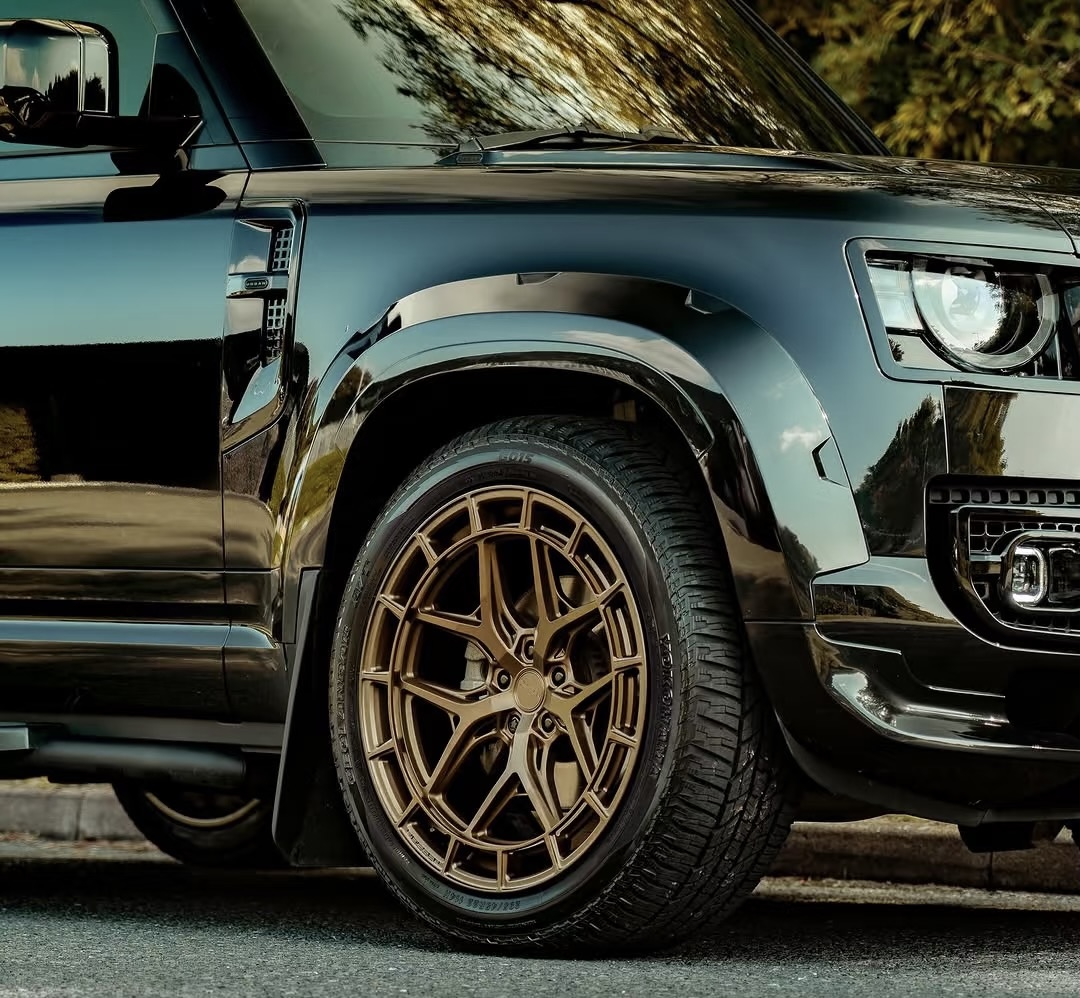
Customize Wheel: Enhance Your Vehicle with Personalized Design and Performance
Customize Wheel: Enhance Your Vehicle with Personalized Design and Performance
For car enthusiasts, a vehicle is far more than just a tool to get from point A to point B. It is an extension of personality, a canvas for self-expression, and a machine built for performance. When it comes to making a bold statement on the road, nothing transforms a vehicle quite like the decision to customize wheels.
Upgrading from stock factory rims to a tailored set of wheels completely changes how your car looks, handles, and feels. However, navigating the world of custom wheels can feel overwhelming with all the technical jargon regarding fitments, offsets, and manufacturing methods.
Whether you want to turn heads on the streets of Los Angeles or improve your track times, this comprehensive deep dive will walk you through everything you need to know about how to customize wheel setups safely, stylishly, and effectively.
1.What is a Customize Wheel and Why Do People Choose It?
A customize wheel is a wheel that has been engineered, designed, or modified based on specific customer preferences rather than standard assembly-line specifications. This process can range from choosing a unique color or powder-coated finish on an existing design to commissioning a completely bespoke, one-piece forged wheel built to your vehicle’s exact millimetric dimensions.
So, why do millions of drivers choose to replace their factory setups with custom options every year? The decision generally boils down to three core pillars:
-
Unrivaled Personalization: Factory cars are built for the masses. When you customize wheel designs, you ensure your vehicle stands out in any parking lot. You control the spoke pattern, the lip depth, the color contrast, and the overall aesthetic—whether that is a sleek VIP luxury look or a aggressive, track-ready stance.
-
Enhanced Performance: Stock wheels are often heavy, cast-aluminum pieces designed to keep production costs low. High-quality custom wheels—especially forged variants—are significantly lighter. Reducing this “unsprung weight” allows your suspension to react faster, improves acceleration, and sharpens steering response.
-
Optimized Fitment: Factory wheels often sit tucked deep inside the fender wells. Customizing allows you to push the wheels out flush with the body lines, creating a muscular, planted stance while allowing for wider, high-performance tires.
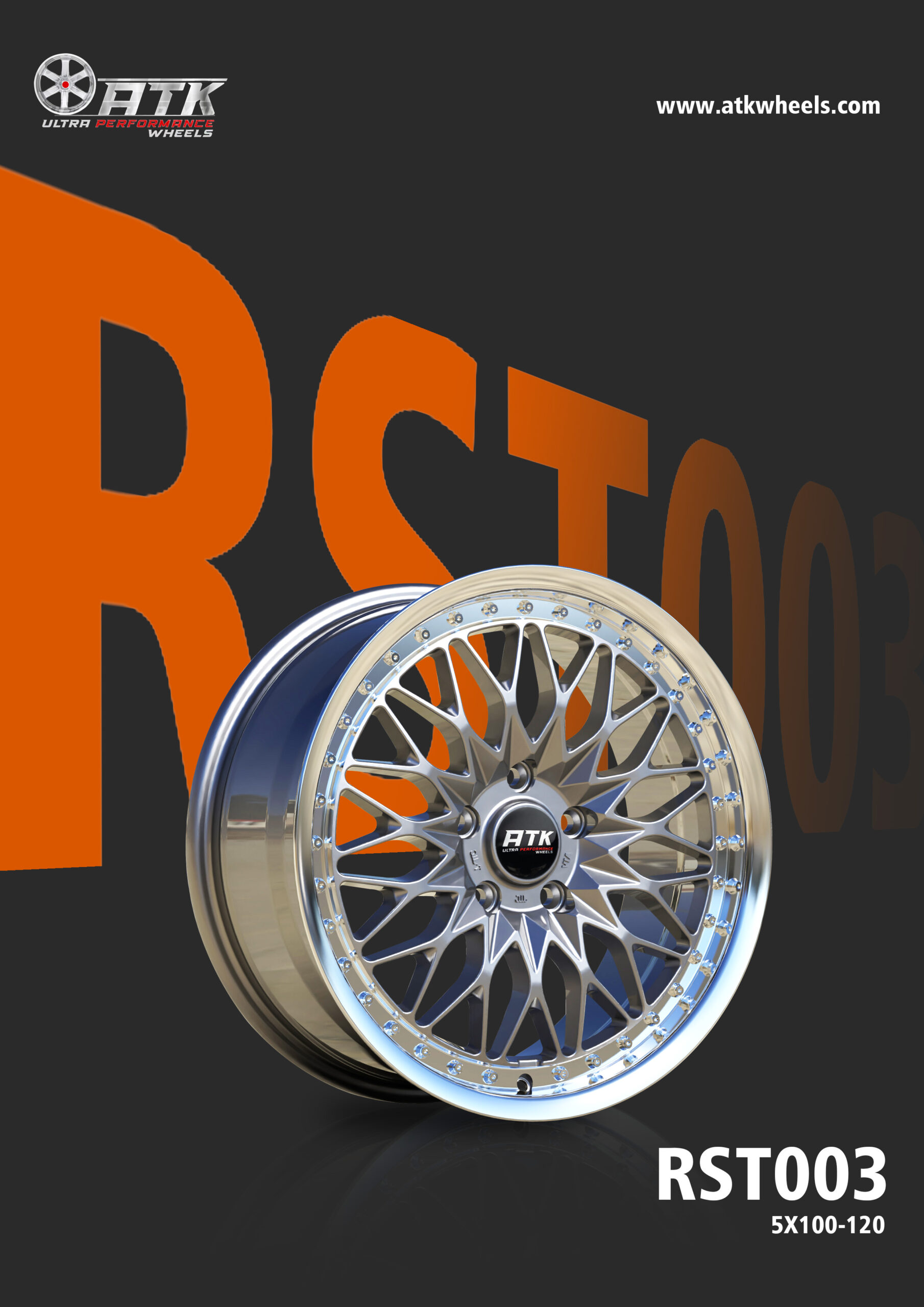
2.How to Choose the Right Customize Wheel for Your Car
Choosing the right custom wheel is not just about picking a design that looks cool on a website. If the technical dimensions do not match your vehicle’s structural requirements, you run the risk of vibrations, poor handling, or catastrophic mechanical failure.
When you prepare to customize wheels for your car, truck, or SUV, you must prioritize the following five critical fitment factors.
1. Wheel Size (Diameter and Width)
The diameter and width of the wheel dictate what kind of tires you can run. While “sizing up” (e.g., moving from an 18-inch stock wheel to a 20-inch custom wheel) fills out the fender gap beautifully, it requires a lower-profile tire. This alters your ride compliance and speedometer readings if not calculated correctly.
2. Bolt Pattern (PCD)
The Pitch Circle Diameter (PCD) indicates the number of bolt holes and the diameter of the imaginary circle they form. For example, a “5×114.3” pattern means the wheel has 5 lug holes arranged on a 114.3mm circle. Your custom wheel must match your vehicle’s hub exactly; otherwise, it physically cannot be mounted.
3. Center Bore
The center bore is the machined opening on the back of the wheel that sits precisely on the car’s hub. High-quality custom wheels are often “hub-centric,” meaning the center hole matches your car’s hub perfectly to eliminate high-speed wheel vibrations.
4. Load Rating
Every vehicle has a Gross Axle Weight Rating (GAWR). The wheels you choose must be rated to carry the weight of your specific vehicle plus passengers and cargo. A lightweight wheel designed for a compact sports car should never be installed on a heavy electric SUV or a heavy-duty pickup truck.
3.Why Wheel Offset Matters When You Customize Wheels
Among all the technical terms you encounter when you customize wheel setups, wheel offset is arguably the most misunderstood—yet it is the most critical factor for proper fitment.
What is Wheel Offset?
Wheel offset is the distance (measured in millimeters) from the wheel’s true centerline to the mounting surface that meets the vehicle’s brake hub.
Offset is categorized into three types, each drastically affecting how the wheel sits relative to your car’s body lines:
-
Positive Offset: The mounting surface is positioned toward the front (street side) of the wheel. This is common on modern front-wheel-drive and all-wheel-drive vehicles, keeping the wheel tucked inside the fender.
-
Zero Offset: The mounting surface is perfectly even with the center line of the wheel.
-
Negative Offset: The mounting surface is pulled back toward the rear (brakes side) of the wheel. This creates a deep-dish or concave appearance, pushing the wheel outward away from the vehicle.
      [ Positive Offset ]        [ Zero Offset ]        [ Negative Offset ]
          Street Side              Street Side             Street Side
             |  |                     |  |                     |  |
             |  |                     |  |                     |  |
         ====|  |====             ====|  |====             ====|  |====
             | *|                     |* |                     |* |
             | *|                     |* |                     |* |
             |  |                     |  |                     |  |
          Hub Side                 Hub Side                Hub Side
The Risks of Getting Offset Wrong
If you choose an incorrect offset when buying a customize wheel, you risk serious mechanical interference.
Too much positive offset can cause the inner lip of the wheel or tire to rub against vital suspension components like shock absorbers, control arms, or brake calipers. Conversely, too much negative offset will push the wheel out too far, causing the tire tread to slam into the outer sheet-metal fender lip whenever you drive over a speed bump or make a sharp turn. This ruins handling and accelerates tire wear.
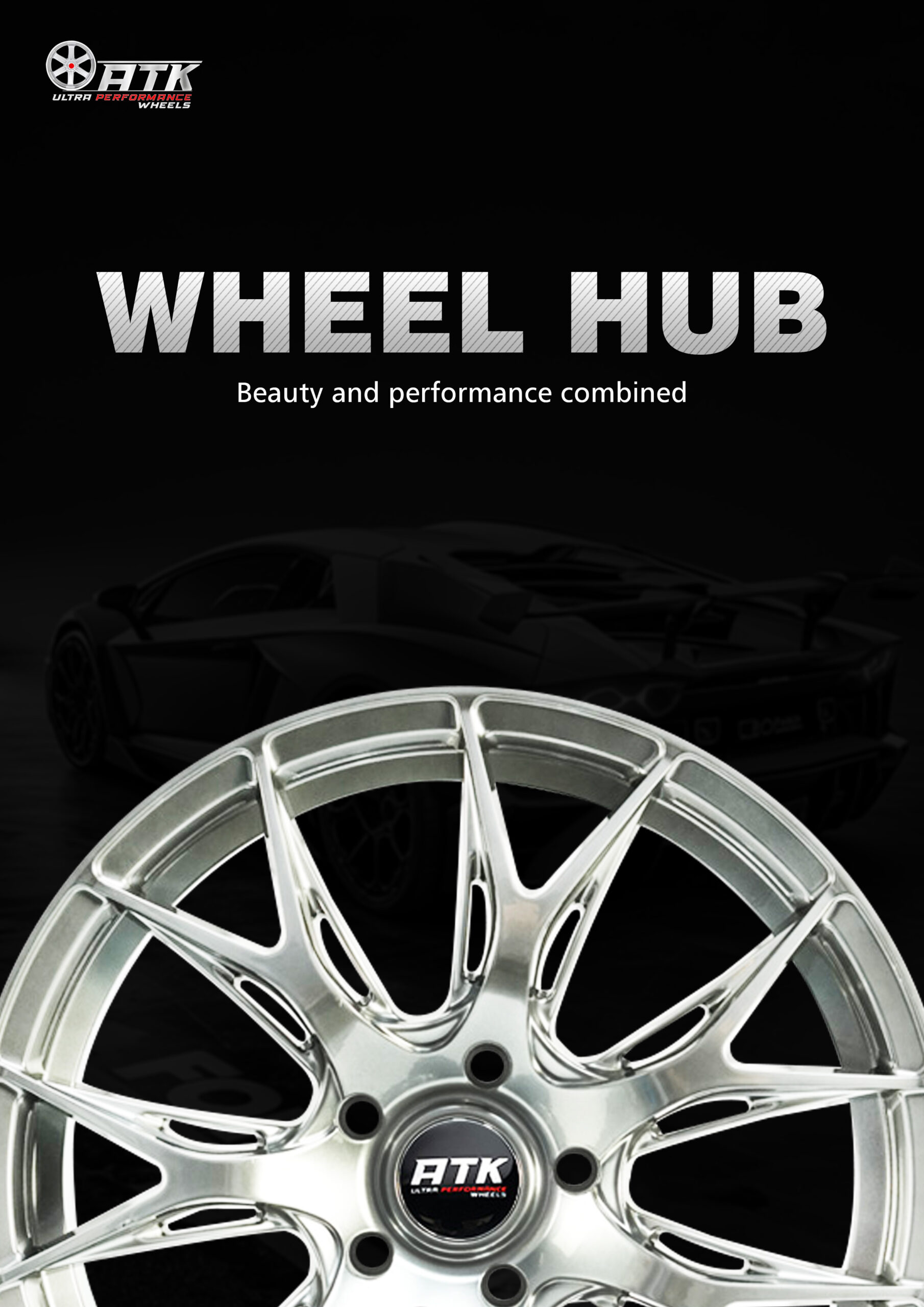
4.Manufacturing Methods: Cast vs. Forged Wheels
When investing your hard-earned money to customize wheels, understanding how they are manufactured helps justify the price differences. The two most prominent manufacturing methods are casting and forging.
Cast Wheels
Gravity or low-pressure casting involves pouring molten aluminum into a pre-made mold. Once cooled, the wheel is trimmed and finished. While casting allows manufacturers to produce wheels quickly and affordably, the molecular structure of cast aluminum contains microscopic air bubbles and porous gaps. To make a cast wheel strong enough for road use, manufacturers must use more material, resulting in a significantly heavier wheel.
Forged Wheels
Forging represents the absolute pinnacle of wheel manufacturing technology. The process begins with a solid block of aerospace-grade 6061-T6 aluminum. This solid billet is subjected to immense hydraulic pressure (often exceeding 10,000 tons) and high heat to crush out all structural imperfections.
The result is an incredibly dense, ultra-strong aluminum blank. CNC machines then carve the intricate spoke designs out of this compressed metal. Because the material is inherently stronger at a molecular level, forged wheels can be machined with thinner spokes and lighter structures while remaining far stronger than cast wheels.
Side-by-Side Comparison Matrix
| Feature | Cast Wheels | Forged Wheels |
|---|---|---|
| Manufacturing Process | Molten aluminum poured into a mold | Solid aluminum billet compressed under high pressure |
| Material Density | Lower (contains minor structural porosities) | Extremely high (uniform grain structure) |
| Weight | Heavy to moderate | Ultra-lightweight |
| Structural Strength | Moderate | Exceptionally high; highly impact-resistant |
| Design Flexibility | Limited by mold constraints | Unlimited CNC precision customization |
| Price Point | Budget-friendly ($150 - $400 per wheel) | Premium investment ($800 - $2,500+ per wheel) |
5.How Much Does it Cost to Customize a Wheel?
One of the most frequent questions drivers ask is: “What is the actual price tag to customize wheel options?”
Because customization is tailored to individual needs, pricing exists on a broad spectrum. A simple cosmetic color change is highly affordable, whereas a fully bespoke engineering job requires a premium budget.
The total cost is largely determined by four primary elements:
-
Material and Manufacturing: As highlighted in the comparison matrix, forged setups command a premium price over cast options due to the raw materials and machining hours required.
-
Sizing Dimensions: Larger diameters (such as 22-inch to 24-inch wheels for trucks) require larger aluminum billets and longer machining cycles, naturally driving up costs compared to standard 18-inch applications.
-
Finish Complexity: Standard powder-coated monotone finishes (gloss black, matte silver) are cost-effective. Premium finishes like hand-brushed clears, high-polish chrome, multi-tone painting, or anodized lips add extensive labor time and increase costs.
-
Structural Multi-Piece Construction: Monoblock (one-piece) wheels are the most straightforward. Multi-piece wheels (2-piece or 3-piece setups held together by titanium hardware bolts) require meticulous sealing and assembly, reflecting a higher price point.
6.The Step-by-Step Manufacturing Process for Fully Customized Forged Wheels
If you choose a high-end, fully customized forged wheel from an industry leader like ATK Wheels, you are not buying off-the-shelf inventory. You are ordering a tailored piece of automotive art. The lead time for a fully customized forged wheel typically ranges from 4 to 8 weeks.
Let’s demystify what happens during those weeks behind the factory doors:
Phase 1: 3D Engineering Design & FEA Testing
Your vehicle’s exact make, model, brake dimensions, and desired fitment are loaded into advanced CAD software. Engineers create a 3D blueprint of your chosen style. This digital model undergoes Finite Element Analysis (FEA) testing to simulate real-world stresses, cornering forces, and load impacts to guarantee structural integrity before any metal is cut.
Phase 2: Precision CNC Machining
Once the design passes virtual stress tests, a raw 6061-T6 aluminum forged billet is loaded into a multi-axis CNC lathe. Over several hours, computer-guided diamond bits carve away excess metal, revealing the sharp spokes, smooth drop centers, and precise lug pockets of your custom layout.
Phase 3: Custom Finishing and Treatment
After machining, the raw wheel is thoroughly deburred and prepped for its aesthetic finish. It goes through a multi-stage cleaning line before entering the powder-coating booth. Whether you select a dramatic candy apple red, a sophisticated brushed bronze, or a classic liquid silver, the finish is baked on at high temperatures to ensure resistance against rock chips and brake dust corrosion.
Phase 4: Rigorous Quality Control
Before packaging, every single wheel undergoes strict quality control checks. Technicians verify radial runout (ensuring the wheel is perfectly round), check bolt pattern precision with micro-gauges, and visually inspect the finish under specialized lighting for any minor blemishes.
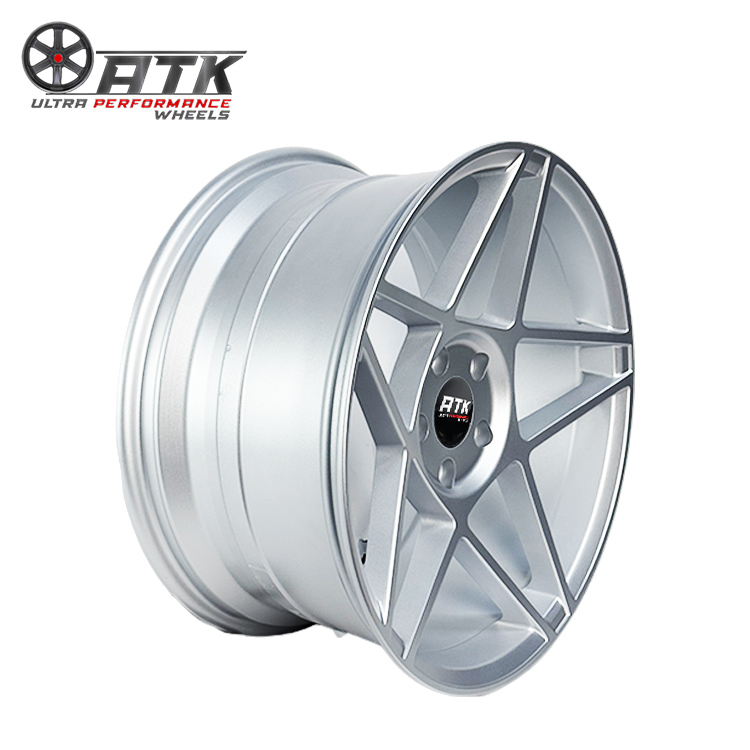
Frequently Asked Questions(FAQ)
1.What is a customize wheel and why do people choose it?
A customize wheel is a wheel designed or modified based on specific preferences, including size, finish, color, and style. Drivers choose custom wheels to improve vehicle appearance, performance, and personalization.
2.How do I choose the right customize wheel for my car?
Choose a custom wheel based on key factors such as wheel size, bolt pattern, offset, load rating, and compatibility with your vehicle model. Proper fitment ensures safety and performance.
3.Why does wheel offset matter when you customize wheels for your vehicle?
Wheel offset determines where the wheel sits relationally to the suspension and fender. An incorrect offset can cause the tire to rub against brake calipers, shock absorbers, or outer fenders, severely impacting vehicle handling and increasing suspension component wear.
4.How much does it cost to customize a wheel?
The cost depends on materials, wheel size, design complexity, finish, and production method. Basic customization is more affordable, while premium materials and unique designs cost more.
5.How long does the manufacturing process usually take for a fully customized wheel?
The lead time for a fully customized forged wheel typically ranges from 4 to 8 weeks. This timeline includes 3D engineering design (FEA testing), precision CNC machining, custom finishing (powder coating or polishing), and rigorous quality control.
Ready to Transform Your Vehicle?
Investing in custom wheels is the single most impactful upgrade you can make for your vehicle. It bridges the gap between raw automotive performance and personalized artistic expression. By understanding the core mechanics of size, bolt patterns, offsets, and manufacturing quality, you can make an informed choice that elevates your driving experience safely.
Do not settle for a cookie-cutter vehicle that blends into the background. Work with a trusted engineering partner who treats your vehicle with the precision it deserves.
Explore the boundless design configurations at ATK Wheels today, and take your first step toward configuring a truly custom wheel setup engineered flawlessly for your ride!