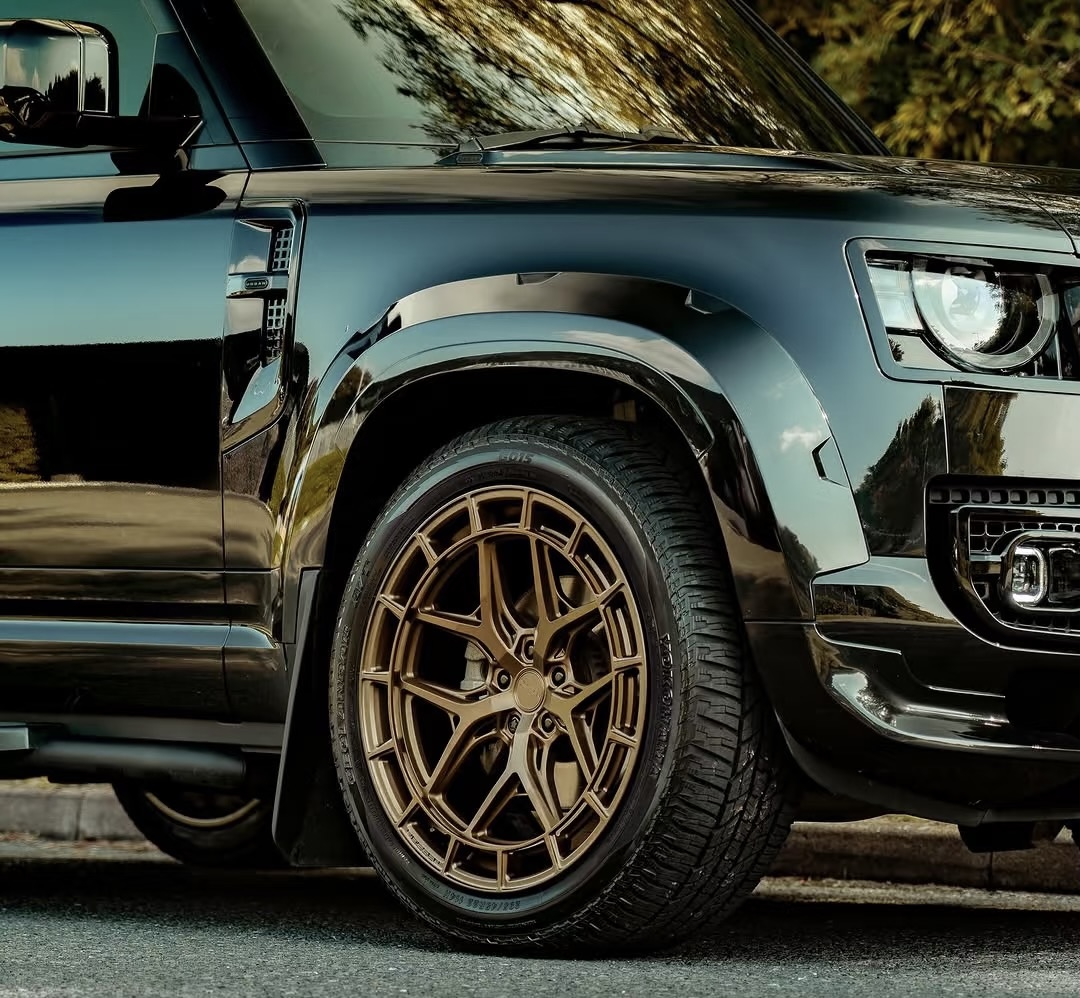
Custom Wheel Shop: Creating Wheels That Fit Your Vehicle and Driving Style
Custom Wheel Shop: Creating Wheels That Fit Your Vehicle and Driving Style
Upgrading your vehicle with a set of aftermarket rims is one of the most impactful decisions you can make as a car enthusiast or daily driver. It is an immediate aesthetic transformation, a statement of personal style, and an opportunity to radically improve your vehicle’s handling and performance.
However, walking into a custom wheel shop—or browsing one online—can quickly become overwhelming. The market is flooded with endless styles, distinct manufacturing methods, and complex structural metrics that dictate whether a wheel will actually fit your car safely.
Choosing the right custom wheel shop is not just about finding a store with a massive inventory. It is about partnering with technical experts who understand the delicate intersection of automotive engineering, safety compliance, and visual design.
1. Defining the Core Role of a Custom Wheel Shop
When most drivers think of a custom wheel shop, they picture walls lined with shiny chrome and matte black rims. While visual curation is a significant part of the experience, the technical capabilities of a shop are what truly protect your investment.
A premium custom wheel shop provides specialized services designed to take the guesswork out of upgrading your vehicle. Rather than offering a one-size-fits-all product, these specialized facilities align product selection with individual vehicle dynamics and performance goals.
Full-Service Expertise
A high-tier custom wheel shop offers comprehensive solutions that span from initial consultation to final alignment:
-
Tailored Wheel Selection: Matching your vehicle’s specific make, model, trim level, and intended use (e.g., track days, off-roading, daily commuting) with the right wheel architecture.
-
Precision Sizing and Measurement: Utilizing advanced digital lookups and manual measurements to ensure your new setup clears your brakes and suspension.
-
Finishing and Aesthetic Customization: Offering insights into finishes, including powder coating, brush detailing, and dual-tone painting.
-
Comprehensive Fitment Inspections: Assessing the structural compatibility of a wheel before rubber ever meets the road.
-
Professional Installation and Balancing: Employing touchless tire changers and road-force balancers to protect high-end finishes and eliminate vibrations.
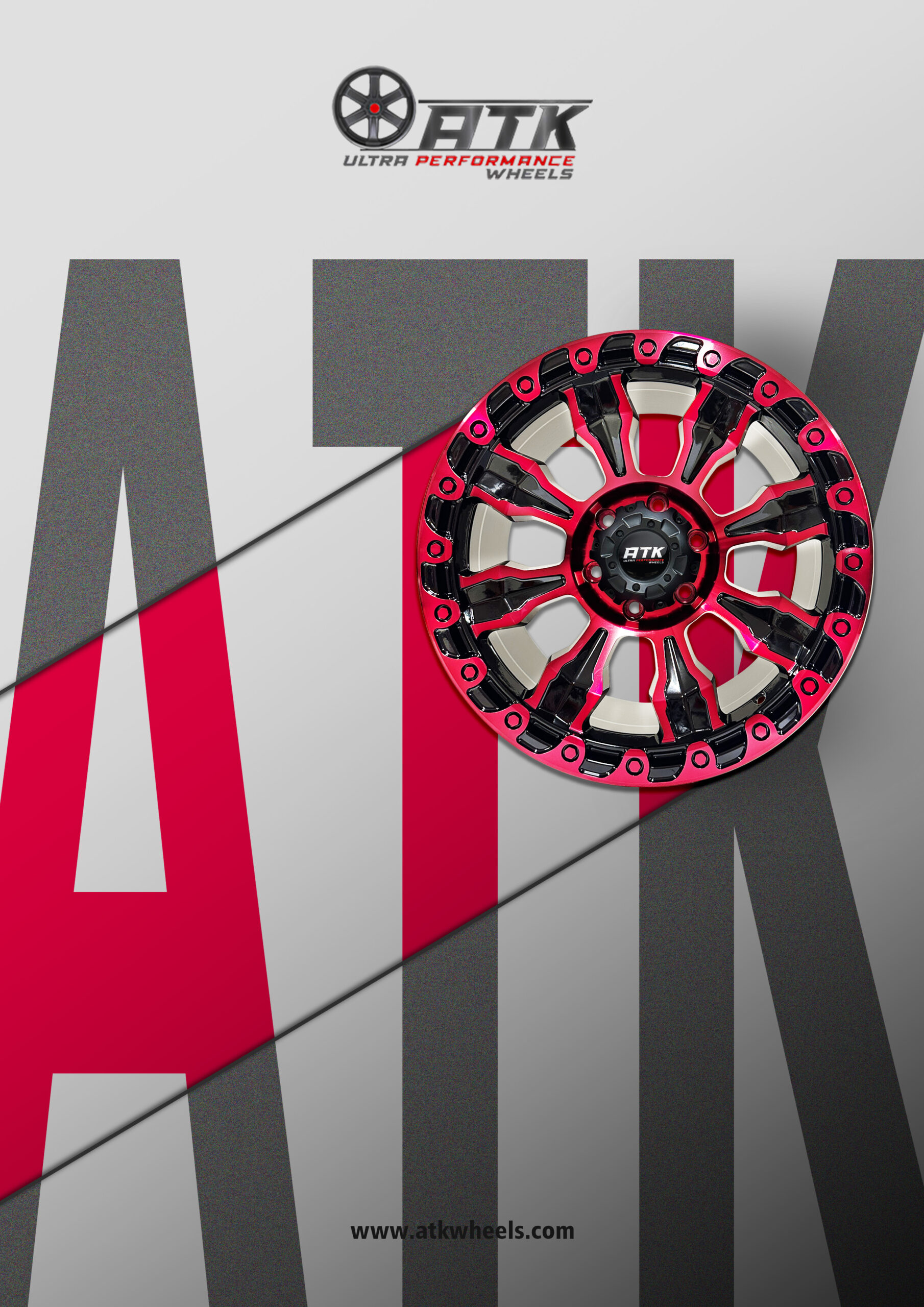
2. Deciphering the Fitment Metric: How to Choose the Right Size
The single most common mistake vehicle owners make is choosing wheels based entirely on looks, without verifying structural compatibility. A premium custom wheel shop eliminates this risk by analyzing five critical engineering metrics before recommending a set of rims.
Bolt Pattern (PCD)
The Pitch Circle Diameter (PCD) represents the number of bolt holes on the wheel and the exact diameter of the imaginary circle they form. For example, a “5×114.3” pattern means the wheel has 5 lug holes spaced across a 114.3mm circle. If this measurement is off by even a millimeter, the wheel cannot be mounted safely.
Wheel Diameter and Width
While moving to a larger wheel diameter (e.g., upgrading from 18-inch to 20-inch rims) improves visual presence, it alters how your vehicle rides. The width of the wheel dictates the tire sizes you can safely mount. Balancing diameter and width ensures you retain proper tire sidewall flex while achieving the desired stance.
Offset
Offset measures the distance from the wheel’s true centerline to its mounting surface, expressed in millimeters. This metric determines how far inside or outside the wheel sits within the fender well:
-
Positive Offset: The mounting surface is closer to the front face of the wheel, pulling the wheel inward toward the suspension. Common on modern front-wheel-drive cars.
-
Negative Offset: The mounting surface is closer to the back of the wheel, pushing the wheel outward for a wide, aggressive stance. Common on lifted trucks and classic muscle cars.
-
Zero Offset: The mounting surface aligns perfectly with the true centerline of the wheel.
Backspacing
Closely tied to offset, backspacing is the distance from the back edge of the wheel to the mounting surface. Proper backspacing is crucial for preventing the inner lip of the wheel from scraping against your suspension struts, control arms, or brake lines during sharp turns.
Center Bore
The center bore is the machined opening on the back of the wheel that sits flush against the hub of your vehicle. A truly hub-centric wheel matches the vehicle’s hub diameter exactly, ensuring the weight of the vehicle is supported by the hub rather than the lug studs.
Important Setup Note: If a custom wheel has a center bore larger than your vehicle’s hub, a professional custom wheel shop will utilize hub-centric rings to bridge the gap and prevent highway-speed vibrations.
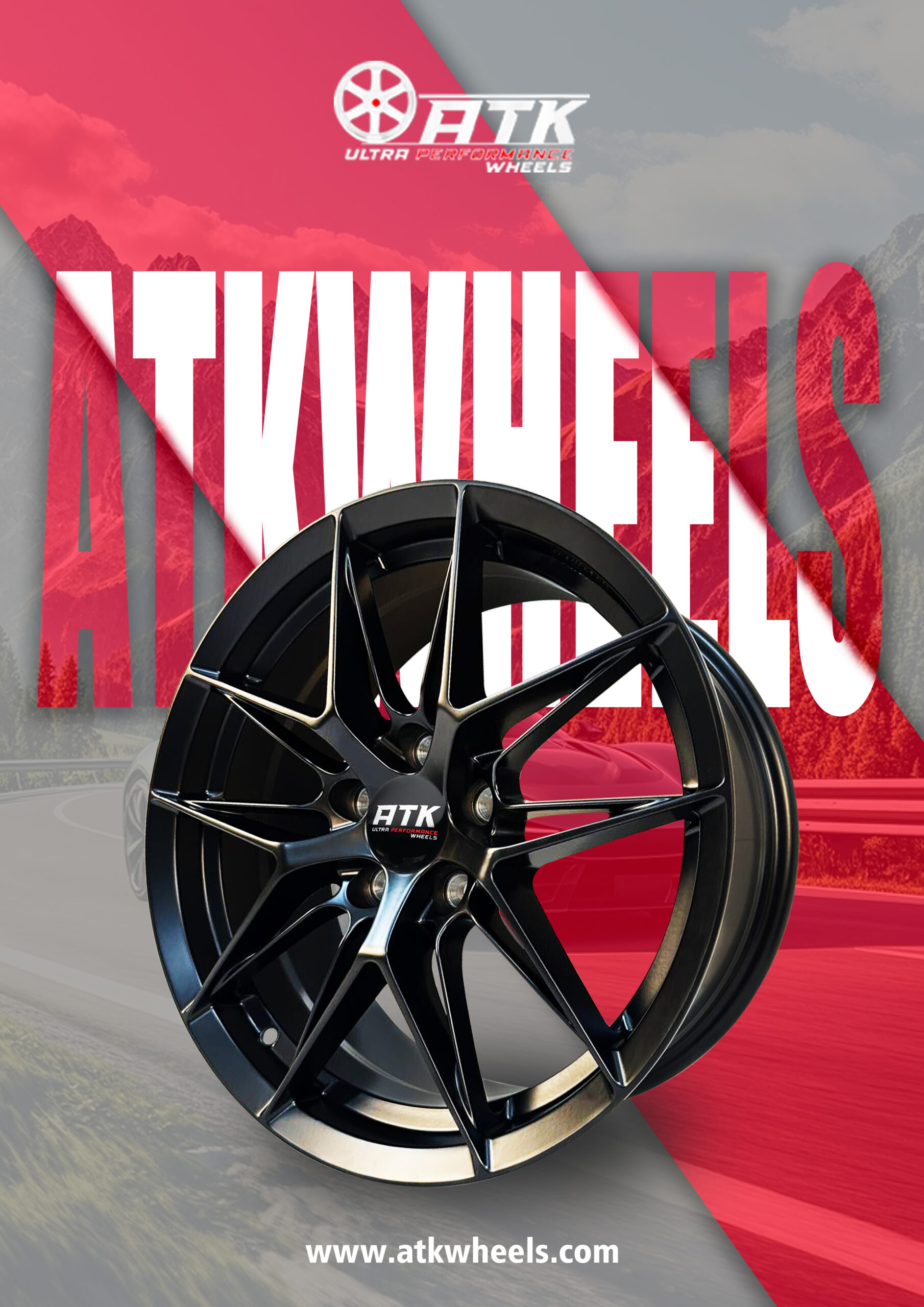
3. Manufacturing Processes: Cast vs. Flow-Formed vs. Forged
Not all custom wheels are created equal. The way a wheel is manufactured directly impacts its strength, weight, price point, and performance. When consulting with a custom wheel shop, you will generally choose between three core construction types.
[Cast Wheels]        --> Molten aluminum poured into a mold. (Budget-friendly, heavier)
[Flow-Formed Wheels] --> Cast center spun under heat and high pressure. (Lighter, stronger barrel)
[Forged Wheels]      --> CNC-machined from a solid, compressed aluminum block. (Ultra-light, elite strength)
Cast Wheels
Cast wheels are produced by melting aluminum alloy and pouring it into a pre-shaped mold. Once the metal cools, it is machined to final specifications.
-
Pros: Highly affordable, endless design options, readily available.
-
Cons: Porous metal structure requires thicker walls, making them heavier and less resistant to structural impacts like potholes.
Flow-Formed Wheels
Flow-forming is a hybrid process. It begins as a specialized low-pressure cast wheel. The wheel is then placed on a proprietary machine where the barrel is heated and spun while heavy hydraulic rollers apply extreme pressure to stretch and compress the aluminum.
-
Pros: Significantly lighter and stronger than traditional cast options, particularly along the outer barrel. Offers an exceptional balance of performance and affordability.
-
Cons: While the barrel is forged-like, the face of the wheel still retains a cast grain structure.
Forged Wheels
Forged wheels represent the absolute pinnacle of wheel manufacturing. They begin as a solid block of highly dense aerospace-grade aluminum. This block is subjected to intense heat and immense pressure to forge the raw shape, which is then precision CNC-machined to its final artistic form.
-
Pros: Exceptionally lightweight, unrivaled structural integrity, high resistance to cracks or bending, completely customizable offsets and finishes.
-
Cons: Higher price point due to complex manufacturing and premium materials; longer production lead times.
Quick-Reference Comparison Matrix
| Feature | Cast Wheels | Flow-Formed Wheels | Forged Wheels |
|---|---|---|---|
| Manufacturing Method | Molten aluminum poured into molds | Cast center with rolled/stretched barrel | CNC-machined from solid compressed blocks |
| Weight | Heavy | Moderate / Lightweight | Ultra-Lightweight |
| Structural Strength | Standard | High | Exceptional Maximum Integrity |
| Impact Resistance | Fair (Prone to cracking under extreme force) | High | Maximum resilience (Bends rather than shattering) |
| Price Point | Budget-Friendly | Mid-Tier Value | Premium Investment |
| Best Suited For | Daily drivers, winter setups, tight budgets | Performance sedans, track days, tuning enthusiasts | Supercars, luxury platforms, elite track racing |
4. Hardware and Electronics Compliance
Upgrading your wheels involves more than just swapping out the metal rims. There are critical secondary components that dictate whether your new setup will function safely on modern roads.
The Problem with Factory Lug Nuts
A very common question asked at any custom wheel shop is: Can I reuse my factory (OEM) lug nuts on aftermarket custom wheels?
The short answer is almost always no.
Factory lug nuts are engineered specifically for the deep, wide mounting pockets of OEM wheels. They frequently feature a flat washer style or a radiused ball-seat profile.
In contrast, aftermarket wheels are designed with smaller, narrower lug holes to preserve structural integrity around the center face. They typically require a 60-degree conical (tapered) seat lug nut or a specialized “tuner style” splined lug nut. Attempting to force factory lug nuts onto aftermarket custom wheels can damage the wheel finish, strip the threads, or prevent the wheel from securing tightly to the hub—creating a severe safety risk.
Tire Pressure Monitoring Systems (TPMS)
Modern vehicles rely heavily on TPMS sensors mounted inside the wheel barrel to monitor tire inflation in real time. When purchasing new rims, you must ensure your electronics remain active.
A professional custom wheel shop will verify that your chosen aftermarket design accommodates factory TPMS sensors. During installation, technicians can carefully transfer your existing sensors to the new wheels or program a brand-new set of OEM-spec sensors to pair with your vehicle’s onboard computer.
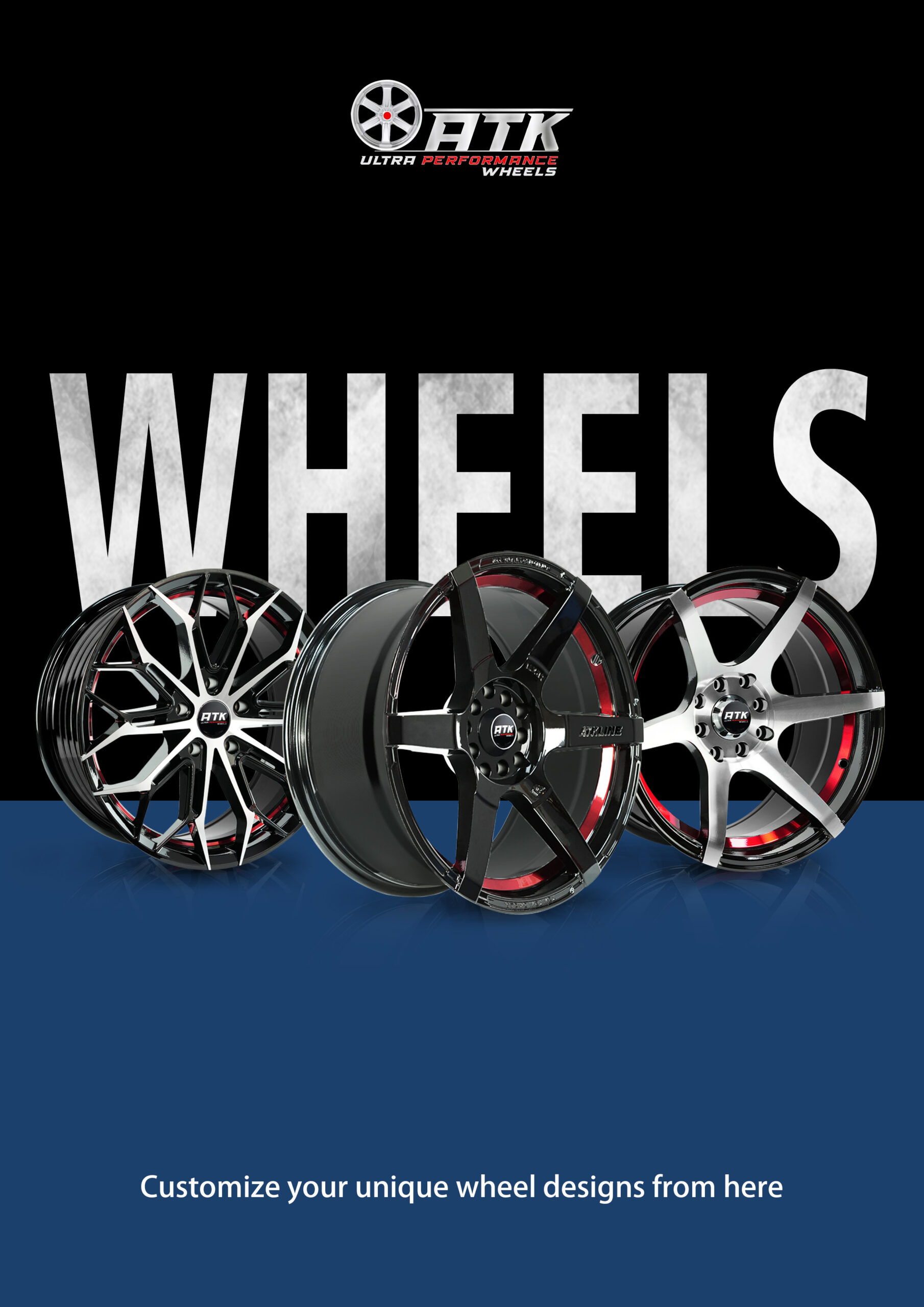
5. Summary Checklist: Spotting a Trustworthy Custom Wheel Shop
Ready to make your purchase? Ensure the shop you work with checks all of the following professional boxes:
-
Asks About Your Vehicle Use Case: They don’t just ask what style you want; they ask how you drive and what your performance goals are.
-
Verifies Exact Vehicle Data: They require your vehicle’s year, make, model, and trim package to confirm exact brake clearance.
-
Uses Professional Equipment: They employ touchless mounting machines and precision computerized balancers to protect your investment.
-
Clear Warranty Policies: They offer transparent structural and finish warranties on their brands.
-
Maintains Transparent Supply Lines: They partner with reputable, safety-certified manufacturers like ATK Wheels to ensure structural validity.
FAQ
1.How do I choose the right size wheels for my vehicle at a custom wheel shop?
To ensure proper fitment, a custom wheel shop evaluates five critical metrics: bolt pattern (PCD), wheel diameter and width, offset (how far inside or outside the wheel sits), backspacing, and center bore. Matching these exact specs prevents suspension rubbing, preserves handling dynamics, and ensures brake caliper clearance.
2.What is the difference between cast, flow-formed, and forged wheels?
Cast wheels are made by pouring molten aluminum into a mold, providing an affordable but heavier option. Flow-formed wheels use heat and high pressure to spin and stretch a cast barrel, creating a lighter, stronger rim. Forged wheels are CNC-machined from a solid block of compressed aluminum, delivering maximum strength, lowest weight, and a premium finish.
3.What services does a custom wheel shop provide?
A custom wheel shop provides complete wheel customization services, including wheel selection, precise sizing, custom finishes, comprehensive fitment checks, professional installation, TPMS programming, and matching tire packages tailored to your performance goals.
4.Why can’t I reuse my factory (OEM) lug nuts on aftermarket custom wheels?
Most aftermarket custom wheels feature compact lug holes and require a 60-degree conical/tapered seat profile. Factory lug nuts are often too large or utilize flat/ball-shaped seats. Using the wrong hardware can damage the wheel face and cause dangerous wheel vibrations or detachment.
5.Do custom wheels come with tires, and will they support my OEM TPMS sensors?
Custom wheels are generally priced individually, but top custom wheel shops offer integrated wheel and tire packages that arrive pre-mounted and road-force balanced. High-quality custom wheels are designed to support factory TPMS sensors, which can be transferred over during installation.
Upgrade Your Ride with Confidence
Investing in custom wheels is the fastest way to elevate your vehicle’s visual presence and driving performance. By understanding the core fitment metrics and picking the ideal manufacturing process for your lifestyle, you ensure a safe, smooth, and head-turning upgrade.
Ready to find the perfect fit for your vehicle? Explore engineered wheel styles and premium fitments at ATK Wheels to kickstart your vehicle transformation.