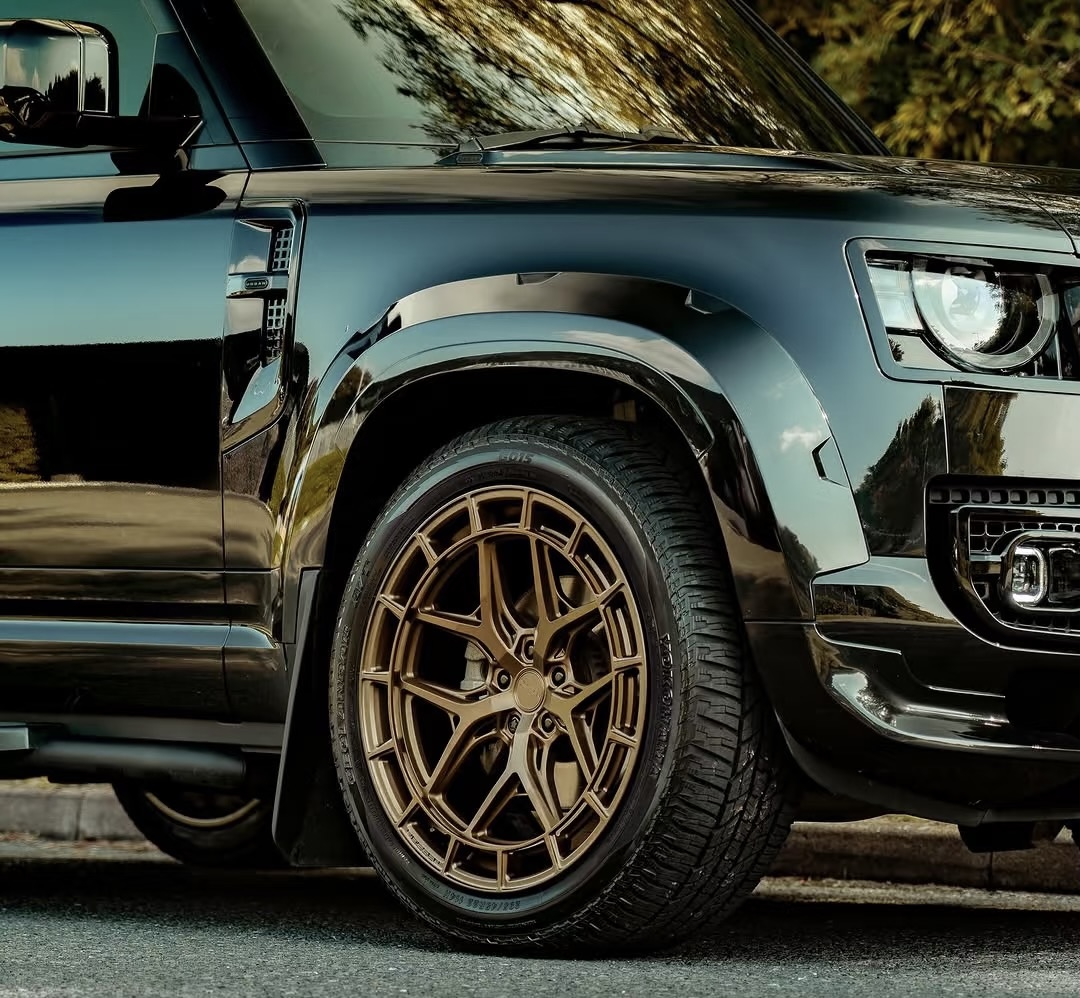
Rims for Luxury Cars: Elevating Style, Comfort, and Driving Performance
Rims for Luxury Cars: Elevating Style, Comfort, and Driving Performance
When you drive a high-end vehicle, every single component matters. From the purr of the engine to the hand-stitched leather of the interior, premium vehicles are masterpieces of engineering. Yet, one of the most impactful upgrades you can make to both the appearance and driving dynamics of your vehicle lies where the rubber meets the road: the wheels.
Choosing the right rims for luxury cars is about far more than just adding a touch of personal style. It is a precise intersection of automotive art, advanced metallurgy, and performance engineering. Whether you pilot a sleek European sports sedan, a stately British grand tourer, or a high-performance exotic, upgrading your wheels can completely transform your driving experience.
This comprehensive exploration breaks down everything you need to know about selecting, fitting, and maintaining premium wheels that do justice to your vehicle’s heritage.
1. Why Rims Matter: The Intersection of Style and Performance
To the untrained eye, wheels are purely cosmetic. But true automotive enthusiasts and luxury car owners know better. The right set of wheels acts as the ultimate statement piece while simultaneously altering how your vehicle handles the road.
The Aesthetics of High-End Wheels
Luxury vehicles are designed with specific proportions, body lines, and stances. Factory wheels are often designed to appeal to the lowest common denominator—built to be safe and cost-effective to mass-produce, rather than to maximize the vehicle’s visual potential.
Upgrading to premium aftermarket rims allows you to:
-
Perfect the Stance: Fill out the wheel wells flush with the fenders for a more aggressive, planted look.
-
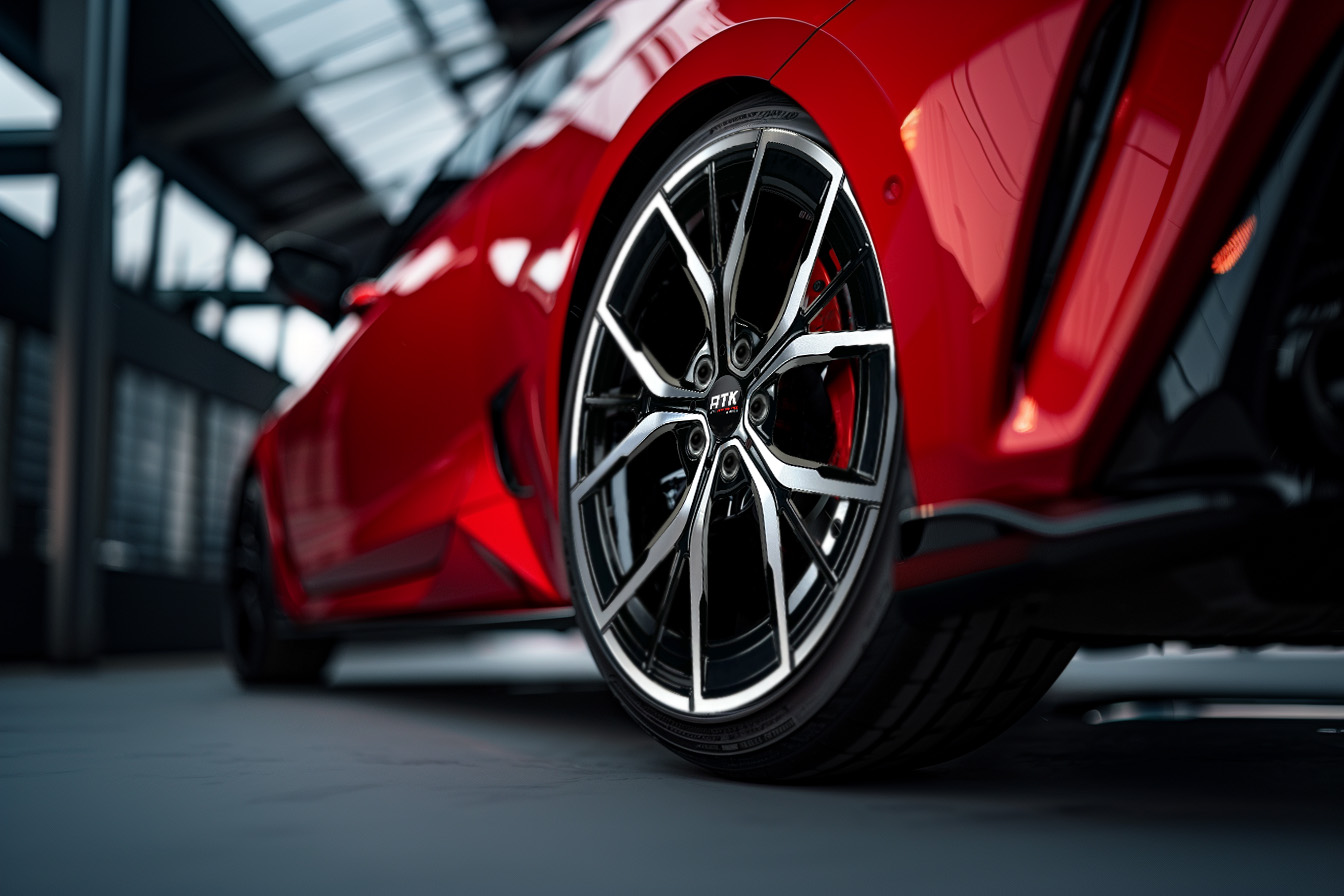
Showcase Braking Systems: Open-spoke designs highlight massive multi-piston calipers and carbon-ceramic rotors.
-
Express Individuality: Differentiate your vehicle from standard factory models with unique finishes like brushed bronze, polished chrome, or satin black.
The Physics of Performance: Unsprung Weight
Do rims affect the performance of luxury cars? Absolutely. In fact, they are one of the few modifications that can improve acceleration, braking, and handling all at once.
The secret lies in reducing unsprung weight (the mass of the components not supported by the car’s suspension, such as wheels, tires, and brakes).
The Golden Rule of Rotational Mass: Reducing weight on rotating components like wheels has a multiplying effect on performance. Light wheels require less energy to spin up (faster acceleration) and less effort to slow down (shorter braking distances).
When you replace heavy factory cast wheels with lightweight premium rims, your suspension can react faster to road imperfections. This results in a ride that feels sharper, more connected, and surprisingly more comfortable over rough pavement.
2. Decoding Wheel Materials and Manufacturing Methods
Not all wheels are created equal. The manufacturing process directly dictates a rim’s strength, weight, and price point. When shopping for elite vehicles, understanding these techniques is crucial to making an informed investment.
Forged Aluminum: The Gold Standard
For elite vehicles, forged aluminum represents the pinnacle of wheel technology. The process involves taking a solid block of aerospace-grade aluminum alloy and subjecting it to immense pressure and heat to forge the wheel shape.
Because the metal grain structure remains continuous and dense, forged wheels are incredibly strong. This strength allows manufacturers to use less material, resulting in ultra-lightweight designs that can easily withstand high-speed cornering and potholes.
Flow-Formed Alloy: The Perfect Balance
Flow-forming (sometimes called rotary forging) bridges the gap between traditional casting and high-end forging. The process starts with a cast aluminum pre-form, which is then spun on a specialized machine while high-pressure rollers stretch and compress the barrel of the wheel.
This alters the molecular structure of the aluminum, dramatically increasing its tensile strength and reducing weight in the outer rim area where it matters most for rotational inertia. It offers an exceptional balance of performance and value.
Cast Aluminum: The Entry Level
Cast wheels are made by pouring molten aluminum into a mold. While cost-effective and highly versatile for complex designs, cast wheels require thicker walls to achieve necessary safety ratings, making them significantly heavier than forged or flow-formed alternatives.
3. Comparing Premium Wheel Structural Types
To help you visualize the differences across manufacturing styles, let’s look at how these three primary methods compare in key areas:
| Manufacturing Type | Relative Weight | Structural Strength | Price Range | Best Suited For |
|---|---|---|---|---|
| Forged Aluminum | Ultra-Lightweight | Exceptionally High | Premium / Luxury | Exotics, Track Cars, Flagship Sedans |
| Flow-Formed Alloy | Lightweight | High | Mid-to-High | Daily Drivers, Sports Cars, Luxury SUVs |
| Cast Aluminum | Standard to Heavy | Moderate | Budget-Friendly | Entry-Level Upgrades, Winter Wheel Sets |
4. How to Choose the Right Size and Fitment
Selecting wheels for a premium vehicle requires absolute precision. A mistake of just a few millimeters can cause tires to rub against the suspension, scrape the fenders, or fail to clear your brake calipers.
[Diameter & Width] ---> [Bolt Pattern Match] ---> [Offset & Backspacing] ---> [Perfect Flush Fitment]
When determining the ideal fitment, you must track five critical metrics:
-
Bolt Pattern: The arrangement of the lug nut holes (e.g., 5×112 for many German vehicles or 5×120 for others). It must match your vehicle exactly.
-
Diameter and Width: While stepping up in diameter (e.g., from 19-inch to 21-inch wheels) improves visual drama and handling response, it requires a lower-profile tire, which can slightly firm up the ride quality.
-
Offset (ET): The distance from the wheel’s mounting surface to its true centerline. This dictates whether your wheel sits tucked deep inside the fender or pushes outward for a flush, aggressive stance.
-
Center Bore: The diameter of the central hole on the back of the wheel. High-end setups require a hub-centric fitment, where the wheel centers perfectly on the car’s hub rather than relying solely on the lug nuts.
-
Load Rating: Luxury vehicles—especially heavy electric vehicles (EVs) and full-size luxury SUVs—require wheels with a certified load capacity capable of safely handling the vehicle’s gross weight.
Brands like ATK Wheels specialize in engineering wheels that match these stringent factory specifications perfectly, ensuring a vibration-free ride and seamless compatibility with factory tire pressure monitoring systems (TPMS).
5. Top Design Styles and Aesthetic Trends
The layout of the spokes defines the personality of your vehicle. Depending on the architecture of your automobile, certain wheel silhouettes naturally complement the body shape better than others.
Multi-Spoke and Mesh Designs
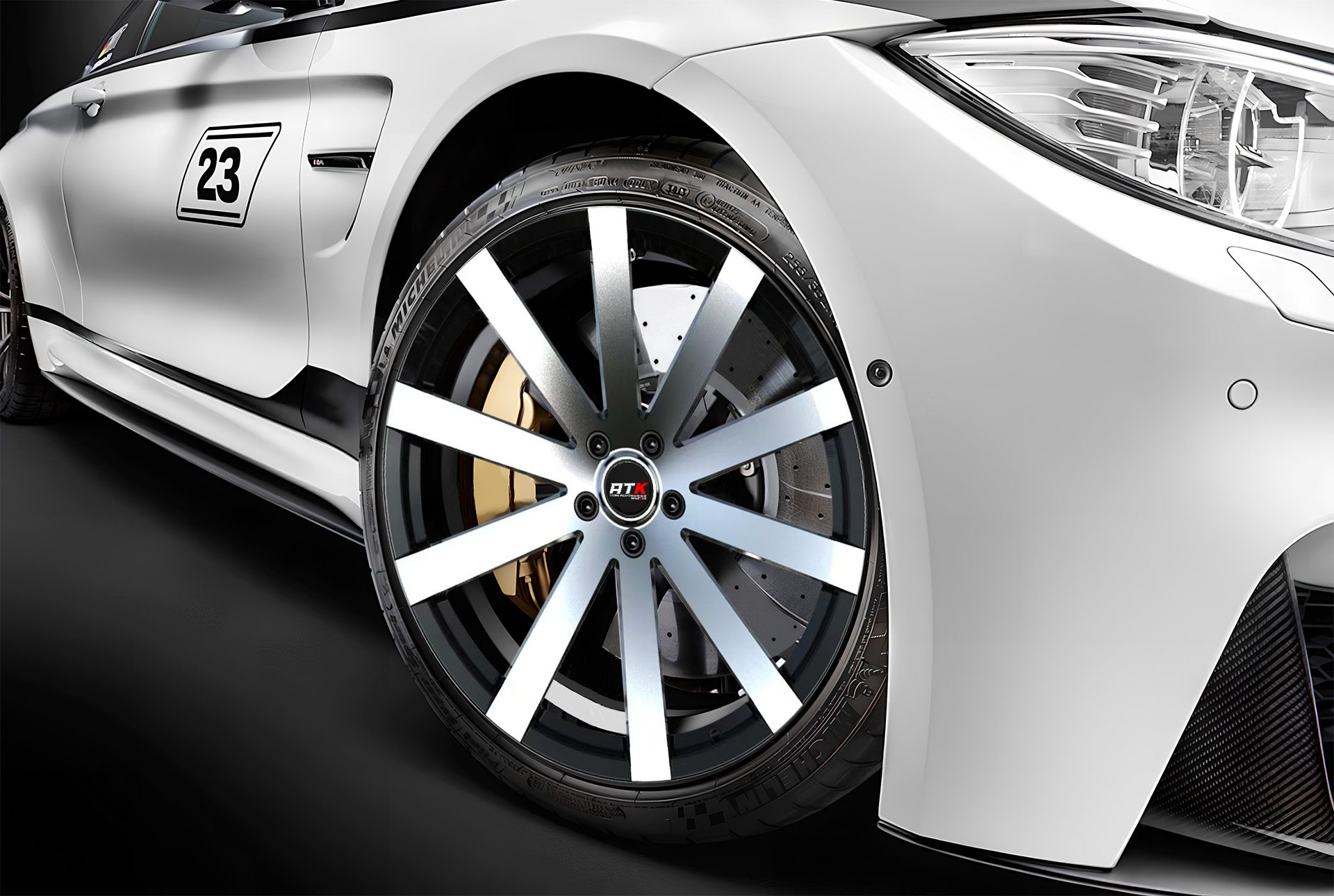
Classic, intricate mesh layouts and multi-spoke patterns are deeply rooted in European motorsport history. They look exceptionally sophisticated on flagship luxury sedans like the Mercedes-Benz S-Class or BMW 7 Series, adding an air of timeless elegance and structural complexity.
Monoblock vs. Multi-Piece Setups
-
Monoblock Wheels: Machined from a single piece of metal. They offer maximum structural rigidity, clean lines, and the lowest possible weight.
-
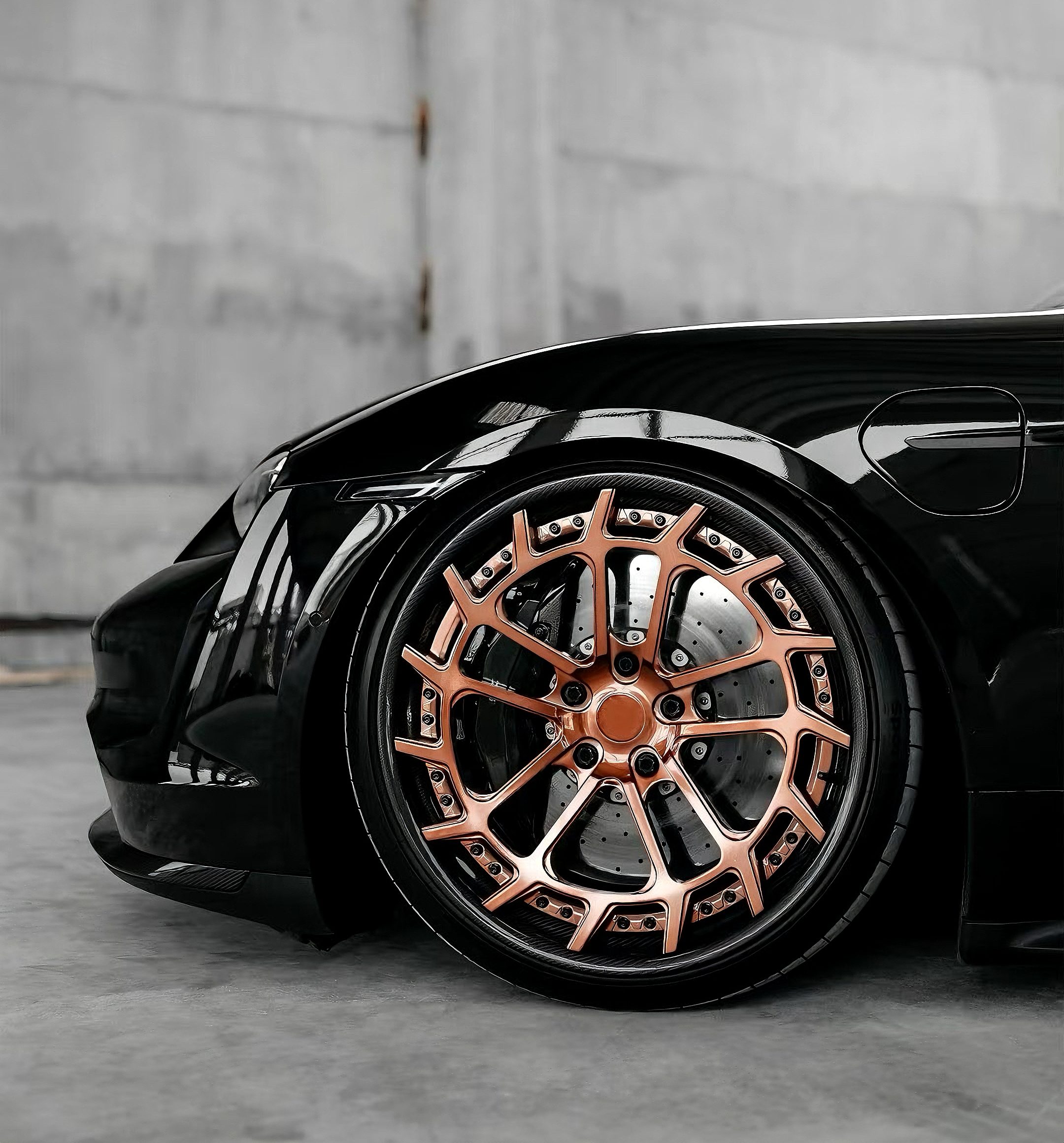
Two-Piece and Three-Piece Wheels: Consist of a separate face, outer lip, and inner barrel bolted together with high-strength hardware. Multi-piece wheels offer deep-dish lips and infinite customization options, making them highly prized in the exotic and custom show-car scenes.
High-End Finishes
The finish of your wheel can completely alter the vehicle’s mood. While traditional silver and gloss black remain popular, the luxury market has shifted toward sophisticated treatments:
-
Brushed Finishes: Hand-brushed aluminum coated in a transparent tint, revealing the raw grain of the metal.
-
Two-Tone Liquid Painting: Combining dark painted pockets with diamond-cut, machined faces for striking visual contrast.
-
Satin and Matte Tints: Muted bronze, titanium, or charcoal tones that offer a modern, stealthy alternative to bright chrome.
6. Real-World Value: Are Custom Wheels Worth It?
Investing in high-end aftermarket wheels is a significant decision. For those who view their vehicle as an extension of their lifestyle, the benefits extend far beyond a standard upgrade.
-
Preserving Factory Equipment: Many owners swap out their OEM wheels for custom sets immediately after purchasing the vehicle. By boxing up and storing the pristine factory wheels, you protect them from curb damage and road salt, preserving the car’s resale value when it comes time to trade it in.
-
Tailored Engineering: Unlike generic off-the-shelf options, custom-tailored wheels are engineered specifically for your vehicle’s exact make and model. This ensures optimized brake clearance, zero body rubbing, and a ride quality that matches or exceeds factory standards.
-
Visual Distinction: In a world filled with assembly-line luxury cars, a custom set of wheels ensures your vehicle commands attention on the road and stands out effortlessly in any valet lot.
7. Frequently Asked Questions about High-End Wheels(FAQ)
1.What are the best rims for luxury cars?
The best wheels combine premium materials, precise fitment engineering, lightweight construction, and elegant aesthetics. Forged aluminum and high-quality flow-formed alloys are widely considered the ideal choices because they improve performance while complementing the vehicle’s high-end design.
2.Do aftermarket wheels void a luxury car’s warranty?
In the United States, under the Magnuson-Moss Warranty Act, an aftermarket modification cannot simply void your entire vehicle warranty. The dealership must prove that the aftermarket component directly caused a specific failure to deny coverage for that repair. Using hub-centric wheels with correct factory specs protects your suspension components from unexpected stress.
3.How do I protect and clean high-end wheel finishes?
Premium finishes require gentle care. Avoid automated car washes with harsh chemical cleaners or abrasive brushes. Instead, wash wheels by hand using a dedicated microfiber wash mitt and a pH-neutral automotive soap. For long-term protection against brake dust burn-in, apply a high-quality ceramic coating specifically formulated for wheels.
4.What is the difference between hub-centric and lug-centric wheels?
Hub-centric wheels feature a center bore that perfectly matches the vehicle’s wheel hub, allowing the hub to bear the weight of the vehicle. Lug-centric wheels rely entirely on the lug nuts to center and support the wheel, which can lead to steering wheel vibrations at highway speeds on sensitive luxury vehicles.
5.Can I use my original factory tires on new rims?
Yes, provided the new wheels match the diameter and width specifications required by your existing tires. However, if you are upsizing your wheels for a more striking appearance, you will need to purchase a matching set of lower-profile tires to maintain correct overall rolling diameter and speedometer accuracy.
Conclusion: Transform Your Driving Experience
Upgrading the wheels on your luxury vehicle is the ultimate way to fuse personal expression with tangible engineering benefits. By reducing unsprung weight, refining handling response, and establishing a commanding visual presence, the right set of wheels elevates your automobile from an impressive machine to a personalized work of art.
When you are ready to explore options engineered specifically for your vehicle’s exacting standards, explore the precision collection at ATK Wheels. Discover the ideal blend of high-strength materials, pristine finishes, and uncompromising fitments designed to do justice to your luxury ride.