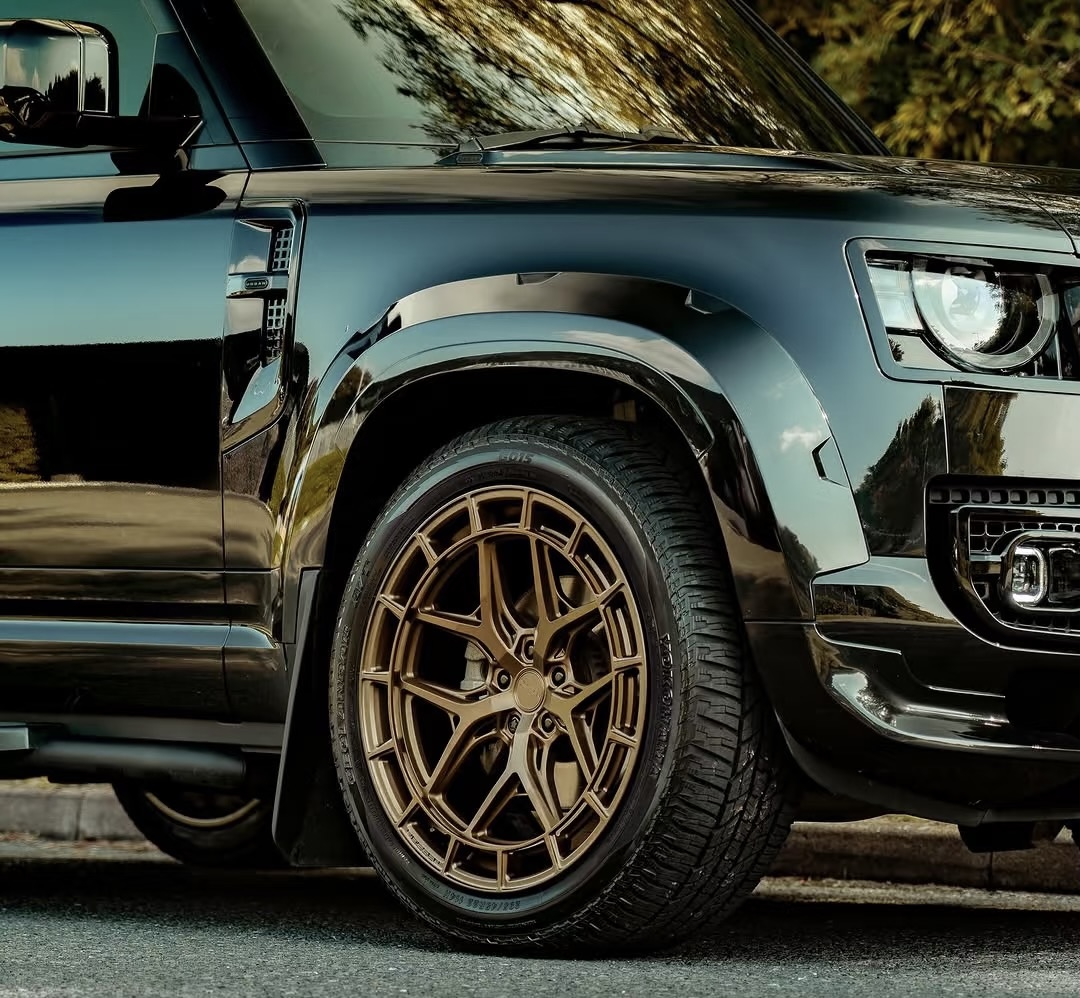
Performance Car Wheels: The Key to Better Driving Performance
Performance Car Wheels: The Key to Better Driving Performance
Every car enthusiast knows the feeling. You step on the gas, and you want instant feedback. You hit a corner, and you expect the chassis to bite into the tarmac with precision. While many drivers immediately look under the hood for more horsepower, the most transformative upgrade you can make to your vehicle often sits right at the corners: your wheels.
Upgrading to premium performance car wheels is not just about turning heads at the local car meet—though a crisp new stance certainly does that. It is about physics. It is about reducing weight where it matters most and engineering a direct connection between your steering wheel and the road.
This deep dive breaks down the engineering behind high-performance wheels, explores the manufacturing processes that define their strength, and helps you choose the perfect setup to unlock your vehicle’s true potential.
1.What Are Performance Car Wheels?
At their core, performance car wheels are specially engineered wheels designed to improve handling, braking response, acceleration, and driving stability through optimized weight, strength, and aerodynamic design.
Unlike factory wheels—which are mass-produced to meet minimum safety standards at the lowest possible cost—performance wheels are built for drivers who demand more from their machines.
The Science of Unsprung Weight
To understand why performance wheels change the driving experience so drastically, we have to look at a concept called unsprung weight.
Unsprung weight refers to any part of the vehicle that is not supported by the suspension system. This includes your tires, brakes, suspension components, and, most importantly, your wheels.
-
Better Suspension Response: When your wheels are lighter, your suspension doesn’t have to work as hard to keep the tires planted on the ground over bumps and dips.
-
Faster Acceleration: Wheels are also rotational mass. A lighter wheel requires less kinetic energy to spin up, leading to a noticeable improvement in throttle response.
-
Sharper Braking: Just as lighter wheels are easier to speed up, they are also easier to slow down, reducing stopping distances and brake fade.
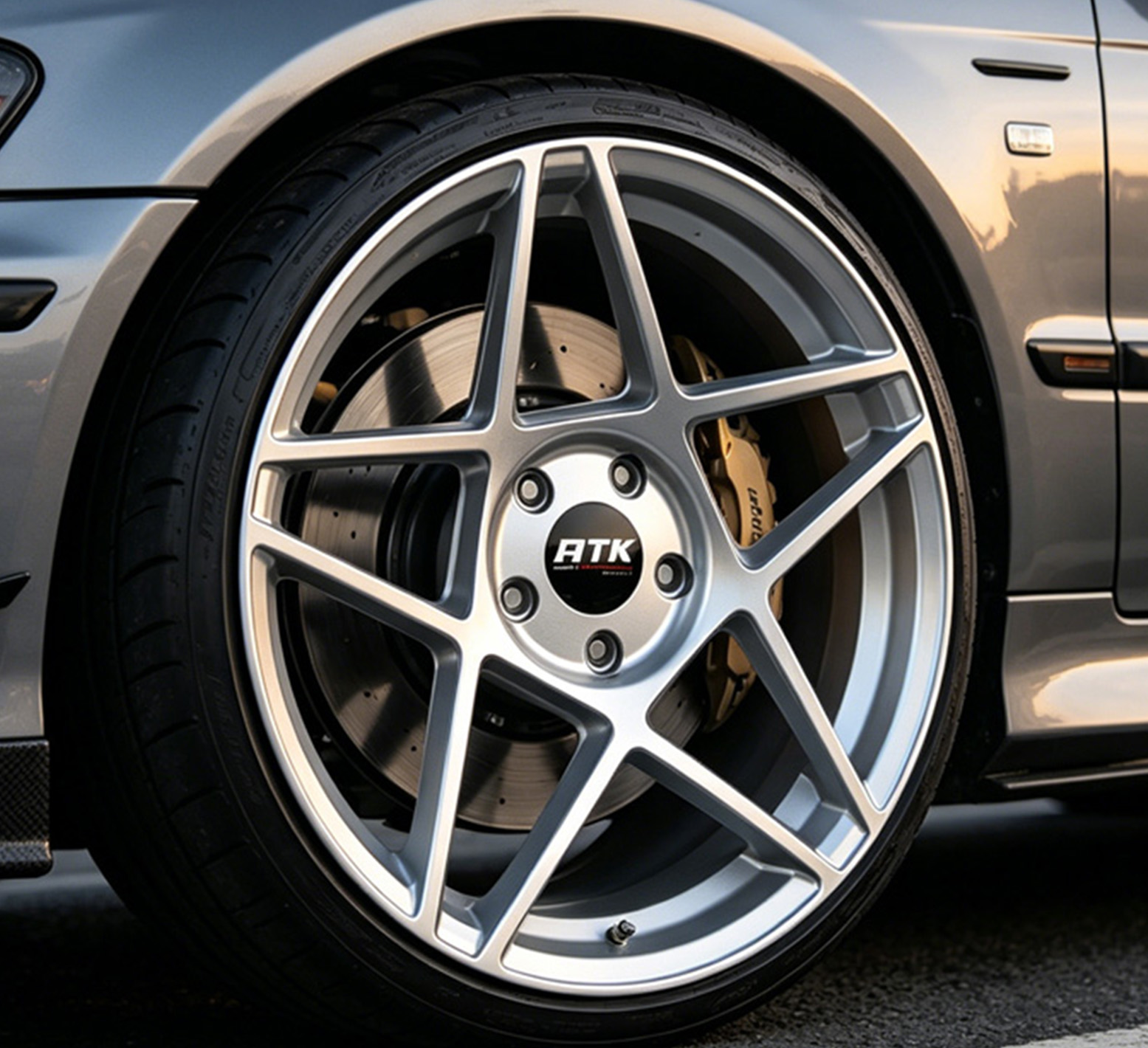
2.Are Lightweight Wheels Better for Performance Cars?
Yes, lightweight wheels are significantly better for performance cars. Reducing weight at the wheel hub delivers a compounding benefit that you can feel through the steering wheel on your very first drive.
When you reduce unsprung, rotational mass, you directly improve the vehicle’s power-to-weight ratio in the most efficient way possible.
Key Benefits of Lighter Performance Wheels
-
Enhanced Steering Response: Lighter wheels reduce the gyroscopic effect generated by spinning mass. This means the front wheels turn in faster, sharper, and with significantly less effort, making the car feel incredibly nimble.
-
Improved Suspension Performance: Because the shocks and springs handle less momentum from the wheel bouncing up and down, the tires maintain a more consistent contact patch with the road. This yields maximum grip during aggressive cornering.
-
Increased Fuel Efficiency: While performance drivers rarely prioritize gas mileage, it is a great secondary benefit. Less energy required to move the wheel means less strain on your engine during daily driving.
Featured Snippet Summary:
Are lightweight wheels better for performance cars?
Yes. Lightweight performance car wheels reduce unsprung weight and rotational mass. This directly improves steering response, suspension articulation, acceleration, and braking efficiency by requiring less energy to rotate and control the wheel.
3.Manufacturing Methods: Forged vs. Flow Formed vs. Cast
How a wheel is made dictates exactly how it will perform under stress. When pushing a car to its limits on a track or a spirited canyon run, structural integrity is just as important as weight reduction.
There are three primary manufacturing methods used for aftermarket wheels today.
[Cast Wheels] -----> Heavy, budget-friendly, molten aluminum poured into a mold.
[Flow Formed] ----> Lighter, strong barrel, rim section rolled under heat/pressure.
[Forged Wheels] ---> Lightest, ultimate strength, carved from a solid block of aluminum.
1. Cast Wheels
Gravity casting or low-pressure casting involves pouring molten aluminum into a mold. While this process is cost-effective and allows for intricate designs, the metal is porous and inherently weaker. To make a cast wheel strong enough for street use, manufacturers must use more material, resulting in a significantly heavier wheel.
2. Flow Formed Wheels
Flow forming (sometimes called roll forging or spin forging) starts with a specialized low-pressure cast wheel. The barrel of the wheel is then spun, heated, and compressed using hydraulic rollers. This process stretches and fortifies the aluminum, altering its grain structure. The result is a wheel with a barrel that approaches the strength and weight of a forged wheel, at a fraction of the price.
3. Forged Wheels
Forged wheels represent the absolute pinnacle of performance. They are created by taking a solid block of aerospace-grade aluminum and subjecting it to immense pressure (often thousands of tons) to forge the rough shape of the wheel. This aligns the crystalline grain structure of the metal perfectly. The wheel is then CNC-machined to its final design. Because the material is incredibly dense and strong, engineers can use much less metal, creating the lightest and most durable wheels on the market.
Comparison of Performance Car Wheel Manufacturing Methods
| Feature | Cast Wheels | Flow Formed Wheels | Forged Wheels |
|---|---|---|---|
| Weight | Heavy | Light | Extremely Light |
| Structural Strength | Low to Medium | High (in the barrel) | Maximum Strength |
| Impact Resistance | Fair (can crack under heavy impact) | Good | Excellent (bends rather than breaking) |
| Price Point | Budget-friendly | Mid-range (Best value) | Premium/High-end |
| Best For | Daily driving, aesthetic upgrades | Track days, spirited street driving | Competitive racing, elite performance |
4.What Size Wheels Are Best for a Performance Car?
A common misconception is that bigger is always better. While massive 20-inch or 21-inch wheels filled with ultra-low-profile tires look aggressive, they can actually hurt your car’s handling and ride quality if not carefully calculated.
The best wheel size depends entirely on your specific vehicle model, suspension geometry, and driving purpose. Proper fitment—which includes diameter, width, offset, and tire compatibility—is far more important than size alone.
Diameter vs. Width
-
Wheel Diameter: Keeping the diameter close to the OEM specification ensures your odometer, speedometer, and ABS sensors function correctly. Going slightly smaller (e.g., dropping from a factory 19-inch to an 18-inch wheel) allows you to run a tire with a taller sidewall, which provides a larger contact patch and better compliance over track curbs.
-
Wheel Width: Increasing the width of your wheel allows you to mount wider tires. More rubber on the road means more lateral grip, better traction off the line, and improved stopping power.
Understanding Offset and Backspacing
Offset determines where the wheel sits relative to the car’s fender and suspension components.
-
Too much positive offset: The wheel sits too far inside the wheel well, risking contact with your brake calipers or suspension struts.
-
Too much negative offset: The wheel pushes outward past the fender line, which can cause severe tire rubbing during hard cornering or under heavy loads.
Always consult professional fitment data, such as the expert configurations available at ATK Wheels, to ensure your setup clears your brakes and suspension perfectly.
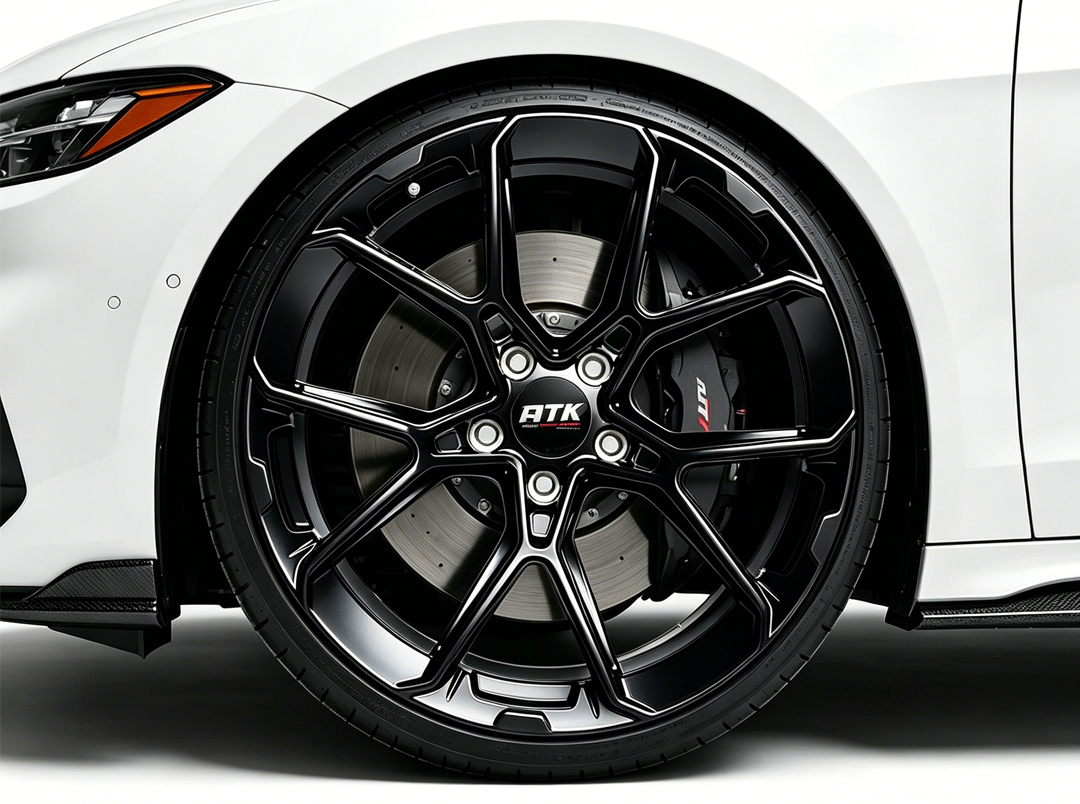
5.Materials Matter: The Anatomy of Premium Alloys
When choosing performance car wheels, the materials used play a crucial role in how the wheel manages heat, deflects stress, and holds up over time.
Forged Aluminum Alloys (6061-T6)
The gold standard for high-performance wheels is 6061-T6 aluminum. This aerospace-grade alloy is treated with heat to maximize its tensile strength. It offers an incredible strength-to-weight ratio, ensuring the wheel can withstand high-G cornering loads without flexing.
Magnesium Alloys
Used almost exclusively in professional motorsports and high-end supercars, magnesium wheels are even lighter than aluminum. However, they are incredibly expensive, prone to corrosion if the finish is damaged, and generally less practical for street use.
Carbon Fiber
The newest frontier in wheel technology involves full carbon fiber construction. Carbon fiber wheels offer unparalleled weight reduction, but their astronomical cost and vulnerability to potholes make them a rarity outside of track-only hypercars. For the vast majority of drivers, premium aluminum alloys offer the ultimate balance of cost, durability, and performance.
6.How Do Performance Wheels Improve the Driving Experience?
Changing your wheels transforms the entire dynamic character of your vehicle. It bridges the gap between driver input and machine execution.
[Stiffer, Lighter Performance Wheels]
        │
        ├──> Minimal Wheel Flex ──> Maximum Tire Grip ──> Higher Cornering Speeds
        └──> Reduced Rotational Mass ──> Faster Throttle & Braking Response
1. Enhanced Cornering Grip
Standard factory wheels can actually flex under intense lateral forces. When a wheel flexes, it alters the alignment of the tire, reducing the size of the contact patch. High-performance wheels are engineered to resist deflecting under load, keeping your tires completely flat against the pavement for maximum lateral grip.
2. Braking Stability and Cooling
Modern performance wheels often feature spoke designs optimized for aerodynamics and heat dissipation. The spokes act like fans, drawing cool air over the brake rotors and expelling hot air. This prevents brake fade during extended track sessions or heavy mountain descents.
3. Crisp, Direct Steering Feedback
Because there is less unsprung mass fighting against your steering rack, the dead zone in the center of your steering wheel disappears. You receive clear, unadulterated feedback about how much grip your front tires have left, allowing you to drive with complete confidence.
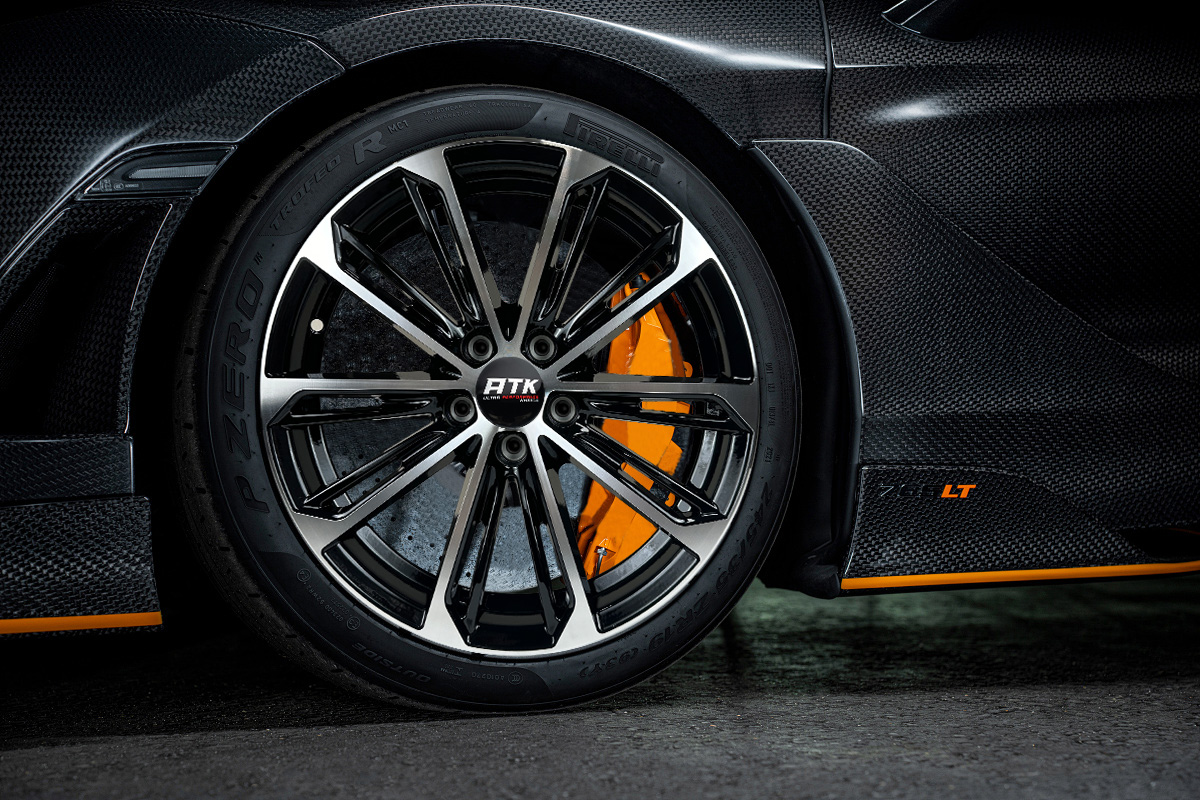
7.Maintenance and Care for High-Performance Wheels
Investing in premium wheels means you need to look after them correctly to preserve both their structural integrity and pristine finish.
-
Avoid Harsh Chemicals: Never use acid-based cleaners or abrasive brushes on performance wheels. These can strip away the clear coat or damage anodized finishes. Use a dedicated, pH-balanced wheel cleaner and a soft microfiber wash mitt.
-
Watch Out for Brake Dust: High-performance brake pads emit aggressive metallic dust that can bake into your wheel’s finish if left unchecked. Wash your wheels regularly, and consider applying a high-quality ceramic coating to make cleaning effortless.
-
Torque to Spec: Always use a calibrated torque wrench to tighten your lug nuts to the manufacturer’s exact specifications. Using an impact gun can warp the wheel hub, stretch the studs, or crack the finish around the lug seats.
Frequently Asked Questions(FAQ)
1.What are performance car wheels?
Performance car wheels are specially designed aftermarket wheels that improve handling, braking response, acceleration, and driving stability through optimized weight, strength, and structural design.
2.Are lightweight wheels better for performance cars?
Yes. Lightweight wheels drastically reduce unsprung weight and rotational mass. This directly enhances steering quickness, suspension tracking, throttle response, and overall fuel efficiency.
3.What size wheels are best for a performance car?
The best size depends heavily on your vehicle model and application. Proper fitment—ensuring correct diameter, width, offset, and hub clearance—is far more vital than simply choosing the largest size available.
4.What materials are used for high-performance car wheels?
High-performance wheels are primarily crafted from forged aluminum, flow-formed aluminum, and specialized alloy materials. Forged 6061-T6 aluminum delivers the highest strength with the lowest possible weight.
5.How do performance wheels improve the driving experience?
Performance wheels enhance cornering grip by resisting flex under load, improve braking stability by aiding heat dissipation, and maximize steering precision by reducing the gyroscopic resistance of the front hubs.
Upgrade Your Ride Today
Your vehicle is capable of incredible things, but it can only perform as well as the equipment it stands on. Upgrading to a premium set of performance car wheels eliminates the weak link in your chassis setup, giving you sharper turn-in, faster acceleration, and a commanding look on the road.
Ready to completely transform your driving experience? Explore the precision-engineered collection at ATK Wheels and find the perfect match for your vehicle’s specifications today.