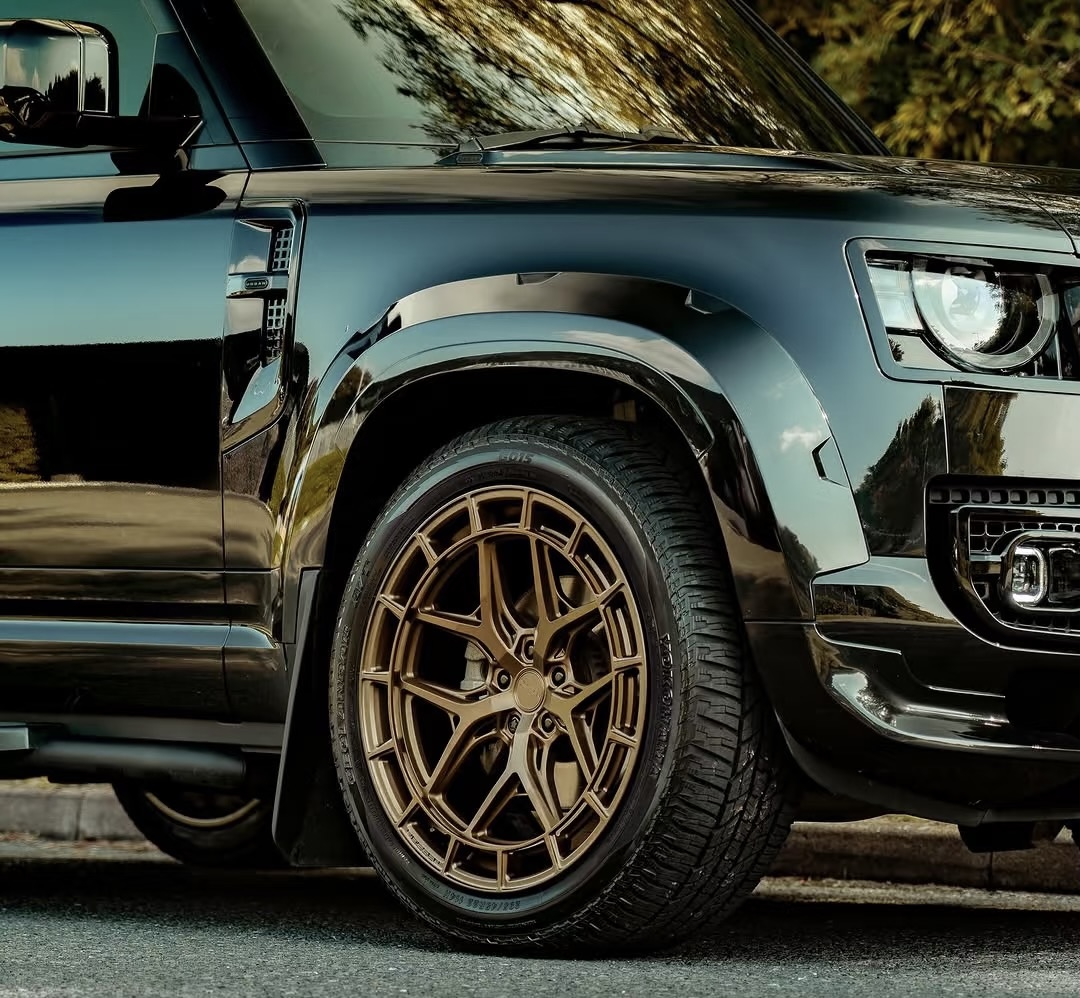
Race Wheels: The Key to Better Performance, Control, and Racing Confidence
Race Wheels: The Key to Better Performance, Control, and Racing Confidence
Whether you are aiming to shave tenths of a second off your lap time at Laguna Seca or trying to climb the competitive ladder in iRacing, one component dictates your success more than almost any other: your race wheels.
The term “race wheels” bridges two massive automotive passions—real-world track racing and high-fidelity simulator racing (sim racing). While one demands high-strength metallurgy to survive aggressive curbing, the other requires precise ergonomics and force feedback fidelity to communicate traction limits to your hands.
This comprehensive deep dive breaks down everything you need to know about selecting, fitting, and maximizing race wheels for both the tarmac and the digital grid.
1.What is a Race Wheel? Understanding the Two Worlds
Before diving into offsets, bolt patterns, and force feedback protocols, it is essential to clarify the two distinct categories of race wheels.
                                  [ RACE WHEELS ]
                                         |
                +------------------------+------------------------+
                |                                                 |
       [ REAL-WORLD TRACK ]                                [ SIM RACING ]
                |                                                 |
   • Forged & Flow-Formed Alloys                    • Direct Drive Wheel Rims
   • Structural Integrity                           • Ergonomics & Buttons
   • Unsprung Weight Reduction                      • Force Feedback Fidelity
1. Real-World Track Wheels
In physical motorsport, race wheels are the critical link between your suspension and your tires. They must be incredibly lightweight to reduce unsprung mass, yet strong enough to endure immense lateral g-forces, hard braking heat, and track imperfections.
2. Sim Racing Wheels
In the virtual racing space, the “wheel” refers to the steering wheel rim attached to a motorized base (usually Direct Drive). These wheels replicate the ergonomics, button layouts, and tactile feel of real race cars, translating digital physics into physical sensations.

2.Real-World Race Wheels: Engineering for Speed and Strength
When shopping for physical motorsport wheels, ignoring engineering metrics can result in catastrophic failure at high speeds. Let’s look at what makes a wheel truly track-ready.
Manufacturing Processes: Cast vs. Flow-Formed vs. Forged
How a wheel is made dictates how it behaves under stress. For racing applications, the manufacturing method is non-negotiable.
-
Cast Wheels: Created by pouring molten aluminum into a mold. While inexpensive and fine for daily driving, they are porous and brittle. Under heavy track abuse, cast wheels can crack or fail completely. Avoid standard cast wheels for competitive track use.
-
Flow-Formed Wheels (Rotary Forged): A hybrid process where a cast wheel blank is spun and heated while hydraulic rollers stretch and compress the aluminum barrel. This alters the molecular structure, increasing tensile strength and reducing weight. Flow-formed wheels offer an exceptional balance of performance and affordability for track days.
-
Forged Wheels: The pinnacle of race wheel technology. A solid billet of aerospace-grade aluminum is subjected to immense pressure, forging the wheel into shape. This creates an incredibly dense, ultra-lightweight, and structurally superior wheel. Forged wheels bend rather than shatter under extreme impacts, providing an extra layer of safety.
Performance Breakdown: Wheel Types Compared
| Feature | Cast Wheels | Flow-Formed Wheels | Forged Wheels |
|---|---|---|---|
| Weight | Heavy | Lightweight | Ultra-Lightweight |
| Structural Strength | Low to Medium | High | Maximum |
| Failure Mode | Brittle (Cracks/Shatters) | Ductile (Bends under high stress) | Highly Ductile (Absorbs impact safely) |
| Price Point | Budget-Friendly | Mid-Tier (Best Value) | Premium / High-End |
| Best Used For | Daily Commuting | Weekend Track Days / Autocross | Professional Wheel-to-Wheel Racing |
3.What Size Rims Are Better for Racing?
A common misconception among track novices is that bigger is always better. In reality, oversized wheels increase rotational inertia, making your vehicle slower to accelerate and harder to stop.
The Sweet Spot for Wheel Size
To maximize track performance, choose the smallest diameter wheel that will safely clear your brake calipers. For example, if your big brake kit clears an 18-inch wheel, do not step up to a 19-inch wheel just for aesthetics. A smaller diameter keeps the weight closer to the center hub, reducing rotational mass.
Optimizing Track Width and Tire Fitment
A slightly wider wheel within your tire’s specification improves steering response without hurting grip. When the wheel width matches the tire tread width perfectly, the tire sidewall remains taut, reducing sidewall flex during hard cornering.
-
9-inch Wheels: Pair best with 245–255mm tires.
-
9.5 to 10-inch Wheels: Perfect for 265–275mm tires.
-
10.5+ inch Wheels: Reserved for widebody setups and 285mm+ track rubber.
Featured Snippet Optimization:
What size rims are better for racing? A slightly wider wheel within manufacturer specifications improves steering response and contact patch stability without hurting grip. For optimal track performance, a 9-inch wheel works best with 245–255mm tires, while a 9.5–10 inch wheel perfectly suits 265–275mm tires. Always choose the smallest wheel diameter that clears your brakes to minimize rotational inertia.

4.What to Avoid When Buying Race Rims
Buying the wrong wheels can result in poor handling, mechanical damage, or dangerous failures on the track. Avoid these critical mistakes:
-
Ignoring Precise Fitment Specs: Never rely on guesswork. You must know your vehicle’s exact bolt pattern, center bore, and offset (ET). An incorrect offset can cause the wheel to rub against your suspension struts or poke past the fenders, destroying your tires.
-
Skipping Professional Load Ratings: Race wheels are subjected to extreme load transfers. Ensure the wheels you purchase are certified by recognized testing bodies like JWL, VIA, or TUV.
-
Buying Used Rims Without Inspection: Second-hand track wheels may look pristine on the surface but can contain hidden structural hairline cracks or micro-bends from hitting track curbs. If buying used, always have them spun on a wheel balancer at a professional shop first.
-
Using Improper Lug Nuts/Bolts: Match the seat types of your hardware to the wheel. Putting a conical seat lug nut into a ball seat wheel hole prevents proper torque distribution, causing the wheel to back off at speed.
5.Managing Tire Wear on the Track
When you run high-performance race wheels, managing your tires becomes an art form. A frequent question among track enthusiasts is: Which tire wears out fastest?
On most track-driven vehicles, the front tires wear out significantly faster than the rear tires.
Why Front Tires Bear the Brunt of Abuse
-
Steering Direction: Front tires experience heavy lateral scrubbing as they force the vehicle to change direction.
-
Braking Force: Under heavy deceleration, weight shifts forward. The front tires handle roughly 60% to 70% of the vehicle’s total braking force.
-
Engine Weight: In front-engine configurations, the front tires constantly support the heaviest component of the car.
How to Mitigate Uneven Wear
-
Run a Square Setup: Using the exact same wheel and tire dimensions on all four corners allows you to rotate your tires front-to-back after every track weekend, drastically extending their lifespan.
-
Adjust Dynamic Alignment: Increase negative camber (typically between -2.0° and -3.5° for track use) to prevent the outer shoulder of the front tires from wearing down prematurely during hard cornering.
6.Sim Racing Wheels: Choosing Your Digital Command Center
If your racing happens on a screen rather than a physical track, your choice of race wheel operates on a completely different set of metrics. Instead of metallurgical strength, you are looking for ergonomics, material durability, and input fidelity.
                      [ SIM RACING WHEEL TYPES ]
                                   |
         +-------------------------+-------------------------+
         |                                                   |
  [ FORMULA / OPEN WHEEL ]                             [ GT / ROUND WHEEL ]
         |                                                   |
  • 270mm - 300mm Diameter                            • 300mm - 330mm Diameter
  • Rectangular Style                                 • Classic Circle or D-Shape
  • Rapid, Small Steering Inputs                      • Ideal for Drifting, Rally, GT
Wheel Styles: Matching Your Discipline
-
Formula / Open-Wheel Rims: These are compact (usually 270mm to 300mm in diameter) and rectangular. They are designed for lightning-fast steering inputs where you rarely need to take your hands off the 9-and-3 o’clock positions.
-
GT / Round Rims: Usually 300mm to 330mm in diameter, these classic circular or D-shaped wheels are essential for disciplines requiring significant wheel rotation, such as rally racing, drifting, or touring car classes.
Crucial Features for High-End Sim Wheels
-
Magnetic Paddle Shifters: Provide a crisp, mechanical snap when shifting gears, ensuring you never accidentally pull a double-shift.
-
Dual-Clutch Paddles: Allow you to map a precise bite point for flawless race starts off the grid.
-
Telemetry Displays & LED Rev Lights: Keep your eyes centered on the road by providing real-time data like speed, gear selection, and tire temperatures directly on the wheel rim.

7.Are Race Wheels Worth It? The Mechanical and Mental Edge
Whether in real life or virtual simulators, upgrading to dedicated race wheels requires a financial investment. Are they truly worth it?
The Mechanical Reality
Upgrading your physical wheels drops unsprung weight, which sharpens steering inputs, improves suspension dampening recovery, and allows for quicker acceleration. In sim racing, a lighter, stiffer wheel rim transfers the intricate details of a Direct Drive motor’s force feedback directly to your hands without dampening the signal.
The Psychological Phenomenon
Sometimes, the value isn’t just mechanical—it’s mental. Strapping into a cockpit with high-end racing wheels creates an undeniable psychological shift. It makes you feel faster, more confident, and more dialed into the experience.
This boost in confidence translates into greater focus, cleaner racing lines, and a stronger motivation to practice. Even if the pure mechanical speed difference is modest, the heightened psychological engagement consistently yields better performance over time.
Frequently Asked Questions (FAQ)
1.Can I use race wheels on my daily driver?
Yes, provided they are street-legal, carry proper load certifications (like JWL/VIA), and maintain an offset that does not cause tire rubbing. However, ultra-lightweight forged race wheels have less material to absorb potholes, meaning you risk damaging expensive wheels on public roads.
2.What does “wheel offset” mean and why does it matter?
Wheel offset (measured in millimeters and noted as ET) is the distance from the wheel’s mounting centerline to its true hub mounting surface. Incorrect offset can cause your race wheels to hit suspension components or rub against fender lips, both of which are highly dangerous at high speeds.
3.How often should I inspect my track wheels?
You should inspect your race wheels before and after every track event. Clean away brake dust and look closely for any signs of hairline cracks, especially around the spokes and bolt holes. Check your lug nut torque specifications after every track session once the wheels have cooled down.
4.Why do sim racing wheels use carbon fiber?
Sim racing wheels utilize carbon fiber faces and plates because it provides incredible structural rigidity without adding unnecessary weight. A heavy wheel rim dampens the intricate force feedback details generated by a direct drive motor base.
Elevate Your Racing Grid Tonight
The right set of race wheels changes your entire relationship with your vehicle—whether that vehicle is a physical track car or a highly realistic digital simulation. By prioritizing correct fitment, investing in quality manufacturing, and understanding the physical forces at play, you unlock hidden performance and gain the confidence required to push your limits.
Ready to transform your driving dynamics? Explore our premium selection of track-tested and simulator-optimized race wheels today, and find the perfect match for your vehicle setup.