Rims and Wheels: Everything You Need to Know Before Making a Smart Choice
Rims and Wheels: Everything You Need to Know Before Making a Smart Choice
Choosing the right look and performance upgrades for your car or truck can feel like a maze. If you are looking to upgrade your ride, you have likely come across a common automotive debate: Are rims and wheels the same thing?
While everyday drivers often use these terms interchangeably, automotive purists, engineers, and tire experts will tell you a different story.
Whether you are looking for sleek structural upgrades for a muscle car or rugged off-road performance for your truck, this comprehensive breakdown clears up the confusion. We analyze the technical differences, explore materials like alloy versus forged steel, and show you exactly how to pick the perfect setup.
1.What is the Difference Between Rims and Wheels?
To the average driver, buying a new set of “rims” means buying the shiny metal circles that make a car look incredible. However, if you talk to a mechanic or an engineer, using those terms interchangeably is technically incorrect.
Here is the quick breakdown to keep you informed:
-
The Wheel: This is the entire rotating metal assembly that bolts directly to the axle hub. It includes the center bore, the spokes, the plate, and the rim.
-
The Rim: This is specifically the outer edge or “lip” of the wheel assembly. Its primary job is to provide a secure structure where the rubber tire can be mounted and sealed.
+--------------------------------------------------+
|                   THE WHEEL                      |
|  (The complete metal structure bolted to axle)   |
|                                                  |
|   +------------------------------------------+   |
|   |                 THE RIM                  |   |
|   |       (The outer edge / barrel lip)      |   |
|   |                                          |   |
|   |   [ Tire Mounts & Seals Here ]          |   |
|   +------------------------------------------+   |
+--------------------------------------------------+
Why Do People Call Wheels “Rims” Now?
Language evolves, and car culture is no exception. Over the last few decades, hip-hop culture, automotive movies, and aftermarket styling shops popularized the word “rims” to describe custom, high-end wheels.
Today, if you walk into a custom shop and ask for “new rims,” the salesperson knows exactly what you want: a complete set of new custom wheels. While “wheels” remains the correct engineering term, “rims” has become universally accepted slang across the United States.
2.Anatomy of a Modern Wheel Assembly
To understand how a car handles, stops, and accelerates, it helps to understand the engineering of a wheel. A standard automotive wheel consists of several highly engineered components working together.
1. The Rim Barrel and Lip
The outer barrel determines the width and diameter of the wheel. The outer lip prevents the tire from slipping off during hard cornering or sudden braking.
2. The Center Bore and Bolt Pattern
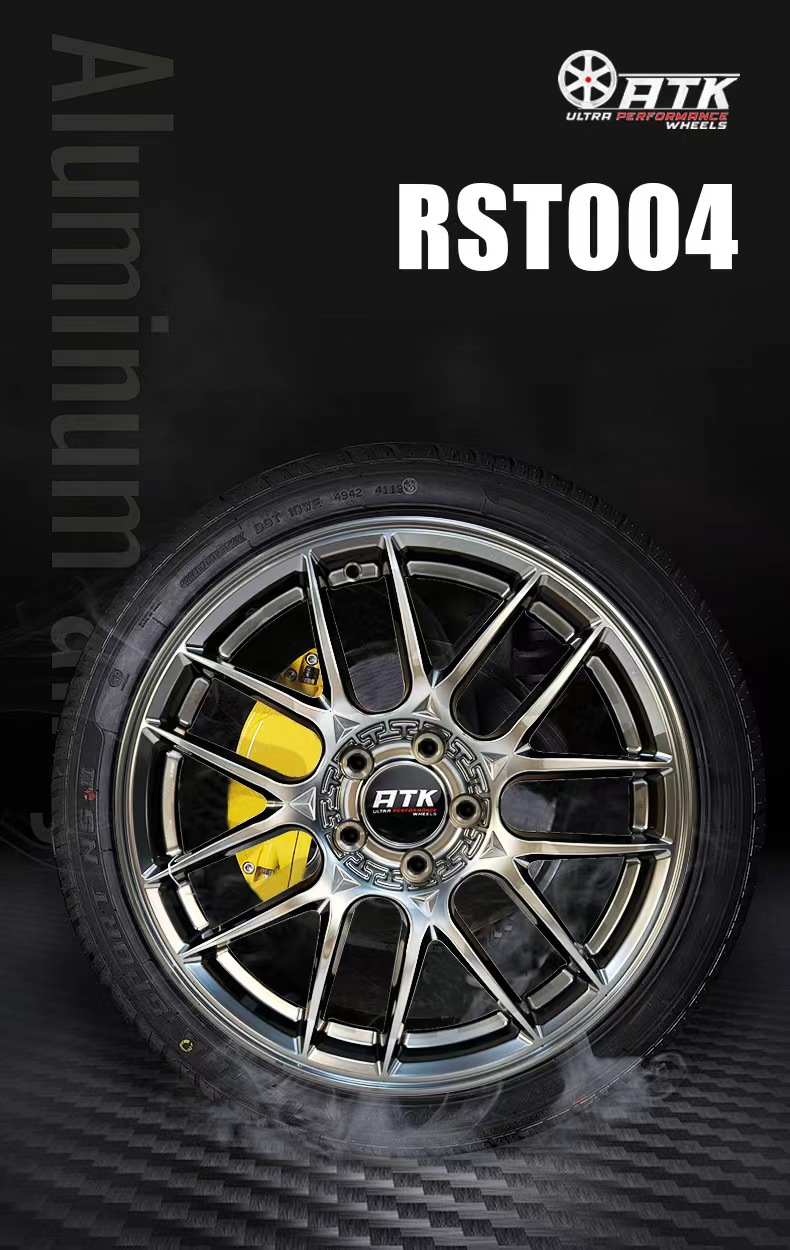
The center bore is the machined hole on the back of the wheel that centers it perfectly onto the hub. Surrounding this hole are the lug holes, which form the bolt pattern (e.g., or ). This pattern must match your exact factory specifications to bolt on safely.
3. Spokes and the Wheel Face
Spokes connect the central hub to the outer rim. They dictate the structural integrity and load capacity of the wheel while providing the visual styling. They also facilitate airflow to cool your brakes during heavy driving.
4. Wheel Offset and Backspacing
Offset determines how far inward or outward the wheel sits relative to the fender.
-
Positive Offset: The mounting surface is closer to the street side, pushing the wheel inward toward the suspension.
-
Negative Offset: The mounting surface is closer to the brakes, pushing the wheel outward for a wide, aggressive stance.
3.Wheel Types and Manufacturing Processes
How a wheel is made directly impacts its strength, weight, price, and durability. When upgrading your setup, you will primarily choose between three core manufacturing styles.
Cast Aluminum Wheels
Casting is the most common and cost-effective way to build a wheel. Molten aluminum is poured or vacuum-sucked into a mold shaped like the wheel. While highly customizable and affordable, cast wheels are more porous, meaning they require more material to achieve necessary strength, making them heavier.
Flow-Formed Wheels
Flow forming begins with a specialized cast wheel precursor. The inner barrel is then spun, heated, and hydraulically stretched. This process changes the molecular structure of the aluminum, making the outer barrel significantly thinner, lighter, and stronger than a standard cast wheel. It offers a great balance of performance and affordability.
Forged Wheels
Forging represents the absolute pinnacle of wheel manufacturing. A solid block of aerospace-grade aluminum is subjected to extreme heat and immense pressure, crushing the metal into shape. This produces an exceptionally dense grain structure. Forged wheels are incredibly light and structurally robust, though they come at a premium price point.
If you are replacing a damaged parts or prepping your truck for a rough winter, choosing between traditional steel and modern aluminum alloy is your first major decision.
Steel Wheels: The Heavy-Duty Workhorses
Steel wheels are pressed from sheets of steel and welded together. They lack complex styling options, but they are incredibly tough. If you hit a deep pothole in the winter, a steel wheel will bend rather than crack. That means it can often be hammered back into shape. They are ideal for winter tires, utility work, and severe off-roading.
Alloy Wheels: The Performance and Style Standard
Alloy wheels are made from a blend of aluminum and other light metals. They dominate the modern market because they offer a clean look and reduced unsprung weight. Lighter wheels mean your suspension responds faster to bumps, your steering feels sharper, and you require less energy to accelerate and stop.
5.What Do Car Enthusiasts Call Rims?
Step into a local cars-and-coffee meet or scroll through automotive forums, and you will quickly realize that “car guys” use specific terms based on styling and subcultures.
-
“Wheels”: Used by track racers, autocross drivers, and performance purists who prioritize weight metrics and lap times.
-
“Shoes” or “Rollers”: Casual street slang used when a car gets a fresh look (e.g., “Just threw some new shoes on the daily”).
-
“Dishes” or “Deep Dish”: Refers to wheels with a massive negative offset or an extra-wide outer lip, a popular look in VIP luxury styling and drifting subcultures.
-
“OEMs” vs. “Replicas”: OEM (Original Equipment Manufacturer) configurations come stock from the factory. Replica wheels are non-OEM products crafted by third-party manufacturers to mirror factory designs at a lower price point.
6.How to Choose the Perfect Set
Upgrading your wheels is an investment that changes both the aesthetics and handling of your ride. Before checking out, make sure to verify these critical factors:
CHECKLIST FOR CUSTOM WHEEL BUYING:
[1] Bolt Pattern (Must perfectly match your hub layout)
[2] Hubcentric vs. Lugcentric fitment (Use hub rings if needed)
[3] Caliper Clearance (Ensure spokes clear brake assemblies)
[4] Total Load Rating (Crucial for trucks towing heavy loads)
-
Match Your Bolt Pattern Exactly: A wheel will not fit a hub. Never try to force a mismatched bolt pattern onto a hub assembly.
-
Account for Brake Caliper Clearance: High-performance cars with large multi-piston brakes require specific spoke curvature to avoid scraping the calipers.
-
Check the Load Rating: If you drive a half-ton truck or a heavy EV, ensure the wheel’s load rating meets or exceeds your gross axle weight rating.
Frequently Asked Questions (FAQ)
1.Are wheels and rims the same thing?
No, they are technically different. The wheel is the complete metal structure that bolts onto the axle hub. The rim is only the outer edge or lip of that wheel where the tire bead sits and seals.
2.Why are rims called wheels now?
Actually, it is the other way around! “Wheels” is the correct historic term, but the word “rims” became popular slang in car culture and media over the last few decades. Today, both terms are used interchangeably in casual conversation.
3.What are fake rims called?
In the automotive industry, they are called replica wheels. These are non-OEM wheels designed by private, third-party manufacturers to look identical to high-end factory options or luxury brands at a fraction of the cost.
4.What happens if I choose the wrong wheel offset?
If your offset is too positive, the inside of the wheel or tire may rub against your suspension components or brake lines. If the offset is too negative, the tires will stick out past your fenders, which can cause rubbing against the body work during sharp turns or over bumps.
Ready to Transform Your Ride?
Upgrading your setup with a premium set of wheels completely changes its look, steering response, and performance. Ready to find the perfect fit for your car, truck, or SUV? Explore the extensive collection of precision-engineered options at ATK Wheels to discover high-quality styles designed to elevate your driving experience today.