What Does a Wheel Spacer Do for Wheels?
What Does a Wheel Spacer Do for Wheels?
Whether you want to give your truck a wider, more aggressive stance, clear a new set of high-performance brake calipers, or fit larger off-road tires without rubbing against your suspension components, you have likely come across a common automotive accessory: the wheel spacer.
Despite their popularity in the aftermarket car and truck communities, wheel spacers remain one of the most heavily debated modifications. Some enthusiasts swear by them for achieving the perfect flush look, while others warn of potential mechanical strain.
As a vehicle owner, it is essential to separate internet myths from engineering facts. This comprehensive guide breaks down exactly what wheel spacers do, explores the critical differences in design, addresses safety concerns, and helps you determine if they are the right choice for your vehicle.
At its core, a wheel spacer is a round metal disc—typically machined from high-grade billet aluminum—that fits directly between your vehicle’s wheel hub assembly and the wheel itself.
By acting as a secure shim, the spacer pushes the wheel further outward, away from the chassis. This adjustment changes the wheel’s effective offset, pushing the tire closer to the outer fender wall.
What Does a Wheel Spacer Do? (Quick Summary)
Wheel spacers physically slide onto a vehicle’s mounting studs to position the wheel further outward. Drivers primarily use them to:
Improve Stance: Push sunken wheels outward to sit flush with the fenders.
Create Clearance: Provide necessary space for oversized brake calipers, coilovers, or suspension links.
Prevent Rubbing: Stop wider aftermarket tires from rubbing against the inner fender liners during sharp turns.
The Key Benefits of Using Wheel Spacers
Drivers install spacers for a variety of functional and aesthetic reasons. Here is a closer look at the primary advantages:
1. Enhanced Visual Stance
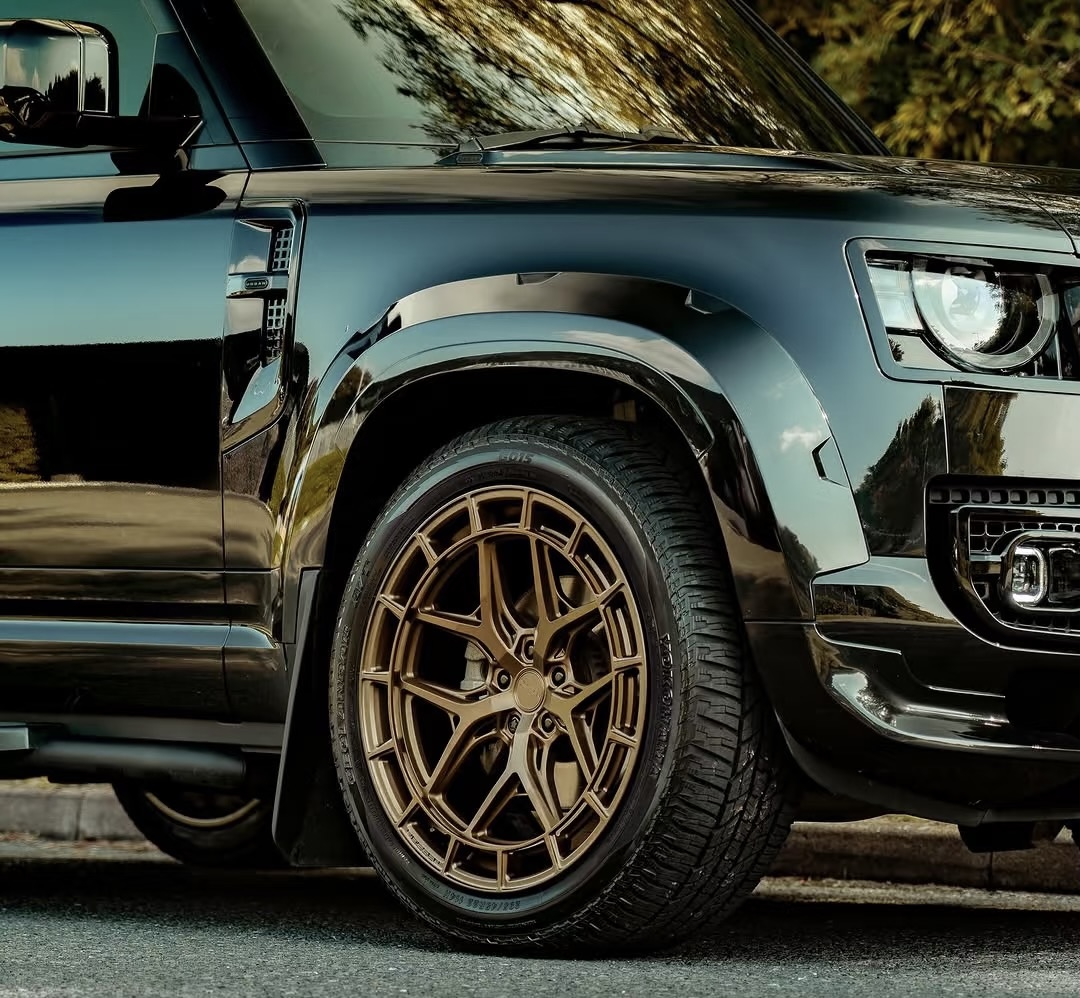
Many factory vehicles roll off the assembly line with wheels that sit tucked deep inside the fender wells. This conservative look satisfies generic manufacturing standards but often leaves car enthusiasts and truck owners wanting more. A precisely measured spacer pushes the wheel out to create a bold, flush, or wide-track stance that instantly transforms the vehicle’s profile.
2. Clearance for Aftermarket Upgrades
If you upgrade to high-performance, multi-piston brake calipers (often called big brake kits), you might find that your factory wheels no longer clear the face of the new caliper. Similarly, installing aftermarket coilovers or lifted suspension components can reduce inner clearance. A wheel spacer creates the exact amount of clearance required to keep your wheels spinning freely without striking vital components.
3. Elimination of Tire Rubbing
When fitting larger, more aggressive mud-terrain or all-terrain tires on a truck or SUV, the wider tread can rub against the frame rails or sway bars during full steering lock. Spacers alter the track width, moving the inner sidewall away from these obstacles to restore your vehicle’s full turning radius.
Hub-Centric vs. Lug-Centric Wheel Spacers
Not all spacers are created equal. When shopping for aftermarket hardware, you will encounter two primary engineering configurations: hub-centric and lug-centric. Understanding the difference is the single most important factor in ensuring a smooth, vibration-free ride.
Hub-Centric Spacers (The Gold Standard)
A hub-centric spacer features a precision-machined center bore that perfectly matches the diameter of your vehicle’s hub pilot. It also includes an integrated outer lip that mimics the factory hub structure.
In this setup, the vehicle’s weight rests entirely on the solid center hub, just as the factory engineers intended. The lug nuts or bolts simply serve to hold the wheel flat against the mounting surface. Hub-centric designs are highly recommended for daily drivers, heavy trucks, and track cars because they minimize the risk of high-speed steering wheel vibrations.
Lug-Centric Spacers (Universal Fits)
Lug-centric spacers are often generic, universal-fit discs with elongated slot holes designed to fit multiple vehicle bolt patterns. They do not have a center centering lip, meaning the wheel must be centered on the hub solely by the torque of the tapered lug nuts.
Because it is incredibly difficult to perfectly center a wheel using only the lugs, lug-centric spacers frequently cause minor misalignments, resulting in annoying vibrations at highway speeds.
Structural Comparison: Spacer Designs
| Feature | Hub-Centric Wheel Spacers | Lug-Centric / Universal Spacers |
|---|---|---|
| Weight Support | Supported fully by the vehicle's center hub pilot. | Supported entirely by the wheel studs/lugs. |
| Vibration Risk | Extremely low (when torqued correctly). | Moderate to high due to centering difficulties. |
| Fitment Type | Vehicle-specific (exact make/model matching). | Universal (fits multiple vehicle models). |
| Recommended Use | Daily driving, towing, off-roading, track use. | Light cosmetic adjustments, temporary fitments. |
Are Wheel Spacers Safe?
The short answer is yes, high-quality wheel spacers are perfectly safe for daily driving, provided they are hub-centric, properly sized, and installed using a calibrated torque wrench.
However, because spacers are a critical link between your vehicle and its tires, cutting corners can lead to serious mechanical problems. Let’s look at the actual risks and how to avoid them.
Potential Drawbacks and Risks
-
Accelerated Bearing Wear: Pushing a wheel further outward increases leverage on your vehicle’s wheel hubs. This extra leverage puts slightly more stress on your wheel bearings. While premium bearings handle this easily, worn or low-quality bearings may wear out faster than normal.
-
Altered Scrub Radius: Modifying your vehicle’s track width alters its factory suspension geometry, specifically the scrub radius. This can result in a slightly heavier steering feel or increased feedback through the steering wheel over bumps.
-
Vibration from Poor Installation: Skipping the cleaning process during installation or failing to torque the lug nuts in a proper star pattern can cause the spacer to sit unevenly, resulting in noticeable vibrations at high speeds.
The Golden Rule of Wheel Spacer Safety
Never use universal, cast-aluminum spacers bought purely based on price. Always opt for spacers machined from solid 6061-T6 billet aluminum, and ensure they feature a hub-centric lip tailored specifically to your vehicle’s center bore dimension.
Spacer Styles: Bolt-On vs. Slip-On
Depending on how thick of a spacer your vehicle requires, you will choose between two distinct application styles:
1. Slip-On Spacers (Thin)
Typically ranging from 3mm to 8mm in thickness, these are thin metal plates that slide directly over your existing factory wheel studs. Because they are thin, you can usually still mount your wheel safely on the remaining thread length.
-
Safety Check: You must ensure your lug nuts can still engage at least 6 to 8 full turns onto the stud to guarantee proper thread engagement. If they don’t, you must install extended thread (ET) lug nuts or longer wheel studs.
2. Bolt-On Spacers / Adapters (Thick)
Typically measuring 15mm (about 0.6 inches) to 2 inches thick, these units feature their own built-in wheel studs. You bolt the spacer directly to your factory hub using the provided low-profile lug nuts, and then bolt your wheel onto the spacer’s integrated studs.
-
Safety Check: If your factory studs protrude past the face of the spacer, your wheels must have recessed pockets on the back of the mounting pad to accommodate the protruding studs.
How to Measure for the Perfect Wheel Spacer Size
To avoid buying spacers that cause your tires to strike your outer fender lips, you need to measure your clearance precisely before ordering.
The Straightedge Measurement Method:
-
Park your vehicle on a flat, level surface.
-
Hang a plumb line (a string with a small weight attached) or hold a long, straight metal ruler flat against the outside edge of your upper fender opening.
-
Use a tape measure or caliper to measure the distance from the outermost point of your tire’s sidewall to the inside edge of the straightedge line.
-
This measurement represents the maximum spacer thickness you can install without your tires protruding past the fender line.
If your measurement is 20mm, selecting a 15mm spacer ensures a clean, aggressive look while retaining a safe amount of clearance for suspension travel.
Frequently Asked Questions (FAQ)
Will wheel spacers ruin my wheel bearings?
While wheel spacers do alter the leverage applied to the hub assembly, high-quality, properly fitted spacers do not suddenly “ruin” healthy bearings. The extra wear is minimal and comparable to installing aftermarket wheels with a lower, more aggressive offset.
Do I need an alignment after installing wheel spacers?
In most cases, installing spacers does not change your vehicle’s camber or toe alignment settings, as it simply slides outward on the existing hub axis. However, if you are changing your suspension height or fixing a severe tire-rubbing issue at the same time, getting a professional alignment is always a smart practice.
Can I use wheel spacers on a truck used for towing?
Yes, but you must use high-quality, heavy-duty hub-centric bolt-on spacers made from premium billet materials. Ensure that all hardware matches or exceeds your vehicle’s factory load ratings and that you re-torque all fasteners after the first 50 to 100 miles of driving.
What torque specification should I use for wheel spacers?
You should always torque the low-profile lug nuts holding the spacer to your hub to your vehicle’s factory specifications found in your owner’s manual. Never use an impact wrench to tighten the lugs on a spacer; always use a calibrated click-type manual torque wrench.
Dial in Your Vehicle’s Stance
Understanding how wheel spacers fit into your overall vehicle geometry allows you to make an informed, safe decision for your vehicle. Whether you need a subtle 5mm slip-on spacer to clear a new brake upgrade or a robust 1.5-inch bolt-on unit to give your vehicle a broad stance, choosing high-quality materials and precise fitment is paramount.
Are you pairing your upgrades with a brand-new set of rugged wheels? Explore our complete catalog of premium aftermarket designs at ATK Wheels to discover the perfect combination of style, structural integrity, and vehicle fitment for your next project!