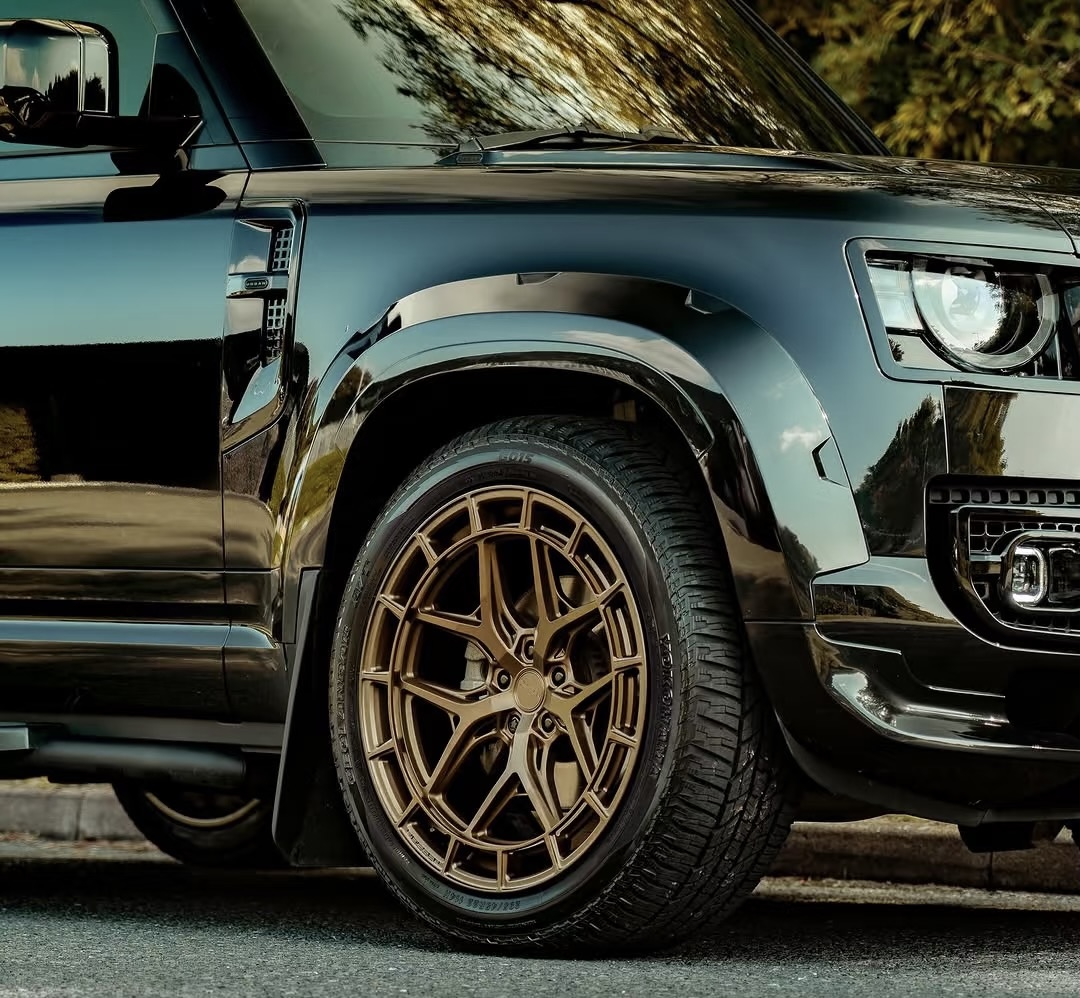
Understanding the Basics: Tires vs. Wheels
Understanding the Basics: Tires vs. Wheels
Every driver faces that inevitable moment: you’re staring at your vehicle, noticing the tread is wearing thin, or maybe you’re just tired of that stock, uninspired look. You know you need an upgrade, but a common question stops you in your tracks: Do I need tires and wheels, or just tires?
Navigating the world of automotive rubber and metal can feel overwhelming. With endless specifications, offset calculations, and seasonal demands, making the wrong choice can impact your ride quality, safety, and wallet.
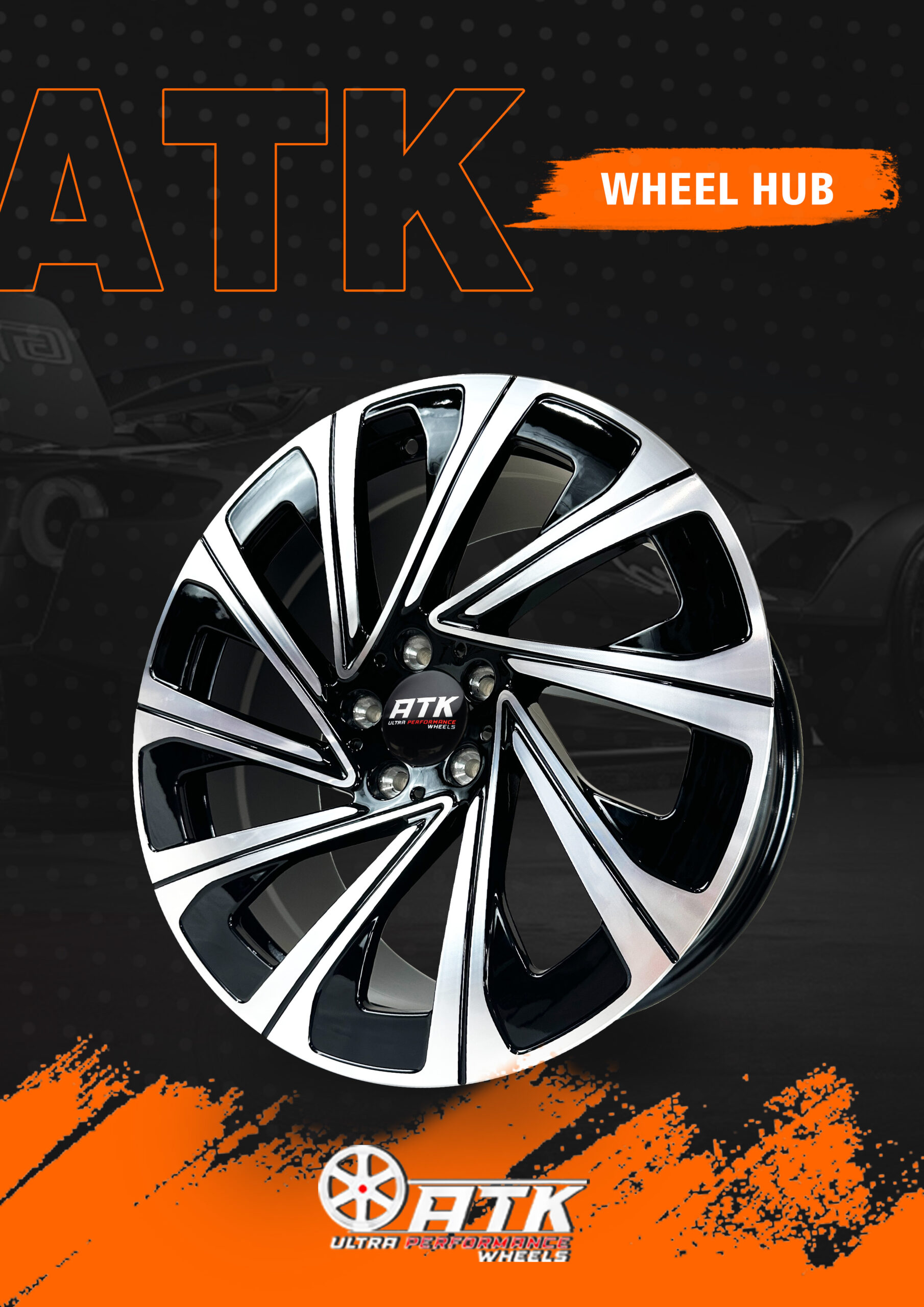
This comprehensive guide breaks down everything you need to know about tires and wheels, helping you make an informed decision for your vehicle, driving style, and budget.
Before diving into upgrades and maintenance, let’s clear up a common linguistic confusion that puzzles many drivers.
Why Are Wheels Called Tires Sometimes?
In casual conversation, people often use the words “wheel” and “tire” interchangeably, but they are entirely different components. Interestingly, the linguistic history explains why.
In North America, the word “tire” is actually a succinct descendant of “attire,” a traditional term signifying equipment, dress, or covering. In the late 15th century, the wheels of early carriages were fitted with protective iron plates. This protective metal “dress” was called the wheel’s attire, which eventually evolved into the modern word “tire.”
Today, the distinction is clear-cut:
-
The Wheel (or Rim): The rigid, cylindrical metal structure (usually made of steel or aluminum alloy) that bolts to your vehicle’s axle.
-
The Tire: The flexible rubber ring filled with compressed air that mounts onto the wheel, providing traction, cushioning, and braking grip.
The Big Dilemma: Do I Need Tires and Wheels, or Just Tires?
If your vehicle needs service, how do you decide whether to buy a complete package or just swap the rubber?
When You Only Need New Tires
If your current rims are structurally sound, free of heavy corrosion, and you are completely satisfied with how your vehicle looks and handles, you only need to replace the tires. This is the standard procedure when your tread wears down to $2/32$ of an inch or when your tires reach the end of their chronological lifespan.
When You Should Buy a Tires and Wheels Package
Opting for a complete tire and wheel package makes sense in several scenarios:
-
Structural Damage: If your rims are bent, cracked, or severely corroded, they can cause air leaks and dangerous vibrations. They must be replaced.
-
Upsizing or Downsizing: If you want to change your tire size (e.g., moving from a 17-inch to a 19-inch setup for better handling and aesthetics), you must buy matching wheels.
-
Seasonal Swapping: Many drivers in snowy regions keep a dedicated set of winter tires mounted on affordable steel wheels, saving their premium alloy wheels and summer tires for the warmer months. This prevents damage from road salt and saves money on mounting fees twice a year.
Comparing Wheel Materials: Alloy vs. Steel
Choosing the right wheel material impacts your vehicle’s performance, fuel efficiency, and appearance. Here is how the two dominant types stack up:
| Feature | Alloy Wheels (Aluminum) | Steel Wheels |
|---|---|---|
| Weight | Lightweight (improves fuel economy and handling) | Heavy (can slightly lower MPG but adds winter traction) |
| Appearance | Highly customizable, sleek, premium looks | Basic, utilitarian, often requires hubcaps |
| Durability | Can crack or bend under extreme, high-speed impacts | Highly malleable; bends rather than cracks, easy to repair |
| Cost | Higher price point | Budget-friendly |
| Best For | Daily driving, performance cars, aesthetics | Winter driving, work trucks, budget builds |
How Long Do Tires Last? (Even Without Driving)
A common misconception among vehicle owners is that if a vehicle isn’t driven, the tires remain “brand new.” This is a dangerous myth.
The Golden Rule of Tire Aging: Even when kept in storage or parked in a garage, tires only last between 6 and 10 years.
Why Do Idle Tires Degrade?
Rubber is an organic compound. Over time, it undergoes a chemical process called oxidation. As rubber is exposed to oxygen, UV rays, and temperature fluctuations, it loses its elasticity and becomes brittle. This leads to dry rot, structural cracking, and an increased risk of catastrophic blowout at highway speeds—even if the tread looks completely untouched.
How to Check Your Tire’s True Age
To find out exactly when your tires were manufactured, look at the sidewall for the DOT (Department of Transportation) safety code.
-
Find the string of characters starting with “DOT”.
-
Look at the last four digits of this code.
-
The first two digits represent the week of manufacture, and the last two digits represent the year.
-
Example: A code ending in 2422 means the tire was manufactured in the 24th week of 2022.
Do You Need to Replace Rims When Replacing Tires?
Not necessarily. You can absolutely reuse your existing rims as long as they are structurally sound, round, and compatible with the specifications of your new tires.
However, during a tire change, a professional technician should always inspect your wheels for:
-
Bead Seat Corrosion: Rust or scale buildup where the tire meets the rim can prevent a proper seal, leading to chronic slow leaks.
-
Hairline Cracks: Often found on the inner barrel of low-profile alloy wheels after hitting severe potholes.
-
Lateral or Radial Runout: Visible wobbling when the wheel spins on a balancing machine, indicating a bent rim.
If any of these issues are present, replacing the rim is essential for your safety.
How to Choose the Right Setup for Your Vehicle
When shopping for a fresh set of tires and wheels, you need to match your vehicle’s mechanical requirements with your driving environment.
1. Decoding Tire Specifications
When looking at a tire sidewall (e.g., P215/65R17 95H), here is what the numbers mean:
-
215: The width of the tire in millimeters from sidewall to sidewall.
-
65: The aspect ratio. The height of the sidewall is 65% of the tire’s width.
-
R: Radial construction (the industry standard).
-
17: The diameter of the wheel rim in inches that this tire is designed to fit.
2. Understanding Wheel Fitment
You cannot just bolt any wheel onto your car. You must verify:
-
Bolt Pattern: The number of bolt holes and the distance between them (e.g., $5 \times 114.3\text{ mm}$).
-
Offset: How far the mounting surface is from the true centerline of the wheel. Incorrect offset can cause tires to rub against your suspension components or fenders.
-
Center Bore: The central hole on the back of the wheel that fits over the car’s hub.
Pro Tips for Extending the Lifespan of Your Investment
Once you have installed your new tires and wheels, routine maintenance will maximize your return on investment:
-
Check Inflation Monthly: Under-inflated tires create excess heat and wear down the outer shoulders prematurely. Over-inflation wears out the center tread and creates a harsh ride.
-
Rotate Every 5,000 to 7,500 Miles: Front and rear tires experience different steering and braking forces. Regular rotation ensures even tread wear across all four tires.
-
Get an Alignment Checklist: If your vehicle pulls to one side or your steering wheel is off-center, your alignment is out. Misalignment can destroy a brand-new set of tires in a matter of months.
Frequently Asked Questions (FAQ)
Can I put wider tires on my factory wheels?
Yes, within a limited range. Every wheel width has a minimum and maximum safe tire width range specified by tire manufacturers. Going too wide creates a “bulging” sidewall that compromises handling and safety.
What happens if I drive on bent wheels?
Driving on a bent wheel causes vibrations that can damage your wheel bearings, suspension components, and steering system over time. It also prevents the tire from making consistent contact with the road, reducing traction.
Should I replace all four tires at the same time?
For All-Wheel Drive (AWD) and four-wheel-drive (4WD) vehicles, yes. Differing tire diameters on an AWD system can strain and damage the center differential. For front-wheel or rear-wheel-drive vehicles, you can replace them in pairs (always put the newest tires on the rear axle for wet-weather stability).
How does wheel weight affect performance?
Lighter wheels reduce your vehicle’s unsprung mass. This allows your suspension to react faster to bumps, improves steering responsiveness, reduces braking distances, and can slightly boost fuel economy.
Upgrade Your Ride with Confidence
Your tires and wheels are the only components connecting your vehicle to the pavement. Investing in high-quality options isn’t just about turning heads on the road—it’s about protecting yourself, your passengers, and your vehicle’s performance.
Whether you need a quick replacement for a worn-out daily driver or want to customize your truck with a premium aftermarket look, starting with the right information ensures you won’t waste time or money.
Ready to transform your vehicle’s stance and performance? Explore premium setups, exact-fit fitment guides, and high-quality options at ATK Wheels to find the perfect match for your ride today.