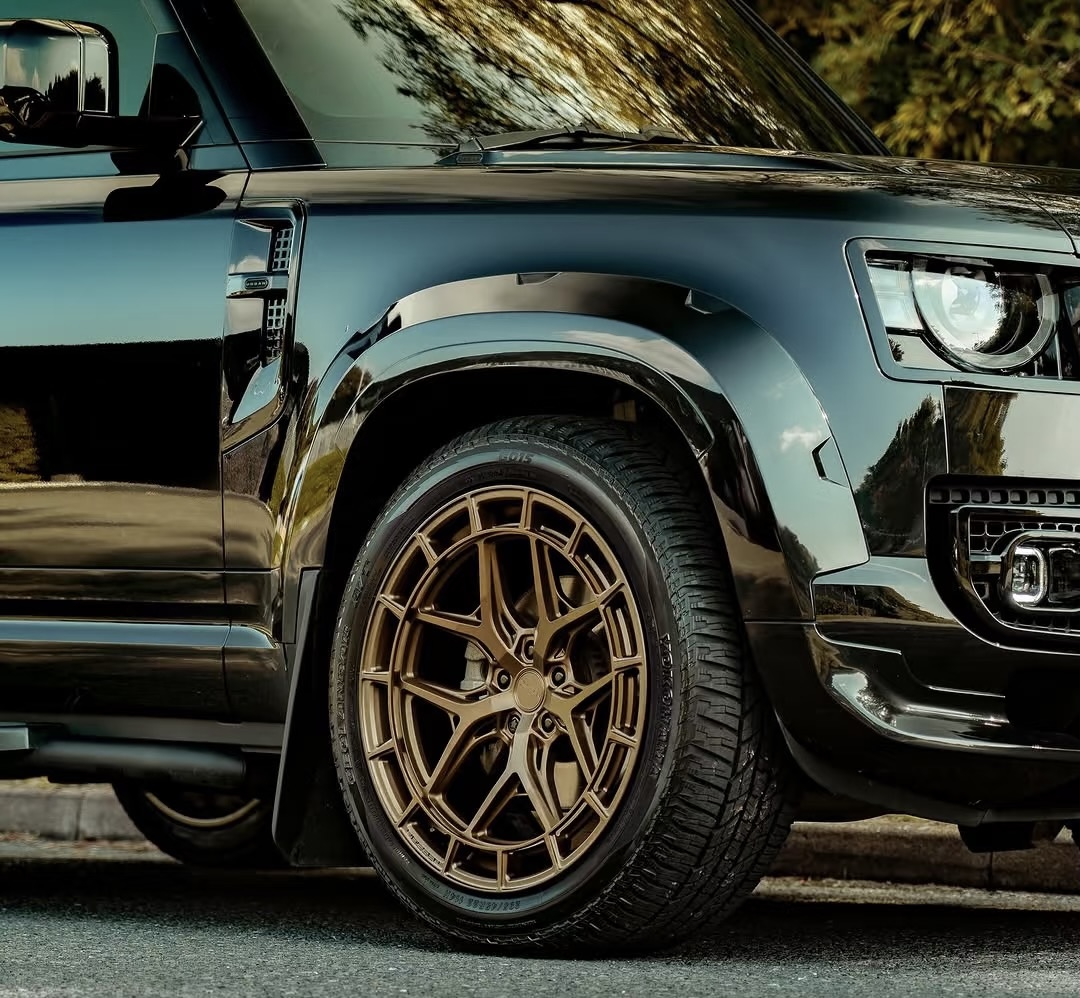
Monoblock Wheels: Everything You Need to Know Before Buying
Monoblock Wheels: Everything You Need to Know Before Buying
If you are looking to upgrade your vehicle’s performance, aesthetics, and handling, changing your factory rims is one of the most impactful modifications you can make. But as you dive into the world of high-end aftermarket setups, you will quickly encounter technical jargon like forged, multi-piece, cast, and monoblock wheels.
For automotive enthusiasts, track day drivers, and luxury car owners, monoblock wheels are often praised as the absolute pinnacle of wheel engineering. But what exactly makes a one-piece wheel so special, and is it the right choice for your specific vehicle and driving style?
In this comprehensive guide, we will break down everything you need to know about monoblock wheels, how they compare to multi-piece alternatives, and why they have become the gold standard in modern wheel design.
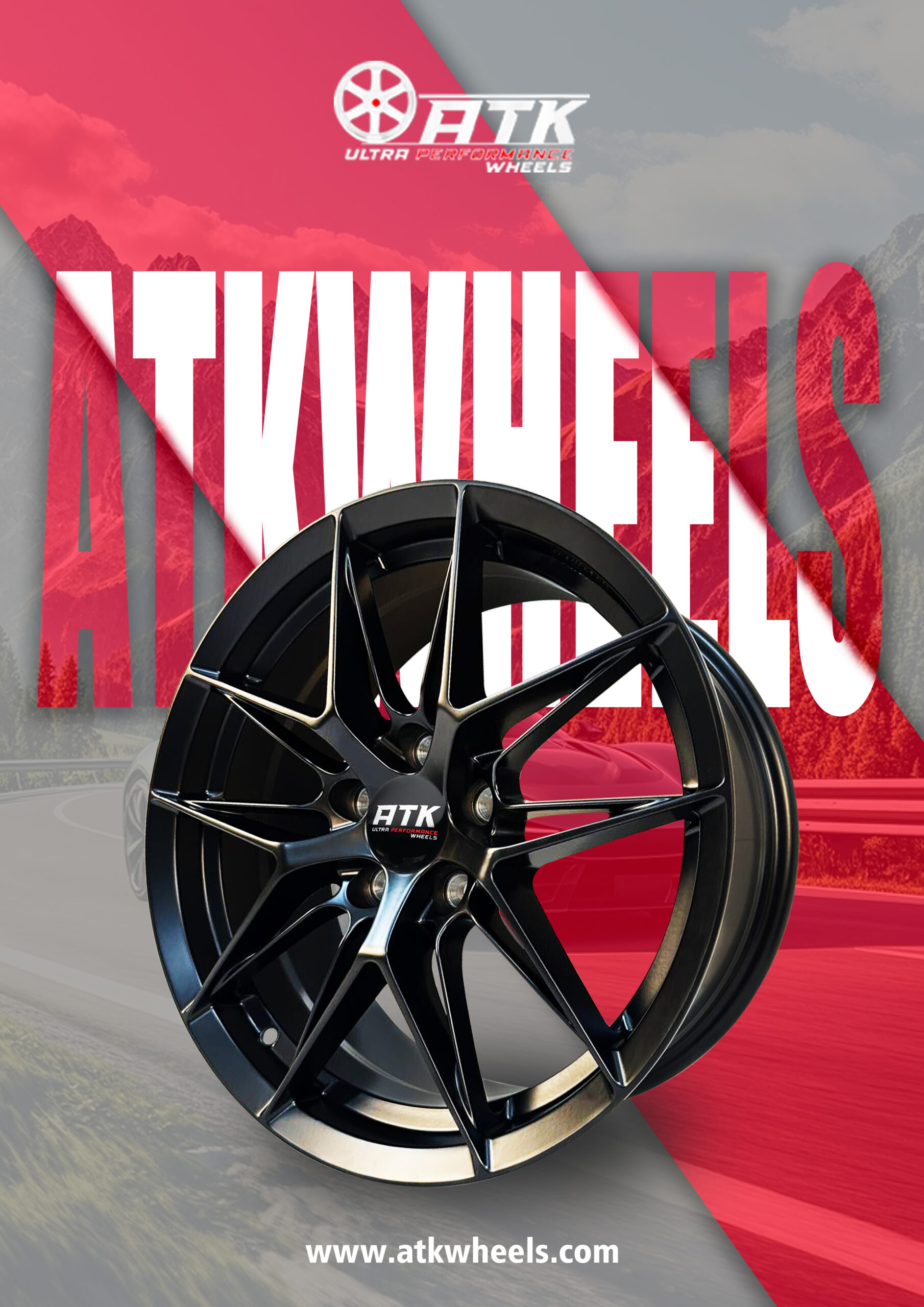
What Are Monoblock Wheels?
The term monoblock simply means “one block” or “single piece.” In the automotive world, a monoblock wheel is carved or forged from a single, solid piece of metal—typically high-grade aerospace aluminum (such as 6061-T6 aluminum alloy).
Unlike multi-piece wheels, which are constructed by bolting together a separate face, inner barrel, and outer lip, a monoblock wheel has no joints, no seams, and no hardware. Every section of the wheel, from the center hub to the outer lip, forms a single continuous structure.
While monoblock construction can apply to standard cast wheels, the industry standard for high-performance applications is the forged monoblock wheel. These wheels are manufactured using intense heat and millions of pounds of industrial pressure to compress the grain structure of the aluminum before the final design is CNC-machined into the metal.
How Are Forged Monoblock Wheels Made?
To truly appreciate the value of a monoblock wheel, it helps to understand the rigorous manufacturing process behind it. This process directly explains why they command a premium price tag and perform so exceptionally well on the road and track.
[Solid Aluminum Cylinder] ➔ [Intense Heat & Pressure Forging] ➔ [CNC Lathe & Mill Profiling] ➔ [Final Heat Treatment & Finishing]
-
The Solid Billlet: The process begins with a solid cylinder of aerospace-grade 6061-T6 aluminum, often called a billet.
-
The Forging Process: This solid block is heated to extreme temperatures and placed into a massive hydraulic press. Under immense pressure, the aluminum is forced into a rough shape. This process compresses the metal molecules, eliminating internal porosity and aligning the grain structure of the alloy perfectly along the shape of the wheel.
-
CNC Machining: The forged blank is then placed into a computer-controlled CNC milling machine. The machine precisely carves out the spokes, center bore, lug holes, and intricate weight-saving pockets specified by the design engineers.
-
Heat Treatment & Finishing: After machining, the wheel undergoes final heat treatments to maximize its structural strength. It is then deburred, polished, painted, powder-coated, or cleared to achieve its final look.
The Core Benefits: Are Forged Monoblock Wheels Good?
Why Choose Monoblock Wheels? A Quick Summary
Forged monoblock wheels are highly regarded because they offer an exceptional strength-to-weight ratio. By eliminating assembly bolts and welds, they provide maximum structural integrity with fewer potential failure points. This makes them significantly lighter and stronger than traditional cast wheels, resulting in sharper handling, faster acceleration, and more responsive braking.
Let’s dive deeper into the specific advantages that make these wheels a favorite for high-performance applications.
1. Unmatched Structural Integrity
Because a monoblock wheel is a single, uninterrupted piece of metal, it is naturally structurally sound. Multi-piece wheels rely on specialized silicone sealants, welds, or dozens of titanium/steel bolts to hold their components together under extreme stress. Monoblocks eliminate these hardware failure points entirely. There are no bolts to loosen over time and no seams that can develop slow air leaks.
2. Lower Rotating Mass (Lightweight Performance)
Weight matters immensely when it comes to wheels. Wheels represent unsprung mass and rotational inertia. Reducing unsprung weight allows your vehicle’s suspension to react much faster to bumps and dips in the road, keeping your tires firmly planted. Lower rotational inertia means your engine doesn’t have to work as hard to spin the wheel up to speed, resulting in crisper throttle response and improved braking efficiency.
3. Excellent Heat Dissipation
Performance driving generates an immense amount of heat from the braking system. Forged monoblock wheels act as highly effective heat sinks. The continuous aluminum construction transfers heat away from your brake rotors and calipers much faster than multi-piece alternatives or steel wheels, helping to prevent brake fade during aggressive street driving or track sessions.
Are Monoblock Wheels Stronger Than Other Types?
Yes, when comparing premium construction methods, forged monoblock wheels are structurally stronger and more durable than traditional cast or multi-piece wheels.
The secret lies in the grain flow of the metal. In a standard cast wheel, molten aluminum is poured into a mold. As it cools, microscopic air pockets (porosity) can form, making the metal more brittle and prone to cracking under severe impacts, like hitting a deep pothole.
Forging completely crushes those air pockets out of existence. The aligned grain boundary means that even if a forged monoblock wheel encounters a catastrophic impact on the highway, it is much more likely to bend slightly rather than crack or shatter, allowing you to safely pull over to the side of the road.
The Trade-offs: What Are the Pros and Cons?
While one-piece wheels offer immense benefits, no automotive component is entirely without compromise. To make an informed purchase, you must weigh both sides of the equation.
The Pros:
-
Lighter Weight: Makes your vehicle feel more agile, accelerates quicker, and stops shorter.
-
Maximum Strength: High resistance to bending, cracking, and structural fatigue.
-
Fewer Maintenance Worries: No assembly bolts to torque regularly and no internal seams to re-seal against air leaks.
-
Timeless Designs: Sleek, modern profiles with concave faces that emphasize your car’s stance.
The Cons:
-
Higher Initial Cost: The specialized engineering, raw materials, and heavy machining required make forged monoblocks more expensive than cast options.
-
Limited Fitment Customization: Because they are machined from a single block, you cannot easily change the lip depth or widen the wheel down the road like you can with a modular three-piece wheel.
-
Difficult to Repair: If you suffer severe curb rash or bend a lip on a monoblock wheel, you cannot simply unbolt the broken piece. Repairing them requires specialized professional metal straightening, or in severe cases, buying an entirely new wheel.
Monoblock vs. Multi-Piece Wheels
When deciding on high-end aftermarket wheels, the ultimate debate usually comes down to Monoblock vs. Multi-Piece (2-Piece or 3-Piece) construction.
A multi-piece wheel consists of a separate center face bolted to an inner and outer barrel. While highly customizable, they have different structural characteristics than a one-piece wheel.
Here is a direct side-by-side comparison to help you choose the right style for your build:
| Feature | Monoblock Wheels | Multi-Piece Wheels (2-Piece / 3-Piece) |
|---|---|---|
| Weight | Lighter: Maximizes performance, acceleration, and handling agility. | Heavier: The addition of fastening bolts and overlapping lips adds mass. |
| Strength | Higher: Uniform grain structure with zero assembly stress points. | Moderate: Strong, but bolts and welds introduce potential flex points. |
| Customization | Limited: Width, offset, and lip depth are fixed at construction. | Extreme: Endless variations in lip sizes, barrel widths, and finishes. |
| Repairability | Difficult: Damaged sections cannot be unbolted; often requires total replacement. | Easy: If a lip bends, you can simply unbolt it and replace that specific section. |
| Maintenance | Zero: Treat them like standard factory wheels; wash and drive. | Moderate: Periodic checking of bolt torque and inspection of the airtight silicone seal. |
Are Monoblock Wheels Heavier Than Other Wheels?
A common point of confusion is whether one-piece wheels are heavier or lighter than modular setups.
Monoblock wheels are significantly lighter than traditional cast wheels because the superior strength of forged aluminum allows engineers to use less material to achieve the same load rating. The spokes can be made thinner, and material can be safely pocketed out of the back pad.
However, compared strictly to a premium two-piece forged wheel, a monoblock wheel can occasionally be slightly heavier in specific wide-body fitments. This is because a multi-piece wheel can utilize an ultra-thin rolled aluminum barrel mated to a forged face. That said, for 90% of standard car and SUV fitments, the monoblock remains the lighter option because it foregoes the extra weight of steel or titanium assembly hardware.
Frequently Asked Questions (FAQ)
Can you fix curb rash on a monoblock wheel?
Yes. Minor cosmetic damage, such as curb rash or superficial scratches, can be repaired by a professional wheel restoration shop. They can smooth out the damaged metal, fill it if necessary, and re-powder coat or paint the wheel back to factory standards.
How can I tell if my wheel is a true monoblock or a multi-piece?
Look closely at the perimeter of the wheel face where it meets the barrel. If you see a row of visible bolts surrounding the face, it is likely a multi-piece wheel (or a cast imitation wheel with cosmetic faux rivets). A true monoblock wheel features a smooth, continuous transition from the spokes directly into the inner barrel with no hardware.
Are all monoblock wheels forged?
No, not all of them. “Monoblock” refers purely to the structure (one-piece), not the metallurgy. You can find cheap cast one-piece wheels, flow-formed one-piece wheels, and premium forged one-piece wheels. For high-performance sports cars and heavy luxury SUVs, forged monoblocks are the preferred choice due to their superior structural density.
Why do sports cars use monoblock wheels?
Track-focused sports cars benefit immensely from reduced unsprung weight. Monoblock designs minimize this weight while providing maximum rigidity, allowing the chassis to handle high cornering g-forces without the wheel flexing under pressure.
Transform Your Vehicle’s Performance and Style
Choosing the perfect set of wheels requires balancing engineering excellence with stunning visual design. Monoblock wheels deliver a premium combination of track-tested strength, lightweight agility, and low-maintenance reliability.
If you are ready to upgrade your ride with an uncompromising set of premium wheels engineered to the highest industry standards, explore the modern designs, precise offsets, and flawless finishes available at ATK Wheels. Find your vehicle’s perfect fitment and elevate your driving experience today!