
Why Bronze Rims Are the Hottest Wheel Trend for Trucks, SUVs & Sports Cars
Why Bronze Rims Are the Hottest Wheel Trend for Trucks, SUVs & Sports Cars
In the world of automotive customization, wheels are often described as the shoes of a car. They have the power to completely transform a vehicle’s personality, turning a mundane daily commuter into a head-turning machine. For decades, drivers looking to upgrade their factory setup were faced with a relatively binary choice: classic silver/chrome or aggressive black.
However, over the last few years, a massive shift has occurred in the aftermarket wheel industry. Bronze rims have captured an impressive 15% market share in the custom wheel landscape, rapidly becoming the go-to choice for automotive enthusiasts, track racers, and off-road adventurers alike.
But why has this metallic, earthy tone suddenly become an industry favorite? Are bronze wheels a passing fad, or are they here to stay? And more importantly, how do you maintain that distinct finish once they are on your vehicle?
In this comprehensive guide, we will explore the rise of bronze wheels, break down the styling psychology behind them, compare different finishes, and provide practical maintenance tips to keep your investment looking pristine.
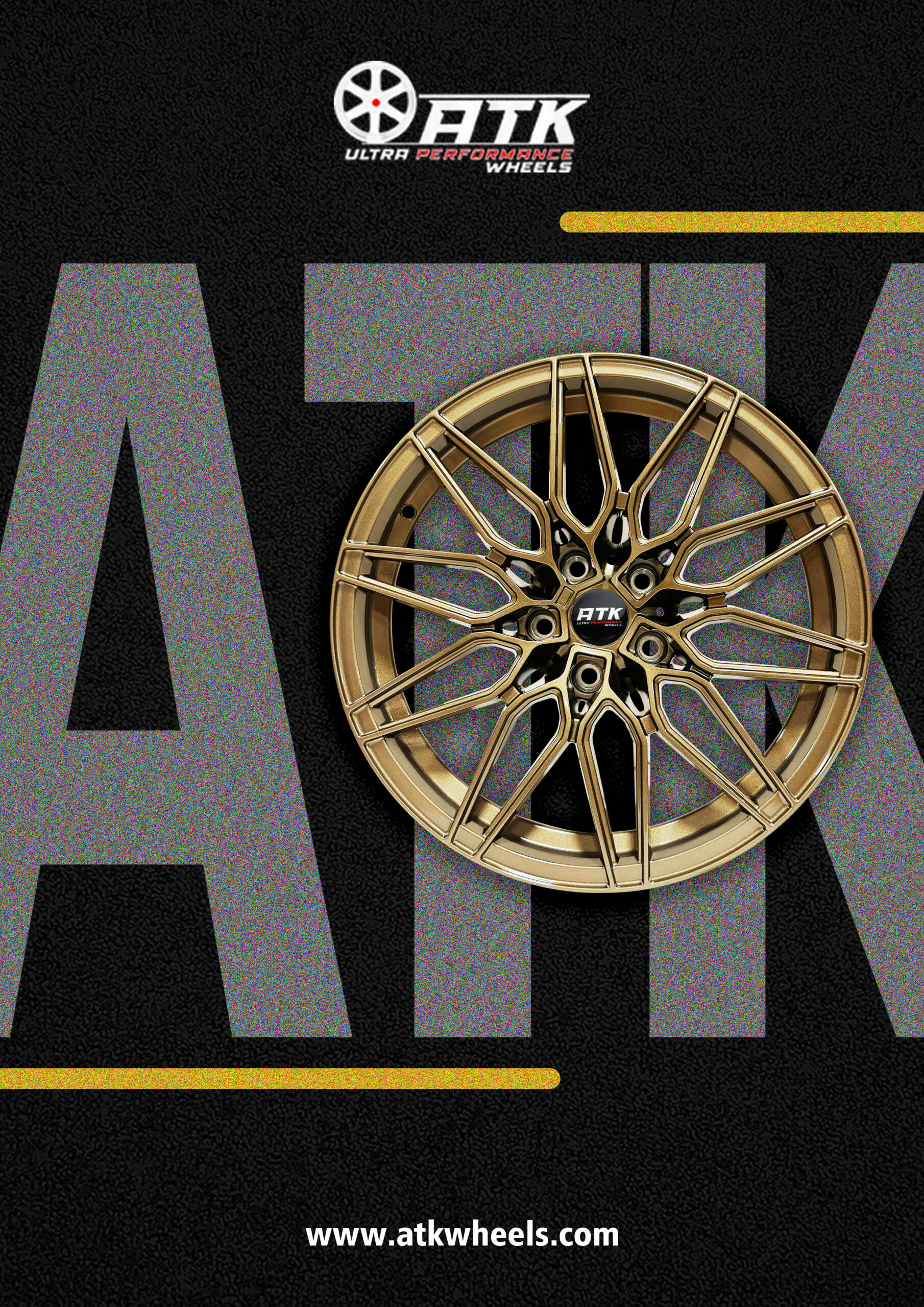
The Rise of Bronze Rims: Why Enthusiasts Are Making the Switch
The sudden surge in popularity for bronze wheels isn’t an accident. It is a calculated response to a market that was growing weary of the standard monochromatic color palette.
Why Do People Like Bronze Wheels?
Bronze wheels create a unique visual balance because they provide a warm, distinctive look without being overly flashy or ostentatious. Psychologically, bronze rims signal motorsport heritage, authenticity, and performance credibility. Even on an everyday vehicle, a set of bronze rims can instantly give the car a track-ready, purposeful stance.
For a long time, black wheels were the ultimate symbol of aftermarket customization. But black wheels often suffer from a major design drawback: from a distance, the intricate spokes, lip designs, and structural details tend to disappear into the dark void of the wheel well.
Bronze solves this problem perfectly. It is dark enough to maintain a sporty, aggressive contrast against your tires and vehicle paint, yet bright enough to catch the ambient light, allowing the underlying engineering, curves, and spoke geometry of the wheel to remain fully visible.
Styling Guide: Matching Bronze Rims to Your Vehicle Paint
One of the most common questions car owners ask before purchasing custom bronze rims is, “Will bronze look good on my car’s color?” Because bronze is an earth tone with inherent warmth, it is surprisingly versatile. However, it reacts differently depending on the primary paint color of your vehicle. Let’s look at how bronze pairs with the most popular automotive colors in the United States.
1. Bronze Rims on a Black Car
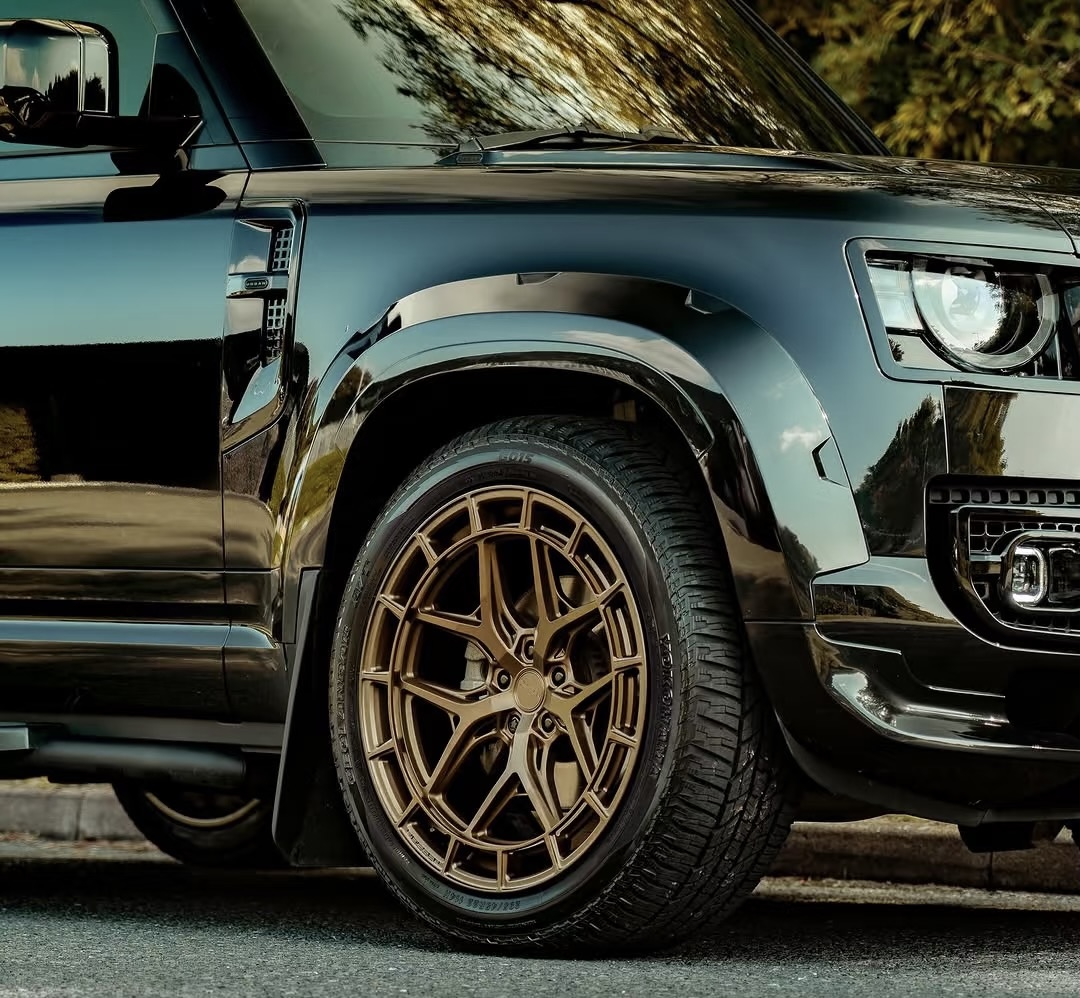
This is arguably the most iconic combination in modern car culture. Black vehicles look incredibly sleek, but a black-on-black setup can sometimes look muted or generic. Adding bronze rims introduces a high-end, premium contrast. The deep metallic hue breaks up the darkness of the paint while retaining a menacing, sophisticated aesthetic.
2. White and Silver Vehicles
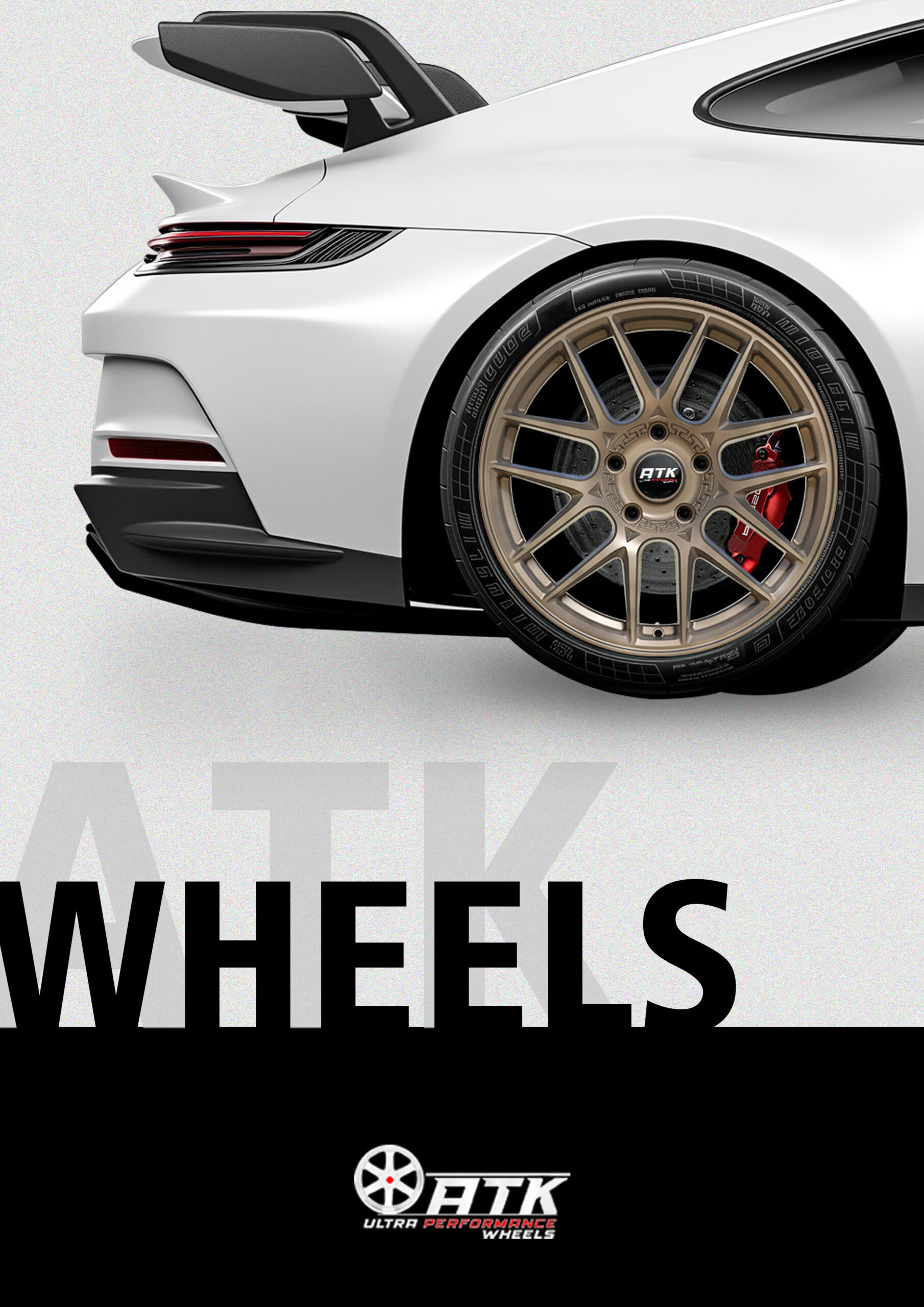
Pairing bronze wheels with a crisp white or sharp silver car delivers a classic JDM (Japanese Domestic Market) or rally-inspired look. The contrast is sharp, clean, and highly energetic, making the vehicle look light on its feet and ready for the track.
3. Red, Blue, and Green Vehicles
-
Blue: A royal blue or navy blue vehicle paired with bronze wheels pays direct homage to legendary championship rally cars. It is a time-tested combination that oozes performance credibility.
-
Green: Dark forest greens or army greens paired with matte bronze create a rugged, organic, and outdoorsy look that is exceptionally popular in the overland truck, SUV, and Subaru communities.
-
Red: This combination offers an aggressive, high-contrast appearance reminiscent of classic European sports cars.
Matte Bronze vs. Gloss Bronze vs. Dark Tint: Choosing Your Finish
Not all bronze wheels are created equal. The manufacturing process allows for several distinct surface treatments, each altering how the wheel reflects light and complements your vehicle.
| Finish Type | Visual Characteristics | Best Suited For | Maintenance Effort |
|---|---|---|---|
| Matte Bronze | Flat, non-reflective finish with an organic, industrial look. Softly diffuses light. | Off-road trucks, overland SUVs, rugged daily drivers. | Moderate (Can show brake dust, but hides fine scratches well). |
| Gloss Bronze | Highly reflective, bright finish that emphasizes metallic flakes in the paint. | Luxury sedans, sports cars, show builds. | High (Requires frequent wiping to keep finger smudges and water spots away). |
| Satin / Brushed Bronze | A middle ground featuring a subtle sheen with underlying metallic brush strokes. | Premium sports cars, performance coupes. | Low-to-Moderate (Highly forgiving and excellent at masking light road grime). |
| Dark Bronze / Bronze Tint | A deep, near-black hue that only reveals its rich bronze undertones under direct sunlight. | Subtle stealth builds, executive sedans, sleeper cars. | Low (Excellent at hiding everyday brake dust). |
The Reality of Maintenance: Are Bronze Wheels Hard to Keep Clean?
A common piece of hearsay in automotive forums is that aftermarket bronze rims are a nightmare to keep clean because the alloy or paint formulation oxidizes quickly. Let’s separate myth from reality.
Understanding Oxidation and “Bronze Disease”
In historical metallurgy, raw, natural bronze (a copper-tin alloy) is highly susceptible to atmospheric oxidation and “bronze disease”—a destructive, irreversible chemical corrosion triggered by moisture and chlorides.
However, modern automotive wheels are not made of raw ancient bronze. Virtually all modern aftermarket wheels are constructed from high-grade aluminum alloys or forged steel, which are then finished with a durable powder coat, automotive paint, or clear protective lacquer tinted in a bronze shade. Therefore, your wheels will not suffer from traditional bronze corrosion.
The Real Challenge: Road Grime and Brake Dust
While you don’t have to worry about your wheels turning into green antique statues, bronze finishes—especially matte bronze wheels—do require specific care to protect their clear coat from fading or staining:
-
Brake Dust Staining: High-performance brake pads emit hot metallic dust particles. If left on the wheels for weeks, these particles can bake into the clear coat, making the finish look dull, oxidized, and nearly impossible to restore.
-
Chemical Sensitivity: Harsh, acid-based wheel cleaners or industrial degreasers can chemically etch the delicate clear coat of a bronze wheel, leaving behind white streaks or permanent cloudiness.
Step-by-Step Guide to Safely Cleaning Bronze Wheels
To prevent premature wear and keep your wheels looking brand new, avoid using aggressive household chemicals. Instead, follow this safe, enthusiast-approved cleaning method:
1. Let the Wheels Cool Completely
Never spray water or cleaning solutions onto hot wheels. The sudden temperature drop can warp your brake rotors, and the cleaning chemicals will dry instantly, leaving behind stubborn, unsightly chemical spots.
2. Rinse Away Loose Debris
Use a pressure washer or a garden hose with a high-pressure nozzle to blast away loose mud, dirt, and top-layer brake dust before ever touching the wheel with a wash mitt. This prevents dragging sharp dirt particles across the finish, which causes swirl marks.
3. Use a pH-Neutral Wheel Cleaner
Apply a dedicated, pH-balanced wheel cleaner that explicitly states it is safe for painted and powder-coated finishes.
Pro Tip: Avoid using aggressive home remedies like pure white vinegar and salt solutions on modern clear-coated wheels. While a vinegar-salt mixture is highly effective at stripping tarnish and oxidation from raw, solid antique bronze objects, the high acidity can damage or dull the synthetic clear coat of a modern automotive wheel.
4. Agitate Gently with Soft Brushes
Use a soft microfiber wash mitt for the face of the wheel and a specialized barrel brush with soft nylon bristles to clean the inner barrel. Avoid stiff-bristled scrubbing brushes.
5. Dry and Protect
Dry the wheels completely with a clean microfiber towel to prevent hard water spots. For long-term protection, apply a high-quality ceramic spray sealant or wheel wax. This creates a slick, hydrophobic barrier that makes future brake dust much easier to rinse off.
Key Technical Factors to Check Before Buying
Before clicking “Add to Cart” on a new set of rims, ensure you have verified the technical specifications of your vehicle to guarantee a safe, vibration-free fitment:
-
Bolt Pattern: Ensure the wheel’s lug configuration matches your vehicle’s hub (e.g., 5×114.3, 6×139.7).
-
Offset (ET): Dictates how far inside or outside the wheel sits relative to the fender line. Proper offset prevents the wheel from rubbing against internal suspension components or brake calipers.
-
Load Rating: If you are buying wheels for a heavy truck, SUV, or towing vehicle, verify that the wheels are rated to handle the gross vehicle weight
Frequently Asked Questions (FAQ)
Are bronze rims still in style?
Absolutely. Bronze wheels have moved beyond a niche trend and are now firmly established as a timeless color option alongside silver and black. Their popularity continues to grow because they offer a sophisticated, motorsport-inspired look that sets a vehicle apart from factory-standard builds.
What are the disadvantages of bronze wheels?
The primary disadvantage relates purely to aesthetics and maintenance, rather than structural integrity. Matte bronze finishes can show brake dust film more readily than gloss black or silver wheels, meaning they may require more frequent, gentle washes to maintain their true color.
Will bronze wheels rust or turn green?
No. Modern automotive bronze wheels are made of aluminum or steel alloys that are painted, powder-coated, and clear-coated. Because they do not contain raw copper, they will not develop a green patina or suffer from historical copper-bronze oxidation.
Can I use vinegar to clean my bronze rims?
It is not recommended for modern wheels. While vinegar can clean raw antique bronze metal, it is highly acidic and can deteriorate or strip away the protective clear coat layer applied over your aftermarket wheel’s paint, leading to permanent dullness.
Elevate Your Vehicle’s Stance
Are you ready to break away from the ordinary and give your vehicle a premium, high-performance identity? A premium set of bronze rims is one of the most effective, visually striking upgrades you can make.
Explore our meticulously curated selection of high-quality wheels at ATK Wheels to find the perfect fitment, style, and bronze finish engineered specifically for your vehicle. Elevate your aesthetic and command the road today!

Curious about the care tips for bronze rims. Do they really require more maintenance than other finishes?
Bronze rims don’t usually require extra maintenance. They often hide brake dust and dirt better than silver or black wheels, making them look cleaner for longer. Regular washing and occasional protection with a sealant are typically all that’s needed to keep them looking great. 🚗✨