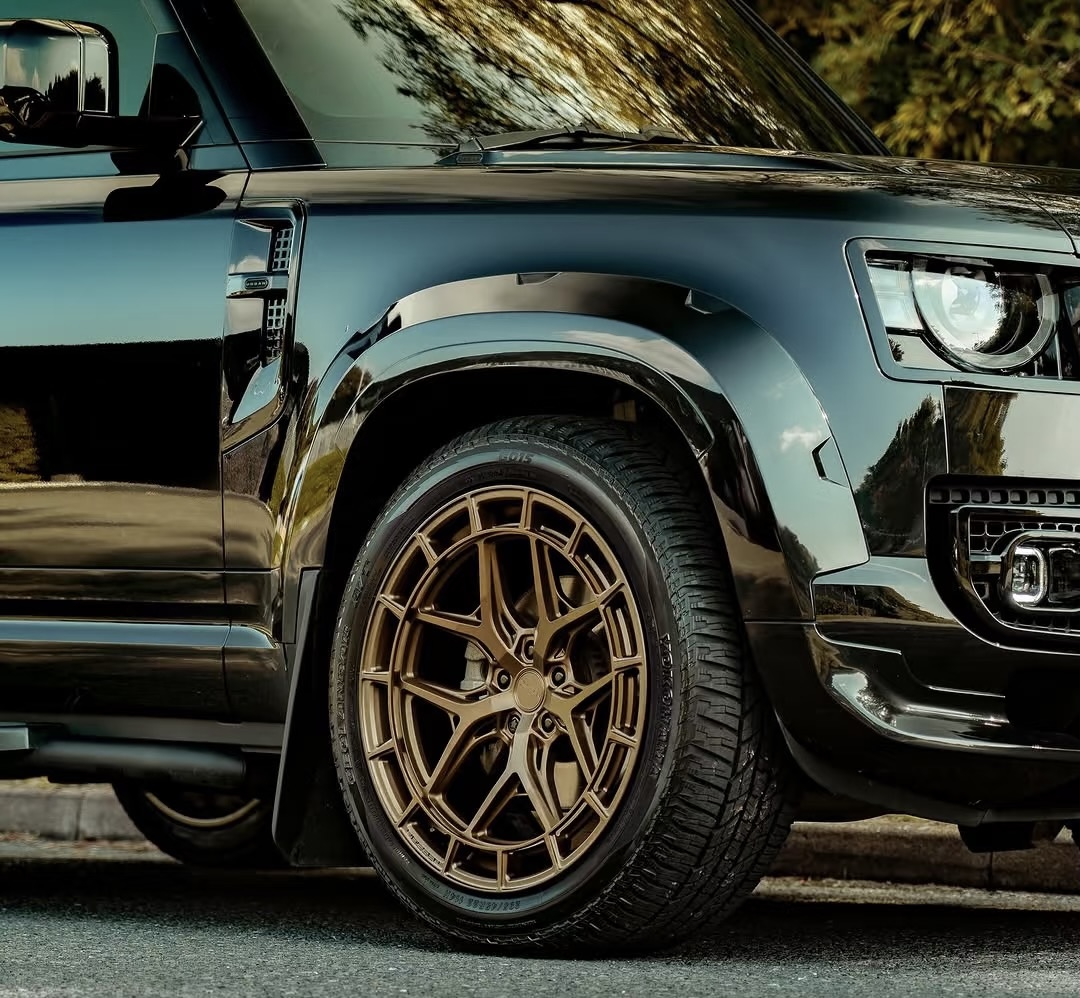
The Ultimate Guide to Rally Wheels: History, Performance Benefits, and Buying Tips
The Ultimate Guide to Rally Wheels: History, Performance Benefits, and Buying Tips
Whether you are restoring a vintage muscle car, prepping an off-road overland rig, or upgrading your daily driver for a more aggressive stance, few automotive components carry as much visual and functional weight as your wheels. Among the countless styles available in the aftermarket industry, rally wheels occupy a legendary status.
But what exactly makes a rally wheel so special? Why do they remain a dominant choice for both classic car purists and modern track enthusiasts alike?
In this comprehensive guide, we will dive deep into the world of rally wheels—exploring their origins, their structural engineering advantages, how they compare to standard wheels, and how to choose the perfect set for your vehicle.
What is a Rally Wheel? Defining an Automotive Icon
To understand the appeal of the rally wheel (often historically spelled as Rallye rim), you have to look at its core purpose.
The Definition of a Rally Wheel
A rally wheel is a specialized automotive wheel originally designed to withstand the brutal, high-impact environments of stage rallying and competitive racing. Characterized by a robust center face and a series of cooling slots or holes around the perimeter, these wheels balance structural integrity with functional heat dissipation.
In the mid-to-late 20th century, automotive manufacturers realized that everyday consumer wheels could not handle the stress of high-speed cornering, gravel impacts, and intense braking. Thus, the factory “Rallye” wheel option was born.
Initially, these were heavy-duty steel wheels styled to look like the lightweight options used by professional race teams. Over time, the term evolved. Today, rally rims refer to both the classic, slotted steel wheels found on vintage American muscle cars (like the iconic Chevy rally wheels) and the ultra-lightweight, multi-spoke alloy wheels used in modern WRC (World Rally Championship) racing.
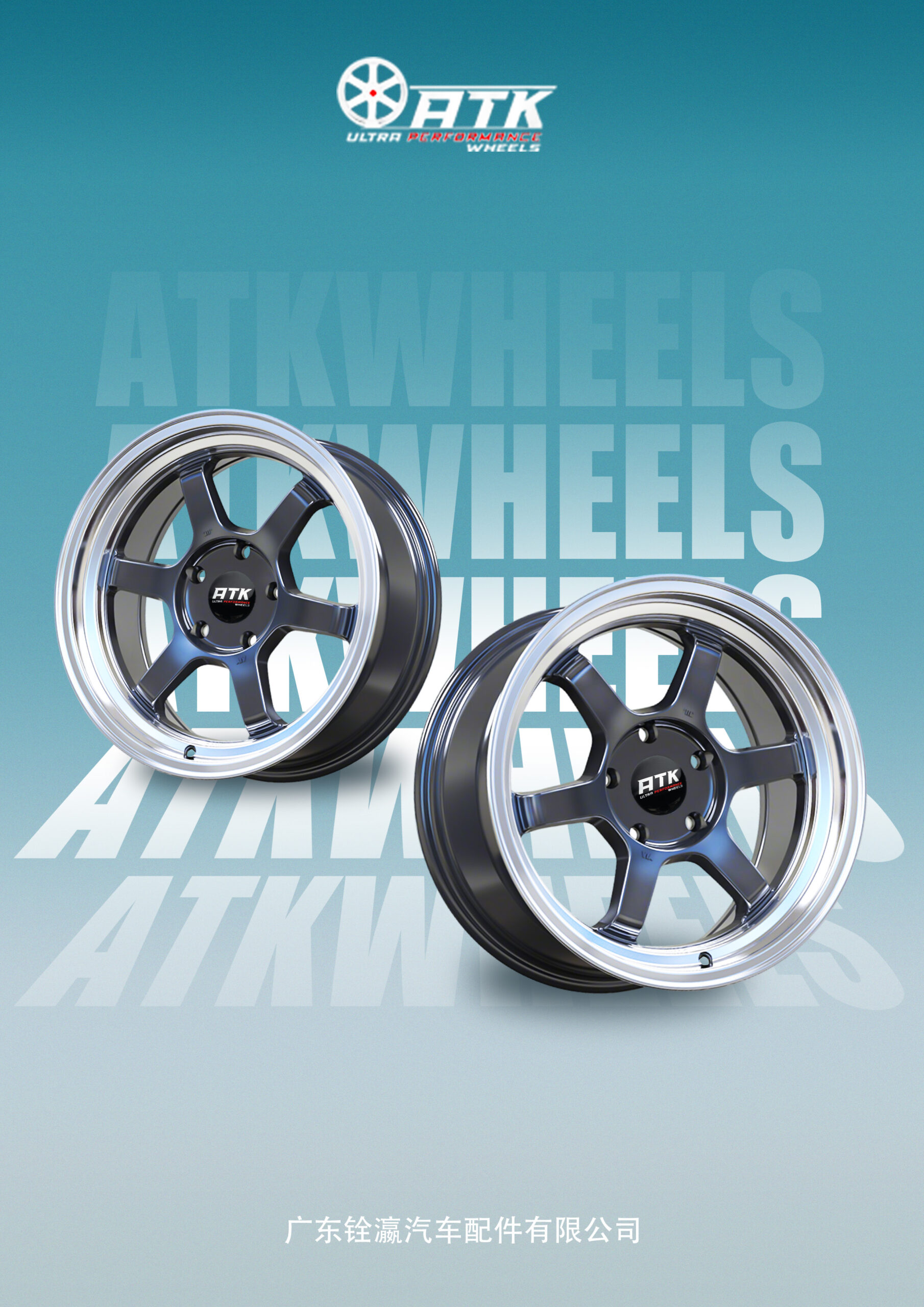
The Anatomy and Performance Benefits of Rally Wheels
Rally wheels are not just about a rugged, retro aesthetic. Every line, hole, and material choice serves a distinct mechanical purpose. If you are looking for performance rally wheels, understanding this anatomy is crucial.
1. Enhanced Structural Integrity
Stage rallying involves launching vehicles over jumps, sliding sideways into gravel banks, and striking hidden potholes at high speeds. Because of this, rally wheels feature a much thicker outer lip and a reinforced center disc compared to standard commuter wheels. This design prevents the wheel from bending or cracking under extreme vertical and lateral loads.
2. Optimized Brake Cooling
If you look at a classic Chevy or Ford rally wheel, or even a modern Method or Sparco rally rim, you will notice a distinct pattern of rectangular slots or circular holes. These are not just for show. As a car brakes heavily, the rotors generate immense thermal energy. The venting in rally wheels acts as a natural fan, pulling cool air across the braking system and allowing hot air to escape. This drastically reduces brake fade during spirited driving.
3. Debris and Impact Protection
Unlike wide, open-spoke mesh wheels that expose the entire braking assembly, classic and off-road rally wheels often feature a more closed-face design. This protects brake calipers, pads, and rotors from flying stones, mud, and debris that could otherwise cause catastrophic mechanical failure.
4. The Weight Advantage (Alloy vs. Steel)
While early vintage variations were made of stamped steel, modern performance applications utilize alloy rally wheels. Made from blends of aluminum and magnesium, these wheels offer substantial advantages:
-
Reduced Unsprung Weight: Lighter wheels mean your suspension doesn’t have to work as hard to keep the tires planted on the ground.
-
Quicker Acceleration: Less rotational mass allows the engine to spin the wheels up to speed faster.
-
Sharper Stopping Power: Lower kinetic energy makes it easier for the brakes to bring the vehicle to a halt.
Steel vs. Alloy Rally Wheels: Which is Right for You?
Choosing the right type of rally rim depends heavily on your vehicle type, driving style, and aesthetic goals. Let’s break down how classic steel stacks up against modern alloy.
| Feature | Classic Steel Rally Wheels | Modern Alloy Rally Wheels |
|---|---|---|
| Primary Material | Heavy-duty stamped steel | Aluminum / Magnesium blend |
| Weight | Heavy (Higher rotational mass) | Light (Low unsprung weight) |
| Best Suited For | Muscle cars, classic trucks, hot rods | Subarus, hot hatches, off-road rigs, UTVs |
| Durability Style | Will bend under extreme impact (can often be repaired) | Rigid structural strength (will crack rather than bend under catastrophic impact) |
| Aesthetic Appeal | Vintage, industrial, retro chrome look | Aggressive, sporty, modern motorsport vibe |
| Cost | Generally more budget-friendly | Higher price point due to advanced manufacturing |
Why Are Many Rally Wheels Painted White?
If you watch any modern rally racing video, you will notice an undeniable trend: a massive percentage of the cars run bright white wheels. This isn’t just a styling gimmick or a nod to retro 1980s car culture. The choice is deeply rooted in trackside practicality.
-
Instant Damage Detection: In high-impact racing environments, wheels take a beating. A hairline crack or structural stress fracture can lead to a dangerous high-speed blowout. White paint provides the highest possible visual contrast, making it incredibly easy for pit crews to spot cracks, deep chips, or bends during a quick service stop.
-
High Visibility in Low Light: Rally stages often run through dense forests, heavy dust clouds, mud, or pitch-black night conditions. White wheels allow mechanics, spotters, and safety crews to quickly verify that all four wheels are spinning correctly and haven’t sustained hidden damage.
-
Thermal Management: To a lesser degree, lighter colors reflect radiant heat better than dark black or gunmetal finishes, helping to keep overall wheel and hub temperatures slightly lower during grueling desert or tarmac stages.
How to Choose the Perfect Set for Your Vehicle
Investing in a new set of wheels requires checking several technical boxes to ensure a perfect fitment and a safe ride. Keep the following factors in mind:
Bolt Pattern and Pitch Circle Diameter (PCD)
You cannot mount a wheel if the holes don’t line up with your vehicle’s wheel studs. Ensure you know your exact vehicle specifications (e.g., 5×114.3 for many modern imports, or 5×4.75 for classic GM vehicles).
Offset and Backspacing
-
Offset measures the distance from the wheel’s mounting surface to its true centerline.
-
Backspacing measures the distance from the mounting surface to the back edge of the wheel.
Getting these numbers wrong can cause your new rally rims to rub against your brake calipers or stick out too far past your fender flares.
Center Bore Diameters
The center bore is the machined hole in the middle of the wheel that sits on the hub of your car. For a smooth, vibration-free ride, aim for hub-centric wheels that match your vehicle’s hub exactly, or use high-quality hub-centric rings if you are installing universal aftermarket wheels.
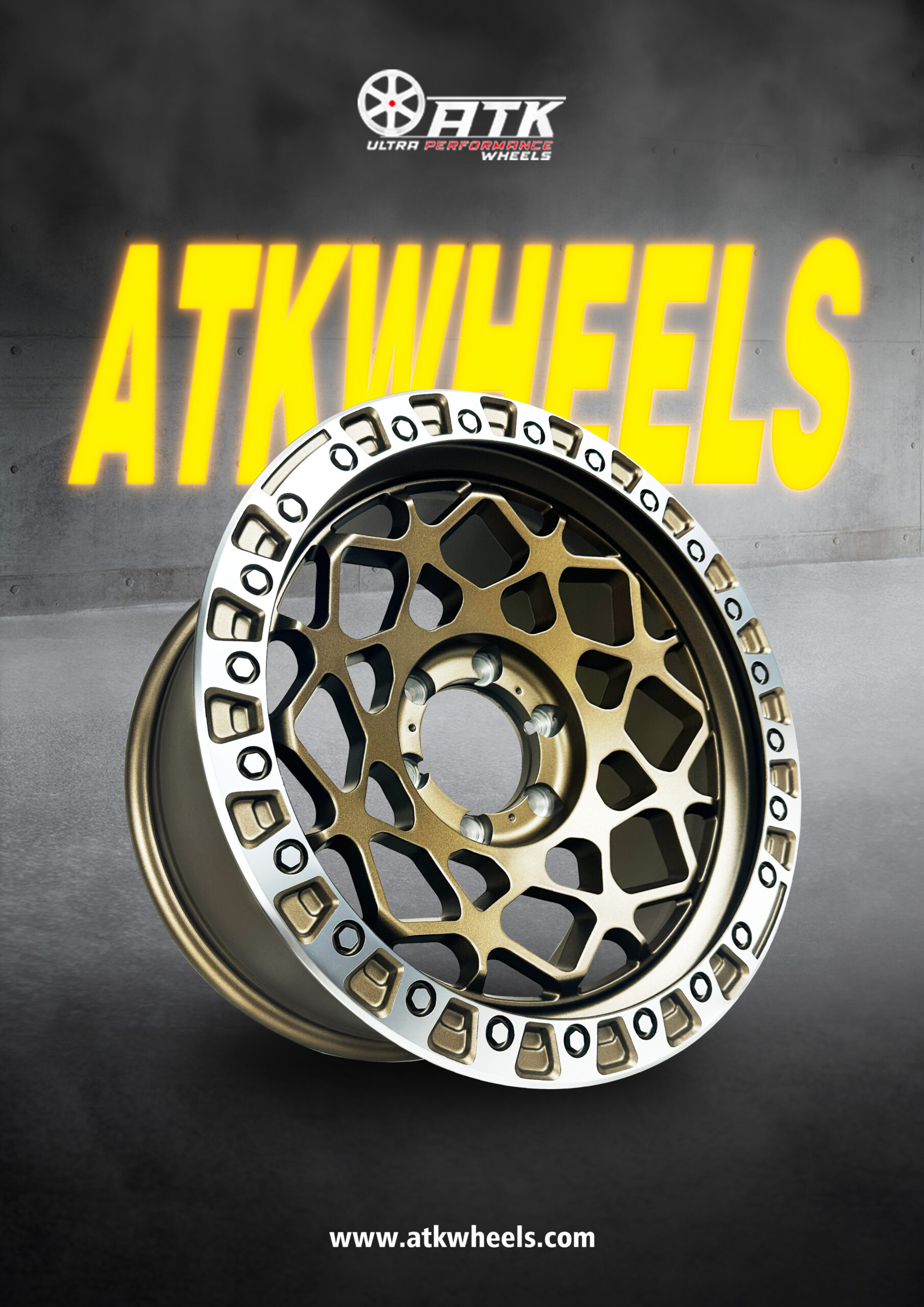
Care and Maintenance Tips for Your Rims
To keep your investment looking pristine and performing at its peak, establish a regular cleaning routine:
-
Avoid Harsh Chemical Cleaners: Many heavy-duty wheel cleaners contain acids that can strip the clear coat off painted alloy wheels or cause raw steel rims to rust. Stick to pH-neutral wheel soaps.
-
Clear Out Embedded Brake Dust: Because rally wheels are designed to handle heavy braking, they accumulate a lot of metallic brake dust. Use a soft-bristled brush to clean inside the cooling slots regularly to prevent the dust from baking into the finish.
-
Inspect After Off-Roading: If you take your vehicle onto gravel, dirt, or rocky trails, take off the wheels once a season to check the inner barrels for rock gouges or hidden bends.
Frequently Asked Questions (FAQ)
What makes a wheel a rally wheel?
Rally wheels are specialized automotive wheels engineered to endure extreme driving and racing conditions. They are instantly recognizable by their heavy-duty construction and a perimeter of holes or slots designed to maximize brake cooling while protecting internal components from debris.
What are rally wheels called alternatively?
They are frequently referred to as Rallye rims or rally rims. The term originated as a factory marketing name for heavy-duty, sports-inspired options offered by American automakers during the golden era of muscle cars.
What are the main benefits of installing rally rims?
The primary benefits include exceptional structural durability, excellent heat dissipation for your braking system, and a classic, aggressive look. Alloy variants also offer substantial performance gains by reducing unsprung weight, resulting in crisper handling and faster acceleration.
Can I put classic Chevy rally wheels on a modern car?
Generally, no. Classic domestic rally wheels use older imperial bolt patterns and high backspacing dimensions that do not align with the high-offset, metric hubs found on modern vehicles. However, many aftermarket brands manufacture modern alloy interpretations of these classic designs to fit contemporary vehicles.
Upgrade Your Ride Today
Are you ready to transform your vehicle’s performance and aesthetic? Whether you want to pay homage to vintage American muscle or capture the rugged, go-anywhere attitude of a modern stage-rally machine, a premium set of rally wheels is the ultimate upgrade.
Explore our extensive collection of precision-engineered wheels at ATK Wheels to find the perfect fitment, finish, and style for your next adventure. Turn heads on the street and conquer the dirt with confidence!