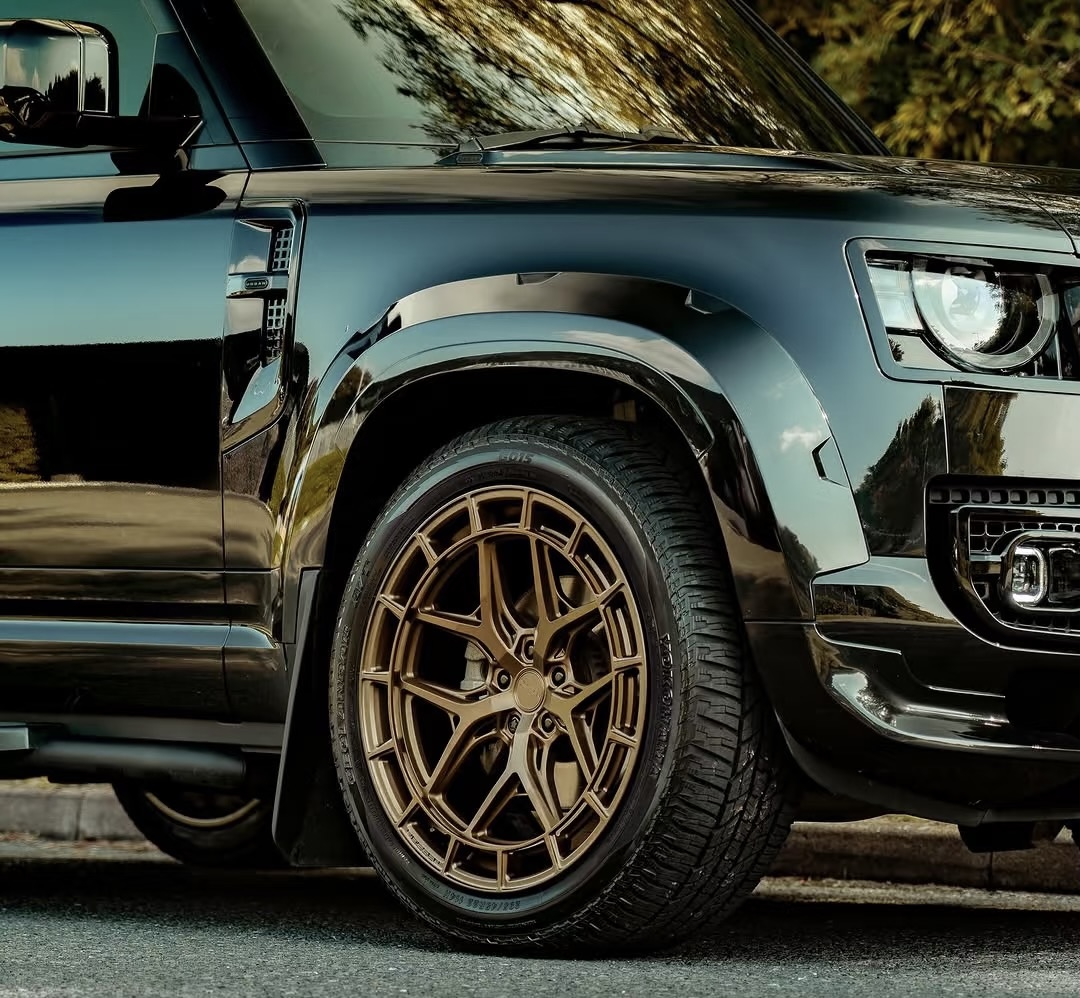
Forge Rims: The Complete Guide to Strength, Performance, and Value
Forge Rims: The Complete Guide to Strength, Performance, and Value
When serious car enthusiasts talk about upgrading wheels, one topic always comes up: forge rims. Whether you drive a high-performance sports car, a luxury SUV, or a customized truck, forged wheels are widely considered the gold standard for strength, weight reduction, and premium styling.
But are forge rims really worth the higher price tag? How are they different from cast wheels? And why do professional racers and luxury vehicle owners consistently choose forged options?
This guide breaks down everything you need to know about forge rims in plain, practical language — including manufacturing, benefits, pricing, durability, and how to choose the right set for your vehicle.
What Are Forge Rims?
Forge rims, commonly called forged wheels, are wheels manufactured from a solid block of aluminum alloy using extremely high pressure and heat.
Unlike cast wheels, which are created by pouring molten aluminum into a mold, forged rims are compressed under thousands of tons of pressure. This process aligns the metal’s grain structure, producing a wheel that is:
- Stronger
- Lighter
- More impact-resistant
- More durable under stress
Featured Snippet Answer
Forge rims are high-performance wheels made by compressing a solid piece of aluminum under extreme pressure. The forging process creates wheels that are lighter, stronger, and more durable than traditional cast wheels.
Because of these advantages, forged rims are commonly used on:
- Supercars
- Track vehicles
- Luxury performance sedans
- Off-road trucks
- High-end custom builds
How Are Forged Wheels Made?
The forging process is far more complex than standard wheel manufacturing.
Step 1 — Solid Aluminum Billet
Manufacturers begin with a solid block of aerospace-grade aluminum.
Step 2 — Extreme Pressure Forging
The aluminum is subjected to massive hydraulic pressure, often exceeding 10,000 tons.
This pressure compresses the material and removes internal weaknesses.
Step 3 — CNC Machining
After forging, the wheel is precision-machined using CNC equipment to create the final design.
Step 4 — Finishing
The wheel receives finishing treatments such as:
- Powder coating
- Polishing
- Brushed finishes
- Custom paint
- Ceramic protection
The result is a lightweight, high-strength wheel engineered for both performance and appearance.
Why Forge Rims Are Popular in the Performance World
Forge rims have become increasingly popular because modern drivers want both aesthetics and performance.
Here’s why forged wheels dominate the premium wheel market:
1. Exceptional Strength
Forged aluminum has a denser molecular structure than cast aluminum.
That means forge rims can handle:
- Hard cornering
- High-speed driving
- Heavy loads
- Aggressive braking
- Rough road conditions
This makes them ideal for:
- Sports cars
- Performance SUVs
- Track applications
- Off-road trucks
2. Reduced Weight
One of the biggest advantages of forge rims is weight savings.
Lighter wheels reduce:
- Unsprung mass
- Rotational inertia
This improves:
- Acceleration
- Braking
- Steering response
- Fuel efficiency
In performance driving, even a few pounds per wheel can make a noticeable difference.
3. Better Heat Dissipation
Forged wheels typically dissipate heat more efficiently than heavier cast wheels.
This helps improve:
- Brake cooling
- Track reliability
- Overall wheel longevity
4. Premium Appearance
Forge rims are often associated with luxury and exclusivity.
Many manufacturers offer:
- Deep concave profiles
- Custom offsets
- Multi-piece designs
- Personalized finishes
The result is a more aggressive and refined look.
Forged Wheels vs Cast Wheels
Many buyers compare forged wheels to cast wheels before making a purchase decision.
Here’s a simple breakdown.
| Feature | Aluminum Alloy Wheels | Steel Wheels | Chrome Wheels | Magnesium Wheels |
|---|---|---|---|---|
| Weight | Lightweight | Heavy | Medium-Heavy | Ultra-lightweight |
| Cost | Moderate to High | Low / Budget-friendly | High | Extremely High |
| Styling Options | Virtually limitless | Very limited (Basic) | High-shine aesthetic | Sport/Race styles |
| Durability | High (can crack under extreme impact) | Extremely High (bends rather than cracks) | Subject to pitting/peeling | Brittle under daily road stress |
| Best Used For | Daily driving, styling, performance | Winter driving, work trucks | Custom show cars | Professional track racing |
Key Takeaway
If performance, strength, and premium quality matter most, forge rims are the better option.
If budget is the priority, cast wheels may be sufficient for normal daily driving.
Are Forge Rims Worth the Money?
For many enthusiasts, the answer is yes.
Featured Snippet Answer
Forge rims are worth the money for drivers who prioritize performance, lightweight handling, durability, and premium styling. However, casual daily drivers may not fully benefit from the higher cost compared to cast wheels.
Forge rims are especially worth it if you:
- Drive a high-performance vehicle
- Attend track days
- Want maximum durability
- Care about weight reduction
- Want a premium custom appearance
- Plan long-term ownership
For ordinary commuting, the benefits may feel less dramatic.
But for enthusiasts, the improvements in handling, responsiveness, and appearance are often substantial.
What Are the Disadvantages of Forge Rims?
Despite their advantages, forged wheels are not perfect.
1. Higher Cost
The biggest drawback is price.
Forging equipment, machining, and engineering significantly increase manufacturing costs.
2. Maintenance Requirements
Some forged finishes require careful maintenance to prevent:
- Corrosion
- Clear coat damage
- Cosmetic wear
Regular cleaning is important.
3. Damage Can Be Expensive
Although forged wheels are strong, severe pothole impacts or curb damage can still happen.
Repairs for premium forged rims are often more expensive than standard wheels.
4. Overkill for Some Drivers
If you primarily drive short urban commutes at moderate speeds, forged wheels may provide benefits you rarely notice.
One-Piece vs Two-Piece vs Three-Piece Forged Wheels
Not all forge rims are built the same.
One-Piece Forged Wheels
Made from a single forged block.
Pros:
- Lightest option
- Strongest structure
- Best performance
Cons:
- Limited customization
Two-Piece Forged Wheels
Center and barrel are separate pieces.
Pros:
- More design flexibility
- Easier repairs
Cons:
- Slightly heavier
Three-Piece Forged Wheels
Separate center, inner barrel, and outer barrel.
Pros:
- Maximum customization
- Premium appearance
Cons:
- Higher cost
- More maintenance
Best Vehicles for Forge Rims
Forge rims are ideal for vehicles where performance matters.
Popular Applications
Sports Cars
- Chevrolet Corvette
- Nissan GT-R
- Porsche 911
- Toyota Supra
Luxury Sedans
- BMW M Series
- Mercedes-AMG
- Audi RS models
SUVs & Trucks
- Ford F-150 Raptor
- Jeep Wrangler
- Range Rover
- Toyota Tacoma
EV Performance Cars
- Tesla Model S Plaid
- Porsche Taycan
- Lucid Air
The lighter wheel weight can significantly improve EV efficiency and handling.
How to Choose the Right Forge Rims
Choosing the right forged wheels requires more than selecting a design.
Consider These Factors
Wheel Size
Larger wheels improve appearance but may reduce ride comfort.
Offset & Fitment
Incorrect fitment can affect:
- Suspension geometry
- Tire wear
- Handling
Weight
Not all forged wheels weigh the same.
Track-focused drivers often prioritize the lightest possible setup.
Finish
Popular finishes include:
- Satin black
- Brushed aluminum
- Bronze
- Polished chrome
- Matte gunmetal
Driving Style
Daily driving and track driving require different wheel priorities.
Why Enthusiasts Prefer Custom Forged Wheels
Custom forged wheels offer something mass-produced wheels cannot: exclusivity.
Many premium wheel companies allow buyers to customize:
- Bolt patterns
- Offset
- Width
- Finish
- Lip depth
- Center cap design
This creates a wheel specifically tailored to the vehicle.
For high-end builds, custom forged wheels are often considered the finishing touch.
Forge Rims and Performance Benefits
The performance improvements from forged wheels are measurable.
Real-World Benefits Include:
Faster Acceleration
Lighter rotational mass improves engine efficiency.
Sharper Handling
Reduced unsprung weight improves steering response.
Better Braking
Lighter wheels reduce braking load.
Improved Suspension Performance
The suspension reacts more effectively with less wheel mass.
For track enthusiasts, forged wheels can noticeably improve lap consistency.
Are Forged Wheels Good for Daily Driving?
Yes — as long as the wheels are high quality and correctly fitted.
Modern forge rims are engineered for real-world conditions, including:
- Highway driving
- Rain
- Temperature changes
- Everyday commuting
However, drivers in areas with severe potholes should remain cautious, especially with ultra-low-profile tires.
Common Myths About Forge Rims
Myth 1: Forged Wheels Never Crack
False.
While stronger than cast wheels, severe impacts can still damage forged rims.
Myth 2: All Forged Wheels Are Extremely Expensive
False.
Prices have become more competitive in recent years.
Myth 3: Forged Wheels Are Only for Racing
False.
Many daily drivers use forged wheels for:
- Appearance
- Durability
- Long-term value
Myth 4: Heavier Wheels Are Stronger
False.
Forged wheels often achieve greater strength while weighing less.
How to Maintain Forge Rims
Proper care extends wheel life and preserves appearance.
Maintenance Tips
- Wash wheels regularly
- Use pH-neutral wheel cleaners
- Avoid harsh acid-based chemicals
- Inspect for cracks after pothole impacts
- Apply ceramic coating for protection
Routine maintenance keeps forged wheels looking premium for years.
The Future of Forged Wheel Technology
The forged wheel industry continues evolving with:
- Advanced aluminum alloys
- Hybrid forged-carbon designs
- Improved CNC machining
- Lightweight EV-focused engineering
As electric vehicles become more common, lightweight forge rims will likely become even more valuable due to their impact on efficiency and range.
Final Thoughts
Forge rims represent the highest level of wheel engineering available for modern vehicles.
They offer a unique combination of:
- Strength
- Lightweight performance
- Premium styling
- Durability
- Customization
While the upfront cost is higher than cast wheels, many enthusiasts consider forged wheels a long-term investment in both performance and appearance.
For drivers who value quality, handling, and aesthetics, forge rims remain one of the best upgrades available in 2026.
FAQ: Forge Rims
What is a forge rim?
A forge rim is a wheel made by compressing solid aluminum under extreme pressure, resulting in a lighter and stronger wheel than traditional cast wheels.
Are forged rims stronger than cast wheels?
Yes. Forged wheels are generally much stronger because the forging process creates a denser metal structure.
How much do forged rims cost?
Most forged wheel sets range from $2,500 to over $10,000 depending on brand, size, and customization.
Are forge rims worth it?
For performance vehicles and enthusiasts, forged rims are often worth the investment due to better handling, strength, and durability.
Do forged wheels crack easily?
No. Forged wheels are highly durable, but severe impacts can still cause damage.
Are forged wheels lighter?
Yes. Forged wheels are typically much lighter than cast wheels, improving vehicle performance.
Which is better: forged or cast rims?
Forged rims are superior in strength, weight, and performance, while cast wheels are more affordable for standard daily driving.
CTA
Looking to upgrade your vehicle with premium forge rims?
Explore high-performance forged wheel options, custom finishes, and precision-engineered designs at ATK Wheels and find the perfect setup for your build today.