Wheel Hub Specifications Explained for Beginners
Wheel Hub Specifications Explained for Beginners
Meta Description:
Learn all key wheel hub specs: bolt pattern (PCD), offset (ET), center bore, diameter, width. Simple explanations for beginners buying new wheels or hubs.
If you want to buy new wheels, rims, or replacement wheel hubs for your car, you must understand wheel hub specifications.
These critical numbers ensure your new parts fit safely and correctly — and avoid costly mistakes & unsafe driving issues.
In this beginner-friendly guide, we’ll break down the 5 most important wheel hub measurements in simple plain English:
bolt pattern (PCD), offset (ET), center bore, wheel diameter, and wheel width.
No advanced mechanical experience required!
1. Bolt Pattern (PCD: Pitch Circle Diameter) 🔩
What it is:
The bolt pattern (also called lug pattern or PCD) includes two core data:
-
- Number of wheel studs / lugs (4, 5, 6, or 8 lugs)
- Diameter of the circle that wheel studs form (mm / inches)
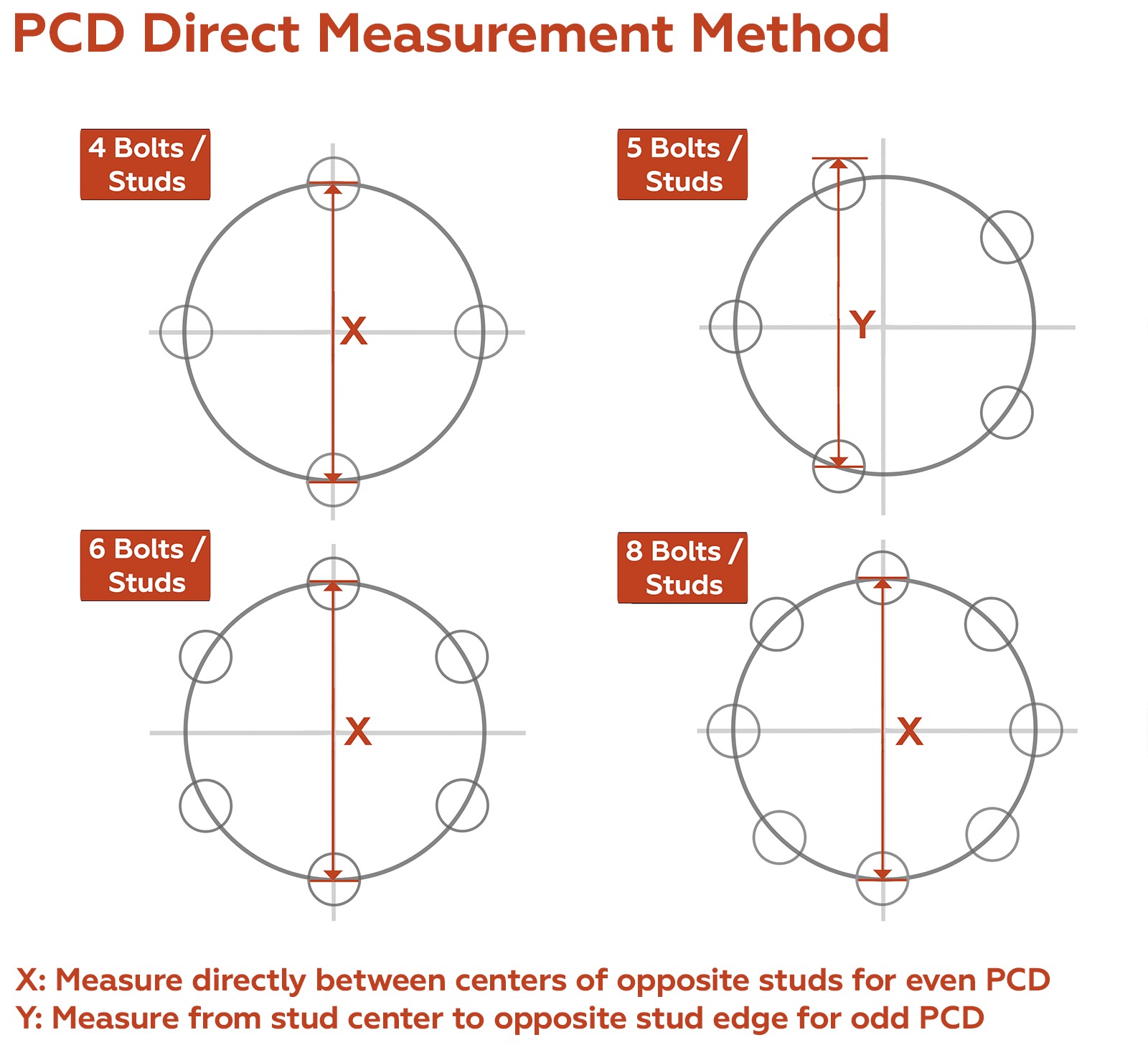
How it’s written:
Number of Lugs × Diameter- Example: 5×114.3 = 5 lugs on a 114.3mm circle
- Example: 6×139.7 = widely used for trucks & SUVs
Why it matters:
✅ Bolt pattern MUST match your car exactly.
Wrong PCD = wheels cannot be installed at all.
Common Bolt Patterns:
- 4×100: Small compact cars
- 5×114.3 (5×4.5”): Most sedans, SUVs, crossovers
- 6×139.7: Pickup trucks, full-size SUVs
2. Offset (ET Value) ↔️
What it is:
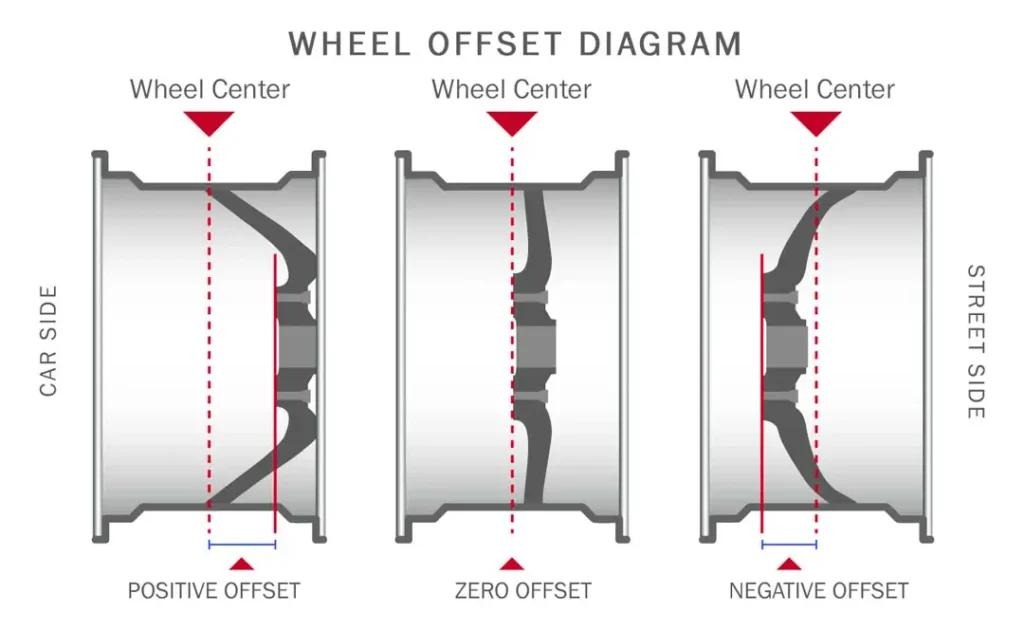
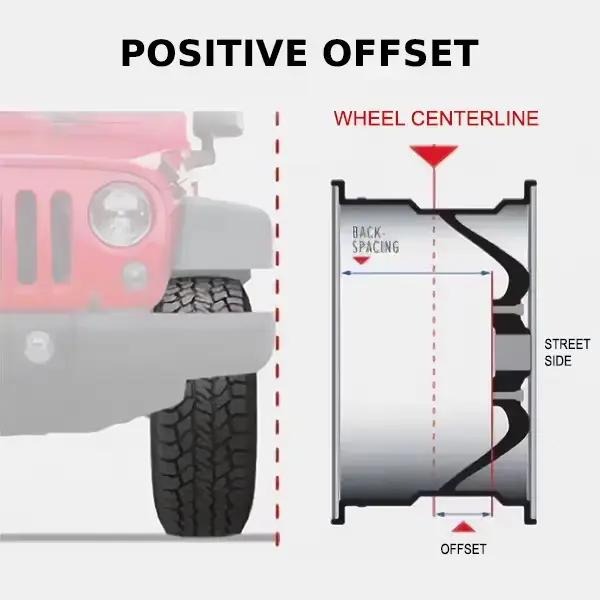
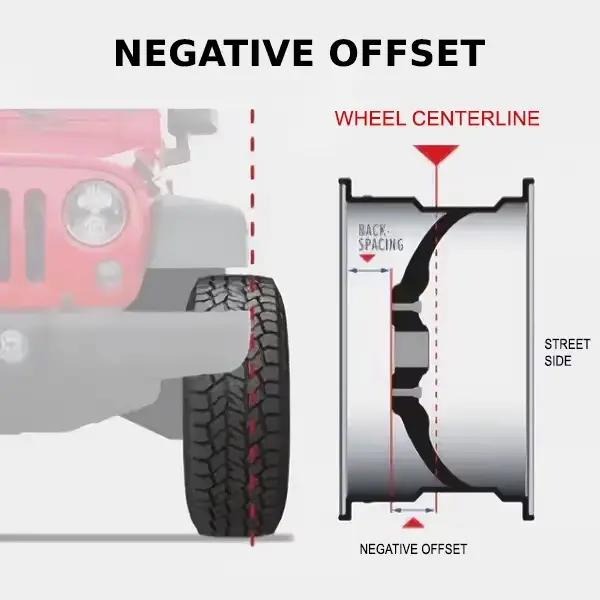
Wheel offset (marked “ET”) is the distance (in millimeters) between
the wheel’s mounting surface and the wheel’s centerline.
- Positive Offset (+ET): Mounting surface closer to the outer side (factory standard for most cars)
- Zero Offset: Mounting surface perfectly aligned with wheel center
- Negative Offset (-ET): Mounting surface toward the brake side, wheels stick out for an aggressive look
Why it matters:
Incorrect offset will cause:
- Tire rubbing against fenders or suspension parts
- Unstable handling & stiff steering
- Premature wear on suspension and bearing parts
3. Center Bore (Hub Bore) ⭕
What it is:
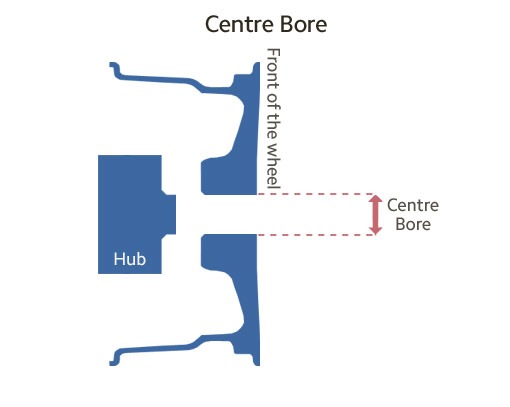
The large central hole on every wheel, designed to fit tightly over your car’s factory hub.
- Hub-Centric: Center bore matches the hub perfectly → stable, safe, zero high-speed vibration
- Lug-Centric: Oversized center bore, only fixed by lug nuts → obvious shaking at high speed
💡 Pro Tip:
If your new wheels have a larger center bore, install hub-centric rings
to fill the gap and eliminate vibration completely.
4. Wheel Diameter (Inches) 🛞
What it is:
✅The overall wheel size measured in inches, such as 15”, 16”, 17”, 18”, 20”.
- Larger wheels (18–20”): Sporty appearance, better cornering performance, firmer ride, lower fuel efficiency
- Smaller wheels (15–16”): Smoother & more comfortable ride, cheaper tires, better performance on snowy or rough roads
Important Note:
Your tire size must fully match the wheel diameter.
For example: A 225/45R17 tire only fits a 17-inch wheel.
5. Wheel Width (J Value) 📐
What it is:
Inner wheel width marked with “J” (unit: inches), e.g., 7J, 8J, 8.5J.
Why it matters:
Wheel width decides your compatible tire range.
Too narrow or too wide wheel matching =
unsafe tire fitting, reduced grip, and uneven tire wear.
Example Wheel Size Label Decoded:
18×8.5J ET35 5×114.3- 18 = Wheel diameter (18 inches)
- 8.5J = Wheel width
- ET35 = Positive wheel offset
- 5×114.3 = Wheel bolt pattern PCD
Quick Checklist for Buying New Wheels & Hubs ✅
- Confirm your vehicle’s exact bolt pattern
- Choose offset close to factory OEM specs
- Measure center bore and prepare hub rings if needed
- Pick compatible wheel diameter & width for your tires
Final Thoughts 💡
You don’t need to be a professional mechanic to master wheel hub specs.
Just remember these core rules:
- Bolt Pattern = Non-negotiable fit standard
- Offset = Directly affects fitment & driving handling
- Center Bore = Controls high-speed vibration
- Diameter & Width = Decide tire compatibility & ride comfort
Master these 5 basic specs, and you will never buy mismatched wheels,
while keeping your driving safe and stable.