
Car Wheels: How to Choose the Right Wheels for Your Car
Car Wheels: How to Choose the Right Wheels for Your Car
Car wheels do more than define the appearance of a vehicle. They support the tires, help transfer braking and driving forces to the road, and influence handling, ride comfort, and overall driving performance. Choosing the right car wheels means finding the right balance between fitment, durability, appearance, and budget.
For American drivers, the choices range from practical steel wheels for everyday transportation to stylish alloy wheels for sedans, SUVs, trucks, and performance cars. Wheel diameter, width, bolt pattern, offset, and load capacity all affect whether a particular set will work properly with a vehicle.
Whether you are replacing damaged wheels, upgrading your car’s appearance, or sourcing aftermarket rims for a business, understanding these factors can help you make a more informed decision.
This article explains the main types of car wheels, the differences between common wheel materials, essential fitment specifications, and practical ways to maintain your wheels over time.
1.What Are Car Wheels?
Car wheels are structural components that connect a vehicle’s tires to its hubs. A typical modern passenger-car wheel consists of a rim, which supports the tire, and a center section with spokes and a mounting area that attaches to the vehicle.
The wheel must withstand forces generated during acceleration, braking, cornering, and driving over uneven surfaces. It also needs to fit the vehicle’s mounting system and provide sufficient clearance for the brakes and suspension.
The terms wheel and rim are often used interchangeably in everyday conversation. Technically, however, the rim is the outer portion of the wheel that holds the tire.
A suitable set of car wheels should provide:
- Correct fitment: The mounting specifications must match the vehicle.
- Adequate load capacity: Each wheel must support its share of the vehicle’s weight under the intended operating conditions.
- Reliable construction: The wheel should meet applicable quality and safety requirements.
- Appropriate clearance: The wheel must clear the brakes, suspension, and surrounding bodywork.
- A suitable appearance: The finish, spoke design, and size should complement the vehicle.
These factors matter whether you choose original equipment wheels or aftermarket alloy wheels.
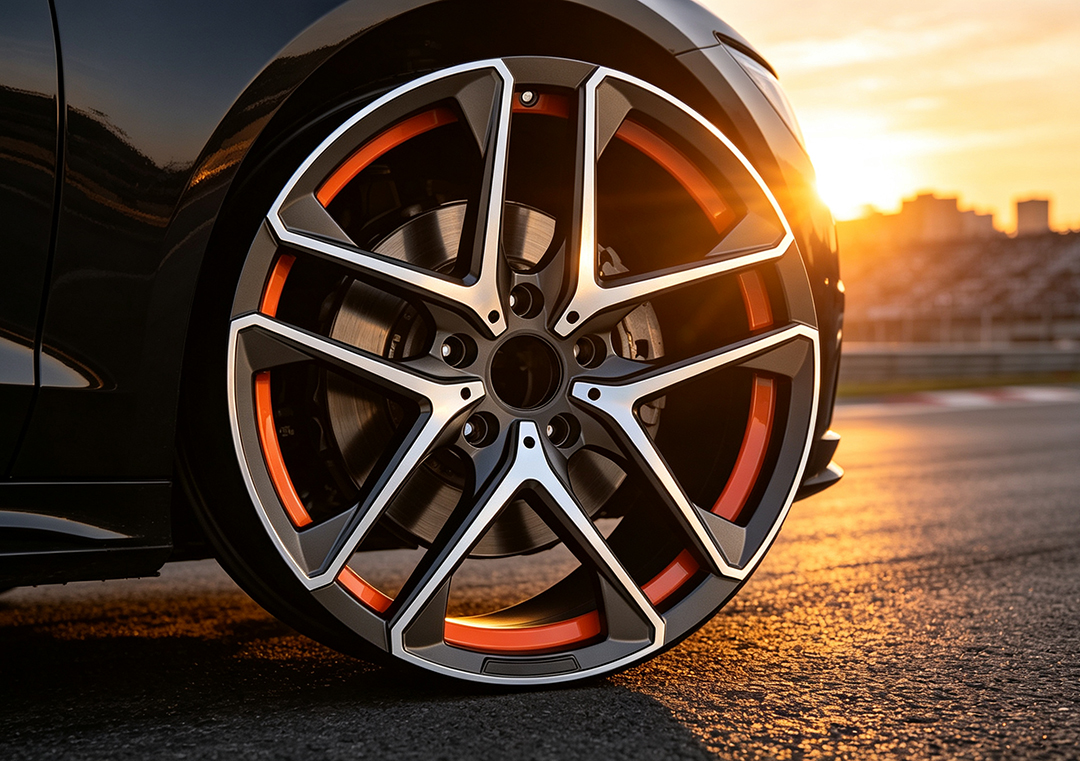
2.What Are the Different Types of Car Wheels?
Car wheels are available in several materials and manufacturing styles. Each option has different characteristics, costs, and intended uses.
Steel Wheels
Steel wheels are widely associated with affordable transportation, winter tire setups, and practical fleet applications. They are generally economical to manufacture and can be a sensible choice when appearance is less important than cost and everyday usability.
Steel wheels are often heavier than comparable aluminum alloy wheels. Their designs also tend to be simpler, although decorative covers can change their appearance.
Common applications include:
- Budget-conscious passenger cars
- Seasonal winter wheel sets
- Commercial vehicles and fleet use
- Drivers who prioritize affordability
Steel wheels can still be a practical long-term option when their specifications are suitable for the vehicle and operating conditions.
Cast Aluminum Alloy Wheels
Cast aluminum alloy wheels are popular in the American aftermarket because they offer a broad range of spoke patterns, finishes, sizes, and price points.
During casting, molten aluminum alloy is poured into a mold to form the wheel. The finished product is then processed and inspected according to the manufacturer’s production requirements.
Cast alloy wheels are generally lighter than comparable steel wheels, although actual weight depends on the wheel’s dimensions, design, and construction. Their flexibility in design makes them a common choice for drivers seeking a balance of style, performance, and cost.
Popular finishes include:
- Gloss black
- Matte black
- Silver
- Gunmetal
- Machined-face finishes
- Black finishes with machined accents
Cast aluminum alloy wheels are suitable for many daily drivers, family vehicles, and aftermarket styling projects when correctly specified.
Flow-Formed Wheels
Flow forming is a manufacturing process used to shape and strengthen the barrel of a wheel blank. The process applies pressure and rotation to the material, helping produce a wheel with a different combination of weight and mechanical properties from conventional cast construction.
Flow-formed wheels are often selected by drivers who want to reduce wheel weight without moving to a more expensive fully forged product.
However, the term does not mean every flow-formed wheel has the same strength or weight. Design, alloy composition, manufacturing controls, and testing remain important.
Forged Aluminum Wheels
Forged wheels are manufactured by shaping aluminum under substantial pressure, followed by machining and other production steps. Forged construction can provide a favorable strength-to-weight relationship, allowing designers to create relatively lightweight wheels while meeting specific performance requirements.
These wheels are often found in premium, motorsport-inspired, and high-performance applications. They generally cost more than conventional cast alloy wheels because of their manufacturing processes and material requirements.
A forged wheel is not automatically the best option for every driver. For daily use, a properly engineered cast alloy wheel may provide the desired appearance, performance, and value at a lower cost.
Carbon Fiber Wheels
Carbon fiber wheels use composite materials rather than conventional steel or aluminum construction. They can offer substantial weight savings, but their cost, repair considerations, and application-specific requirements make them less common than traditional metal wheels.
For most consumers shopping for replacement car wheels, steel and aluminum alloy options remain the most relevant choices.
3.Alloy Wheels vs. Steel Wheels: What Is the Difference?
The best material depends on how you use your vehicle, how much you want to spend, and which characteristics matter most.
| Feature | Aluminum Alloy Wheels | Steel Wheels |
|---|---|---|
| Typical Weight | Often lighter for comparable applications | Often heavier |
| Design Options | Wide variety of spoke designs and finishes | Usually simpler designs |
| Purchase Cost | Varies from budget to premium | Generally more affordable |
| Appearance | Popular for customization and styling | Often utilitarian |
| Damage Considerations | Can crack or bend depending on design and impact | Can bend under impact and may be repairable in some cases |
| Common Uses | Daily driving, styling, and performance applications | Budget vehicles, winter setups, and fleet applications |
Which Type Is Better for Everyday Driving?
For many drivers, aluminum alloy wheels offer an attractive combination of appearance, design flexibility, and reasonable weight. Steel wheels can make more sense when minimizing initial cost or maintaining a dedicated winter tire setup.
Before choosing, consider the following questions:
- Do you drive mainly on highways, city streets, or rough roads?
- Are you replacing one damaged wheel or purchasing a complete set?
- Is appearance a priority?
- Will you use the wheels throughout the year?
- Does your budget include tires, installation, and any required accessories?
These answers can help narrow the available options without paying for features you do not need.
4.How to Choose the Right Car Wheels for Your Vehicle
Correct fitment should come before appearance. A wheel that looks perfect may still be unsuitable if its mounting specifications, load rating, or clearances do not match the vehicle.
1. Check Wheel Diameter and Width
Wheel diameter is the nominal diameter of the wheel where the tire mounts, commonly measured in inches. Popular passenger-car sizes include 16, 17, 18, 19, and 20 inches, although some vehicles use smaller or larger options.
Wheel width is also measured in inches. It affects which tire sizes can be fitted appropriately.
For example, a 17-inch wheel and a 19-inch wheel are not interchangeable simply because both have the same bolt pattern. The diameter must be compatible with the intended tire and the vehicle’s available space.
Always check the vehicle manufacturer’s specifications and the approved tire-size combinations before changing wheel dimensions.
2. Confirm the Bolt Pattern
The bolt pattern, also called PCD (Pitch Circle Diameter), describes the number of mounting holes and the diameter of the circle passing through their centers.
Common examples include:
- 4×100
- 5×112
- 5×114.3
- 5×120
- 6×139.7
In a 5×114.3 pattern, the wheel has five mounting holes arranged around a 114.3 mm pitch circle.
The bolt pattern must match the vehicle’s hub. A wheel with the wrong pattern should not be forced onto the mounting points.
3. Understand Wheel Offset (ET)
Offset is the distance between the wheel’s mounting surface and its centerline. It is usually expressed in millimeters.
- Positive offset: The mounting surface is toward the outer face of the wheel.
- Zero offset: The mounting surface aligns with the wheel centerline.
- Negative offset: The mounting surface is toward the inner side of the wheel.
Changing offset affects the wheel’s position relative to the suspension and fender. An unsuitable offset may contribute to rubbing, reduced clearance, or changes in steering behavior.
A wheel’s offset should be selected based on the vehicle’s approved specifications and the intended wheel width, rather than appearance alone.
4. Check Center Bore and Mounting Hardware
The center bore is the diameter of the opening at the back of the wheel that fits over the vehicle’s hub. Its compatibility with the hub and the wheel’s specified centering method is important.
Depending on the application, centering may rely on the hub or an approved lug-centric mounting design. Hub-centric rings may be used in certain applications when the wheel manufacturer permits them.
You should also confirm the correct lug nuts or bolts, thread specifications, seat type, and tightening torque. Similar-looking fasteners are not necessarily interchangeable.
5. Verify Load Rating and Brake Clearance
Every wheel must be capable of supporting the required load. This is particularly important for SUVs, trucks, electric vehicles, and vehicles carrying heavy cargo.
Brake clearance is another essential consideration. Even when the diameter and bolt pattern match, the spoke shape and inner barrel may interfere with the brake calipers.
Before purchasing a new set, confirm that the wheels are appropriate for the vehicle’s axle loads and brake configuration.
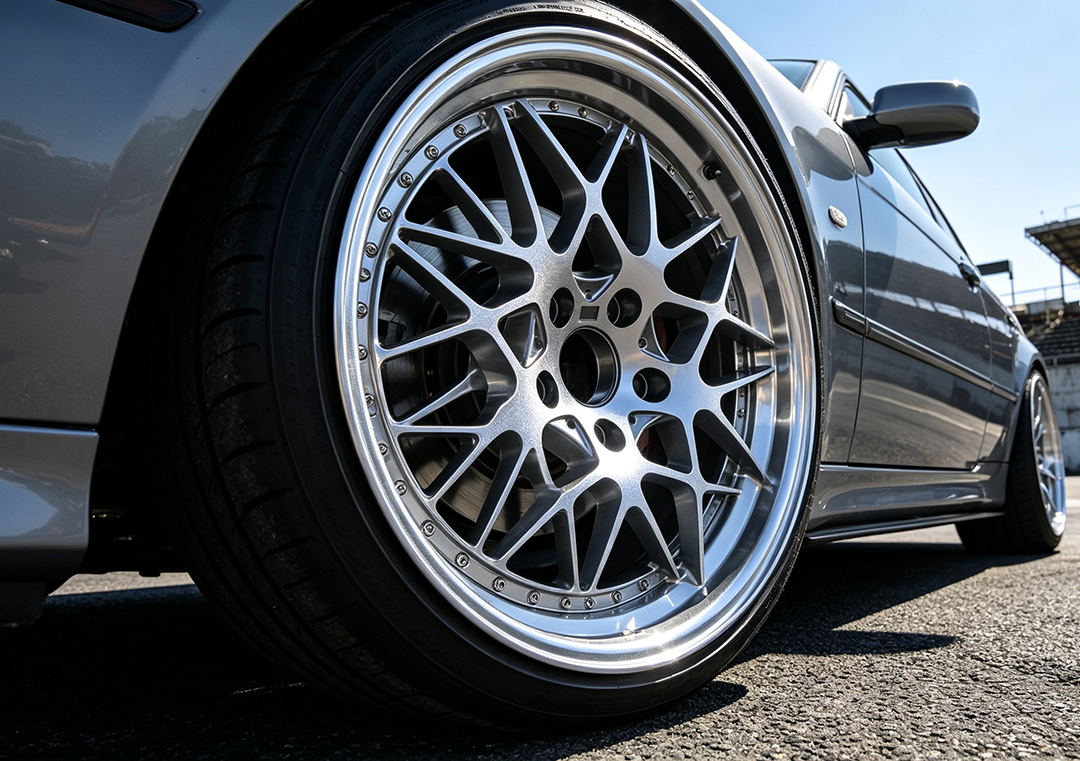
5.Can You Install Bigger Wheels on Your Car?
Yes, many vehicles can accommodate larger wheels, but the change must be evaluated as a complete wheel-and-tire combination.
A larger wheel can create a more distinctive appearance and may provide space for larger brake components in some applications. It can also allow the use of tires with shorter sidewalls.
However, larger wheels may increase purchase and replacement costs, reduce ride comfort, and make the tire-and-wheel assembly more vulnerable to impact damage when the tire has less sidewall.
Potential concerns include:
- Contact with suspension components or fenders
- Incorrect overall tire diameter
- Changes in speedometer accuracy
- Reduced ride comfort
- Increased unsprung weight
- Inadequate load capacity or brake clearance
When changing wheel diameter, drivers often select a tire with a different sidewall height to keep the overall tire diameter close to the original specification. The correct combination depends on the vehicle and tire manufacturer’s approved fitment information.
A professional fitment check is recommended before installing a non-original wheel size.
6.What Should You Consider When Buying Aftermarket Car Wheels?
Aftermarket car wheels allow drivers to choose different styles, finishes, and dimensions from those supplied with the vehicle. The market includes options for compact cars, sedans, sports cars, SUVs, and light trucks.
A useful purchase decision considers more than price or appearance.
Wheel Design and Finish
Spoke design influences the vehicle’s overall look, while the finish affects how the wheels complement the body color and trim.
For example, gloss black wheels create a strong contrast on lighter vehicles, while gunmetal and machined-face designs can provide a more understated appearance.
When comparing finishes, consider maintenance requirements, local weather conditions, and how easily brake dust will be visible.
Manufacturing Quality and Product Information
Look for clear information about wheel dimensions, material, load rating, manufacturing specifications, and applicable testing or certification.
Depending on the market and intended use, relevant standards and requirements may include SAE, JWL, VIA, or other applicable specifications. The exact requirements depend on the product and destination market, so verify the actual documentation rather than relying on a general marketing claim.
Ask suppliers for available technical specifications and quality documentation before making a purchase.
Price, Warranty, and Availability
Compare the total cost, not just the listed price per wheel. A complete purchase may also involve tires, mounting hardware, installation, balancing, shipping, duties, and taxes.
Before ordering, confirm:
- Whether the quoted price is per wheel or per set
- The exact size, bolt pattern, offset, and finish
- Stock availability and expected lead time
- Warranty terms and applicable exclusions
- Shipping arrangements and any additional charges
For wholesale buyers and distributors, consistent specifications, repeat availability, packaging, and communication are also important considerations.
7.How to Maintain Car Wheels
Regular maintenance helps preserve the appearance of car wheels and makes it easier to identify damage before it becomes a larger problem.
Clean Wheels With Suitable Products
Brake dust, road salt, and dirt can accumulate on wheel surfaces. Use a wheel cleaner compatible with the wheel’s finish, together with soft brushes or microfiber cloths.
Avoid harsh chemicals and abrasive tools that could damage painted, polished, or machined surfaces. Follow the wheel and cleaning-product manufacturers’ instructions.
Inspect for Cracks, Bends, and Corrosion
Check the wheels periodically, particularly after hitting a pothole or curb.
Warning signs include:
- Visible cracks or bends
- New vibration while driving
- Air loss from a tire without an obvious tire puncture
- Unusual noises or visible mounting damage
- Corrosion around the wheel or fasteners
A qualified professional should inspect suspected structural damage. Do not continue driving on a wheel that may be unsafe, and do not assume that a cracked wheel can be safely repaired.
Check Tire Pressure and Fastener Torque
Wheel maintenance also involves the tires and mounting hardware. Check tire pressure against the vehicle manufacturer’s recommended values, usually listed on the driver-side door-jamb label.
After wheel installation, follow the specified fastener torque and any recommended rechecking procedure. Incorrect torque can affect mounting security and may damage the wheel or hardware.

Frequently Asked Questions About Car Wheels(FAQ)
1.What Are the Different Types of Car Wheels?
The main types include steel wheels, cast aluminum alloy wheels, flow-formed wheels, forged aluminum wheels, and carbon fiber wheels. They differ in weight, manufacturing method, cost, design flexibility, and intended application.
2.How Do I Choose the Right Car Wheels for My Vehicle?
Check the wheel diameter, width, bolt pattern, offset, center bore, load rating, mounting hardware, and brake clearance. Confirm that the complete wheel-and-tire combination is suitable for your vehicle.
3.Are Alloy Wheels Better Than Steel Wheels?
Alloy wheels generally offer more styling options and may weigh less than comparable steel wheels. Steel wheels are often more affordable. Neither option is universally better; the right choice depends on the vehicle, driving conditions, budget, and intended use.
4.Can I Install Bigger Wheels on My Car?
Yes, provided the new wheels and tires are compatible with the vehicle. Check overall tire diameter, load capacity, brake clearance, suspension clearance, and fender clearance before installation.
5.How Often Should I Clean My Car Wheels?
Cleaning frequency depends on driving conditions, weather, and brake-dust buildup. Inspect your wheels regularly and clean them whenever dirt, road salt, or brake dust accumulates. Use products suitable for the specific finish.
Find the Right Car Wheels for Your Needs
Choosing car wheels involves more than selecting a design you like. Material, size, offset, bolt pattern, load rating, and manufacturing quality all contribute to fitment, reliability, and driving experience.
For everyday drivers, the priority is a wheel-and-tire combination that meets the vehicle’s requirements. For enthusiasts, appearance and weight may also influence the decision. For distributors and retailers, consistent product specifications, design variety, and dependable supply can be equally important.
ATK Wheels offers aftermarket alloy wheel options in a range of sizes, designs, and finishes for different market needs. If you are comparing wheel styles or sourcing products for your business, review the available specifications before selecting a suitable option.
Ready to explore your options? Visit ATK Wheels to browse available wheel designs and contact the team for product information and fitment-related inquiries.

